


What will your organization look like three years from now?
Much of the answer depends on the people you hire today. Every new employee is an investment in the future, and the hiring process is where that investment begins.

Image used under license from Shutterstock.com
What is the Hiring Process?
Hiring the right person is one of the most important decisions a manager can make. A strong hiring process ensures that the candidate is qualified, but also, and arguably more importantly, that they are the right fit for the team and company culture.
While each organization may adapt the process to its unique needs, the following steps represent best practices:
- Workforce Planning and Role Definition: Before rushing to post a job ad, it’s essential to take a step back and plan thoughtfully.
- Assess the need: Why is this role necessary? Could responsibilities be redistributed instead?
- Define the role: Clarify the duties, responsibilities, and expected outcomes.
- Budget alignment: Ensure compensation, benefits, and hiring costs fit within available organizational resources.
- Value-add analysis: Articulate how this hire will advance the company’s goals.
- Crafting a Strong Job Description: A well-written job description attracts the right candidates and deters mismatched applicants.
- Be clear and specific: Highlight responsibilities, skills, and qualifications.
- Incorporate organizational culture: Communicate values and work environment.
- Balance requirements and flexibility: Distinguish between necessary and ideal skills.
- Candidate Sourcing and Outreach: Casting a wide but intentional net increases the chances of finding strong talent.
- Post strategically: Use job boards, LinkedIn, professional associations, and niche platforms.
- Leverage networks: Employee referrals can produce high-quality candidates.
- Engage actively: Consider outreach to passive candidates who may not be actively applying.
- Screening and Shortlisting: Efficient screening helps save time while ensuring fairness.
- Application review: Look for alignment with required skills and relevant experience.
- Structured screening calls: Conduct short phone or video interviews to validate qualifications.
- Assessment tools: Use work samples, skills tests, or personality assessments (as appropriate) to evaluate capabilities.
- Preparing for and Conducting Interviews: Interviews are not only about evaluating the candidate. You’re also trying to sell your organization to potential employees.
- Structured preparation: Develop a set of standardized questions tied to the job requirements.
- Diverse interview panels: Reduce bias and capture multiple perspectives.
- Behavioral and situational questions: Ask candidates to share real examples or respond to realistic scenarios.
- Allow for questions: Make sure you provide time for candidates to ask questions and concerns, and answer thoughtfully and honestly.
- Decision-Making: Choosing the right candidate requires more than gut instinct.
- Evaluation rubrics: Score candidates consistently based on competencies and performance in the process.
- Team input: Collect structured feedback from all interviewers.
- Culture fit + culture add: Look for candidates who align with core values while bringing new strengths.
- Offer and Negotiation: The offer stage should reflect both competitiveness and transparency.
- Compensation package: Include salary, benefits, and perks.
- Clarity in communication: Outline expectations, start date, and key policies.
- Flexibility: Be prepared for negotiation while staying within budget constraints.
- Onboarding and Integration: Hiring doesn’t end with a signed contract. You must also make sure the new hire integrates.
- Structured onboarding plan: Include orientation, training, and goal setting.
- Cultural immersion: Introduce them to company values, norms, and networks.
- Feedback loops: Check in regularly to support adjustment and performance.
- Assign a mentor or buddy: Make sure they have a peer they can connect with should they have questions or concerns.
- Prepare tools and materials: Have their emails, accounts, and any tools needed ready for them to begin.

Image used under license from Shutterstock.com
Thought Leaders
Several thought leaders have shaped how we understand hiring, talent acquisition, and workforce development. Some of the most notable experts include:
- Peter Cappelli: A professor of management at the Wharton School and director of Wharton’s Center for Human Resources. He is widely recognized for his research on workforce development, talent management, and the economics of hiring. His book Why Good People Can’t Get Jobshighlights mismatches in the labor market and the inefficiencies in hiring practices.
- Laszlo Bock: Former Senior Vice President of People Operations at Google and co-founder of Humu, a company that uses behavioral science to improve workplace performance. At Google, he revolutionized hiring by applying data and analytics to people decisions. His bestselling book, Work Rules!, explores evidence-based approaches to hiring and managing talent.
- Lou Adler: A talent acquisition strategist, CEO of The Adler Group, and a well-known voice in performance-based hiring. He advocates for hiring based on measurable outcomes rather than traditional credentials. His book Hire With Your Headis a practical guide for managers and recruiters on how to make better hiring decisions.
- Adam Grant: An organizational psychologist at the Wharton School, he is a bestselling author and one of the most influential management thinkers globally. While his work extends beyond hiring, his research on motivation, culture, and human behavior deeply informs talent practices. His books, including Think Againand Hidden Potential, have shaped how leaders think about hiring for potential and cultural fit.
- Dave Ulrich: Often called the “father of modern HR” and a professor at the University of Michigan’s Ross School of Business. He has authored more than 30 books on HR and leadership, including HR Championsand Victory Through Organization. His work emphasizes aligning hiring and HR strategy with long-term organizational performance.
- Reid Hoffman: Co-founder of LinkedIn and partner at Greylock, he is a leading voice on talent networks and the future of work. His perspective on hiring is shaped by entrepreneurship and scaling organizations. In The Alliance: Managing Talent in the Networked Age, he advocates for treating employment as a mutually beneficial alliance rather than a one-sided relationship.

Image used under license from Shutterstock.com
Key Frameworks
Structured hiring frameworks and models can help provide consistency, reduce bias, and make it easier to evaluate candidates against clear standards. Below are some of the most widely used approaches, each offering a different lens for assessing talent and ensuring better hiring outcomes.
- Performance-Based Hiring: Developed by Lou Adler, this framework shifts hiring away from credentials and toward measurable performance outcomes. Instead of focusing on years of experience or job titles, it emphasizes defining success in terms of deliverables and results. It is designed to reduce bias and ensure new hires are aligned with organizational goals.
- Competency-Based Interviewing: This framework focuses on identifying the specific competencies (skills, behaviors, and attributes) required for success in a role. Interview questions are designed to elicit evidence of these competencies through examples and scenarios. The method helps standardize hiring decisions and align them with organizational needs.
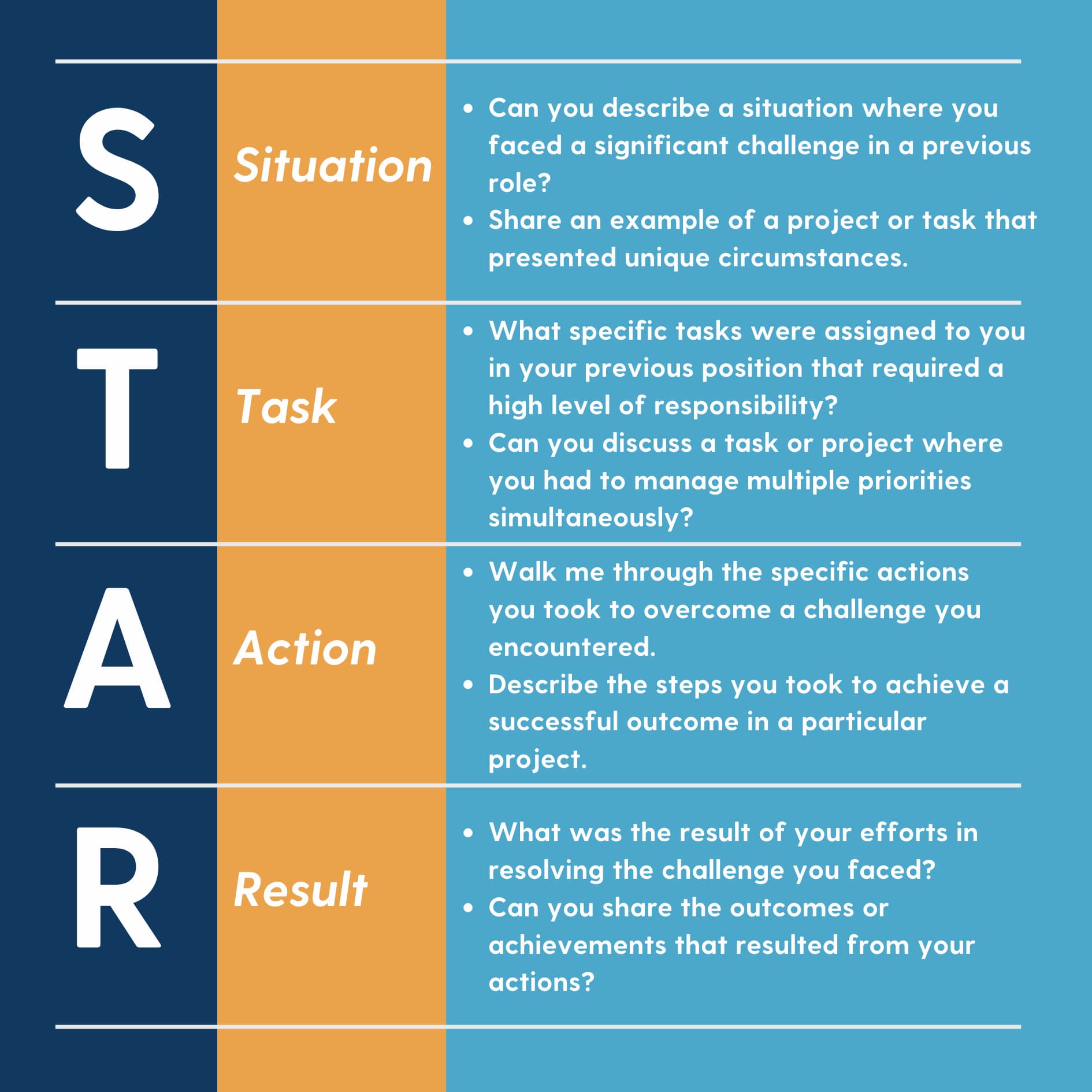
- The STAR Method: In this method, candidates describe a past Situation, define the Task they were responsible for, outline the Actions they took, and summarize the Result. This model provides a structured way for interviewers to evaluate past behavior as a predictor of future performance.
- The Topgrading Method: Topgrading is a rigorous hiring approach aimed at identifying “A Players” — the top 10% of talent available for a given role. It uses detailed interviews, chronological career history, and reference checks to evaluate candidates comprehensively. While time-intensive, it has been adopted by many companies seeking to reduce costly hiring mistakes.
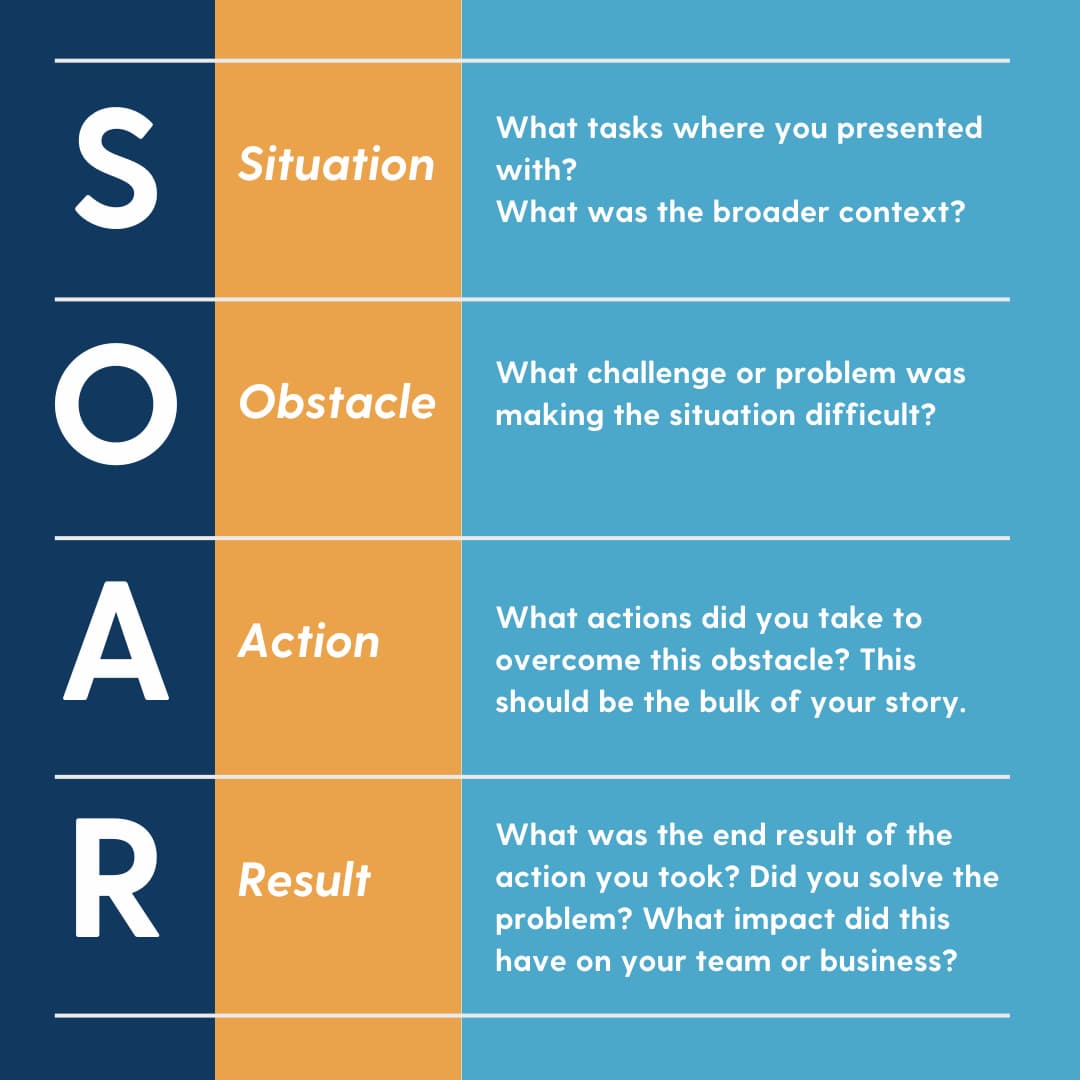
- SOAR Stories: SOAR is a behavioral interview framework that helps candidates structure their responses around real-life experiences. By breaking an example into Situation, Obstacle, Action, and Result, candidates demonstrate problem-solving, resilience, and impact. For hiring managers, SOAR provides a consistent way to assess both competencies and character.


The Hiring Process and Leadership
Effective hiring is one of the most powerful levers a leader has for shaping both team performance and organizational culture. Leaders set the vision, but it is their people who bring that vision to life. When hiring decisions are made thoughtfully, leaders can surround themselves with individuals who not only have the technical skills to excel but also share the values, adaptability, and collaborative spirit needed to thrive in the workplace. This alignment allows leaders to spend less time managing dysfunction and more time driving innovation and growth.
Strong hiring also reinforces a leader’s credibility. Each new team member reflects the leader’s judgment, and consistently bringing in high-quality talent signals strategic foresight, discipline, and commitment to excellence. Conversely, poor hiring choices can erode trust in leadership, as they often lead to misaligned expectations, performance issues, and higher turnover.
Finally, effective hiring extends a leader’s influence beyond the immediate team. The right hires amplify a leader’s impact by taking ownership, inspiring peers, and elevating the standards of the entire organization. In this way, hiring becomes a strategic act of leadership, shaping the culture, strengthening the team, and ensuring long-term success.

Image used under license from Shutterstock.com
The Hiring Process and Personal Development
There is a clear and meaningful relationship between the hiring process and both personal and professional development, for both candidates and leaders. For candidates, the hiring process itself is a developmental experience. Crafting a résumé, preparing for interviews, and reflecting on strengths and weaknesses require self-assessment and articulation of one’s professional identity. Even if a candidate is not ultimately selected, they often leave the process with greater clarity about their career goals, skill gaps, and areas for growth. In this sense, each hiring experience contributes to personal and professional development by sharpening communication skills, boosting self-awareness, and encouraging continuous learning.
For leaders and hiring managers, the hiring process also drives development. Leaders grow as decision-makers when they learn to evaluate talent, balance immediate needs with long-term strategy, and confront their own biases. Each hire presents an opportunity to refine leadership judgment: distinguishing between “good on paper” and “right for the team,” asking sharper interview questions, and learning how to assess both technical and soft skills. Over time, effective hiring becomes a reflection of a leader’s maturity and strategic vision.
Finally, for the organization as a whole, the hiring process is a development tool. When done well, it introduces new capabilities, fresh perspectives, and diverse experiences that stretch existing teams. This infusion of talent helps organizations evolve and adapt, supporting operational needs and long-term growth and innovation.

Image used under license from Shutterstock.com
Conclusion
In the end, the future of any organization is written by the people it brings on board. A thoughtful hiring process is more than filling a vacancy—it’s an investment in the culture, performance, and leadership of tomorrow. If you want to know what your organization will look like three years from now, look at the hiring decisions you’re making today.
Other Resources
