


Have you ever thought about what you will leave behind when you step away from your career? It’s easy to get caught up in the day-to-day challenges, the quarterly targets, and the endless pursuit of growth. But a bigger question – one that may even define us better than our specific achievements — is what are we building that positively impacts others in an enduring way? That is, what will our legacy be?
What is Legacy?
In the context of business and careers, legacy refers to the lasting impact or influence that an individual, leader, or organization leaves behind. It encompasses the values, achievements, contributions, and ways of working that continue to shape the future beyond their direct involvement.
Legacy can manifest in several forms, including:
- Leadership Influence: The way a leader’s vision, values, and actions inspire and guide others even after they’ve moved on from their position or their careers.
- Cultural Impact: The establishment of norms, practices, and organizational culture that persist and affect the organization long-term.
- Mentorship and Development: The contributions to the growth and development of others, such as through mentorship, training, or talent development.
- Innovations and Achievements: Significant innovations, successful projects, or strategic decisions that continue to benefit the business or industry.
- Ethical and Social Contributions: Initiatives or values that promote ethical practices, social responsibility, and positive change.

Image(s) used under license from Shutterstock.com
Why is Leaving a Legacy Important?
A legacy reflects the enduring impact of our actions and decisions, shaping how we are remembered and the continuing influence we have on others and the broader industry. As such, leaving a legacy is important because it influences:
- Sustained Impact: Legacy ensures that the positive changes and advancements achieved during a career or by an organization continue to benefit others over the longer-term.
- Inspiration: A well-crafted legacy can inspire current and future generations to uphold similar values, pursue excellence, and make meaningful contributions of their own.
- Guidance: A legacy provides a framework for decision-making and behavior, offering a reference point for navigating future challenges and opportunities.
- Personal Fulfillment: Leaving a meaningful legacy can be a source of personal satisfaction and a sense of purpose, knowing that our work has made a lasting difference.
A key aspect of legacy is how it benefits others by helping and empowering them. This dimension of legacy focuses on leaving behind not just achievements, but the ability for others to thrive and succeed. A legacy centered on empowering others ensures that individuals, teams, and organizations are better equipped to succeed, adapt, and innovate even after we’re gone. Sharing knowledge, mentoring, and providing opportunities are a few ways to help others develop skills and confidence to take charge of their own careers.
Additionally, by helping others grow, we create a ripple effect that leads to long-term success both in terms of the individuals we care about but also the organization and community, as the people we empower may go on to lead projects, teams, or even entire organizations that carry forward the principles and practices we once helped instill.
Ultimately, our focus on the legacy we want to leave behind is grounded in our own mortality. We want to feel that we have led a life of meaning and that we have contributed to the betterment of the world, even after we’re gone.

Image(s) used under license from Shutterstock.com
Thought Leaders
Several thought leaders have extensively explored the concept of legacy in business and leadership. Here are some notable figures:
- Kimberly Wade-Benzoni: A professor at Duke University’s Fuqua School of Business, specializing in ethics, intergenerational decision-making, and career legacy. Her work explores how leaders balance self-interest with the desire to leave an enduring, ethical impact.
- Ayan Aden: A speaker and advocate who focuses on career legacy, storytelling, and empowering underrepresented groups. Her TEDx talk What is the Legacy You Want to Leave? highlights how career choices and community building shape a long-lasting legacy.
- Simon Sinek: A leadership expert and author known for his work on motivation, purpose, and long-term thinking in business. His book The Infinite Game discusses how leaders can build legacies by focusing on continuous growth and helping others succeed beyond immediate results.
- Marshall Goldsmith: A renowned executive coach and leadership expert who helps leaders leave lasting legacies by empowering others to achieve success. His book The Earned Life discusses on how fulfillment and legacy come from helping others grow, rather than focusing solely on personal accomplishments.
- John Maxwell: A leadership coach and author who emphasizes personal development and leadership training as the foundation for a lasting legacy. His book The 21 Irrefutable Laws of Leadership highlights how empowering others is a key aspect of leadership that endures beyond one’s career.
- Bill George: The former CEO of Medtronic and a professor at Harvard Business School known for his work on authentic leadership. His book True North explores how leaders can build a legacy by aligning their values with their actions and inspiring others to lead with integrity.
- Jim Collins: A business consultant and author focused on leadership and company sustainability, particularly how great companies and leaders build legacies that last. His book Good to Great explores the factors that differentiate companies that leave a lasting impact from those that do not.
- Peter Drucker: Often considered the father of modern management, Drucker developed foundational theories on leadership, innovation, and organizational legacy. His book The Effective Executive discusses how leaders can shape an enduring legacy through effective decision-making and empowering others.
- Ken Blanchard: A leadership expert and co-author of The One Minute Manager, focusing on situational leadership and empowering employees. His work emphasizes that effective leadership involves helping others develop, which leads to a legacy of trust and high performance.
- James Kerr: A leadership consultant and author known for his work on high-performance teams and culture in business. His book Legacy: What the All Blacks Can Teach Us About the Business of Life uses the New Zealand rugby team as a model for building a legacy of excellence and teamwork.
- Simon Court: A management consultant and author who focuses on leadership development and building lasting organizational legacies. His book Founder’s Legacy provides frameworks for leaders to build value-driven legacies that align with business goals and long-term success.
- Robert Galford and Regina Fazio Maruca: Co-authors and consultants who specialize in leadership and organizational culture. Their book Your Leadership Legacy focuses on how leaders can consciously build legacies that empower others and leave a lasting positive influence on their organizations.
- Clay Christiansen: A renowned business thinker and professor, best known for his theory of disruptive innovation. His influential book The Innovator’s Dilemmahas shaped how leaders think about innovation and strategy, emphasizing the need for businesses to be willing to disrupt themselves to achieve long-term success and avoid being overtaken by competitors. Christensen also explored how personal life and career choices can contribute to building a meaningful legacy, particularly in his book, How Will You Measure Your Life?
Key Frameworks
Several well-known models and frameworks tie into the concept of legacy in relation to careers, offering ways to think about long-term impact, values, and purpose. Some worth noting include:
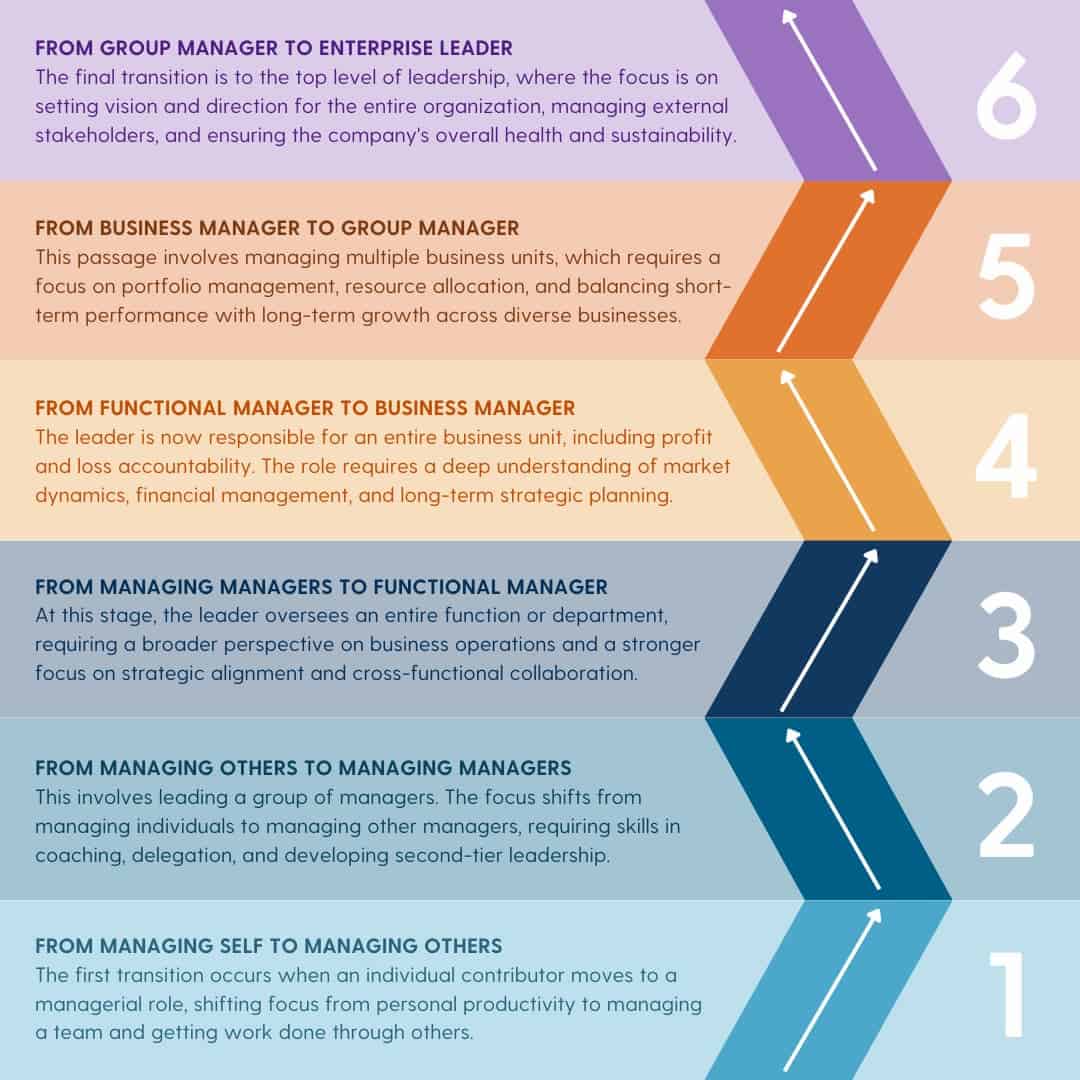
- The Leadership Pipeline Model: This framework outlines the stages of leadership development and emphasizes the importance of passing on knowledge, skills, and values to future leaders. Leaders who build pipelines ensure their legacy endures by nurturing the next generation, contributing to long-term organizational health.
- The 7 Habits of Highly Effective People (Stephen Covey): One of Covey’s habits is “Begin with the End in Mind.” This directly ties to legacy thinking, as it encourages us to envision our long-term contributions and impact, prompting us to make decisions and set goals based on the legacy we wish to leave.
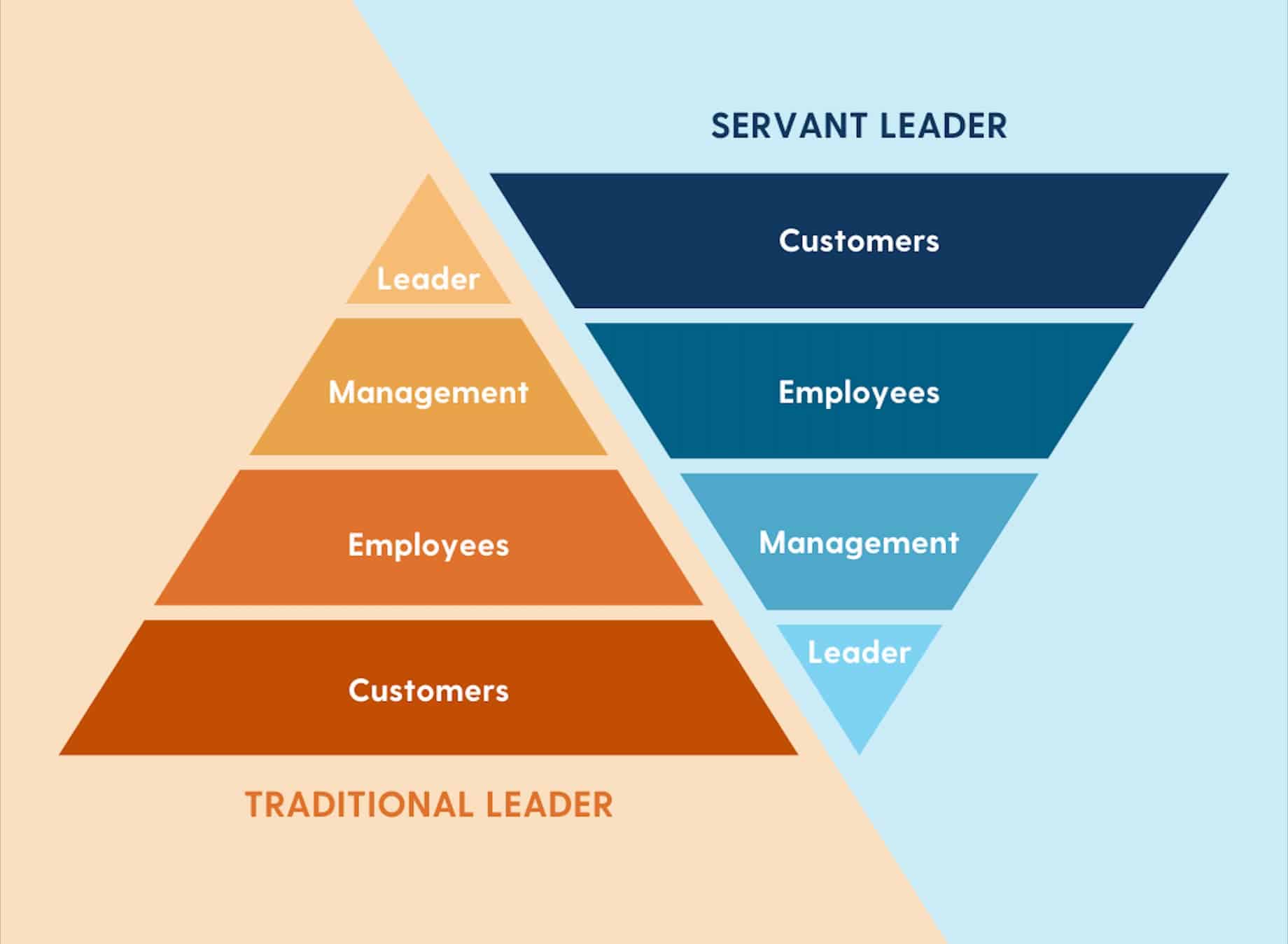
- Servant Leadership (Robert K. Greenleaf): This leadership philosophy is built on the idea that the leader’s primary goal is to serve others, which inherently involves creating a lasting impact on people and organizations. Servant leadership focuses on developing and empowering others, ensuring a legacy of trust, care, and ethical behavior.
- The Golden Circle (Simon Sinek): This model focuses on the “Why,” or the deeper purpose behind a person’s actions and career choices. Sinek suggests that individuals and organizations with a strong sense of purpose create more enduring legacies because they inspire others and leave behind something meaningful.
- Career Anchors (Edgar Schein): Schein’s model identifies different career motivations, or anchors, such as autonomy, security, or service to a cause. Those with a service/dedication to a cause anchor often seek to build a legacy through their work by contributing to meaningful societal or organizational goals.


Legacy in Leadership
A leader’s legacy goes beyond their immediate achievements or tenure; it is defined by the culture they foster, the values they instill, and the leaders they develop. Specifically,
- A leader’s legacy shapes the future direction of an organization long after they’ve left. It influences decisions, behaviors, and strategies, ensuring that the leader’s vision and principles continue to guide the organization.
- By developing and mentoring others, leaders leave behind capable individuals who can carry forward their mission. Building a legacy of strong leadership ensures that the organization remains resilient and adaptable.
- Leaders are remembered for how they treated people, not just for what they accomplished. A legacy of ethical leadership, compassion, and fairness contributes to a leader’s long-term reputation and builds trust that extends beyond their time in the role.
- Leaders focused on legacy tend to make decisions with the future in mind, ensuring sustainable success rather than pursuing short-term gains. This future-oriented mindset helps organizations remain competitive and relevant in changing markets.

Image(s) used under license from Shutterstock.com
Legacy in Personal Development
As we navigate our career journeys, it’s important to start thinking about our legacies, as this encourages us to take long-term, purpose-driven approaches. It is by considering the impact we want to leave behind that we can align our actions, decisions, and goals with a larger sense of meaning and contribution. This perspective shifts the focus from short-term success or career advancement to the creation of lasting value that benefits others.
Legacy-oriented thinking also drives personal growth as it fosters self-awareness and intentionality. If we reflect on the kind of legacy we wish to leave, we’ll be more likely to identify and cultivate our core values, strengths, and leadership qualities. This process can lead to more authentic and impactful decision-making, as we begin to prioritize ethical behavior, empathy, and long-term vision over immediate rewards or superficial achievements.
Ultimately, thinking about legacy gives us a sense of fulfillment and purpose. Rather than viewing work as merely a series of tasks or roles to complete, we can see it as an opportunity to contribute to something greater than ourselves. In this way, we become legacy-minded professionals who will leave behind a positive, enduring influence on our organizations and communities.
