



When it comes to work, it’s easy to fall into the trap of doing just enough to get by. We complete our tasks, hit our targets, and check off to-dos. But coasting through our jobs keeps us from reaching our full potential. When in need of improvement, we begin to practice, but sometimes, it doesn’t seem like enough or we go through it in a haphazard fashion.
Enter deliberate practice. This is a method used by elite athletes, musicians, and top performers to achieve mastery, not by doing more but by practicing better. Applying this concept in the workplace can transform how you approach your role, turning everyday tasks into opportunities for growth and improvement.
What is Deliberate Practice?
Deliberate practice is a highly structured and purposeful form of practice aimed at improving performance in a specific skill. Unlike regular practice, which might involve repeating a task without clear goals, deliberate practice focuses on continual improvement through well-defined objectives, immediate feedback, and mental effort to push one’s limits. The concept was popularized by psychologist Anders Ericsson, who argued that this type of practice is essential for achieving expert-level performance in any field.
The key elements of deliberate practice are:
- Clear Goals: Each practice session should focus on specific skills or aspects that need improvement.
- Focus and Attention: Deliberate practice requires complete concentration to avoid mindlessly repeating mistakes.
- Feedback: Immediate and constructive feedback is essential, to correct errors and refine performance.
- Breaking Comfort Zones: The practice should push us beyond our current skill level, helping us gradually improve over time.
- Repetition with Refinement: Tasks are repeated but with adjustments based on feedback and focused reflection.

Image used under license from Shutterstock.com
Thought Leaders
Several thought leaders have contributed to the understanding and development of the concept of deliberate practice, shaping the conversation on how structured, intentional practice can lead to high-level performance in a variety of disciplines. Here are a few prominent ones:
- Anders Ericsson: A Swedish psychologist considered the father of the deliberate practice concept. His research has been highly influential, particularly his work on expert performance and his co-authored book Peak: Secrets from the New Science of Expertise. He argues that expert-level performance is not innate but achieved through deliberate, structured practice over time.
- Daniel Coyle: Author of The Talent Code, he explores the concept of “deep practice” and how it influences the development of talent. He draws on examples from diverse fields like sports, music, and business to demonstrate how targeted practice builds expertise.
- Geoff Colvin: In his book Talent Is Overrated, Colvin builds on Ericsson’s ideas and explores how deliberate practice, rather than innate talent, is the true driver of extraordinary performance in business and other areas.
- Malcolm Gladwell: A bestselling author and journalist known for exploring complex social and psychological phenomena in books like Outliers, The Tipping Point, and Blink. He popularized the 10,000-Hour Rule in Outliers, suggesting that mastery in a field often requires around 10,000 hours of deliberate practice.
- Carol Dweck: While not specifically focused on deliberate practice, Dweck’s work on Growth Mindset complements the concept. Her research suggests that individuals who believe their abilities can be developed (through effort and practice) are more likely to engage in deliberate practice and achieve high levels of success.
- Angela Duckworth: The author of Grit: The Power of Passion and Perseverance, Duckworth’s research aligns with the principles of deliberate practice. She argues that sustained effort over time, coupled with a focus on improvement, is essential for achieving mastery.

Image used under license from Shutterstock.com
Key Frameworks
Several models and frameworks emphasize the importance of practice for skill development, mastery, and improvement. Aside from the concept of deliberate practice as per Ericsson’s work, here are a few other well-known models:
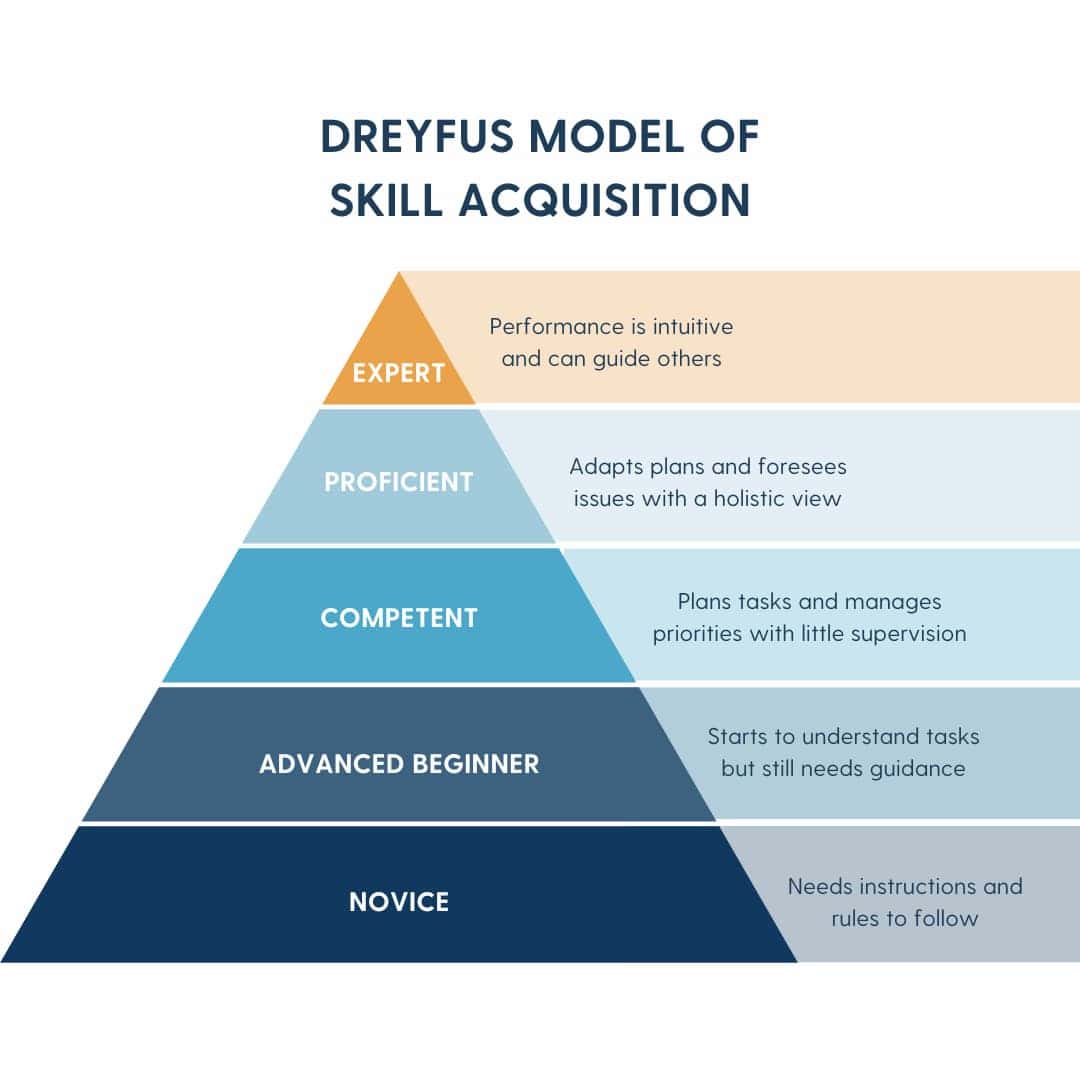
- Dreyfus Model of Skill Acquisition: Developed by brothers Stuart and Hubert Dreyfus, this model outlines five stages of skill acquisition: novice, advanced beginner, competent, proficient, and expert. It suggests that with practice and experience, individuals move from rule-based learning (novice) to intuitive, flexible thinking (expert)

- Fitts and Posner’s Three Stages of Learning: This model describes three stages of motor skill learning:
-
- Cognitive Stage: Beginners focus on understanding the task and make frequent errors.
- Associative Stage: Learners refine their skills with practice, make fewer errors, and become more consistent.
- Autonomous Stage: Skills become automatic and can be performed with little conscious effort.
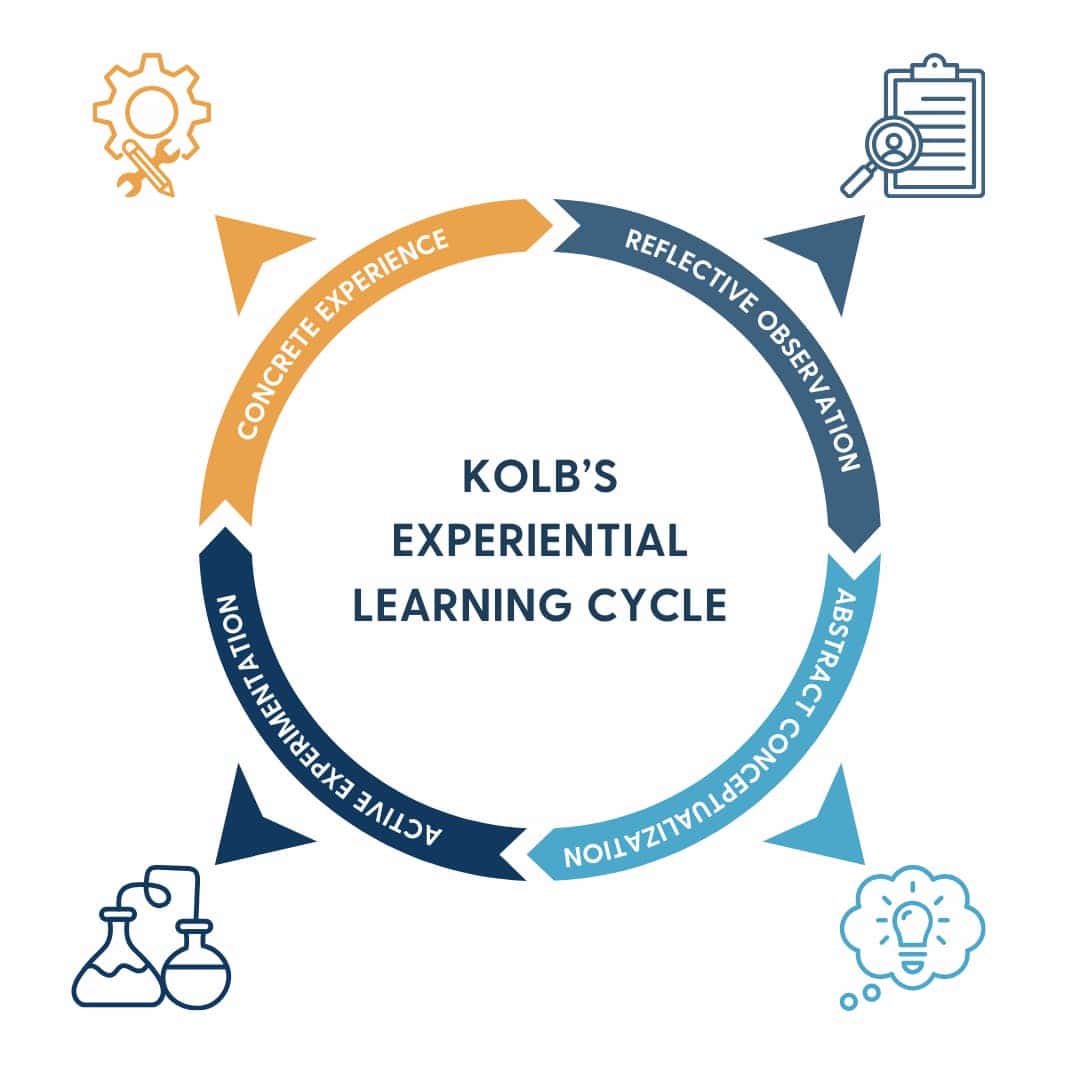
- Kolb’s Experiential Learning Cycle: David Kolb’s model emphasizes learning through experience and reflection. It consists of four stages:
-
- Concrete experience (doing).
- Reflective observation (thinking about what was done).
- Abstract conceptualization (learning from the experience).
- Active experimentation (applying what was learned).

- The Learning Pyramid (Edgar Dale): Although this model is often debated in terms of accuracy, it depicts the effectiveness of different learning methods, with “practice by doing” being one of the most effective ways to retain knowledge. The pyramid suggests people retain:
-
- 10% of what they read.
- 20% of what they hear.
- 30% of what they see.
- 90% of what they do (practice).
- The Four Stages of Competence: This model describes the progression of learning a new skill, from unawareness to mastery, highlighting the process of increasing ease in performing a skill that comes with practice. The stages are:
- Unconscious Incompetence– Not knowing what you don’t know; unaware of your lack of skill.
- Conscious Incompetence– Realizing what you don’t know and becoming aware of the gap in your abilities.
- Conscious Competence– Able to perform the skill with focus and effort, though it requires concentration.
- Unconscious Competence– The skill becomes second nature, performed effortlessly and automatically.
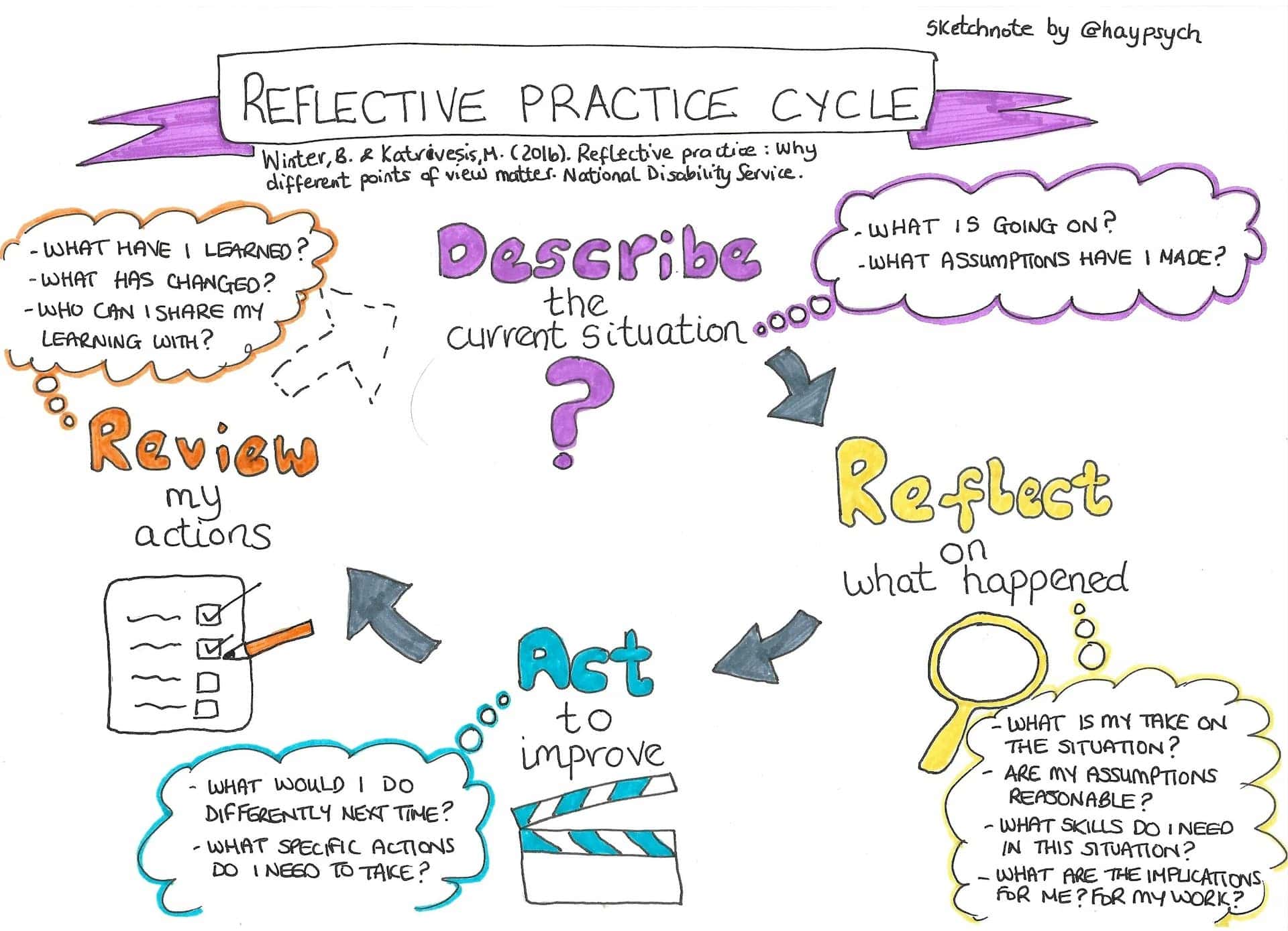
- Reflective Practice Cycle: Reflective practice is a process in which individuals actively think about and analyze their experiences to learn from them and improve their future actions or behaviors. To learn more, check out Hayley Lewis’s Sketchnote below.

Deliberate Practice in Personal Development
In the context of career development, deliberate practice can be a powerful tool for advancing skills, achieving professional mastery, and accelerating growth. Here’s how you can apply deliberate practice to your career:
- Adapt a Growth and Learning Mindset. Without a firm commitment to improvement, you may improve through repeated activity but you will not achieve the level of performance that comes with deliberate practice, active learning and conscious adaptation.
- Identify Specific Skills to Develop: Deliberate practice focuses on improving specific areas, so you need to pinpoint the critical skills that will enhance your career. These could be technical skills (coding, data analysis), soft skills (communication, negotiation), or leadership competencies. For example, if you’re aiming to improve public speaking, focus on specific aspects such as storytelling, managing audience engagement, or improving clarity and confidence.
- Set Clear, Achievable Goals: Establish well-defined goals that relate directly to your professional development. These goals should be measurable, challenging but realistic, and time-bound. For instance, instead of aiming to “become a better negotiator,” set a specific goal like “learn and apply three new negotiation strategies in the next client meeting.”
- Engage in Focused Practice: Once you’ve identified the particular skills on which to focus and set clear goals, design practice sessions that allow you to work on those specific areas. This actively should be highly focused, with full attention on improvement rather than mindless repetition.
- Seek Feedback Regularly: To improve, you need constructive feedback from others, such as mentors, coaches, or peers. Feedback helps identify blind spots, correct mistakes, and refine your approach.
- Push Beyond Comfort Zones: Growth happens when you challenge yourself beyond what’s easy or comfortable. Deliberate practice requires pushing your limits by taking on new responsibilities, projects, or challenges that force you to develop new skills.
- Reflect and Self-Evaluate: After each practice session or work experience, reflect on your performance. Identify what worked, where you struggled, and how you can improve. This self-reflection will help reinforce learning and guide future practice. For example, after completing a client negotiation, review your strategies, how the client responded, and what you could have done differently to achieve a better outcome.
- Document Your Progress: Track your progress over time. Documenting your growth keeps you accountable and provides motivation as you see your improvement. This can also help you adjust your practice strategy and determine the specific areas to focus on for your next practice session.

Image used under license from Shutterstock.com
Deliberate Practice in Leadership
For managers, applying deliberate practice can lead to becoming more effective leaders by honing essential leadership skills with intentional effort. Focusing deliberate practice on these areas can help you become a more competent, empathetic, and strategic leader, better equipped to lead your team and organization through challenges and opportunities.
Here’s how it works and the areas you can focus on:
How Deliberate Practice Makes a Manager a Better Leader:
- Targeted Improvement: Deliberate practice involves breaking down leadership skills into smaller components and working on specific areas that need improvement. This allows managers to systematically enhance aspects of their leadership, such as communication or decision-making.
- Feedback and Reflection: Regular feedback from peers, mentors, or team members is crucial to deliberate practice. By reflecting on this feedback, managers can identify blind spots and areas for growth, ensuring continuous improvement.
- Consistent Application: Managers who engage in deliberate practice continuously apply what they learn in real-life situations, experimenting with different approaches and learning from their successes and failures. This builds confidence and proficiency in their leadership abilities.
- Focus on Stretch Goals: Deliberate practice encourages setting goals beyond current abilities. For a leader, this might mean taking on more complex challenges or navigating difficult conversations, which fosters growth.
Key Areas of Focus for Deliberate Practice in Leadership:
- Emotional Intelligence (EQ): Leaders can practice recognizing emotions, managing stress, and empathizing with others. For example, managers can deliberately focus on staying calm under pressure or improving their active listening skills.
- Communication Skills: This includes both verbal and non-verbal communication. Leaders can practice delivering clear messages, giving constructive feedback, and facilitating productive meetings. Deliberate focus might involve rehearsing difficult conversations or public speaking.
- Decision-Making: Managers can practice breaking down complex problems, weighing options, and considering long-term impacts before making decisions. They might deliberately focus on improving decision speed or balancing data-driven and intuitive approaches.
- Conflict Resolution: Leaders can practice resolving conflicts between team members by applying mediation techniques. They can deliberately place themselves in situations that require resolving differing viewpoints and work on improving diplomacy.
- Coaching and Mentorship: Leaders can work on providing better guidance and feedback to their team members. This can involve deliberate practice in asking open-ended questions, offering support without micromanaging, and helping employees set and achieve their development goals.
- Strategic Thinking: This involves practicing long-term visioning, resource allocation, and understanding market trends. Leaders can deliberately engage in scenario planning or strategy workshops to refine their ability to foresee challenges and opportunities.
- Delegation and Empowerment: Practicing how to delegate tasks and empower team members to take ownership effectively helps leaders refine their ability to trust their team and distribute responsibilities to maximize productivity and growth.

Image used under license from Shutterstock.com
Conclusion
Whether you’re looking to sharpen a particular skill or elevate your overall performance, the key lies in focusing not on how much you practice but how you practice. The workplace is your arena, and every task is an opportunity to refine your abilities and advance your career.
