



As the lines between work hours and personal time become increasingly blurry, stress becomes a constant companion for many of us—a shadow that follows us from the workplace to the dinner table and even into our sleep (or attempts at sleep). While relatively low stress levels can help drive us to achieve our goals, too much can derail our health, happiness, and productivity. The key is not eliminating stress entirely—an impossible task—but learning how to manage it effectively.
What is Stress?
Stress is the body’s natural response to challenges or demands. It can be triggered by external factors (e.g., physical threats, work pressure, financial issues, or personal relationships) or internal factors (e.g., negative self-talk, unrealistic expectations, or fear of failure). Stress often manifests physically, emotionally, and mentally, and includes symptoms like tension, fatigue, irritability, or difficulty concentrating.
Stress can be categorized into two types. The first is Acute Stress. This refers to short-term stress that arises in response to immediate challenges or events. The second is Chronic Stress. This is long-term stress that persists over an extended period, often due to unresolved issues. Because chronic stress is becoming increasingly common, learning to manage stress is key to our success and overall wellbeing.

Image used under license from Shutterstock.com
What is Stress Management?
Stress management involves techniques and practices that reduce stress levels or improve our ability to cope. These methods may include relaxation techniques, time management, physical exercise, mindfulness, and social or professional support. Effective stress management offers a variety of benefits, including:
- Better Physical Health: Chronic stress can contribute to health issues like heart disease, high blood pressure, and weakened immune function. Effective stress management helps us mitigate these risks.
- Enhanced Mental Health: Stress can lead to anxiety, depression, or burnout. Managing it helps us maintain emotional balance and resilience.
- Higher Productivity: Reducing stress enhances our focus, decision-making, and overall performance, especially in work or academic settings.
- Stronger Relationships: Managing stress allows us to communicate effectively and maintain healthy interpersonal relationships.
- Overall Well-Being: Stress management fosters a sense of control and improves our quality of life by reducing unnecessary tension and promoting relaxation.

Image used under license from Shutterstock.com
Thought Leaders
Several thought leaders offer a range of perspectives and research-based techniques for navigating and transforming stress into a force for growth and resilience. Their work provides practical tools and insights that empower us to enhance our well-being and thrive under pressure. Some of these experts include:
- Jon Kabat-Zinn: A Professor Emeritus of Medicine at the University of Massachusetts, Kabat-Zinn founded Mindfulness-Based Stress Reduction (MBSR), integrating mindfulness into healthcare and stress management. He is the author of Full Catastrophe Living: Using the Wisdom of Your Body and Mind to Face Stress, Pain, and Illness.
- Kelly McGonigal: A health psychologist and Stanford University lecturer, McGonigal reframed stress as a positive force for growth and connection. Her notable work includes The Upside of Stress: Why Stress Is Good for You and How to Get Good at It.
- Gabor Maté: A physician and author specializing in trauma and addiction, Maté examines the profound effects of stress on physical and mental health. His book When the Body Says No: Exploring the Stress-Disease Connection is widely acclaimed.
- Herbert Benson: A cardiologist and professor, Benson pioneered the relaxation response technique, emphasizing its link to stress reduction, heart health, and overall well-being. He is the author of The Relaxation Response.
- Emma Seppälä: A psychologist and Science Director at Stanford’s Center for Compassion and Altruism Research, Seppälä studies resilience, compassion, and happiness as tools for reducing stress. Her book The Happiness Track: How to Apply the Science of Happiness to Accelerate Your Successcovers these insights.
- Elissa Epel: A health psychologist and professor, Epel investigates how chronic stress affects cellular aging and advocates for resilience-building strategies. She co-authored The Telomere Effect: A Revolutionary Approach to Living Younger, Healthier, Longerwith Elizabeth Blackburn.
- Brené Brown: A researcher and professor, Brown explores vulnerability and emotional resilience as ways to manage stress and foster deeper human connections. One of her bestsellers, The Gifts of Imperfection,offers guidance on embracing these qualities.
- Emily Nagoski and Amelia Nagoski: Educators and co-authors, Emily is an expert on women’s sexual well-being, and Amelia is a choral conductor. In their book Burnout: The Secret to Unlocking the Stress Cycle, they provide actionable tools for managing stress and preventing burnout.
Key Frameworks
Several frameworks and models related to stress management and adjacent fields like resilience, mindfulness, and emotional regulation offer strategies that can help you manage stress and build resilience more effectively:
- The Stress Response (Fight, Flight, Freeze): Originating with Walter Cannon and later expanded by Hans Selye, this model explains the physiological and psychological reactions to stress triggered by the activation of the sympathetic nervous system. Recognizing these responses allows us to manage stress effectively through techniques like deep breathing or grounding exercises.
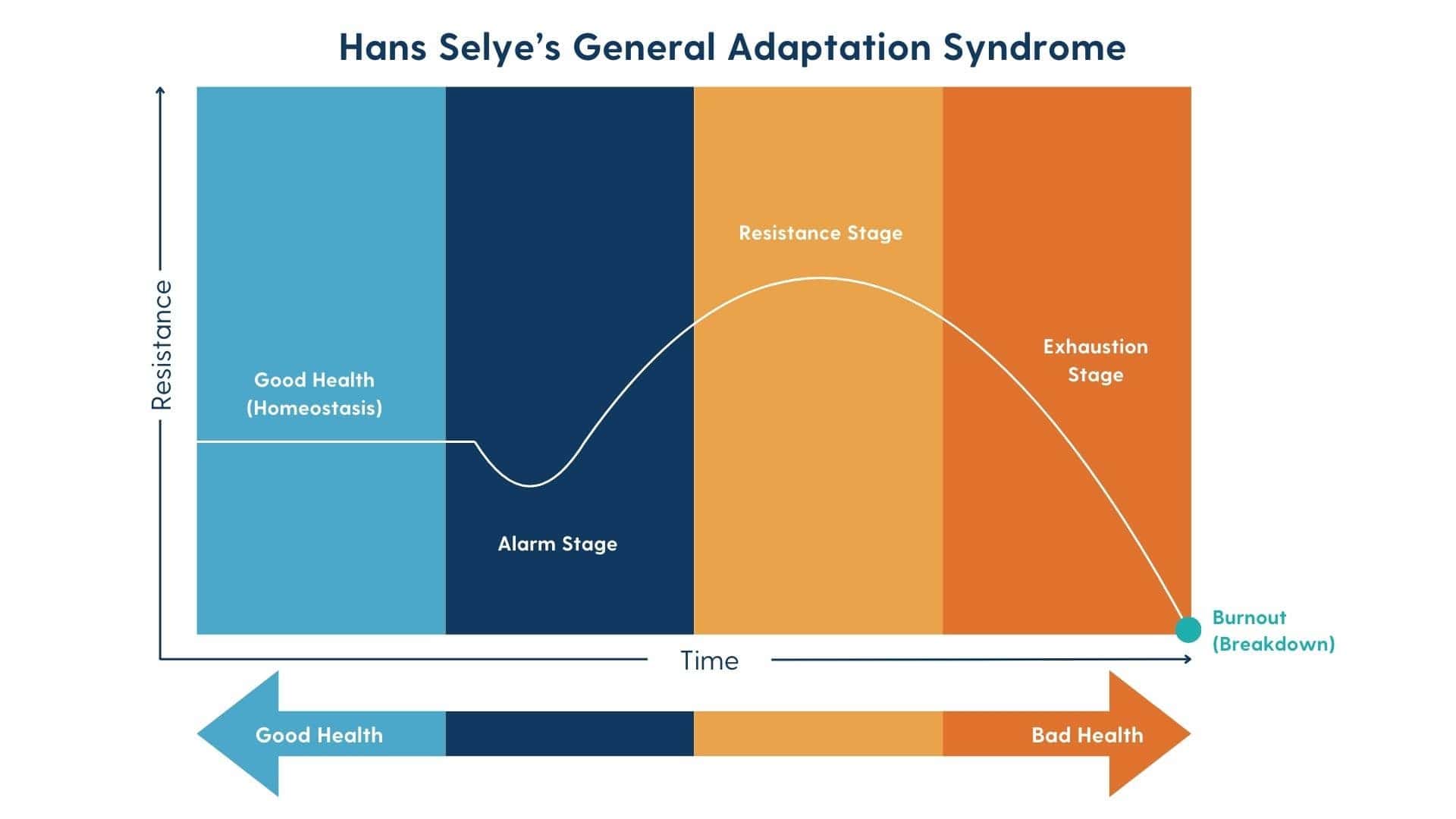
- General Adaptation Syndrome (GAS): Developed by Hans Selye, this three-stage model—Alarm, Resistance, and Exhaustion—describes how the body reacts to stress over time. It highlights the dangers of prolonged stress, emphasizing the importance of recovery to prevent burnout.
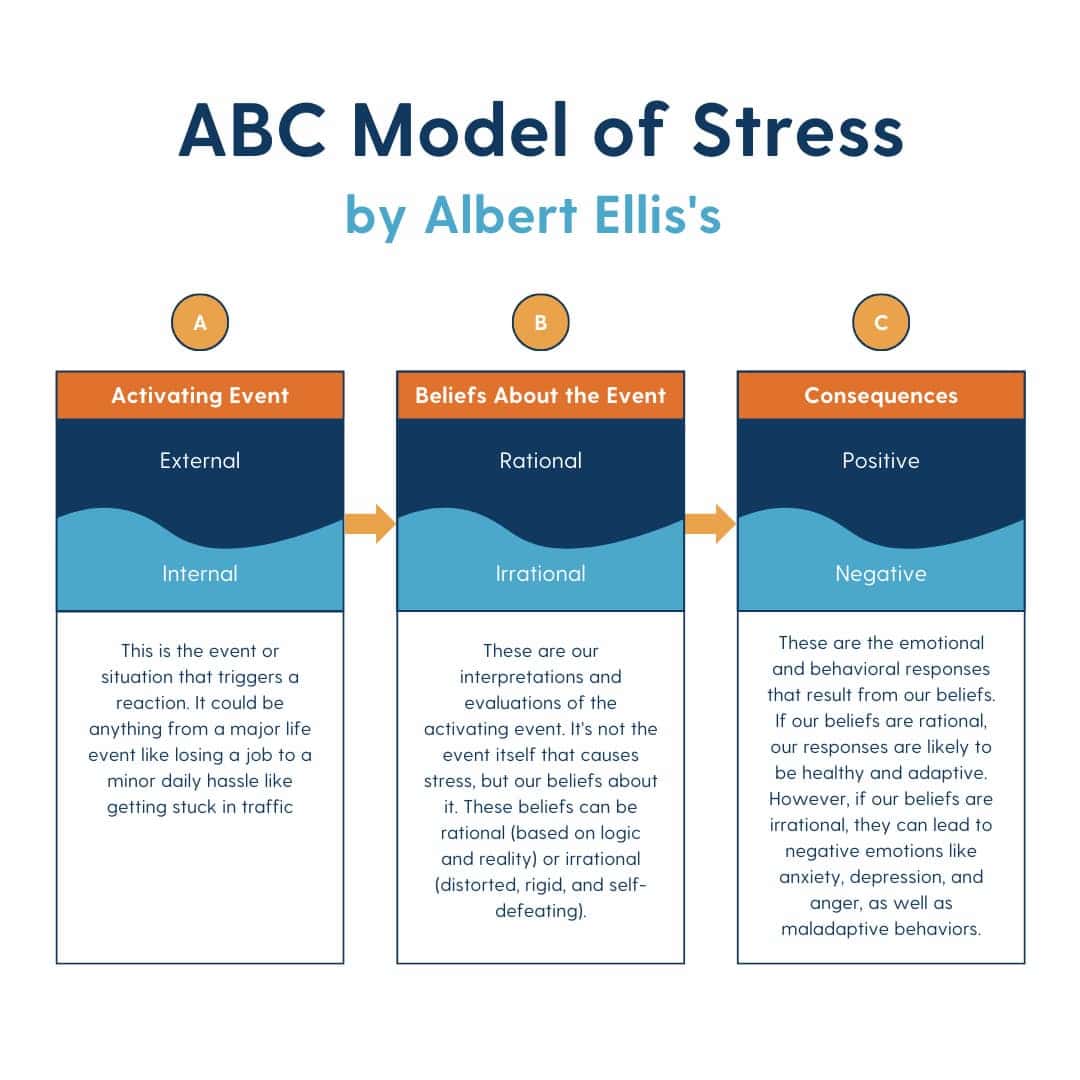
- The ABC Model of Stress: Developed by Albert Ellis in Rational Emotive Behavior Therapy (REBT), this model breaks down stress into three components: Activating Event (what happened), Beliefs (how it’s interpreted), and Consequences (emotional or behavioral reactions). It highlights the importance of addressing irrational beliefs to transform stress responses.
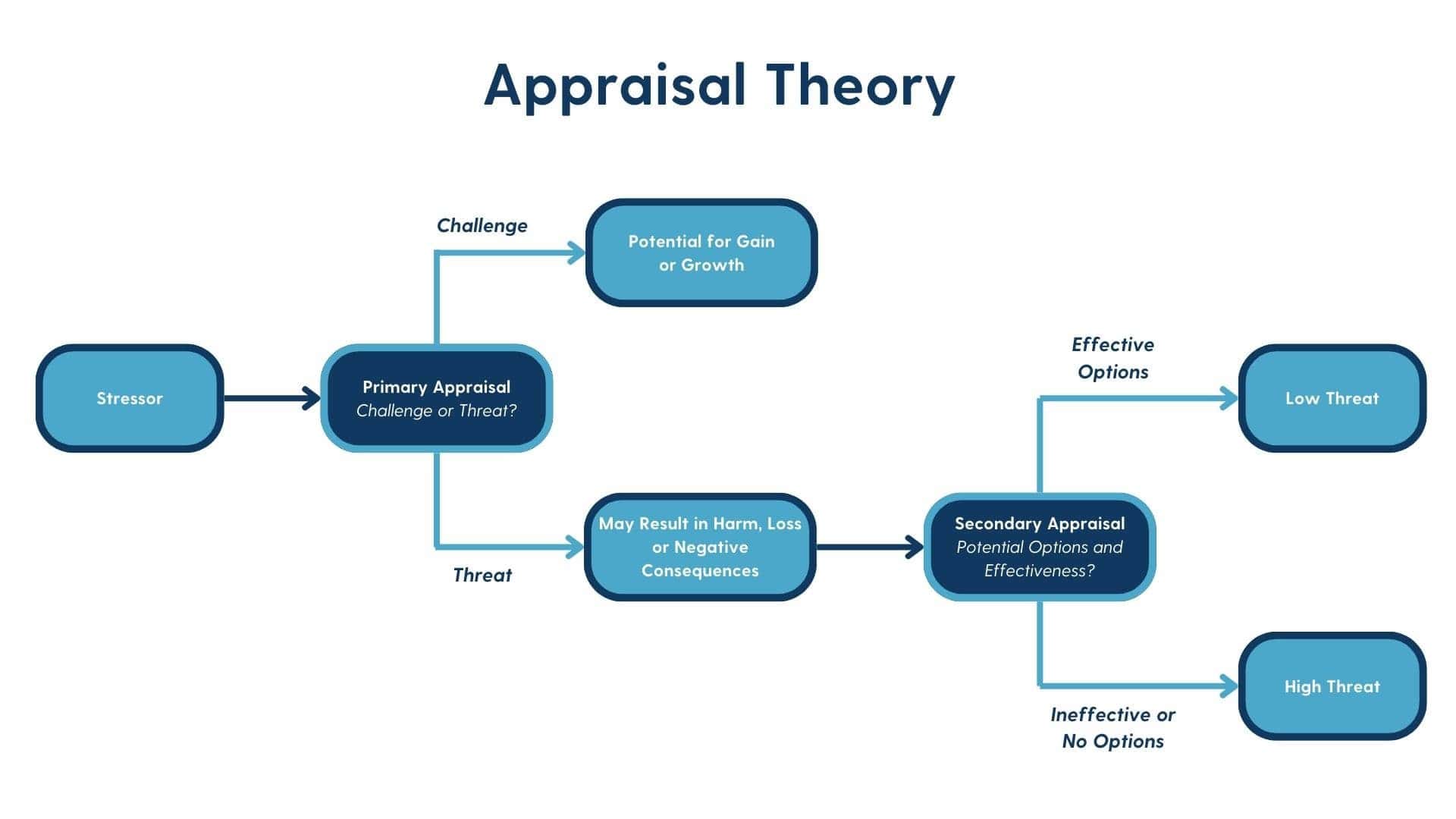
- The Cognitive Appraisal Model: Created by Richard Lazarus and Susan Folkman, this model posits that stress results from the interaction between an individual and their environment, involving primary appraisal (evaluating a stressor as a threat) and secondary appraisal (assessing one’s ability to cope). It encourages reframing situations to reduce perceived threats and build coping strategies.
- Mindfulness-Based Stress Reduction (MBSR): Created by Jon Kabat-Zinn, this structured program integrates mindfulness practices like meditation and body scans to enhance self-awareness and reduce reactivity to stressors, fostering a calmer, more focused mind.
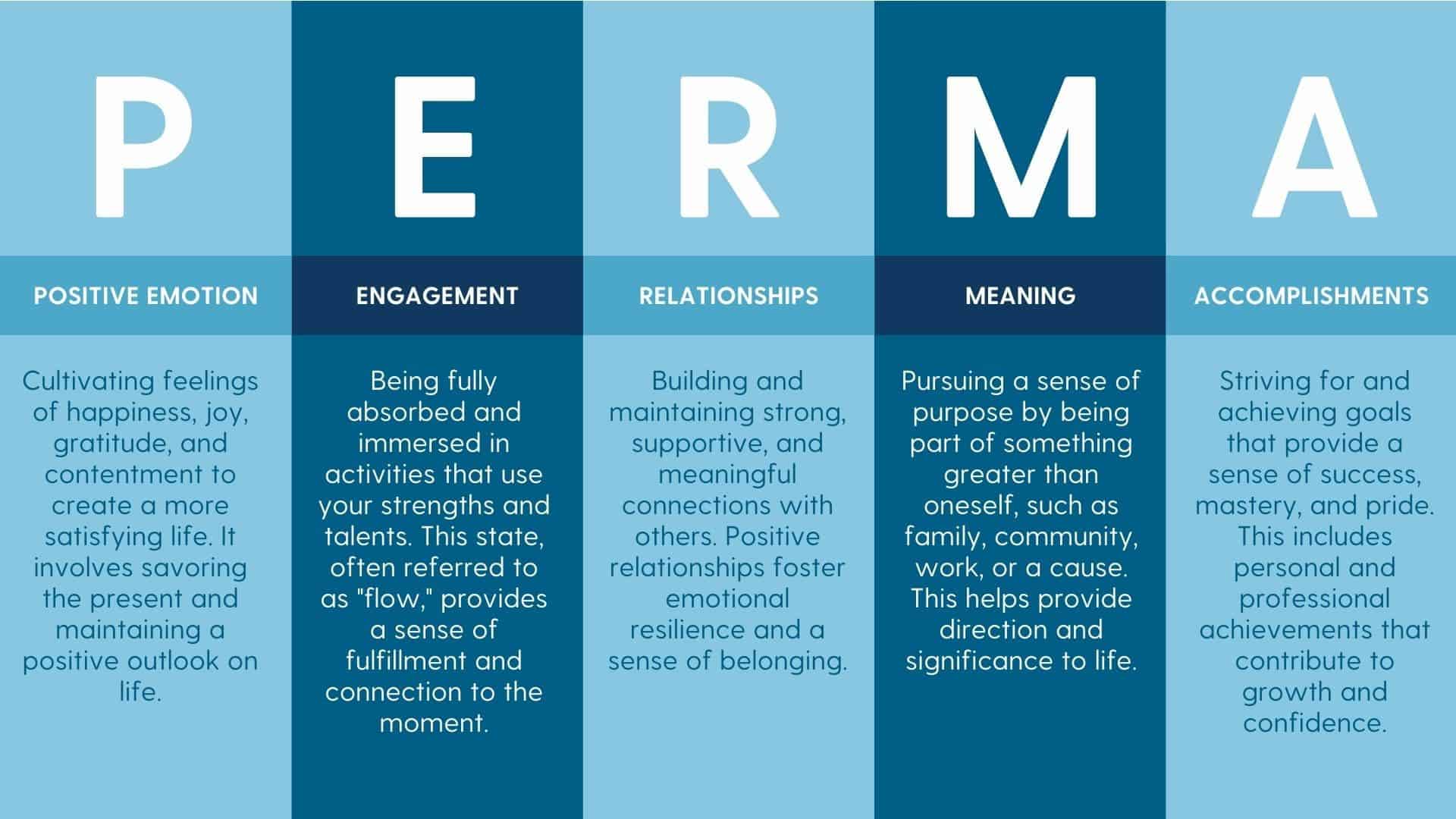
- The PERMA Model: Martin Seligman’s framework from Positive Psychology identifies five elements of well-being—Positive Emotions, Engagement, Relationships, Meaning, and Accomplishment—that indirectly reduce stress. Cultivating these elements enhances resilience and life satisfaction.
- The Job Demands-Resources Model (JD-R): Developed by Arnold Bakker and Evangelia Demerouti, this framework examines how job demands (e.g., workload) and resources (e.g., support) influence stress and burnout. It suggests balancing demands with resources to manage workplace stress effectively.


Stress Management in Leadership
Effective stress management can transform leadership by improving both individual well-being and team dynamics, as well as decision-making and organizational growth. Cultivating stress management skills allows leaders to create a resilient, innovative, and positive work environment while maintaining their personal energy and credibility. More specifically, stress management:
- Enhances Emotional Intelligence (EQ): Managing stress improves self-awareness, emotional regulation, and thoughtful responses to challenges. This leads to better communication, stronger relationships, and more effective conflict resolution, making managers more emotionally intelligent.
- Promotes Clearer Decision-Making: Chronic stress hampers cognitive functions like focus and problem-solving, but effective stress management enhances clarity and analytical thinking. This results in more strategic, objective decisions aligned with organizational goals.
- Builds Resilience and Adaptability: Stress management fosters resilience, enabling managers to recover quickly from setbacks and adapt to change. This steady and resourceful approach helps leaders navigate high-stakes situations with confidence.
- Fosters a Positive Team Environment: Leaders who manage stress model composure and create supportive atmospheres that boost team morale. This results in higher employee engagement, trust, and collaboration.
- Prevents Burnout and Boosts Energy: Stress management helps leaders maintain energy, motivation, and enthusiasm, preventing burnout and supporting sustainable leadership that inspires others.
- Improves Employee Support and Coaching: Managing stress equips leaders with the focus and empathy needed to understand and support their teams effectively. This ensures employees feel heard, valued, and motivated.
- Encourages Innovation and Risk-Taking: Stress management reduces fear-based thinking, enabling leaders to embrace experimentation and foster creativity within their teams, driving organizational growth.
- Strengthens Decision-Making Under Pressure: Leaders who manage stress can remain composed and prioritize effectively in high-stress situations. This ensures better outcomes during crises and challenging periods.
- Promotes Work-Life Balance: Stress management encourages leaders to establish healthier boundaries and maintain satisfaction. This balanced approach inspires teams to prioritize their own well-being.
- Increases Credibility and Trust: A calm, composed demeanor from leaders enhances credibility and reassures teams. This builds trust, loyalty, and alignment with leadership vision.

Image used under license from Shutterstock.com
Stress Management in Personal Development
Stress management plays a key role in career advancement as it enables us to perform at our best, build resilience, and maintain a reputation for reliability and effectiveness. Chronic stress can erode productivity, decision-making, and interpersonal skills, all of which are critical for career growth. Yet, managing stress effectively ensures we can consistently meet challenges, maintain focus, and deliver results under pressure.
One of the most significant impacts of stress management is on decision-making and problem-solving abilities. High stress levels often impair cognitive functions, leading to rushed or suboptimal choices. When we manage stress effectively, we become better equipped to analyze complex situations, weigh options, and make sound decisions—qualities highly valued in leadership roles. This composure under pressure can set us apart as dependable and strategic thinkers, key traits for career advancement.
Additionally, stress management enhances interpersonal skills, such as emotional intelligence, empathy, and communication. Stress often leads to irritability or withdrawal, which can damage professional relationships. Conversely, those who manage stress well are more likely to maintain positive interactions with colleagues, build trust, and foster collaboration. These qualities make us more effective team members and position us as potential leaders.
Finally, managing stress helps avoid burnout, ensuring sustained performance and long-term career progression. Burnout can derail career momentum, decrease productivity, and even cause career changes. By prioritizing stress management, we maintain our energy, motivation, and enthusiasm, enabling us to seize opportunities and excel in our roles over time. This proactive approach to well-being benefits personal health and signals to employers a commitment to personal and professional growth, further supporting career advancement.

Image used under license from Shutterstock.com
Conclusion
By embracing effective stress management techniques, we protect our mental and physical health and unlock our full potential. Whether through mindfulness, setting boundaries, or cultivating resilience, managing stress allows us to navigate life’s challenges with clarity and confidence. The goal isn’t to eliminate stress but to understand it and respond in a way that enhances our well-being and success. After all, a balanced mind is the foundation for a thriving career, meaningful relationships, and a fulfilling life.
Other Resources
- PathWise Book Summary: Burnout by Emily and Amelia Nagoski
- HBR: How to Recover from Stress, According to Science
- HBR: The Essentials – Dealing with Stress
- HBR: How to Stop Dwelling on Your Stress
- Forbes: How To Develop Effective Stress Management Techniques
- Forbes: Stress Management for Leaders
- TED Talk: How to Make Stress Your Friend
