

Have you ever found yourself buried in unnecessary meetings, repetitive tasks, or dealing with inefficient processes that seem to slow progress?
This is a common frustration many professionals face. But there is a way to eliminate these inefficiencies and focus only on what truly adds value: Lean Thinking. Originating from the Toyota Production System, Lean is a powerful methodology that proposes eliminating waste and streamlining operations to create value. While it started with a manufacturing focus, it can be applied in other activities and industries, and it can transform careers by improving productivity, decision-making, and leadership capabilities, ultimately advancing careers while driving success for teams and organizations.
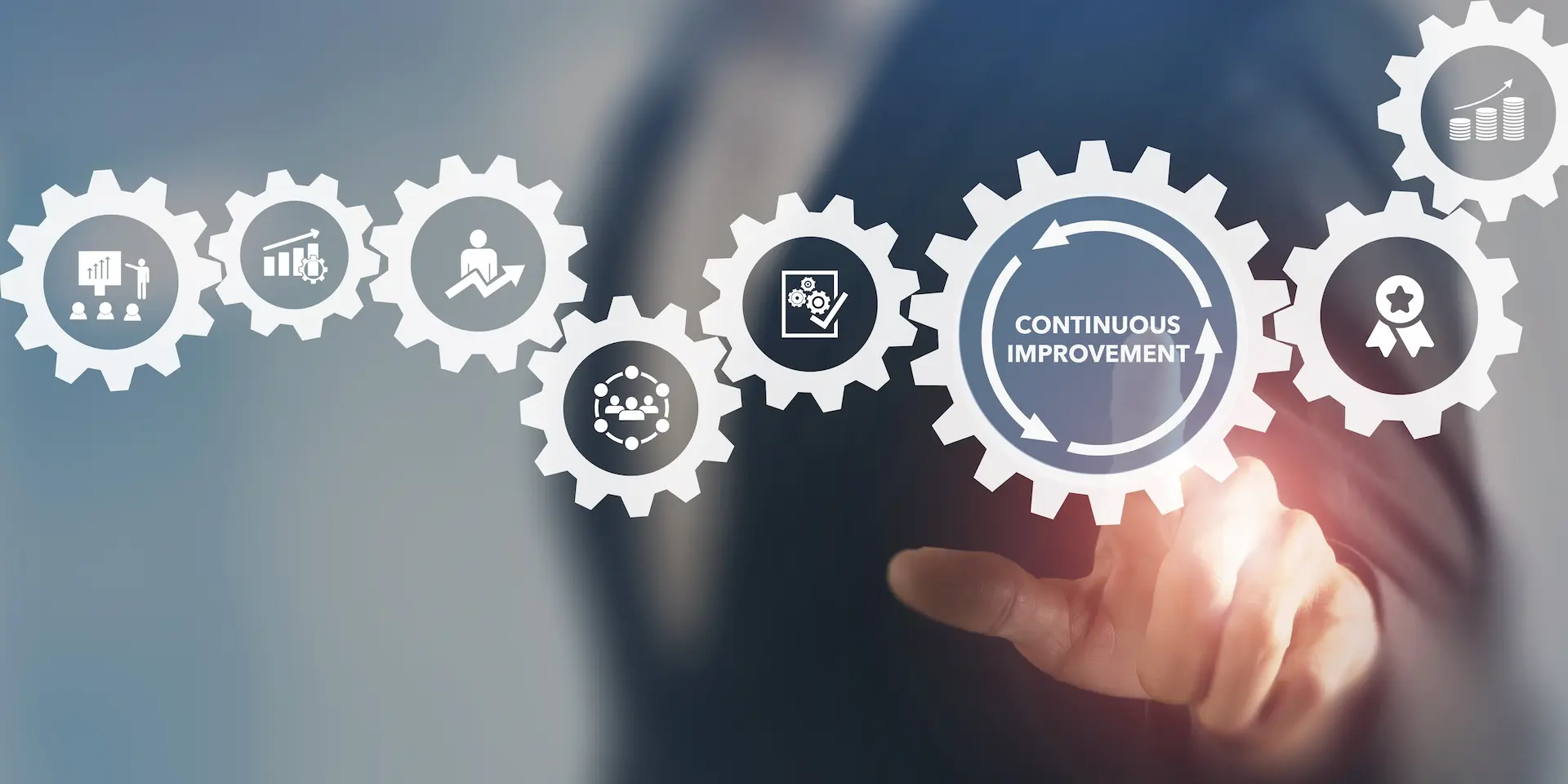
Image used under license from Shutterstock.com
What is Lean & Waste?
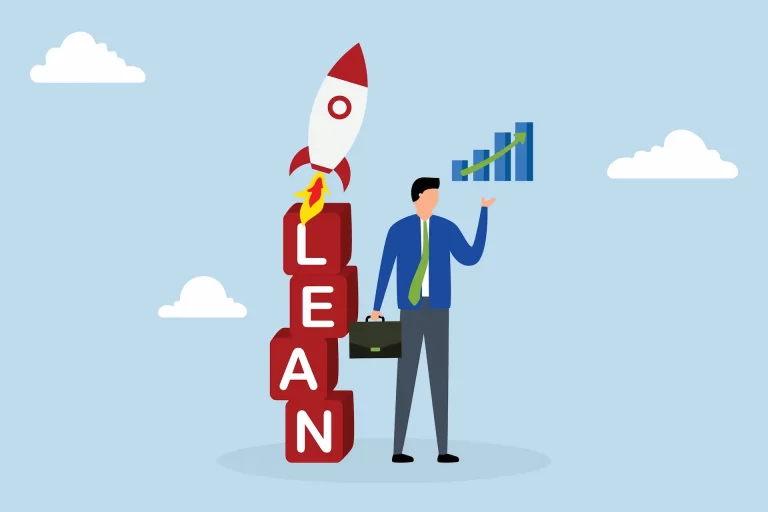
In the context of business and operations, Lean is a methodology focused on maximizing value while minimizing waste. It is widely used in manufacturing, services, and software development to improve efficiency and quality.
The five core principles of lean are:
- Identify Value: Understand what the customer values.
- Map the Value Stream: Analyze processes to find inefficiencies.
- Create Flow: Ensure work progresses smoothly without bottlenecks.
- Establish Pull: Produce only what is needed when it’s needed.
- Seek Perfection: Continuously improve by eliminating waste.
Lean defines waste as anything that does not add value to the customer. It helps organizations operate more efficiently by eliminating those elements, reducing costs, and improving quality so that businesses can deliver better products and services while using fewer resources. This leads to faster production times, higher customer satisfaction, and increased profitability.
Lean also fosters a culture of continuous improvement, encouraging employees to identify inefficiencies and innovate solutions, and enabling organizations to stay competitive and adapt to changing market demands.

Image used under license from Shutterstock.com
Thought Leaders
Several thought leaders have shaped Lean thinking and its applications across industries. Some of these people include:
- Taiichi Ohno: Often called the father of Lean Manufacturing, he was the creator of the Toyota Production System (TPS), which emphasized reducing waste (muda), improving flow, and creating a pull-based system to enhance efficiency. His work revolutionized manufacturing and laid the foundation for modern Lean principles applied across industries.
- Shigeo Shingo: A key contributor to TPS, he developed Poka-Yoke (mistake-proofing) to prevent defects before they happen and the Single-Minute Exchange of Die (SMED)system, which drastically reduced changeover times in manufacturing. His innovations helped Toyota achieve just-in-time production and rapid adaptability.
- James P. Womack & Daniel T. Jones: Co-authors of The Machine That Changed the Worldand Lean Thinking, they studied Toyota’s methods and played a significant role in spreading Lean principles to industries beyond manufacturing, including healthcare, government, and software development. They emphasized the importance of customer value and continuous improvement.
- John Shook: A former Toyota manager and author of Managing to Learn, he was the first American employee at Toyota’s headquarters in Japan. He later led the Lean Enterprise Institute (LEI) and played a crucial role in adapting Lean for leadership development, problem-solving, and change management in organizations.
- Jeffrey Liker: An expert in Lean philosophy and author of The Toyota Way, he extensively studied Toyota’s management principles and how they can be applied to various industries. His work emphasizes long-term thinking, respect for people, and a culture of continuous improvement.
- Mary & Tom Poppendieck: Pioneers in Lean Software Development, they adapted Lean manufacturing principles to the software industry, emphasizing fast feedback loops, iterative development, and eliminating unnecessary processes. Their work has influenced modern agile and DevOps practices.
- Bob Fifer: Author of Double Your Profits: In Six Months or Less, he focuses on Lean from a financial perspective, emphasizing aggressive cost-cutting, eliminating wasteful spending, and focusing only on activities that drive profitability. His work aligns with Lean principles by prioritizing value-adding processes while cutting unnecessary expenses.
- Karen Martin: A Lean expert and author of The Outstanding Organization, she specializes in applying Lean principles to business operations, healthcare, and leadership development. She focuses on improving clarity, discipline, and process efficiency to create high-performing organizations.
- Mike Rother: Author of Toyota Kata, he has contributed to Lean thinking by emphasizing scientific problem-solving and continuous improvement routines. His work highlights how organizations can develop a culture of ongoing learning and adaptation by practicing structured improvement patterns.
- Eric Ries: Entrepreneur and author of The Lean Startup, he adapted Lean principles for the world of startups and innovation. Ries emphasized the importance of minimizing waste by building “minimum viable products” (MVPs) to quickly test ideas with real customers. His approach focuses on rapid iteration, validated learning, and pivoting based on feedback, helping organizations innovate more efficiently under conditions of extreme uncertainty.
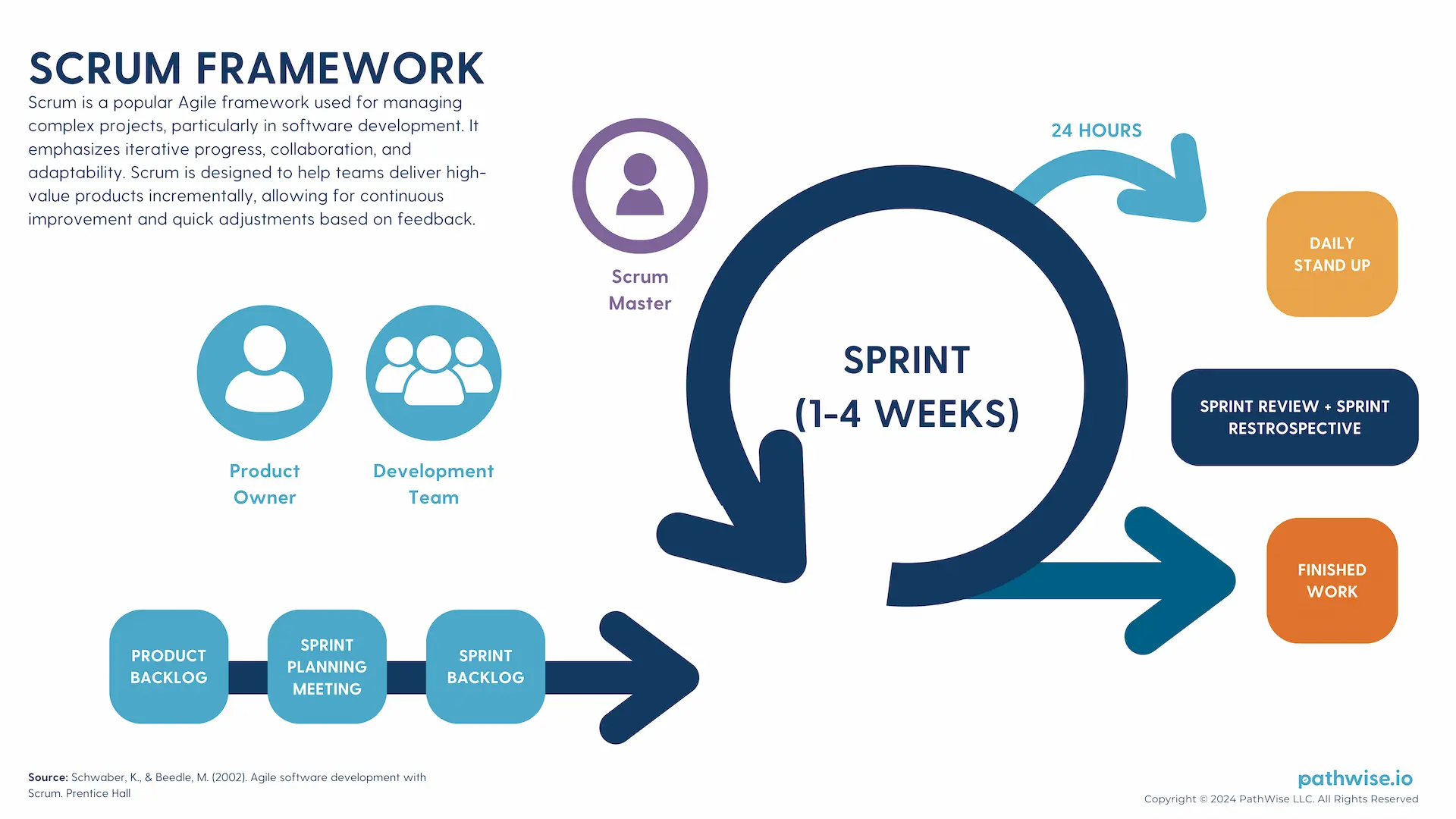
- Ken Schwaber & Jeff Sutherland: Co-creators of Scrum, they applied Lean thinking to software development by promoting lightweight frameworks that emphasize speed, adaptability, and eliminating wasteful practices. Scrum encourages frequent inspection, adaptation, and delivering small increments of work to maximize customer value. Their work helped move software development away from heavy, wasteful processes toward
more flexible, customer-focused approaches.
Key Frameworks
Several key frameworks and models align with Lean principles and waste reduction to improve business operations and drive continuous improvement. These provide a comprehensive toolkit for both organizations and individuals to eliminate waste, optimize processes, and improve overall performance. The following are a few of these models that can be applied to various contexts, from manufacturing to software development and leadership.
- The Toyota Production System (TPS): The foundational framework of Lean, TPS is built on two main pillars: Just-in-Time (JIT) production and Jidoka (automation with a human touch). JIT refers to producing only what is needed when it’s needed, in the right quantity. Jidoka is about empowering workers to stop the process when issues occur to prevent defects.
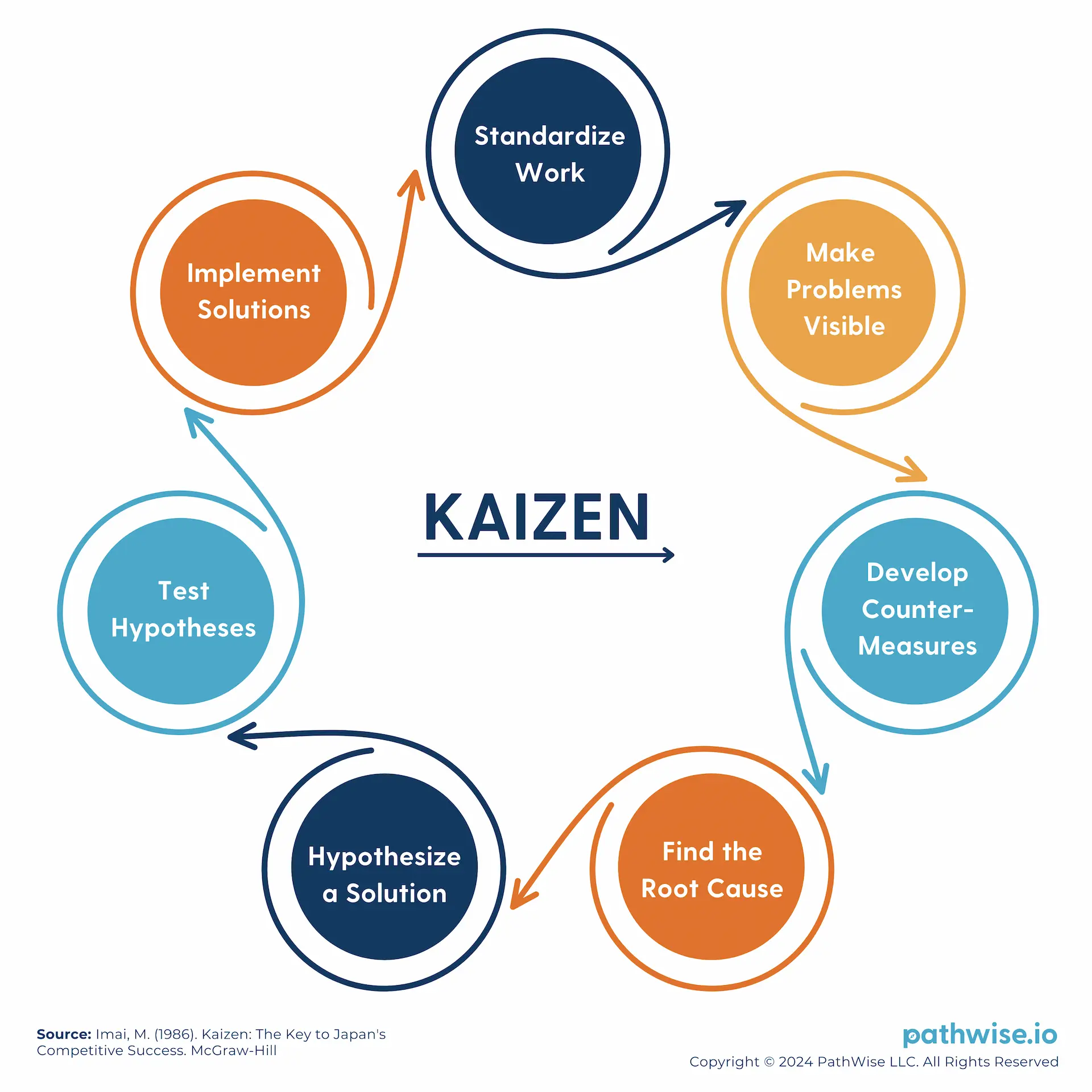
- Kaizen: This concept emphasizes small, incremental changes over time that lead to significant improvements. It encourages a mindset of continuous learning and adapting to better ways of working. Employee involvement is crucial, as everyone in the organization is encouraged to contribute ideas for improvement.
- Value Stream Mapping (VSM): This tool helps organizations visualize and analyze the flow of materials and information through a process to identify waste. The goal of mapping out each step is for teams to pinpoint areas where waste occurs and opportunities for improvement.
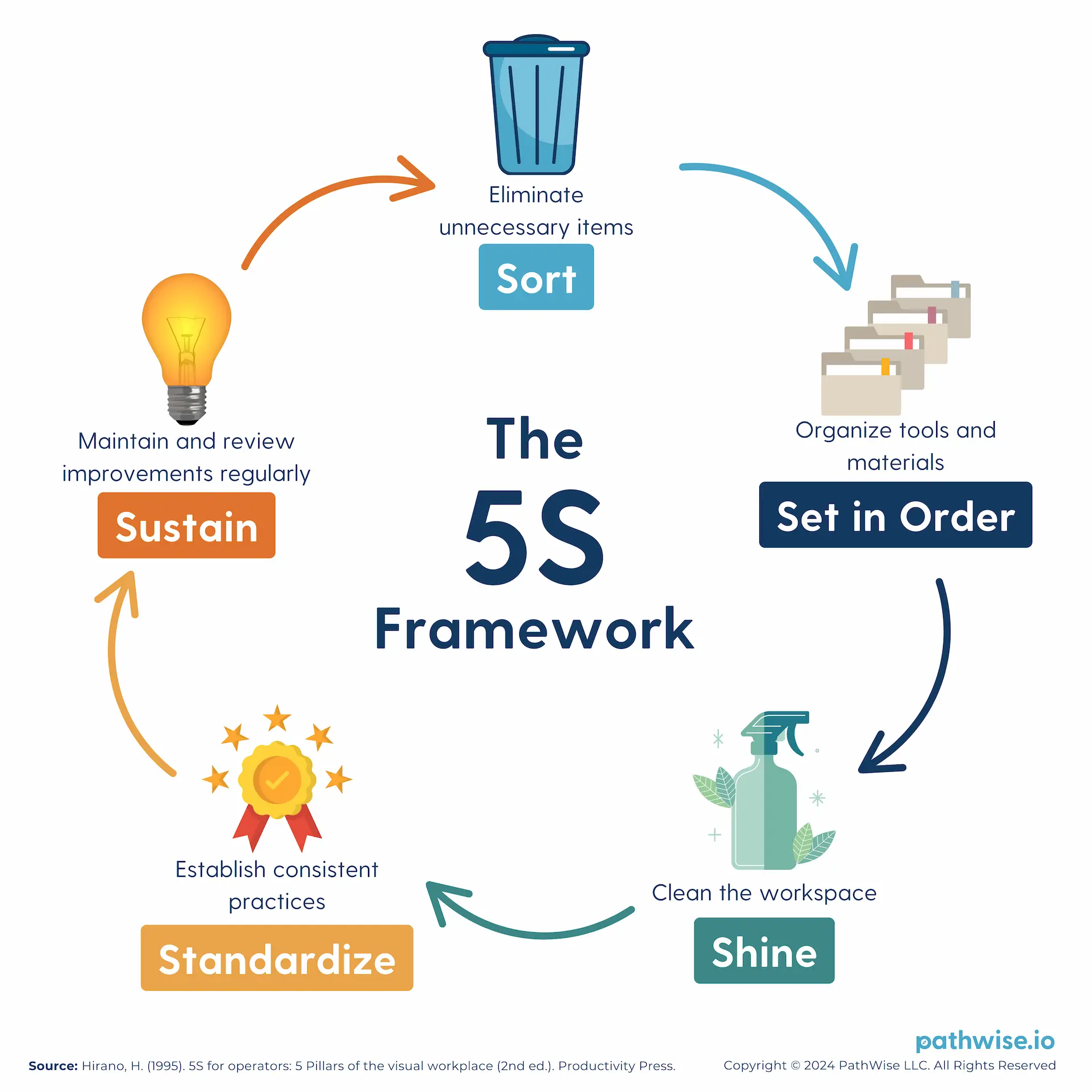
- The 5S Framework: A Lean methodology aimed at organizing and standardizing the workplace to increase efficiency, reduce waste, and improve safety. It emphasizes cleanliness and order.
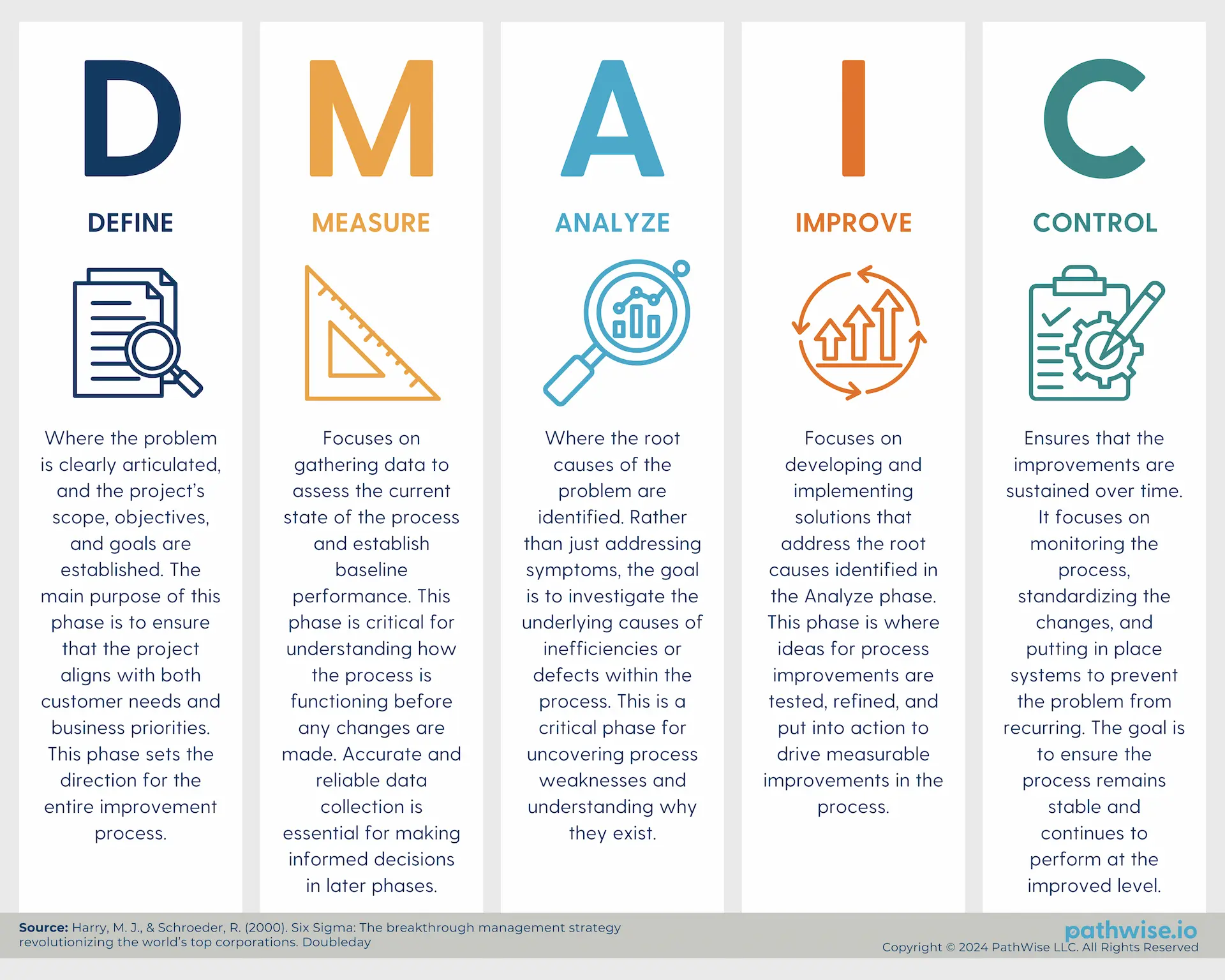
- Six Sigma (DMAIC): Although not strictly Lean, Six Sigma complements Lean by focusing on reducing defects and variability in processes. The DMAIC framework is used for problem-solving and improving processes. The acronym stands for Define, Measure, Analyze, Improve, and Control. This model works well alongside Lean because it complements its focus on waste reduction by ensuring that processes are also optimized for quality.
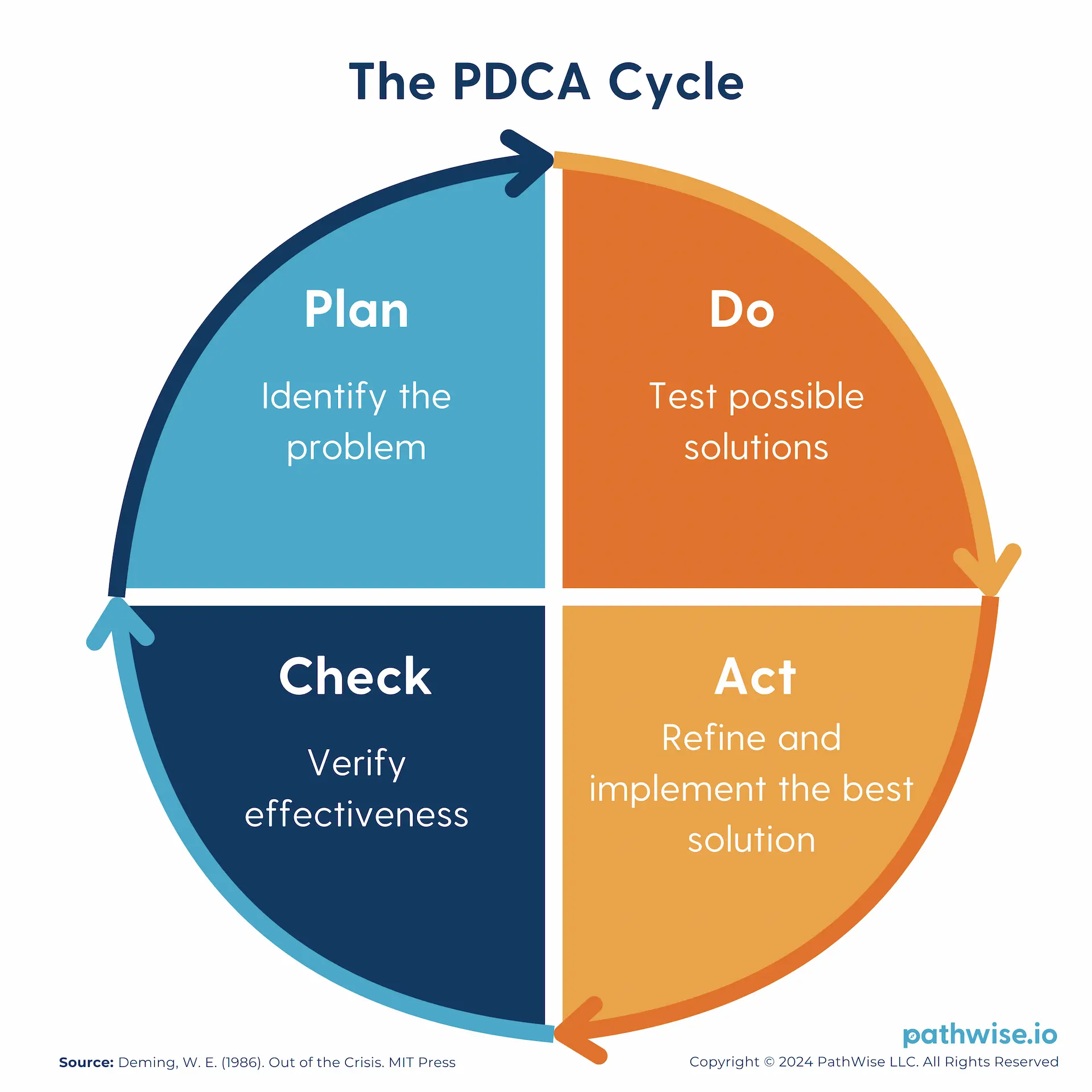
- PDCA (Plan-Do-Check-Act): This is a cyclical model for continuous improvement that encourages testing hypotheses, monitoring results, and adapting based on feedback.
- The 8 Wastes (TIMWOODS): Identifying waste is central to Lean. This model categorizes waste into eight types, each representing inefficiency that detracts from value.
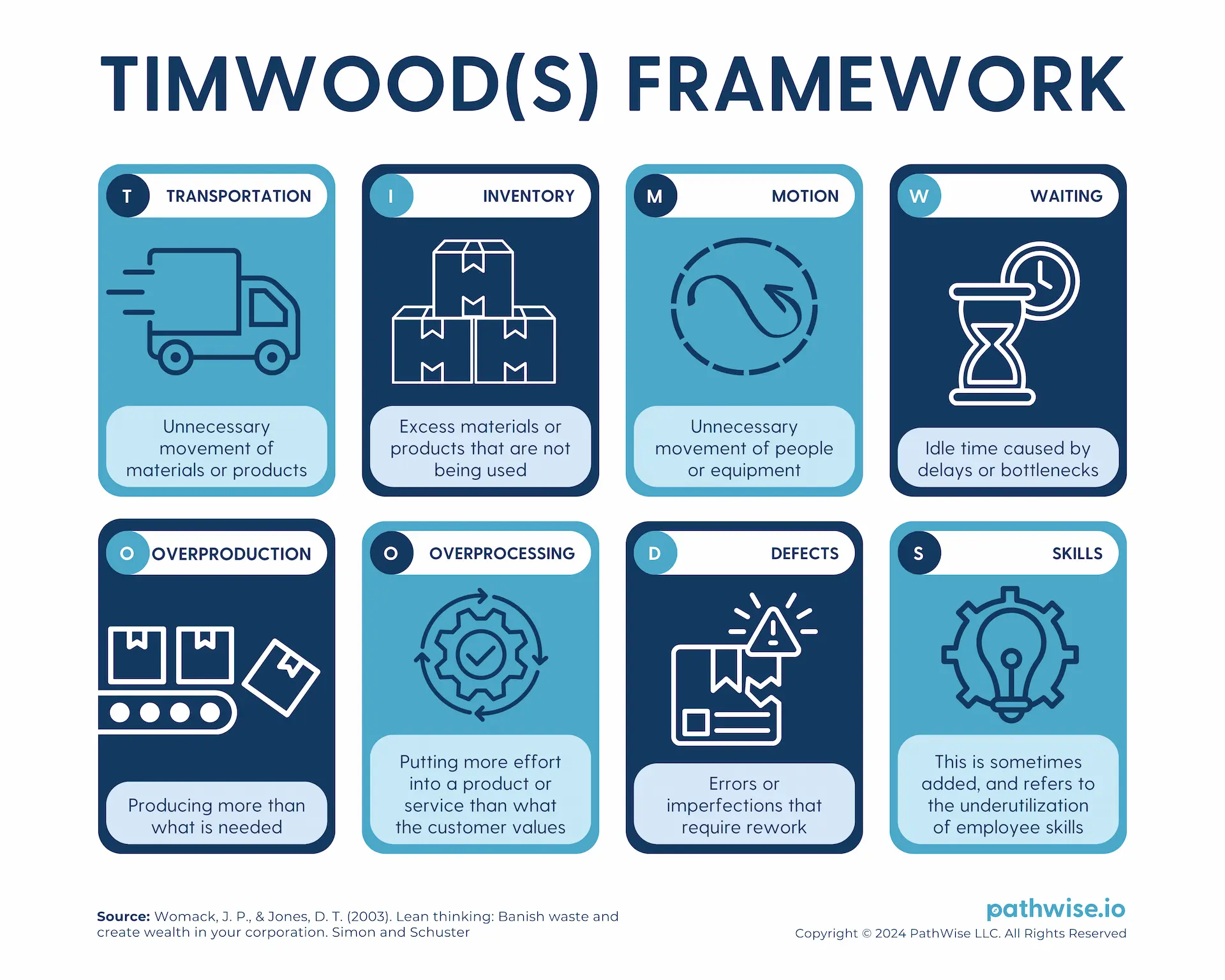
- Hoshin Kanri (Policy Deployment): A strategic planning process that ensures an organization’s goals are aligned at all levels. Hoshin Kanri focuses on cascading objectives from top management to frontline employees, promoting alignment and continuous organizational improvement. Key concepts include Catchball and X-Matrix. The first is a process of mutual communication where ideas and decisions are passed back and forth to ensure understanding and alignment. The latter is visual tool used to map out and align strategic goals, objectives, and initiatives.
Lean & Waste in Leadership
The relationship between Lean, waste, and management is central to effective leadership because Lean principles provide a structured approach to optimizing resources, improving efficiency, and fostering a culture of continuous improvement. And by integrating Lean into management, leaders become more strategic, effective, and people-focused, ultimately improving both business performance and workplace morale.
Lean helps managers become better leaders by:
- Focusing on Value: Lean teaches managers to identify and prioritize activities that create value for customers, employees, and stakeholders. Managers can allocate time and resources more effectively by eliminating waste (e.g., unnecessary meetings, redundant processes, and excessive bureaucracy).
- Empowering Teams: Lean leadership encourages servant leadership, where managers support employees by removing obstacles and enabling them to do their best work. This fosters engagement, problem-solving, and accountability at all levels.
- Data-Driven Decision-Making: Lean principles promote fact-based problem-solving rather than relying on assumptions. Tools like value stream mapping, Kaizen (continuous improvement), and PDCA (Plan-Do-Check-Act) help managers make informed decisions.
- Encouraging a Growth Mindset: Lean promotes experimentation and learning from failures. Managers who embrace this mindset encourage innovation, helping teams adapt to challenges and improve over time.
- Reducing Waste to Increase Productivity: Managers who understand the eight wastes (TIMWOODS) can identify workflow inefficiencies and eliminate unnecessary tasks, leading to higher productivity, reduced stress, and better results.
- Creating a Culture of Continuous Improvement: Lean-trained managers foster a mindset of ongoing learning and process improvement. This makes organizations more agile and resilient.

Image used under license from Shutterstock.com
Lean & Waste in Personal Development
Applying Lean principles to professional development helps us streamline work, enhance our skills, and demonstrate leadership, all of which contribute to career growth. One of the key benefits is efficiency and productivity. For instance, understanding the eight wastes (TIMWOODS) helps us recognize inefficiencies in our daily tasks, such as redundant processes or excessive multitasking. This frees up time to focus on high-impact work, strategic thinking, and skill-building, making us more valuable to our organizations and increasing our chances of promotion.
Lean also fosters continuous improvement (Kaizen), which is crucial for professional growth. By adopting a mindset of learning and experimentation, we can seek out new skills, refine our problem-solving abilities, and adapt to changing work environments. This proactive approach demonstrates initiative and leadership, positioning us as indispensable assets to our teams.
Lean encourages data-driven decision-making and problem-solving, which are highly valued skills in leadership roles. Applying Lean methodologies can help analyze challenges, identify root causes, and implement effective solutions rather than reacting impulsively. This structured approach improves performance and builds credibility and trust with managers and stakeholders. It also fosters collaboration and communication as streamlining processes and eliminating inefficiencies, helps us work more effectively with colleagues, lead projects more successfully, and develop strong relationships with mentors and sponsors. This ability to drive positive change and contribute meaningfully to an organization increases career advancement opportunities.

Image used under license from Shutterstock.com
Conclusion
Beyond improving operational efficiencies, embracing Lean principles will pave the way for professional growth and career advancement. We can enhance productivity, decision-making, and leadership skills by eliminating waste, improving workflows, and fostering continuous improvement. This will make us more effective in our current roles and position us for greater opportunities and leadership positions in the future. As organizations increasingly value efficiency, adaptability, and innovation, understanding and applying Lean thinking will contribute to our companies’ success and drive our own career success. Lean is not simply about doing more with less but about doing more of what matters more—and excelling at it.
