


Communication in the Workplace
Communication is the exchange of information, ideas, thoughts, and feelings between individuals. In the workplace, such communication might be among individuals and their colleagues, superiors, subordinates, or external stakeholders. While it may appear obvious that communication is critical – in almost any field – many people in the workforce neglect developing their communication skills.
Effective communication is crucial in career management as it directly impacts your ability to succeed and advance in your career. It influences relationships, problem-solving, leadership, advancement opportunities, professional development, personal brand, adaptability, and goal achievement. Simply put, developing strong communication skills is crucial for long-term career success and personal growth.

Communication for Career Management, Leadership, & Professional Development
Communication skills have an impact on several areas of your career journey.
- Building relationships: Effective communication helps you build and maintain positive relationships with your colleagues, superiors, and subordinates. Strong relationships can lead to support, mentorship, and valuable networking opportunities essential for career growth.
- Problem-solving: Effective communication is critical to resolving conflicts, addressing workplace challenges, and finding solutions to problems. When you can communicate clearly and collaboratively, you’re more likely to overcome obstacles and demonstrate problem-solving skills that can be highly valued in your career.
- Career advancement: Communicating effectively is often seen as a critical skill for career advancement. It’s not just about speaking clearly but also about listening actively and empathetically. When you can convey your ideas, actively listen to others’ perspectives, and collaborate successfully, you will be more likely to be considered for promotions and leadership roles.
- Professional development: Effective communication is a fundamental skill for professional development. It helps you seek feedback, learn from your experiences, and continuously improve your skills and knowledge. Clear communication with mentors, colleagues, and supervisors can provide valuable insights and guidance.
- Adaptability: In today’s dynamic and globalized workplace, communicating effectively with people from diverse backgrounds and cultures is valuable. Adaptability in communication helps you work in cross-functional teams, handle international business relationships, and navigate changing work environments.
- Leadership: Good communication is necessary for effective leadership. Leaders who can articulate their vision, set clear expectations, and motivate their teams are likelier to succeed in their careers. Strong communication skills also enhance your ability to influence others and positively impact the workplace.
- Personal brand and reputation: Your verbal and written communication style contributes to your personal brand and reputation in the workplace. Being known as a good communicator can enhance your credibility and trustworthiness, which are essential to career success.
Communication Thought Leaders
Communication is a broad topic, and countless people have written, spoken, and taught on this topic. Better-known thought leaders in the intersection of communication and career management and development have made significant contributions through their research, publications, and public speaking. Some of these individuals include:
- Dale Carnegie: Known for his 1936 book, How to Win Friends and Influence People, Dale Carnegie’s interpersonal communication and relationship-building principles have been widely influential in personal and professional settings. Decades after his death, this book remains a personal development classic.
- Deborah Tannen: A linguist and author, Tannen has written extensively on communication styles (linking to the Myers-Briggs Type Indicator in some cases) and gender differences. Her work helps individuals understand and navigate various communication challenges in the workplace. She is likely best known for her book, Please Understand Me.
- Susan Scott: Author of Fierce Conversations, Scott emphasizes the importance of honest and impactful conversations in the workplace, helping individuals and organizations improve communication and collaboration.
- Alison Green: As the creator of the Ask a Manager blog, Green provides advice and insights on workplace communication, including handling difficult conversations, managing interpersonal dynamics, and navigating career challenges.
- David Maxfield and Joseph Grenny: Co-authors of Crucial Conversations, Maxfield and Grenny focus on communication skills for handling high-stakes conversations and addressing critical issues in the workplace.
- Adam Grant: An organizational psychologist and author, Grant explores various aspects of communication, including the power of giving, taking, and matching in the workplace. His research has implications for career management and interpersonal dynamics.
- Kim Scott: An author, entrepreneur, and leadership consultant renowned for her book, Radical Candor, Scott introduces a management philosophy emphasizing honest and caring feedback in the workplace. With a background in the tech industry, including roles at Google and Apple, Scott’s experiences have led her to develop a leadership framework that encourages leaders to provide direct, empathetic feedback to their team members, promoting personal and professional growth while maintaining a positive work environment.
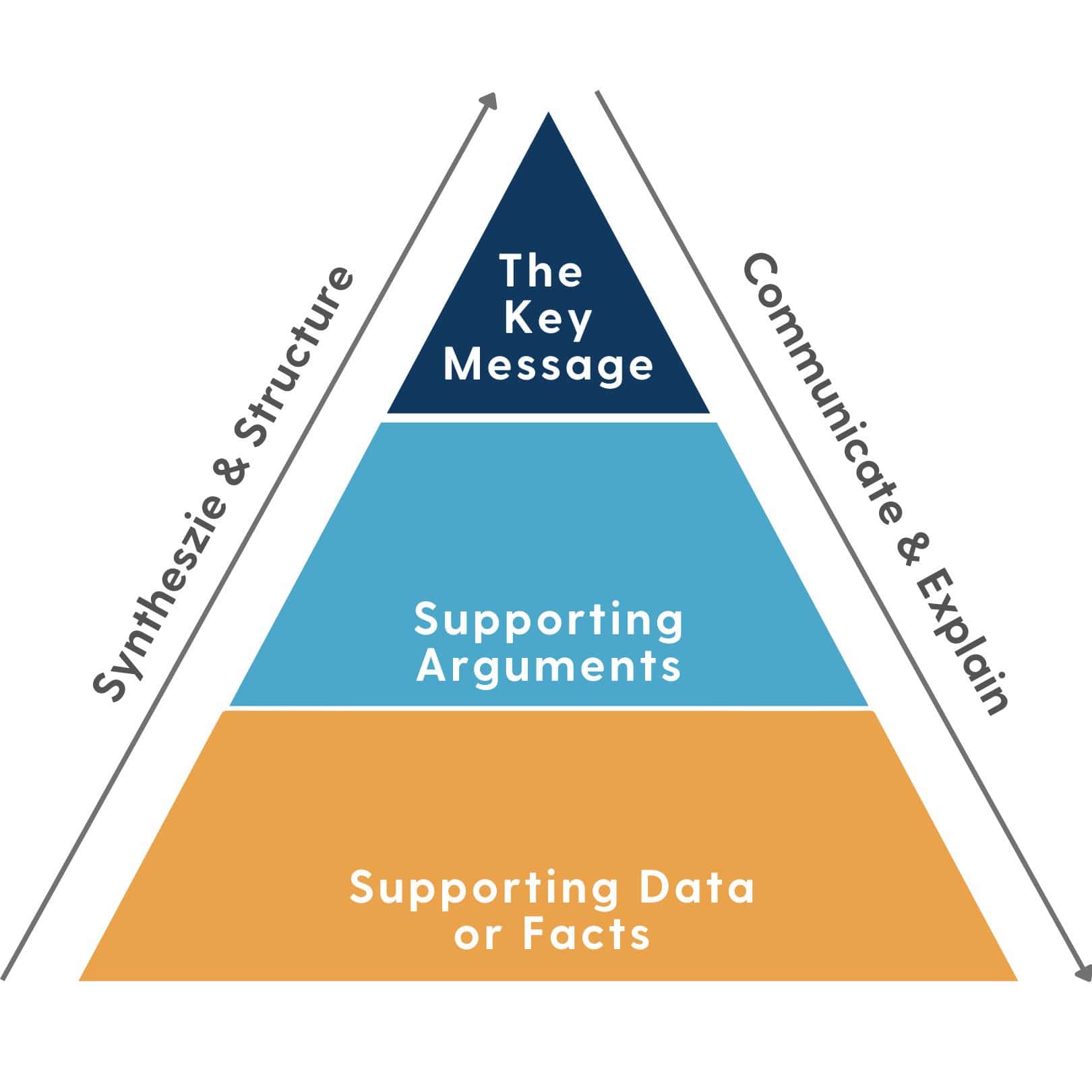
- Barbara Minto: A business consultant and author best known for developing the Pyramid Principle, a communication technique that advocates structuring information in a pyramid-shaped format to enhance clarity and logical flow in written and oral communication. Her method has been widely adopted in business communication and consulting.
- Gene Zelazny: A communications expert and author known for his work on the visual display of quantitative information, particularly in business presentations. He authored Say It with Charts, and is recognized for his contributions to the effective use of charts and graphics to convey complex information clearly and compellingly.
- Vinh Giang is a notable communication expert whose videos, classes, and conferences are gaining prominence on TikTok. Giang is a motivational speaker, entrepreneur, and magician known for combining magic and storytelling to deliver powerful messages about communication, influence, and personal growth. He is a popular speaker at corporate events and conferences, where he uses his background in magic to illustrate the principles of effective communication, the power of perception, and the importance of embracing change and adaptability.
Key Frameworks
Several communication frameworks and models can be valuable in the context of career management, helping individuals effectively navigate the workplace, build relationships, and advance in their careers. Here are some representative communication frameworks that can be helpful:
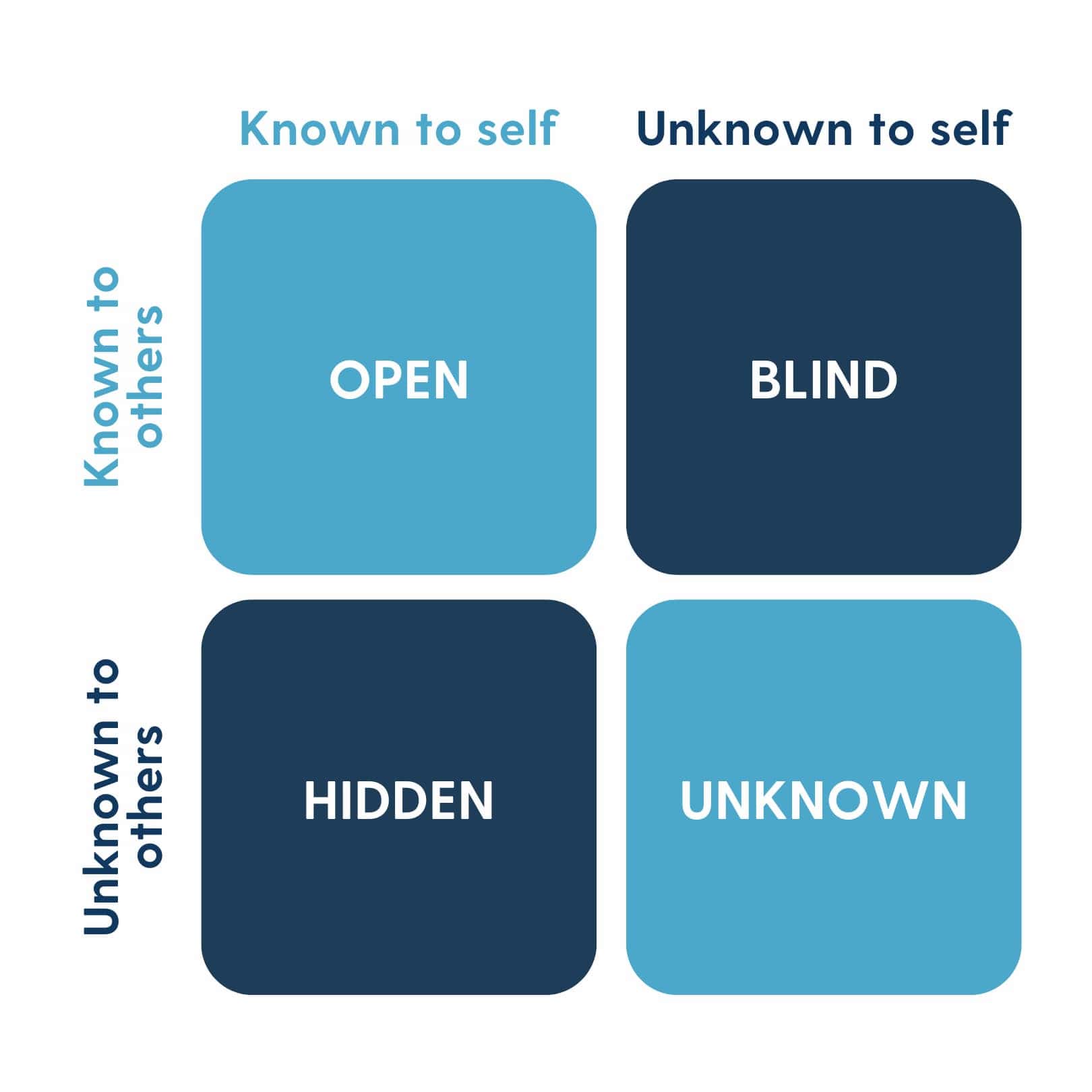
- The Johari Window is a psychological model visually representing an individual’s or group’s self-awareness through a four-quadrant grid. The quadrants are labeled as Open (known to self and others), Blind Spot (known to others but not to self), Hidden (known to self but not to others), and Unknown (neither known to self nor others). The model is used to encourage self-awareness, increase open communication, and improve interpersonal relationships by expanding the Open quadrant while reducing the Blind Spot, Hidden, and Unknown areas through feedback, self-disclosure, and personal growth.
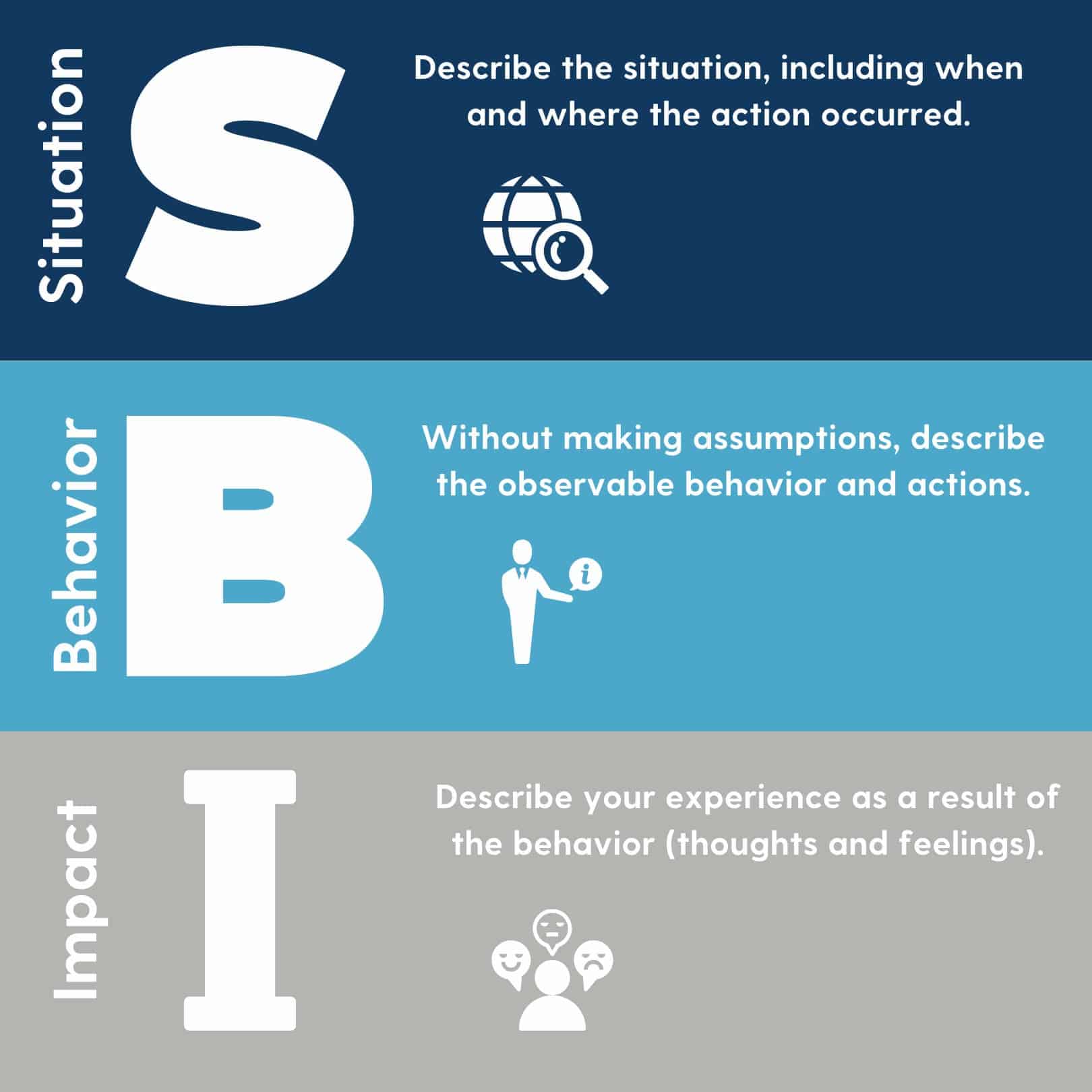
- The SBI (Situation, Behavior, Impact) Model is a framework for delivering constructive feedback. It helps individuals structure feedback by describing the situation, specific behavior, and the impact of that behavior on the person or the organization.
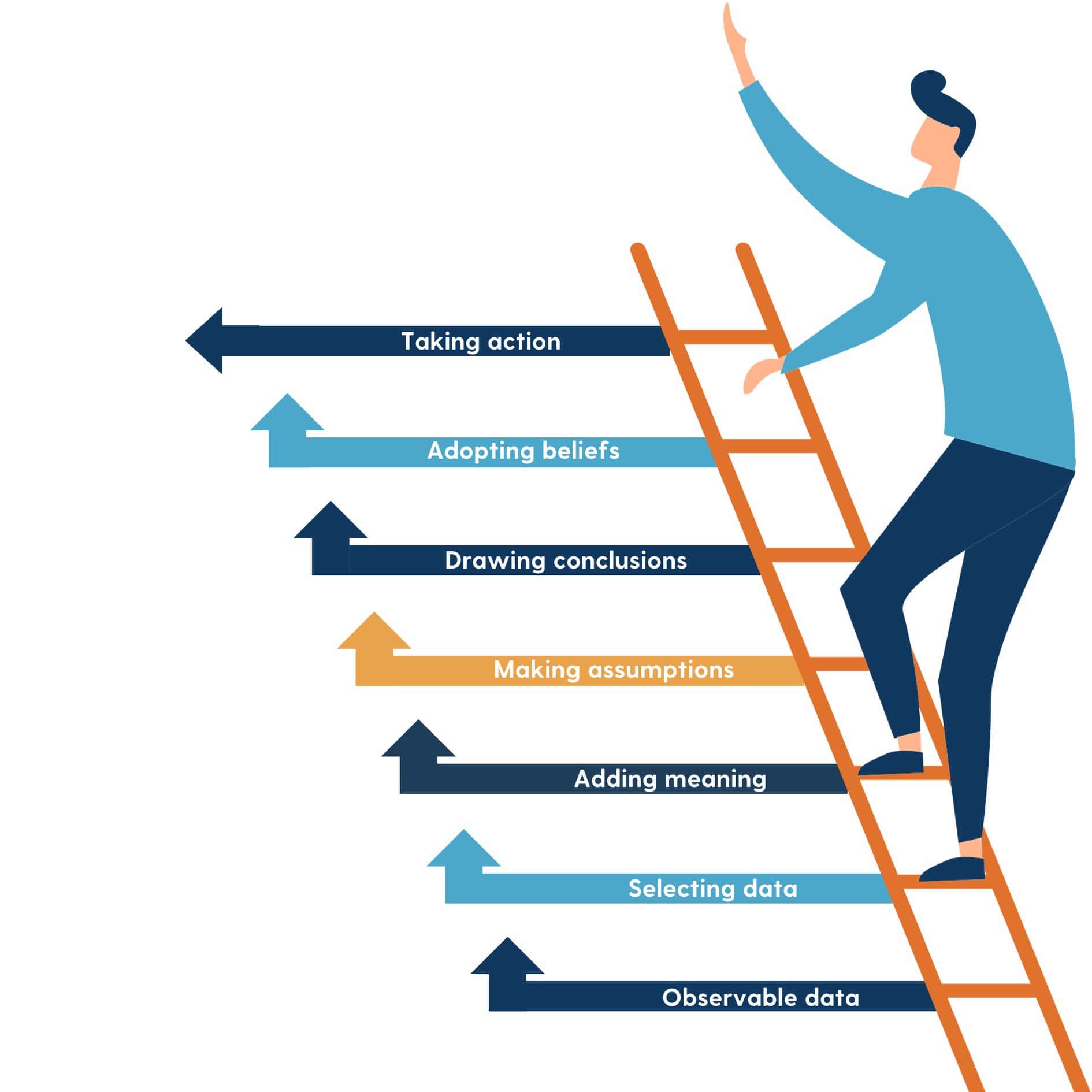
- The Ladder of Inference, developed by organizational psychologist Chris Argyris, helps individuals understand their thought processes and assumptions when interpreting information. It’s valuable for self-reflection and improving communication by promoting more accurate understanding.
- The Pyramid Principle, developed by Barbara Minto, is often used in business communication. It involves structuring communication by starting with the main point and supporting it with a logical hierarchy of ideas.
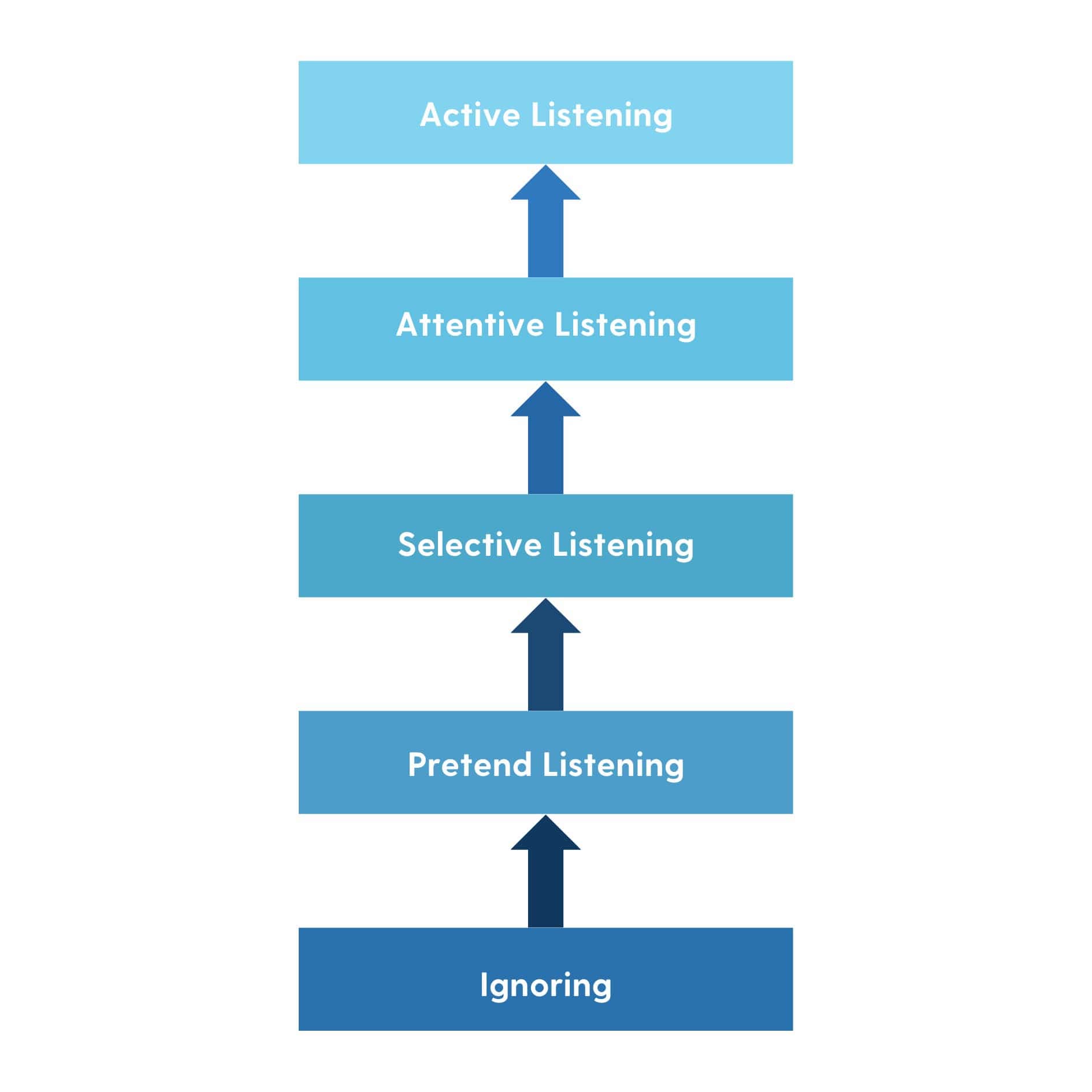
- Covey’s Five Levels of Listening, developed by Stephen Covey, classifies listening into five levels, ranging from ignoring and pretending to selective, attentive and activelistening. It emphasizes the importance of empathetic listening for effective communication.


Communication is a broad topic, and we’ve undoubtedly only scratched the surface, but hopefully, the list of thought leaders and frameworks we’ve shared will spark some thoughts on how you can sharpen your communication skills.
Other Resources:
- Forbes: Effective Leadership and Listening
https://www.forbes.com/sites/forbescoachescouncil/2020/02/04/the-sixth-commandment-of-highly-effective-leadership-be-an-effective-listener/?sh=4486b07a7291 - LinkedIn: the Pyramid Principle
https://www.linkedin.com/pulse/pyramid-principle-explained-heba-abusedou/ - HBR: How Communication Drives Performance
https://hbr.org/2009/11/new-study-how-communication-dr - HBR: How Great Leaders Communicate
https://hbr.org/2022/11/how-great-leaders-communicate - Forbes: 10 Tips for Effective Communication in the Workplace
https://www.forbes.com/advisor/business/effective-communication-workplace/ - Forbes: The State Of Workplace Communication In 2023
https://www.forbes.com/advisor/business/digital-communication-workplace/ - Forbes: Five Steps to Great Workplace Communication
https://www.forbes.com/sites/forbescoachescouncil/2022/04/12/five-steps-to-great-workplace-communication/
