


Work and business are changing. The rise of entrepreneurship, the broadening ecosystem of support for start-ups and small business owners, and the gig economy are all reshaping traditional paradigms. For instance, more and more, new entrant innovators are disrupting industries and their incumbents. At a more micro level, people are increasingly embracing freelance opportunities, sparking a new era of economic dynamism. But what exactly does entrepreneurship entail, and how do it impact our lives?
What is entrepreneurship?
Entrepreneurship is the process of creating, developing, and managing a business venture, typically to generate profit. Entrepreneurs identify opportunities, take risks, and mobilize resources to bring their innovative ideas to life. While entrepreneurship is as old as commerce itself, it has taken on a more modern form and plays a key role in opportunity enablement at the individual level and job creation at the economic level.
Entrepreneurship involves activities such as:
- Identifying opportunities: Entrepreneurs often spot gaps in the market or identify needs not adequately met by existing businesses, products, or services.
- Innovation: Entrepreneurs develop new products, services, or business models that offer unique solutions and improvements over existing offerings.
- Risk-taking: Entrepreneurship inherently involves taking risks (financial, personal, or professional). Entrepreneurs are willing to take calculated risks to pursue their vision and chase financial success.
- Resource mobilization: Entrepreneurs gather and allocate resources such as capital, talent, and technology to bring their ideas to fruition.
- Management: Entrepreneurs manage various aspects of their businesses, including operations, finances, marketing, and human resources.
- Adaptability: Entrepreneurship often requires flexibility and the ability to adapt to changing market conditions, consumer preferences, and competitive landscapes.
Entrepreneurship is a dynamic and multifaceted effort, and key in driving innovation, economic growth, and societal development. But over the past few decades, it has impacted the economy in ways not seen since the “robber baron” days of the late 19th century, when modern business was first born.

What is the entrepreneurial economy?
The entrepreneurial economy refers to an economic system characterized by high entrepreneurial activity, innovation, and dynamism. What this means is that entrepreneurship is now playing a more central role in driving economic growth, job creation, and innovation. One need only think of companies like Google, Meta, Amazon, and Nvidia, which are today among the biggest companies in the world by market capitalization and all roughly 30 years old or less.
Key features include:
- Start-up Culture: A thriving culture of entrepreneurship exists in many countries, with a large number of individuals starting businesses and pursuing innovative ventures.
- Job Creation: Entrepreneurs significantly contribute to job creation, as new businesses and ventures by nature require additional workforce to support their growth.
- Risk Capital: Ready access to risk capital exists, such as in the forms of venture capital and angel investment, to fund entrepreneurial ventures and stimulate their growth.
- Support Ecosystem: An entrepreneurial economy is supported by a robust ecosystem that includes incubators, accelerators, co-working spaces, mentorship programs, and networking opportunities to nurture and support aspiring entrepreneurs.
Small businesses are also key components of the entrepreneurial economy. They are independently owned and operated enterprises with fewer employees and lower revenue than giant corporations, but due to a thriving support infrastructure, they’re becoming increasingly common.
The increase in entrepreneurial endeavors has also resulted in what has been termed the Gig Economy.

What is the gig economy?
This labor market comprises short-term, freelance, or temporary work arrangements, often facilitated by online platforms or apps. In the gig economy, individuals are independent contractors who perform tasks, projects, or jobs flexibly, typically for multiple clients or companies at the same time.
Key features of the gig economy include:
- Flexibility: Gig workers can choose when, where, and how much they work. They can often set their schedules and select the “gigs” that align with their preferences and availability.
- Variety of Work: Gig workers may engage in various tasks or projects, spanning multiple industries and skill sets. Examples include ride sharing, food delivery, freelance writing, graphic design, and online tutoring, to name a few.
- Digital Platforms: Many gig workers find opportunities through online platforms or apps that connect them with clients or customers seeking specific services. These platforms often handle job matching, payment processing, and dispute resolution tasks.
- Independent Contractor Status: Gig workers are typically classified as independent contractors rather than employees, which means they are responsible for their taxes, insurance, and other benefits.
While many see the gig economy as an opportunity to diversify income, it has also sparked debates around labor rights, worker protections, and the classification of gig workers. Some argue that gig workers may face instability, lower wages, and a lack of benefits, leading to calls for greater regulation and worker protections. On a more macro scope, the rise of the gig economy has also disrupted traditional employment models and led to shifts in how work is organized and performed.

Becoming Entrepreneurial Even If You’re Not an Entrepreneur
While you might not be interested in becoming an entrepreneur, adopting an entrepreneurial mindset and applying entrepreneurial principles to your career can help you grow and take control of your career journey.
Being entrepreneurial involves embracing an entrepreneurial mindset, seeking to solve problems creatively, continually investing in your learning, taking initiative, and even embracing failure. To do so, foster creativity, resilience, initiative, and a willingness to take calculated risks. These qualities can be valuable for both personal and professional endeavors.
Entrepreneurs are adept at identifying problems or opportunities and developing innovative solutions. You can apply this same problem-solving approach to daily challenges to improve work processes, find new ways to save money, or address social issues in your community.
Entrepreneurs are also lifelong learners who continuously seek knowledge and skills to adapt to changing circumstances to seize new opportunities. Regardless of your profession or field, you can benefit from adopting a growth mindset and investing in personal and professional development. This can lead to personal and professional growth through the pursuit of new projects, mentoring relationships, or expansion of your network.
Failure is often viewed as a natural part of the entrepreneurial journey, as it provides lessons and opportunities for growth. Even if you’re not an entrepreneur in the strict sense, by reframing failure as a learning experience, you can become more resilient and adaptable in the face of challenges.

Thought Leaders
Several thought leaders have made significant contributions to the field of entrepreneurship. Here are a few notable figures:
- Peter Drucker: Known as the father of modern management, Drucker’s work on management theory has profoundly influenced entrepreneurship and business practices. His books, such as Innovation and Entrepreneurship, explore the principles of entrepreneurship and innovation.
- Eric Ries: Author of The Lean Startup, Ries has been instrumental in popularizing the lean startup methodology, which emphasizes rapid experimentation, iterative product development, and constant customer feedback. His ideas have profoundly impacted how entrepreneurs approach building and scaling their businesses.
- Steve Blank: A serial entrepreneur, author, and educator known for developing the Customer Development methodology, Blank emphasizes the importance of validating business ideas through direct customer interaction. His book The Four Steps to the Epiphany has become a seminal work in startup methodology.
- Sara Horowitz: Founder of the Freelancers Union, Sara Horowitz has been a prominent advocate for freelance workers and the gig economy. She has been a vocal proponent of policies and initiatives to improve the rights and protections of gig workers.
- Guy Kawasaki: A well-known entrepreneur, author, and evangelist, Kawasaki has significantly shaped the startup and entrepreneurial landscape. His books, such as The Art of the Start, provide practical advice and insights for aspiring entrepreneurs.
- Seth Godin: A bestselling author, entrepreneur, and marketing expert, Godin is known for his innovative ideas on entrepreneurship, marketing, and leadership. His blog and books, including Purple Cow and Linchpin, challenge conventional wisdom and inspire creative thinking.
- Dorie Clark: An author, speaker, and marketing strategist, Clark is known for her expertise in helping individuals and organizations develop their brands and achieve their professional goals. Clark offers practical advice and strategies to build a personal brand, establish thought leadership, and create opportunities in the entrepreneurial economy. She authored several books, including Entrepreneurial You.
Key Frameworks
Several frameworks and models have been developed to help understand and navigate the realms of entrepreneurship. Here are some notable ones:
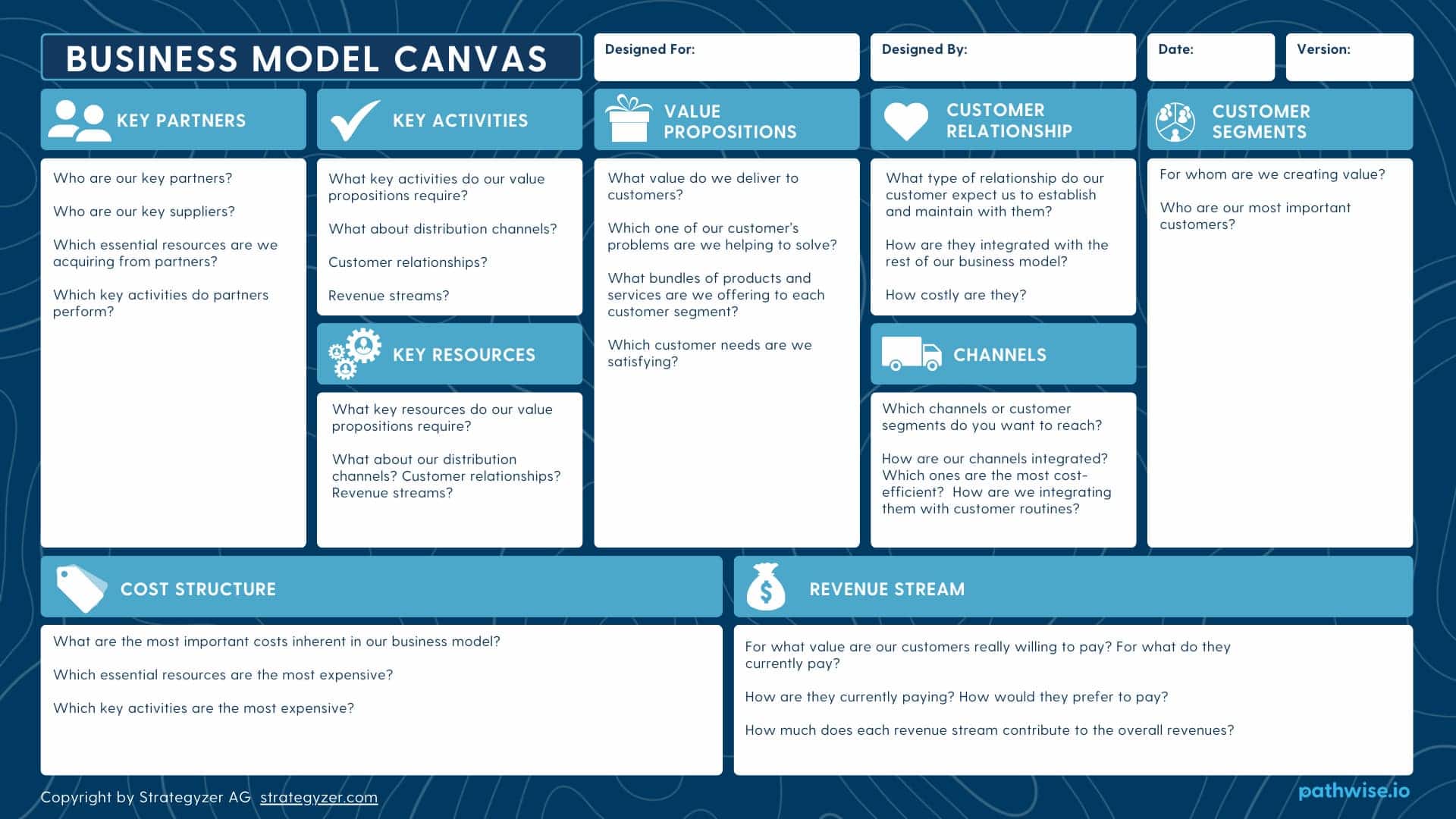
- Business Model Canvas: Developed by Alexander Osterwalder and Yves Pigneur, the Business Model Canvas is a visual framework for describing, analyzing, and designing business models. It consists of nine building blocks representing a business’s key aspects, including customer segments, value proposition, channels, revenue streams, and cost structure.
- Lean Startup Methodology: Popularized by Eric Ries, it advocates for a scientific approach to building and managing startups. It emphasizes rapid iteration, experimentation, and validated learning to minimize waste and maximize the chances of success. The Build-Measure-Learn feedback loop is a central concept in this methodology.
- Customer Development: Developed by Steve Blank, this framework helps discover and validate market opportunities through direct customer engagement. It involves a structured process of hypothesis testing, customer interviews, and iteration to effectively identify and address customer needs.
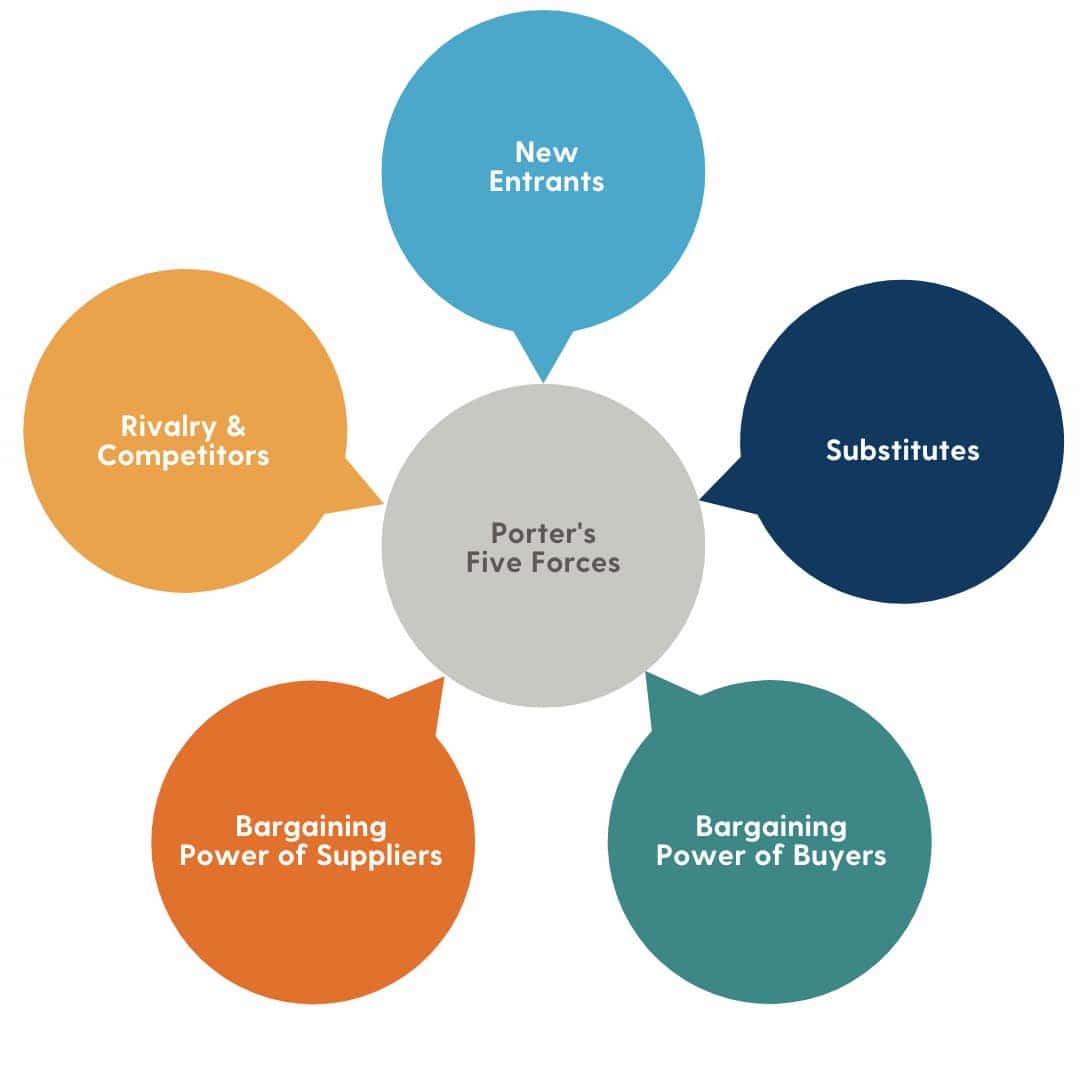
- Porter’s Five Forces: Developed by legendary Harvard Business School professor Michael Porter, this framework analyzes an industry’s competitive dynamics. It identifies five key factors—the threat of new entrants, the threat of substitute products or services, the bargaining power of buyers and suppliers, and rivalry among existing competitors—that shape the intensity of competition within an industry.
- Freemium Model: The freemium model is a pricing strategy where a basic version of a product or service is offered for free, with premium features available for a fee. This model is commonly used in the tech industry and has been adopted by many startups and digital platforms to attract users and monetize their offerings.


Conclusion
In conclusion, the intertwined realms of entrepreneurship and the gig economy are shifting how we work, create, and thrive in the modern world. Startups and gig economy options offer a wide array of opportunities. By embracing the entrepreneurial mindset, fostering creativity, and leveraging the power of technology and connectivity, we can navigate this new business world with confidence and resilience, taking control of our career journeys.
Other Resources
- HBR: Why Read Peter Drucker?
- HBR: The Heart of Entrepreneurship
- HBR: So You Want to Be an Entrepreneur?
- HBR: Four Things You Need to Thrive in the Gig Economy
- Forbes: Entrepreneurship – The Engine of Growth Driving Our Economy
- Pathwise’s Career Sessions, Career Lessons podcast episode ft. Dorie Clark
- Pathwise’s Career Sessions, Career Lessons podcast episode ft. Joy Batra
- Pathwise’s Career Sessions, Career Lessons podcast episode ft. Danny Warshay
