



In 2007, Blockbuster turned down the opportunity to buy Netflix for $50 million—a decision likely driven by internal focus and a failure to recognize shifting market dynamics. Today, Netflix is a multi-billion-dollar streaming giant, while Blockbuster is a distant memory. This story showcases a critical lesson for professionals and businesses alike: the importance of an external orientation. But what exactly does having an external mindset entail, and why is it essential for success?

Image used under license from Shutterstock.com
What is an External Orientation?
External orientation refers to focusing, understanding, and responding to factors outside our immediate internal environment, including customers, competitors, stakeholders, industry trends, market dynamics, and broader societal changes. It requires looking beyond internal operations to maintain an awareness of the broader context in which your organization operates, actively seeking insights and feedback from external sources to drive innovation, improve decision-making, and stay competitive.
Key aspects of external orientation include:
- Customer-Centricity: Prioritizing customer needs, feedback, and experiences when making business decisions.
- Market Awareness: Monitoring industry trends, competitors’ strategies, and market shifts to stay ahead.
- Stakeholder Engagement: Engaging with external stakeholders, suppliers, industry experts, and regulatory bodies to enhance knowledge and collaboration.
- Adaptability: Incorporating external insights to refine products, services, or business strategies.
- Environmental & Social Awareness: Recognizing and responding to broader societal, economic, and technological trends that impact the business.
Why Does External Orientation Matter?
With the many day-to-day pressures we all face in our professional lives, it’s all too easy to get focused on internal issues and politics. However, organizations with strong external orientation are more adaptable, proactive, and customer-focused. They can anticipate changes, innovate effectively, and build stronger relationships with key stakeholders, ultimately leading to long-term success.
Other benefits include:
- Strategic Agility: Awareness of external factors enables quicker responses to environmental changes.
- Enhanced Reputation: Demonstrating responsiveness and alignment with stakeholder expectations fosters trust and credibility.
- Competitive Advantage: Staying ahead of external trends can position an organization as a leader in its field.

Image used under license from Shutterstock.com
Thought Leaders
Several thought leaders have emphasized the benefits of an external orientation in business, leadership, and strategy. Some of these experts and their contributions include:
- Clayton Christensen: Known for The Innovator’s Dilemma, he introduced the concept of disruptive innovation, showing how new entrants reshape industries by addressing overlooked customer needs or technology changes. His work highlighted the importance of continuously monitoring external trends to avoid disruption.
- Rita McGrath: A strategy expert and author of The End of Competitive Advantage, she argues that companies must embrace continuous change and external awareness to sustain success in fast-moving markets.
- Roger Martin: A former Dean of the Rotman School of Management, he advocates for integrative thinking—blending different perspectives to develop innovative strategies that account for external complexities.
- Frederic Laloux: Author of Reinventing Organizations, he explores how businesses can evolve by prioritizing collaboration, purpose, and stakeholder involvement beyond profit.
- Edward Freeman: A pioneer of stakeholder theory, he argues that businesses should consider the interests of all stakeholders (customers, employees, society) rather than just shareholders.
- Raj Sisodia: Co-founder of Conscious Capitalism, he promotes business strategies that integrate social responsibility, ethical leadership, and long-term stakeholder value.
- John Kotter: A change management expert, he emphasizes the need for external awareness and urgency to drive successful organizational transformations.
- Scott Galloway: A marketing professor and business analyst, he provides sharp insights into consumer behavior, market trends, and the impact of digital transformation on industries.
- Pankaj Ghemawat: A globalization expert, he challenges the idea of a fully globalized world and provides strategies for businesses to navigate regional market differences effectively.
- Michael Watkins: A leadership and organizational change expert, he is best known for The First 90 Days and The Six Disciplines of Strategic Thinking, where he emphasizes the importance of an external orientation. He encourages leaders to look beyond internal operations and actively engage with market trends, competitors, and broader industry shifts to make informed strategic decisions.
Key Frameworks
- Porter’s Five Forces: Developed by Michael Porter, this model evaluates industry competition through five forces: competitive rivalry, supplier power, buyer power, the threat of new entrants, and the threat of substitutes. It helps organizations assess their external competitive landscape and develop strategic positioning.

- Stakeholder Theory: Proposed by Edward Freeman, this model suggests that businesses should consider the interests of all stakeholders—customers, employees, suppliers, communities, and shareholders—rather than focusing solely on profit. It promotes long-term sustainability and external engagement.
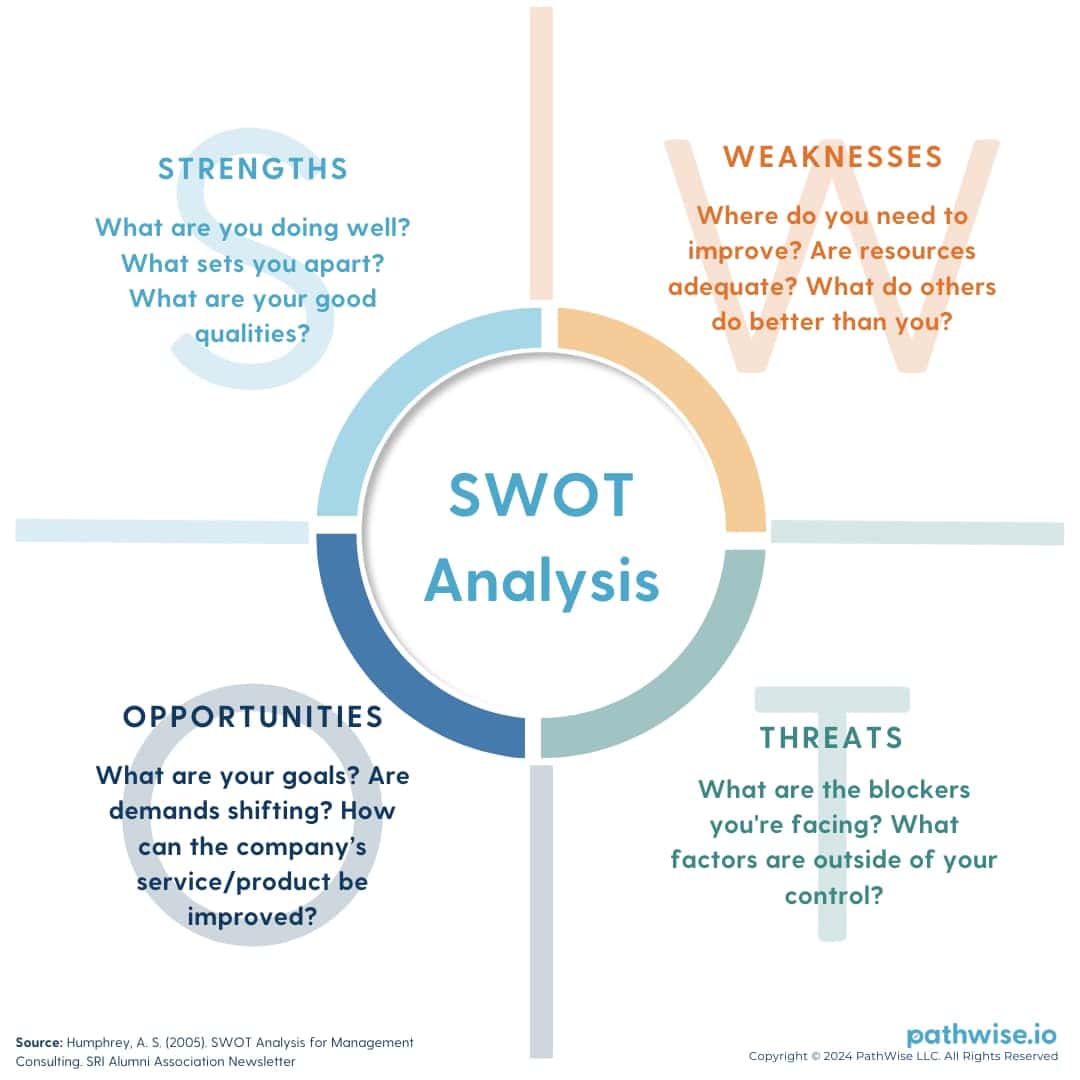
- SWOT Analysis: This classic tool assesses an organization’s Strengths, Weaknesses, Opportunities, and Threats. It combines internal and external perspectives to help companies leverage their advantages while addressing external risks.
- Scenario Planning: A strategic foresight technique that involves developing multiple possible future scenarios based on external trends. It helps businesses prepare for uncertainty by considering different economic, technological, and market possibilities.
- Blue Ocean Strategy: Created by Chan Kim and Renée Mauborgne, this model encourages companies to move away from highly competitive “red oceans” and instead create new market space (“blue oceans”) through innovation and differentiation. It emphasizes understanding unmet external needs.
- Adaptive Leadership: Developed by Ronald Heifetz, this framework helps leaders navigate change by distinguishing between technical challenges (solvable with existing knowledge) and adaptive challenges (requiring new learning and external input). It focuses on staying responsive to external shifts.
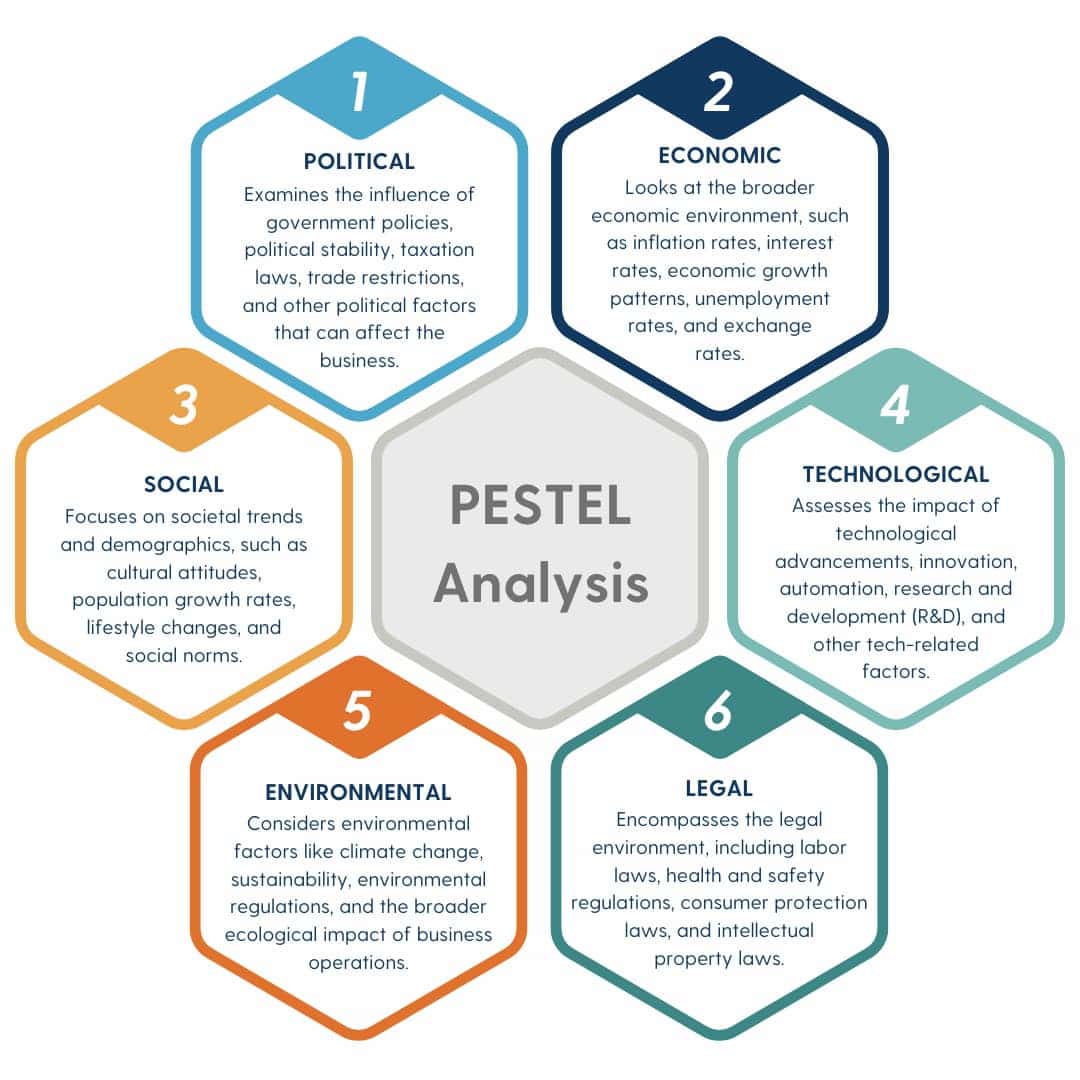
- PESTEL Analysis: This framework helps organizations analyze external factors affecting their industry: Political, Economic, Social, Technological, Environmental, and Legal. It enables businesses to anticipate changes, mitigate risks, and seize opportunities in their external environment.
- Sensemaking Framework: Coined by Karl Weick, this concept describes how organizations interpret and respond to external changes by gathering, analyzing, and acting on new information. It highlights the importance of staying externally aware and agile.


External Orientation in Leadership
Having an external orientation helps managers become better leaders by enhancing their ability to anticipate change, make informed decisions, and build stronger stakeholder relationships. By developing an external mindset, managers can transition from operational focus to strategic leadership, confidently guiding their teams and organizations through complexity and change.
Specifically, external orientation allows for:
- Improved Strategic Decision-Making: By staying attuned to market trends, customer needs, and competitive dynamics, leaders can make more informed, forward-thinking decisions that keep their organizations ahead.
- Greater Adaptability & Resilience: Leaders who monitor external forces (economic shifts, technological advances, societal changes) can proactively adjust strategies rather than reacting too late.
- Stronger Stakeholder Relationships: Engaging with customers, employees, investors, and communities helps leaders build trust and align their organizations with broader societal expectations.
- Enhanced Innovation & Growth: Awareness of external trends and emerging opportunities enables leaders to foster a culture of experimentation, creativity, and continuous improvement.
- Ethical & Sustainable Leadership: Considering external perspectives, including social and environmental factors, helps leaders make more responsible and values-driven decisions.

Image used under license from Shutterstock.com
External Orientation in Personal Development
External orientation plays a crucial role in professional development by expanding our awareness, adaptability, and ability to navigate change. Professionals who actively monitor industry trends, emerging skills, and market shifts can identify growth opportunities that keep them competitive. For example, staying informed about technological advancements or evolving workplace expectations allows us to upskill rather than react to disruptions proactively.
Additionally, external orientation fosters a broader perspective by encouraging engagement with diverse viewpoints, networks, and best practices. Professionals who seek insights from industry conferences, thought leaders, or cross-functional collaborations gain fresh ideas and strategic insights that enhance their problem-solving abilities. This external awareness also helps us develop better decision-making skills, as we can anticipate challenges and adapt our career plans accordingly.
Finally, cultivating external orientation enhances personal branding and career mobility. Professionals who stay connected to their industry’s landscape can identify emerging job opportunities, build valuable relationships, and position themselves as thought leaders in their field. An awareness of external trends and their implications also helps us become more credible, influential, and sought-after in our careers.
Conclusion
In the globalized world of today, staying inwardly focused will only lead to stagnation. On the other hand, cultivating external orientation allows us to uncover opportunities, mitigate risks, and adapt to change before it’s too late. The most effective professionals and businesses are those who stay attuned to the world around them, constantly learning, adapting, and evolving. To succeed, make sure to continually take a step back, widen your perspective, and ask yourself: What’s happening outside my organization or industry that could shape my future? The answers might just unlock your next big opportunity.
Other Resources
- HBR: 9 Trends That Will Shape Work in 2024 and Beyond
- HBR: Are You Ignoring Trends That Could Shake Up Your Business?
- HBR: What Stops Managers from Looking to Other Industries for Inspiration
- Forbes: The 5 Biggest Business Trends For 2025 Everyone Must Be Ready For Now
- Forbes: Identifying Trends: Eight Ways The Industry May Change In Near Future
