

Imagine walking into a room filled with every colleague you’ve ever worked with, leaders you admire, people you’ve learned from, and others you hope to meet one day. Some are deep in conversation. Others are listening, observing, or introducing themselves for the first time. You have the chance to contribute, reconnect, learn, and be remembered for how you show up. That’s what LinkedIn offers: a continuous, evolving gathering of professionals where your presence shapes how others understand your work and your potential.
Used well, LinkedIn can be more than a networking site. It’s a space for reflection, visibility, and growth, a living portfolio that supports your professional development and opens doors to new opportunities.

Image used under license from Shutterstock.com
What Does Leveraging LinkedIn Mean?
Leveraging LinkedIn for professional development means using the platform intentionally, consistently, and with a long-term view of your career. To do so, however, you need more than a mere profile. You need to make LinkedIn an active part of how you grow, learn, and connect in your field, as it helps you shape your presence to reflect both where you are and where you want to go. That includes showcasing your experience, highlighting your skills, and signaling your professional interests through the content you engage with and share.
A key goal of using LinkedIn is to maintain visibility in your industry. That visibility comes from making profile updates, writing thoughtful posts, commenting on others’ posts, following companies and leaders, and participating in groups or conversations that align with your goals. Each action adds to the impression you leave on others, from recruiters and hiring managers to potential mentors and peers.
LinkedIn also gives you access to trends, ideas, and real-time learning opportunities. You can observe how others position themselves, explore career paths, and absorb the language and values of different industries or roles. When you follow experts, read articles, or reflect on the lessons people share, you’re building awareness that can shape your own decisions.
Above all, leveraging LinkedIn means treating it as a tool for growth and development. That is, making deliberate choices about how you present yourself, with whom you engage, and what kind of learning and collaboration you seek out. Over time, those small, consistent efforts help you develop both a reputation and a network that support your development, not just when you’re job searching, but throughout your entire career.
How Can One Leverage LinkedIn For Professional Success?
While some might limit LinkedIn to a digital resume, this platform becomes dynamic when used strategically, making it a valuable tool for long-term professional success. With it, you can establish your reputation, attract new opportunities, and maintain visibility to key individuals in your field. The key is to approach it as a living, evolving reflection of your professional identity.
Note that, more than self-promotion, you should think of LinkedIn as a way to foster contribution, clarity, and connection. By using it strategically and with purpose, the platform can become a valuable asset in your career growth.
Some practical ways to make LinkedIn work for your success are to:
- Use a representative, high-quality headshot: Choose a photo that reflects how you would present yourself at a professional meeting—clear, recent, and aligned with your field or industry.
- Ensure your banner image reflects something about you: It could be professionally-oriented (like a job certification) or personal (like a picture of family or a favorite destination)
- Write a strong headline and summary: Go beyond your job title, unless you’re part of the C-Suite. Use this space to signal your skills, areas of focus, and the value you bring.
- Keep your experience section clear and up to date: Focus on accomplishments and their impact. Use concise language and relevant metrics when possible.
- Highlight skills that match your current goals: Select skills that reflect both your expertise and your future direction. Reorder them so the most relevant appear first.
- Regularly engage with others’ posts: Share ideas, articles, or reflections that relate to your work. Comment in a way that adds perspective or shows curiosity.
- Follow people, companies, and topics intentionally: Use LinkedIn as a source of learning. Following industry leaders, employers, and trends keeps your feed useful and relevant.
- Join and participate in professional groups: Groups can connect you with peers outside your immediate network and surface conversations you wouldn’t otherwise see.
- Be consistent in tone and messaging: Treat your profile, comments, and content as part of a cohesive professional presence. Clarity and consistency help others understand who you are and what you’re about.
Image used under license from Shutterstock.com
Thought Leaders
Many thought leaders explore the intersection of professional development, personal branding, and the effective use of LinkedIn. These experts offer insights into how individuals can utilize the platform to advance their careers, expand their professional networks, and establish a lasting influence, providing different perspectives on content strategy, branding, and platform-specific tactics. Some of these experts include:
- LinkedIn News Editors: This team curates professional news and trends across industries. They highlight emerging topics, showcase member voices, and help shape the platform’s editorial direction. Following them provides a direct line to what’s gaining traction across sectors.
- Brenda Meller: A LinkedIn trainer and marketer, she is recognized for helping professionals and teams effectively utilize LinkedIn without coming across as overly self-promotional. She’s the author of Social Media Pie: How to Enjoy a Bigger Slice of LinkedIn and frequently shares tactical advice on profile optimization and engagement.
- Andy Foote: A LinkedIn strategist and content coach, he is known for his in-depth analysis of LinkedIn features, algorithms, and posting strategies. His LinkedIn newsletter and articles provide thoughtful, research-driven tips on building presence and visibility.
- Judi Fox: A personal branding expert and the creator of the #FoxRocks LinkedIn accelerator, she helps professionals use video and content to amplify their voices on LinkedIn. She often speaks about using the platform to build community and increase influence.
- Goldie Chan: Known as the “green-haired LinkedIn video creator,” she was one of the earliest users of LinkedIn video and has built a strong reputation as a personal branding expert. She contributes to Forbes on the topic of personal branding and speaks frequently about storytelling and authenticity on digital platforms.
- Justin Welsh: A solopreneur and former SaaS executive, he has built a large following on LinkedIn by sharing insights on entrepreneurship, content strategy, and career independence. He’s known for his writing on building a personal brand and monetizing professional expertise.
- Shay Rowbottom: A LinkedIn video marketing coach, she helps professionals use video content to grow their following and deepen engagement. Her background in viral content and direct approach to personal branding have made her a widely recognized voice on the platform.

Image used under license from Shutterstock.com
Key Frameworks
Several models and frameworks help explain how LinkedIn can support career advancement, reputation-building, and skill development. While some were designed with broader professional development in mind, they directly apply to how you can utilize LinkedIn with greater focus and impact. They offer practical ways to think about your presence and activity on LinkedIn as part of a larger strategy for professional growth and influence.
- Career Capital Model: Popularized by Cal Newport in So Good They Can’t Ignore You, this model emphasizes developing rare and valuable skills that provide leverage in your career. On LinkedIn, it translates to showcasing your expertise, sharing evidence of your skills, and signaling continuous growth—all of which help you develop and display career capital.
- Personal Branding Framework: Rooted in the idea that individuals must manage their own reputations like a brand, this framework involves clarity, consistency, and authenticity. LinkedIn acts as a primary platform for executing this: through your profile, content, and interactions.
- Social Capital Theory: Social capital refers to the value of your network and the relationships that offer access to information, resources, or influence. LinkedIn is a direct application of this theory, as it allows you to expand, nurture, and benefit from a diverse and active professional network.
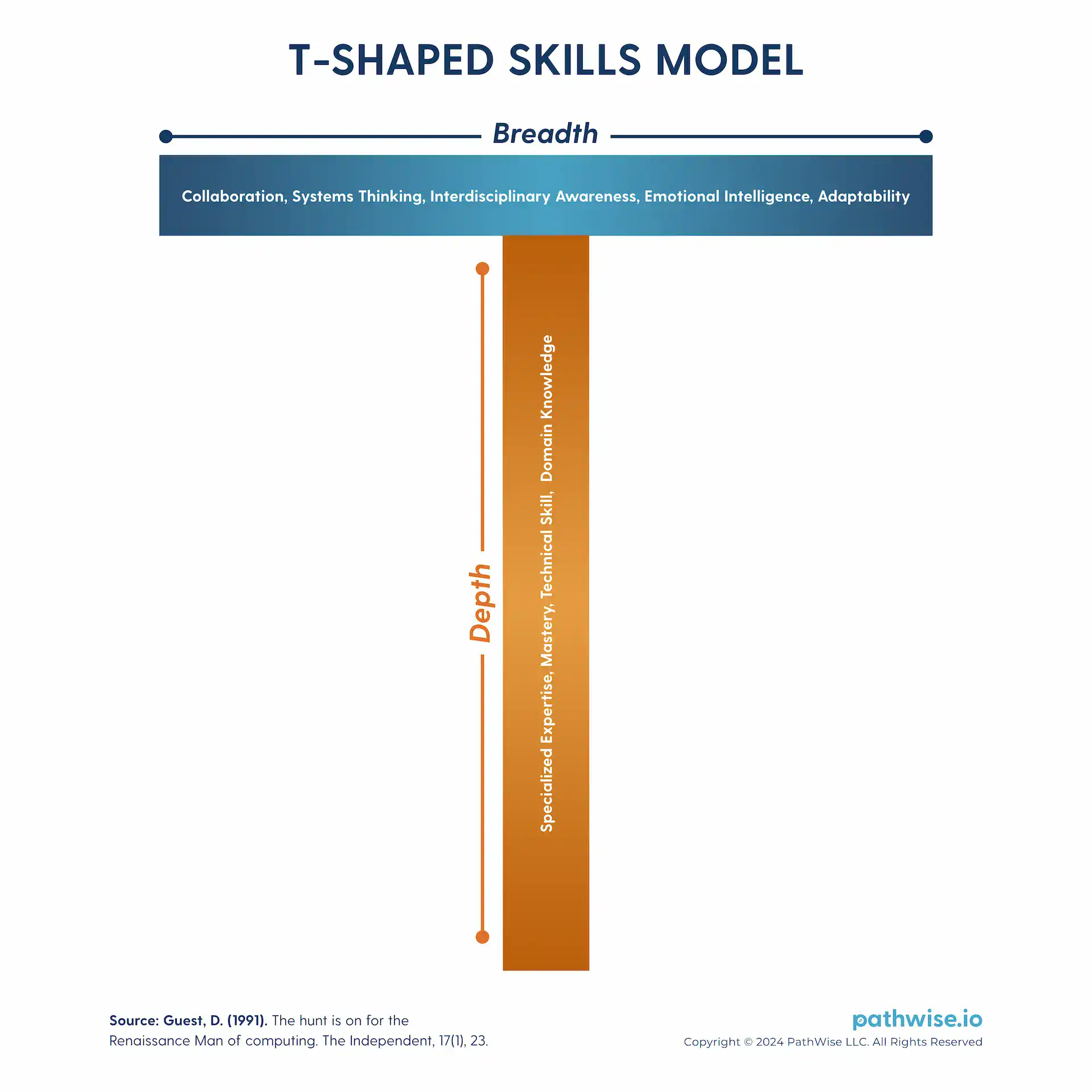
- The T-shaped Professional Model: This model encourages professionals to develop deep expertise in one area (the vertical bar of the “T”) and broad skills across related areas (the horizontal bar). LinkedIn helps surface both aspects—highlighting depth in your field while showing your range through content, endorsements, and engagement.
- Digital Body Language: Popularized by Erica Dhawan, this concept explores how tone, clarity, and presence translate in online communication. It applies directly to LinkedIn, where written posts, profile descriptions, and comments form a major part of how you’re perceived.
- Thought Leadership Flywheel: This framework emphasizes creating content that educates, inspires, and earns trust over time. LinkedIn serves as a central distribution platform for building thought leadership in a gradual and sustainable manner.
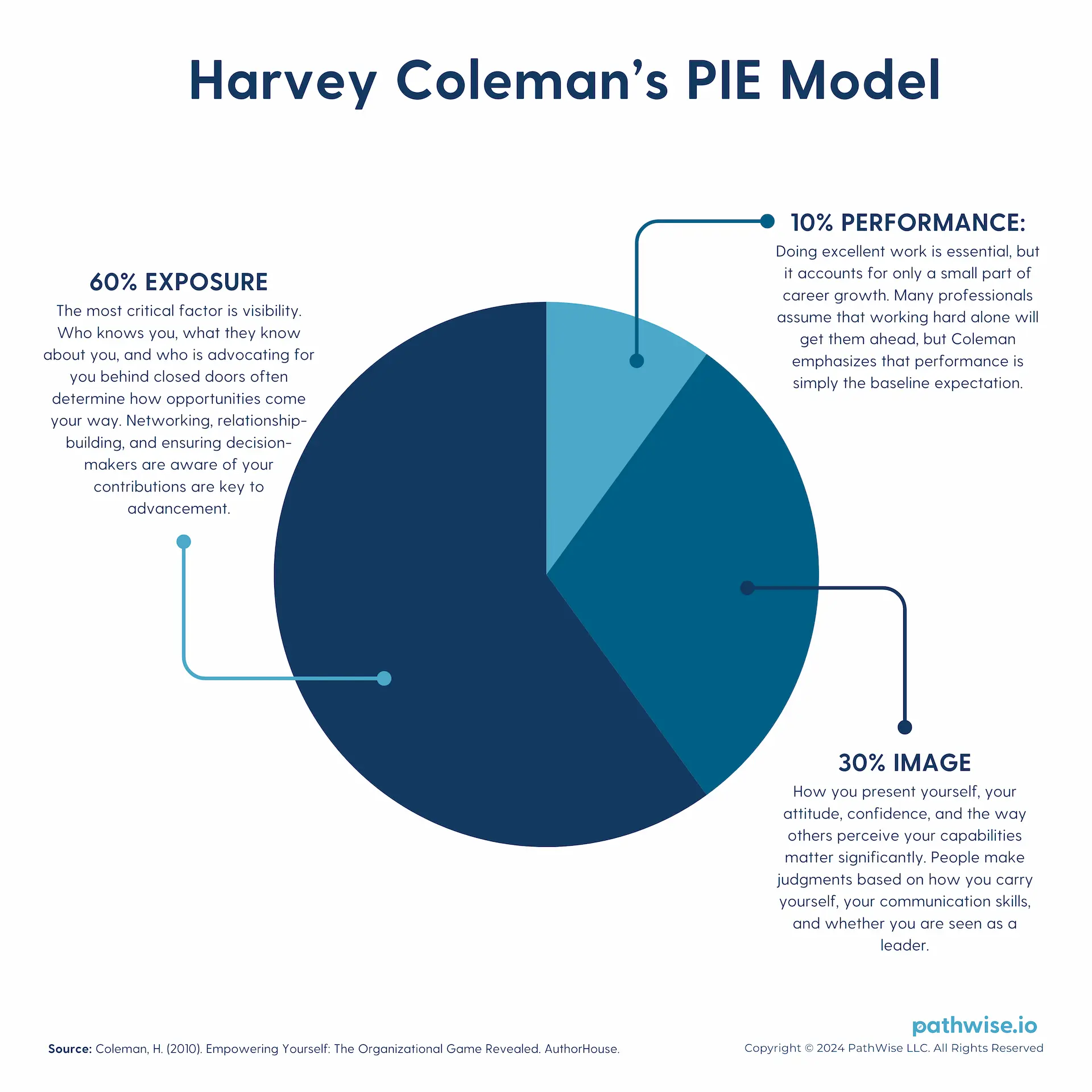
- The PIE Model: Developed by Harvey Coleman, this model stands for Performance, Image, and Exposure. It suggests that success depends not just on performance, but also on how others perceive you and how visible you are. LinkedIn amplifies the “image” and “exposure” components, especially when used intentionally.

Leveraging LinkedIn and Leadership
Leveraging LinkedIn can enhance a manager’s ability to grow as a leader by expanding their access to new ideas, diverse perspectives, and real-world examples of leadership in action. The platform offers a continuous stream of thought leadership, industry news, and peer insights that help managers stay informed and reflective. As they engage with content on strategy, communication, and team development, they can sharpen their ability to think critically, anticipate change, and adapt their leadership style. This exposure reinforces the importance of curiosity and lifelong learning—qualities essential to effective leadership.
In addition to knowledge, LinkedIn strengthens a manager’s network. By connecting with peers, mentors, former colleagues, and rising professionals, a manager builds relationships that can lead to collaboration, support, and honest feedback. Observing how others share their achievements, challenges, and reflections can also prompt greater self-awareness and emotional intelligence. Managers who contribute thoughtfully to their network—through posts, comments, or mentoring—model the kind of visibility, generosity, and clarity they expect from others. Over time, this practice not only builds influence but reinforces habits that deepen trust, improve communication, and make a manager a stronger, more connected leader.

Image used under license from Shutterstock.com
Leveraging LinkedIn and Personal Development
When we intentionally leverage LinkedIn, we create space for personal growth alongside our professional goals. The platform encourages us to reflect on our experience, clarify what we stand for, and articulate where we’re headed. As we update our profiles or share our perspectives, we’re refining how we communicate our values and strengths. That clarity deepens our sense of identity and purpose.
We also learn by observing others. Observing how people navigate career changes, celebrate milestones, or respond to challenges provides us with new perspectives on our own development. When we follow people outside our immediate circles—across industries, backgrounds, or roles—we broaden our view of what’s possible. These interactions remind us that growth isn’t limited to promotions or credentials. It includes expanding our mindset, taking risks, and staying engaged in the conversations that shape our fields. By using LinkedIn in this way, we’re investing in our own personal growth and evolution.

Image used under license from Shutterstock.com
Conclusion
LinkedIn has become an essential tool for navigating modern careers. No longer just a job search platform, it now plays a central role in how professionals build credibility, form connections, and stay engaged with their industries. For those focused on long-term growth, it provides an opportunity to develop skills, enhance visibility, and establish a reputation that reflects both expertise and potential. When used intentionally, LinkedIn becomes a foundational tool for professional development and leadership.
Other Resources
- HBR: Christine vs. Work: What’s the Point of LinkedIn, Anyway?
- HBR: Can a More Detailed LinkedIn Profile Boost Your Salary?
- HBR: How to Tell Your Story on LinkedIn
- Forbes: 5 Winning LinkedIn Strategies For Your Job Search
- Forbes: Leveraging LinkedIn And Beyond: Best Fundraising Practices For Founders
- Forbes: Leveraging The Power Of LinkedIn For Strategic Business Promotion
- Forbes: How To Grow Your LinkedIn Network
- Forbes: Learning 5 New Ways To Make LinkedIn Work For You
