

Have you ever wondered why some companies thrive in times of uncertainty while others struggle to survive? A clear example is Netflix and Blockbuster. Both started as movie rental services, but only one embraced organizational agility—the ability to adapt.
Today, market shifts, technological advancements, and customer expectations evolve unprecedentedly, making agility a critical factor for success. Organizations require an ability to anticipate change, respond rapidly, and continuously innovate. Companies that embrace agility foster a culture of learning, empower employees to make decisions, and adopt iterative processes that allow for quick adjustments. With that, they’re more likely to succeed.

Image used under license from Shutterstock.com
What is Organizational Agility?
Organizational agility is the ability of a company to quickly adapt to market changes, customer demands, and emerging opportunities while maintaining stability and efficiency. It involves a combination of flexibility, resilience, and proactive decision-making to navigate uncertainty and drive sustained success.
The importance of fostering organizational agility is that it helps companies:
- Adapt to Change: Markets, technologies, and customer expectations evolve rapidly. Agile organizations can pivot strategies, update processes, and embrace new innovations faster than competitors.
- Enhance Competitiveness: Companies that respond quickly to trends and disruptions are more likely to maintain a competitive edge. Agility helps businesses capitalize on emerging opportunities before others do.
- Improve Customer Satisfaction: Agile organizations can rapidly adjust products, services, and experiences based on customer feedback, ensuring they meet evolving needs.
- Foster Innovation: A culture of agility encourages experimentation, continuous learning, and creative problem-solving, driving innovation across the company.
- Increase Employee Engagement: Employees in agile organizations often feel more empowered and motivated as they are encouraged to take initiative and contribute to meaningful changes.
- Reduce Risk: Agility allows businesses to anticipate and mitigate risks by responding proactively to challenges rather than reacting too late.
- Enhance Operational Efficiency: Agile organizations streamline processes, eliminate bottlenecks, and make data-driven decisions, leading to better performance and cost-effectiveness.

Image used under license from Shutterstock.com
Thought Leaders
Several thought leaders have shaped the concept of organizational agility through their research, frameworks, and real-world applications. The following are a few key figures:
- Clayton M. Christensen: A professor at Harvard Business School, he was a pioneering thinker in innovation and disruption. His seminal work, The Innovator’s Dilemma, introduced the concept of disruptive innovation, explaining how successful companies often fail because they focus too much on sustaining existing business models rather than adapting to new market disruptions.
- John P. Kotter: A professor at Harvard Business School, he is a leading expert on change management. His 8-Step Change Model emphasizes the importance of agility in leadership, helping organizations adapt quickly to market shifts. His book Acceleratediscusses how companies can operate with both stability and flexibility.
- Stephen Denning: A former World Bank executive, he is a strong advocate for agile leadership and storytelling in management. His book The Age of Agileexplores how companies can embrace agility to drive innovation and customer focus.
- Jeff Sutherland & Ken Schwaber: Sutherland and Schwaber co-created the Scrum methodology, one of the most widely used agile frameworks in software development and other fields. Their work emphasizes iterative progress, team collaboration, and adaptability—principles that have influenced agile management across industries.
- Linda Hill: A professor at Harvard Business School, she focuses on leadership in dynamic environments. In Collective Genius, she explores how leaders can foster agile, innovative cultures by empowering employees and embracing uncertainty.
- Barry O’Reilly: Known for the concept of “Unlearn,” he encourages leaders to challenge outdated thinking and embrace new approaches. He authored Unlearn: Let Go of Past Success to Achieve Extraordinary Results – a guide for leaders navigating change.
- Jim Collins: Author of Good to Great and Built to Last, he often explores how companies achieve long-term success through adaptability and disciplined innovation. His “Flywheel Effect” concept highlights how continuous, incremental progress leads to sustained agility and market leadership. His research emphasizes the importance of leadership that balances stability with a willingness to evolve.
- Amy Edmondson: A professor at Harvard Business School, she is known for her work on psychological safety, which is crucial for agile organizations. In The Fearless Organization, she explains how leaders can create environments where employees feel safe to experiment, voice ideas, and adapt quickly without fear of failure. Her insights are foundational to fostering an agile, high-performing workforce.
- Rita McGrath: A professor at Columbia Business School, she specializes in strategic agility—the ability of companies to anticipate change and capitalize on opportunities. Her book Seeing Around Corners discusses how businesses can detect early signals of industry shifts and respond proactively, a key component of long-term agility.
Key Frameworks
Several models and frameworks can help organizations enhance their agility. These frameworks provide structured approaches to adaptability, innovation, and resilience. Some of the most influential ones include:
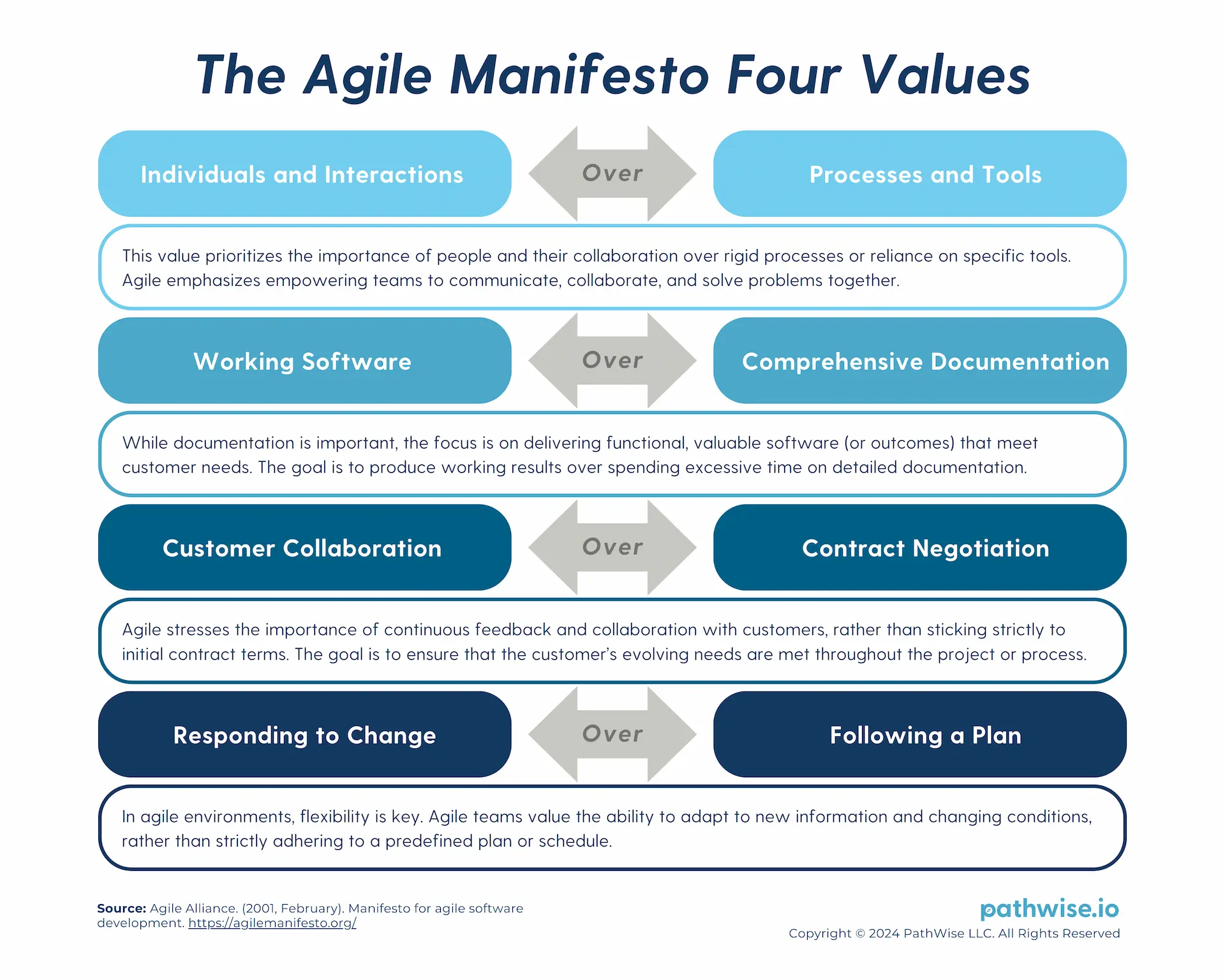
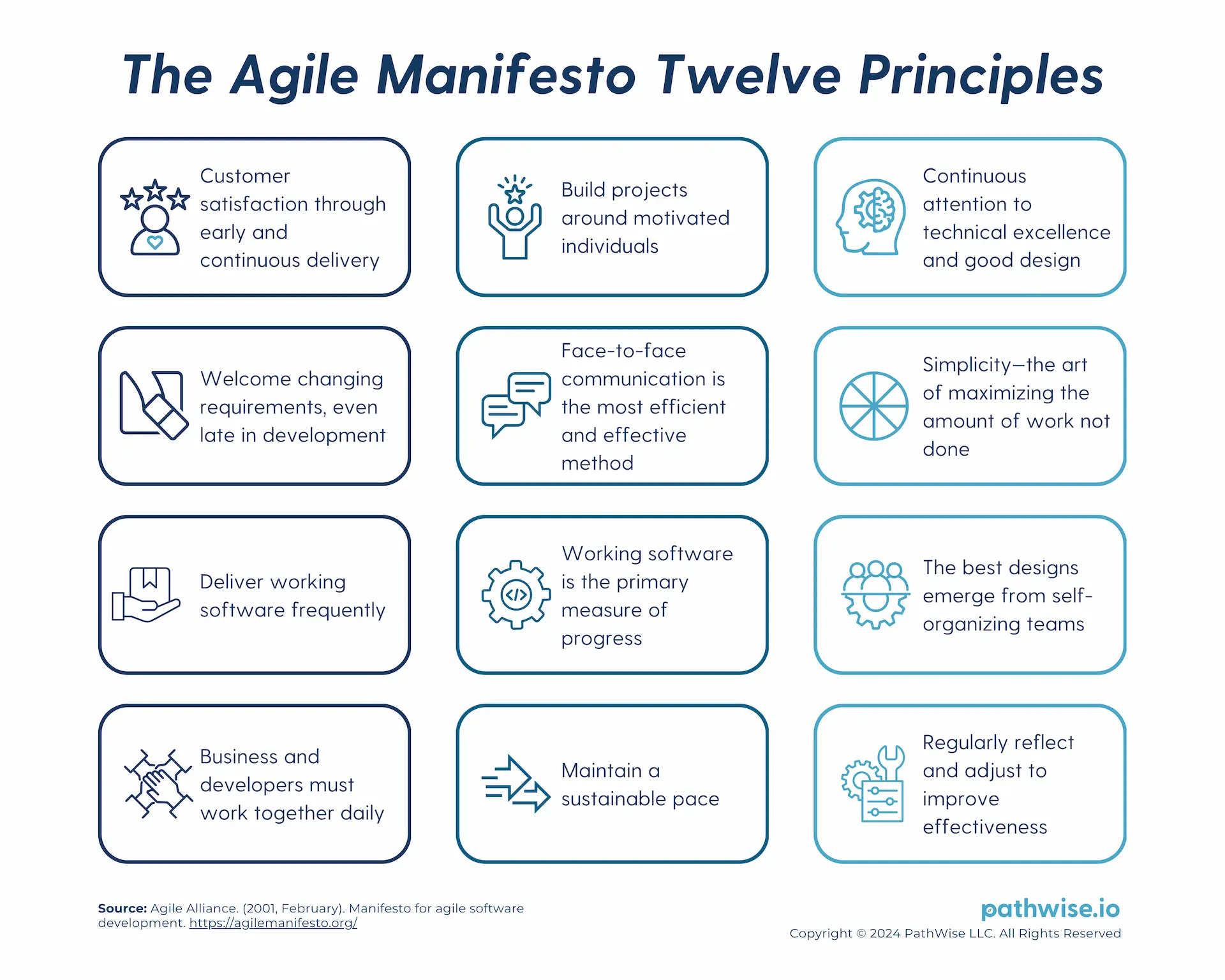
- The Agile Manifesto: Originally developed for software development, the Agile Manifesto outlines four core values and twelve principles emphasizing adaptability, collaboration, and customer focus. It has since influenced agile management beyond software, helping organizations implement iterative workflows and flexible decision-making.
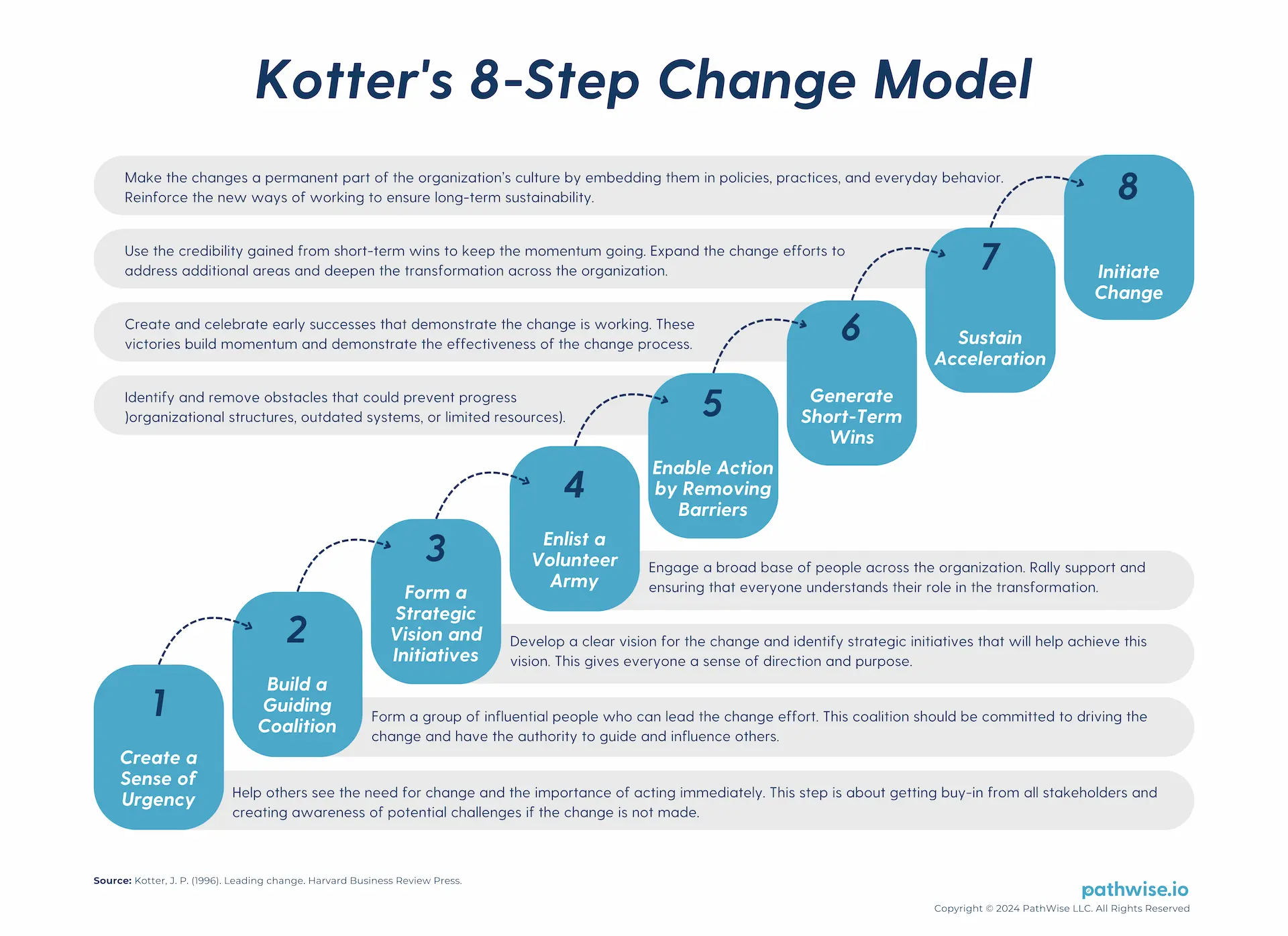
- Kotter’s 8-Step Change Model: Developed by John Kotter, this model guides organizations through change by emphasizing urgency, leadership, vision, and short-term wins. It’s useful for companies striving for agility by creating a culture of continuous adaptation.
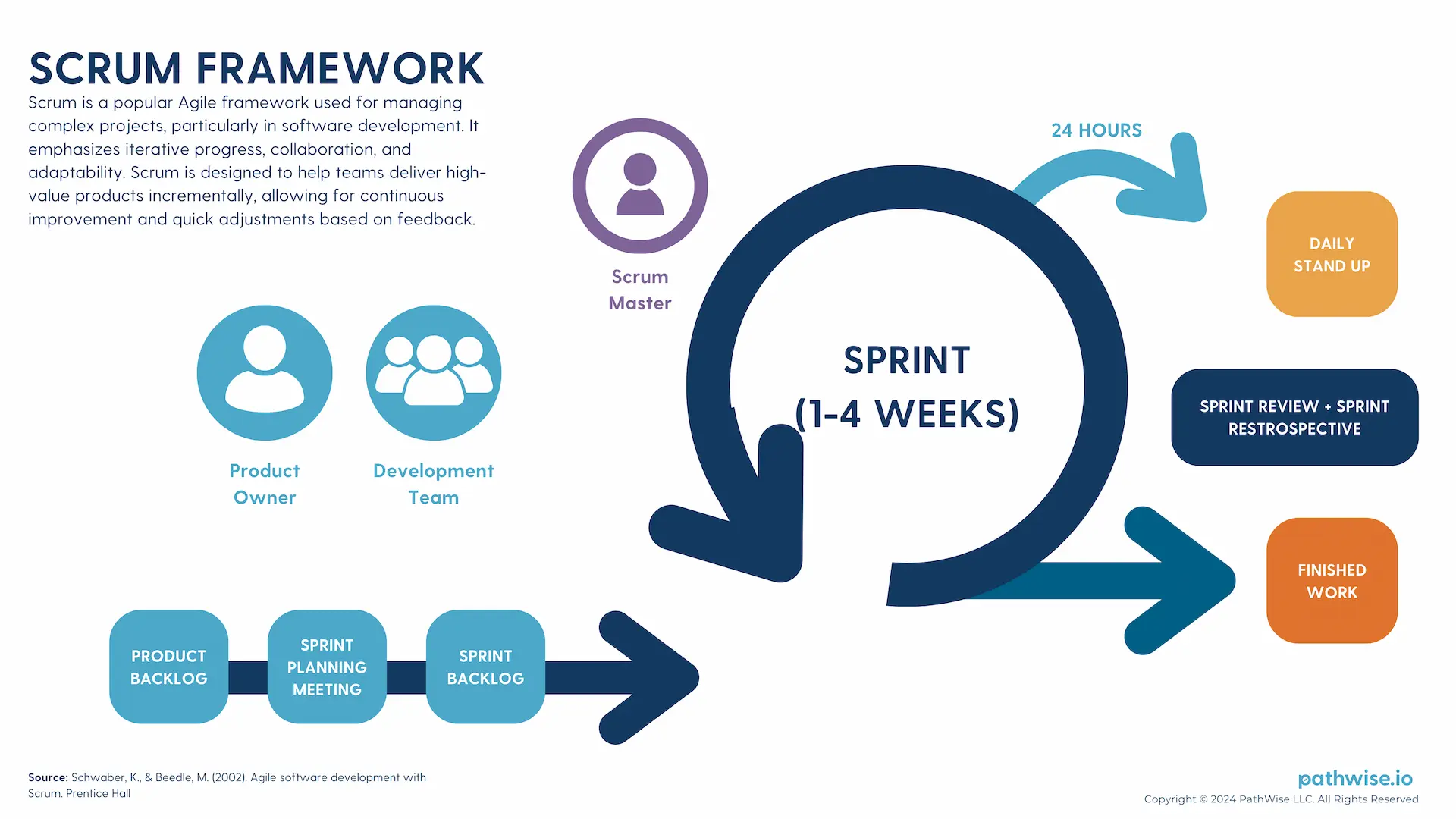
- The Scrum Framework: Created by Jeff Sutherland and Ken Schwaber, Scrum is an agile methodology that organizes work into time-boxed sprints, promotes cross-functional collaboration, and prioritizes iterative progress. It’s widely used in tech but has also been adopted in other business areas.
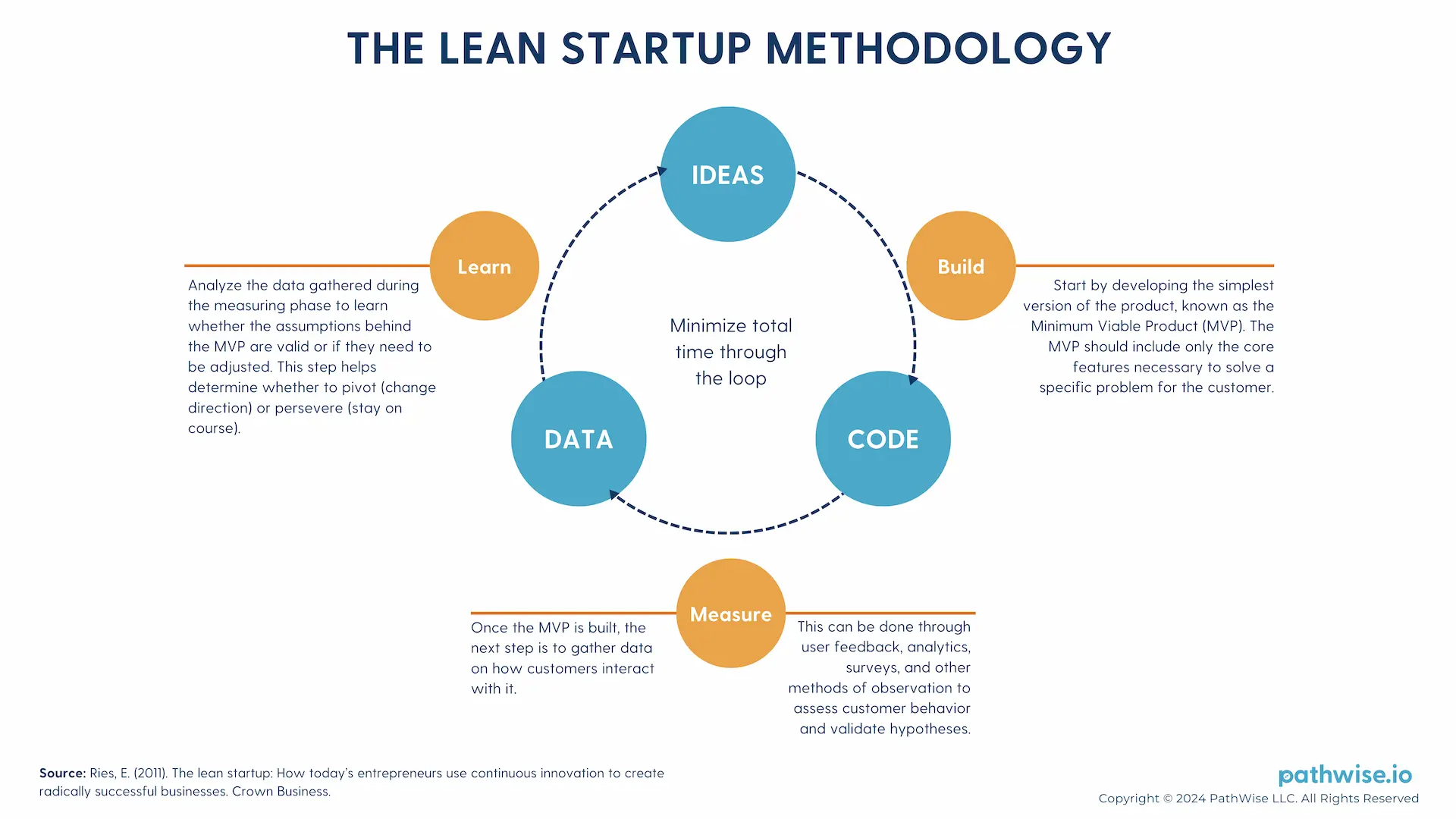
- Lean Startup Methodology: Popularized by Eric Ries in The Lean Startup, this framework encourages companies to “Build-Measure-Learn”—iteratively testing ideas, using customer feedback, and pivoting based on real data. It’s highly relevant for agile decision-making in uncertain markets.
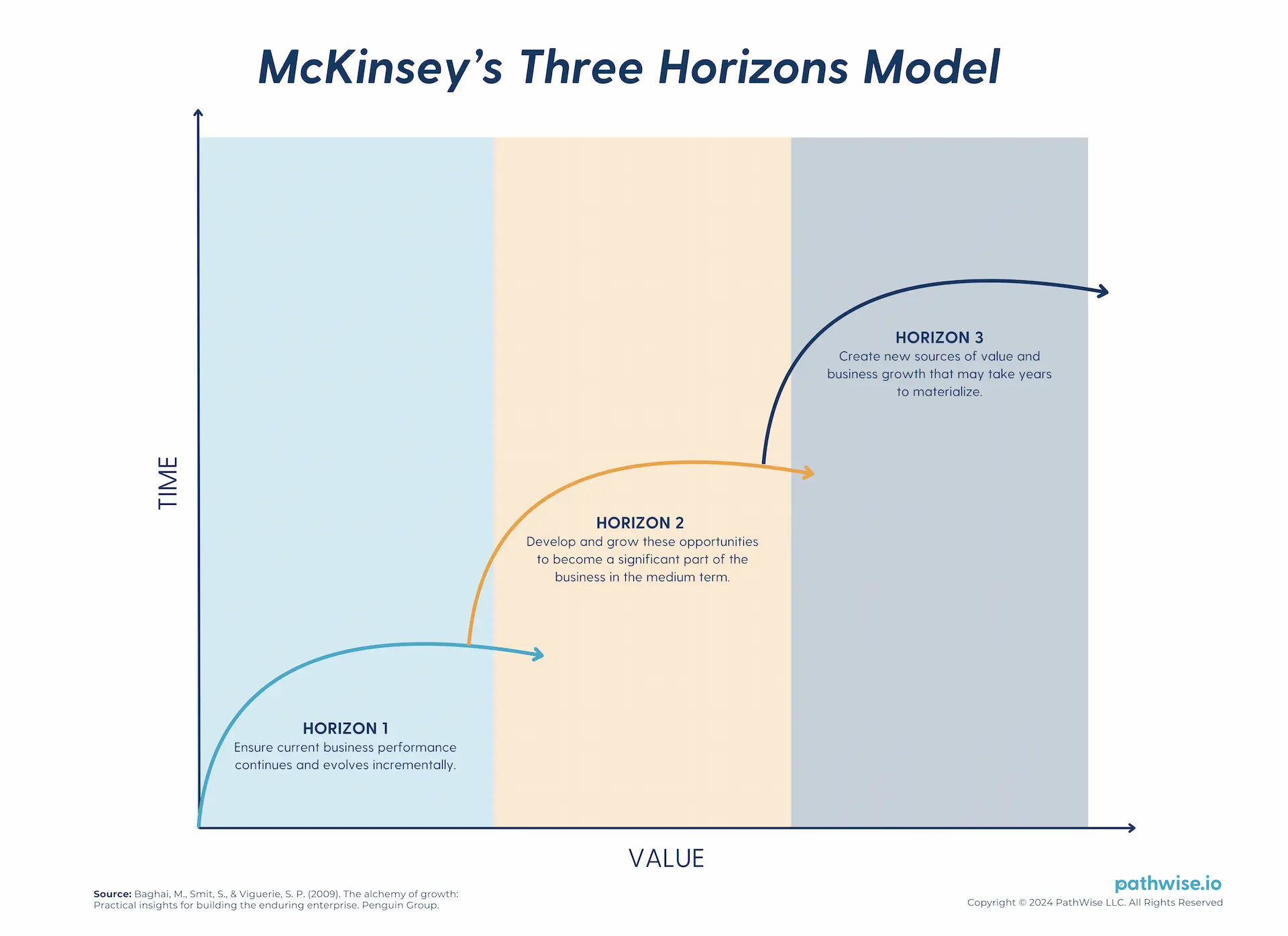
- McKinsey’s Three Horizons Model: This framework helps organizations manage agility by balancing short-term (Horizon 1), mid-term (Horizon 2), and long-term (Horizon 3) innovations. It encourages businesses to invest in both stability and future opportunities.
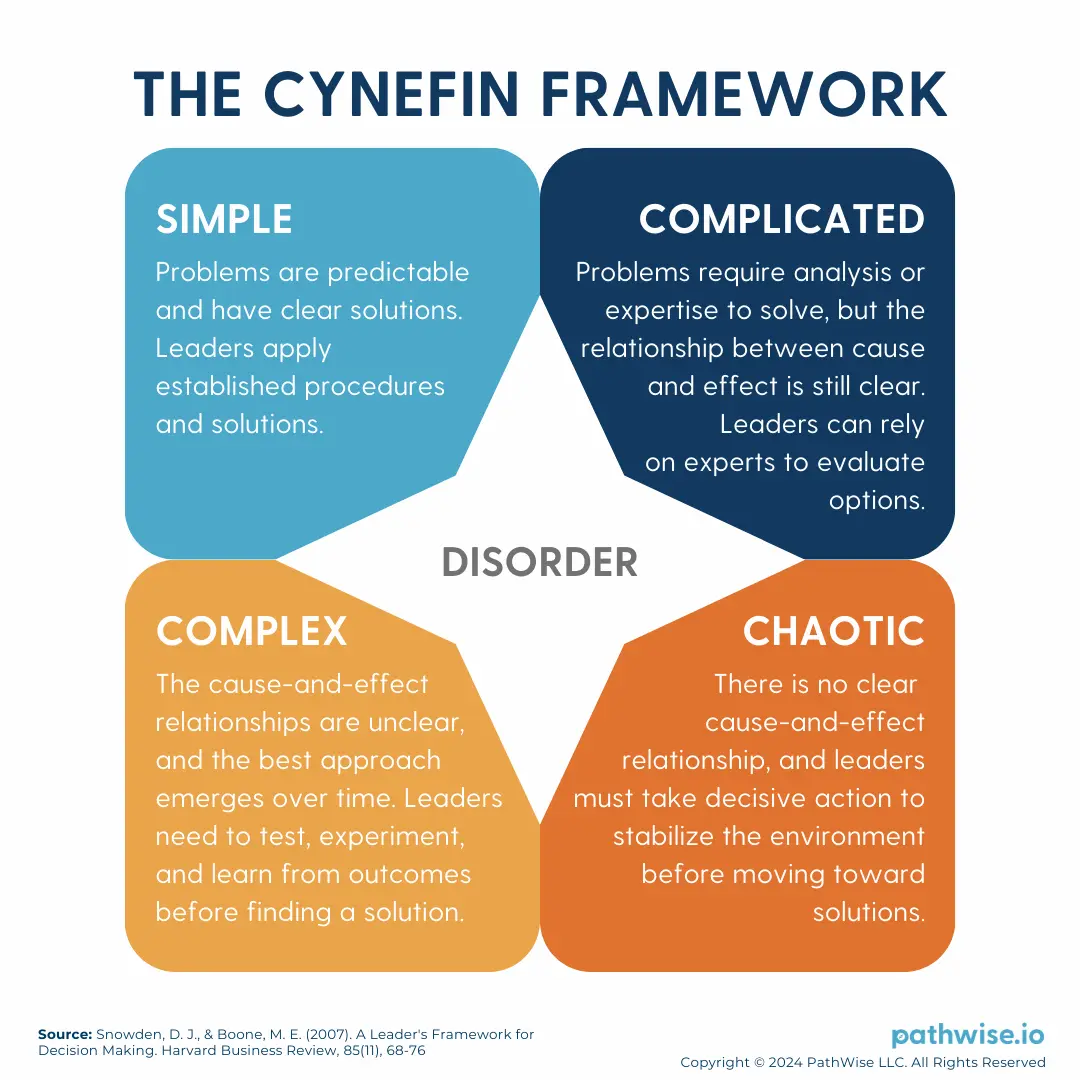
- Cynefin Framework: This framework helps leaders understand different types of problems (simple, complicated, complex, chaotic) and determine the best approach to decision-making. Agile organizations use it to navigate uncertainty and adapt strategies accordingly.
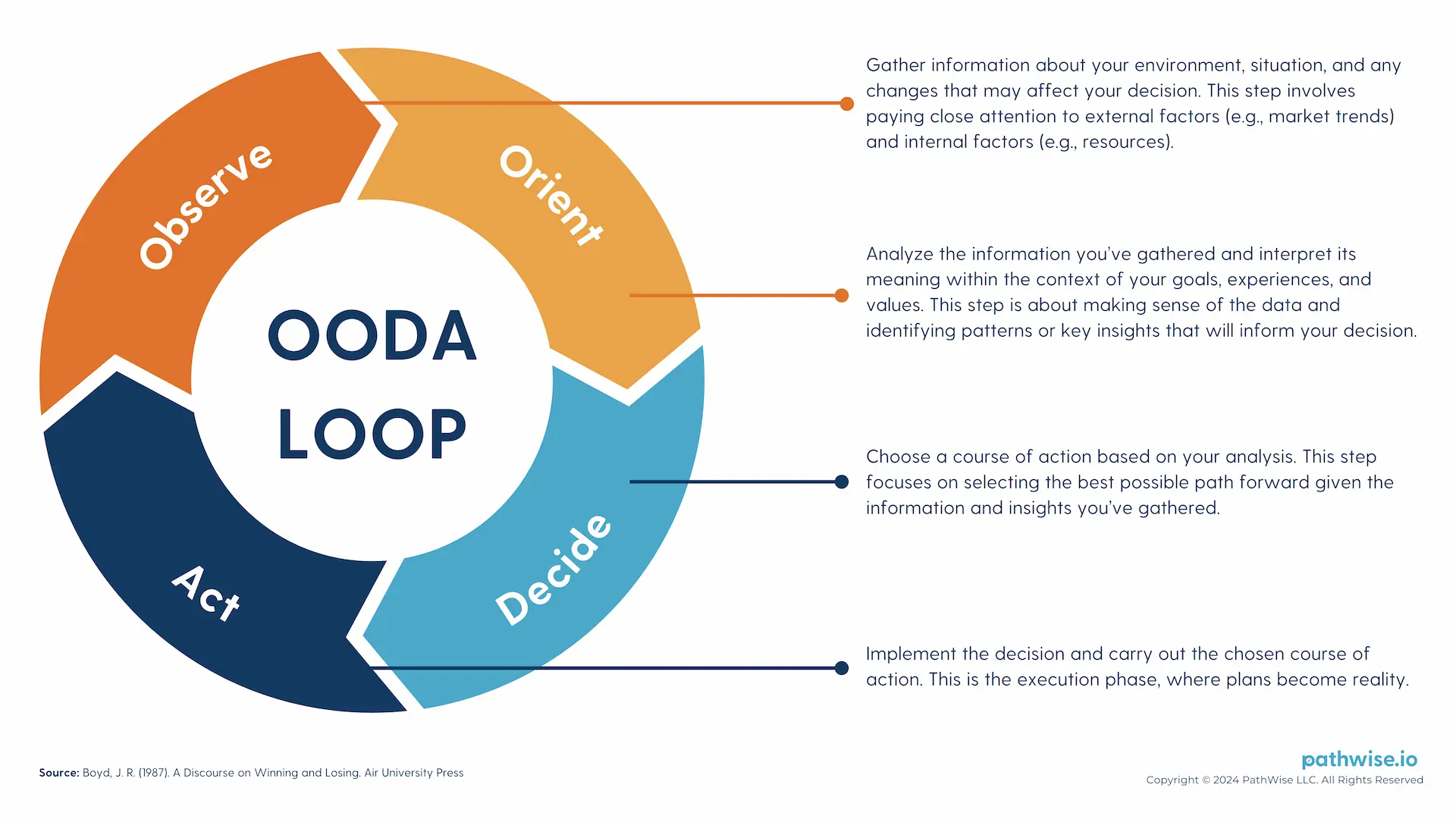
- OODA Loop: Developed by military strategist John Boyd, the OODA Loop (Observe, Orient, Decide, Act) is a decision-making framework that helps organizations respond quickly to changing conditions. It’s widely applied in business agility and leadership.
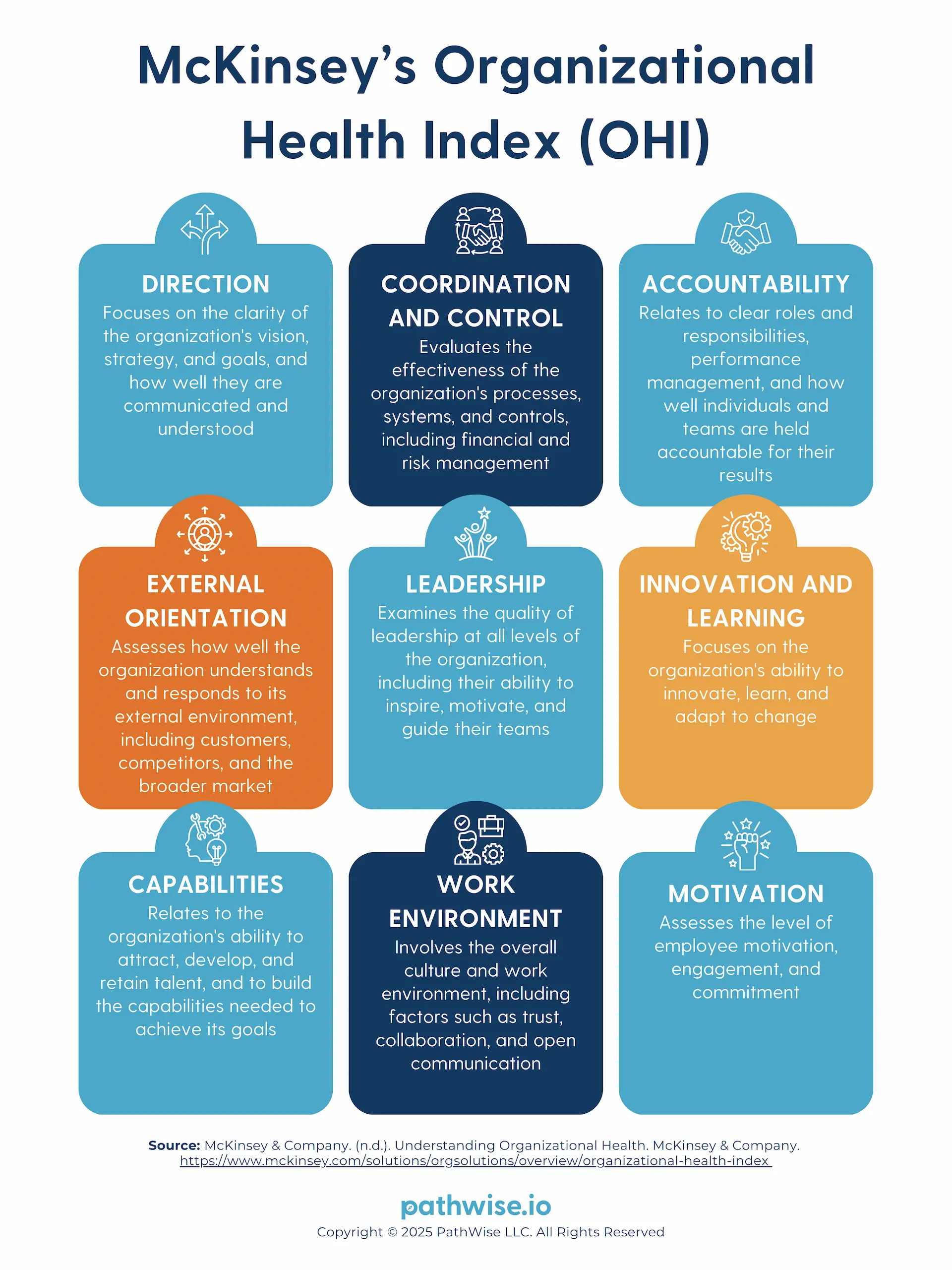
- McKinsey’s Organizational Health Index (OHI): This framework assesses an organization’s health by evaluating nine dimensions, including leadership, innovation, accountability, and agility. Companies with high OHI scores tend to be more adaptable and resilient and better positioned for long-term success. This framework helps leaders diagnose weaknesses and implement agility-focused improvements.
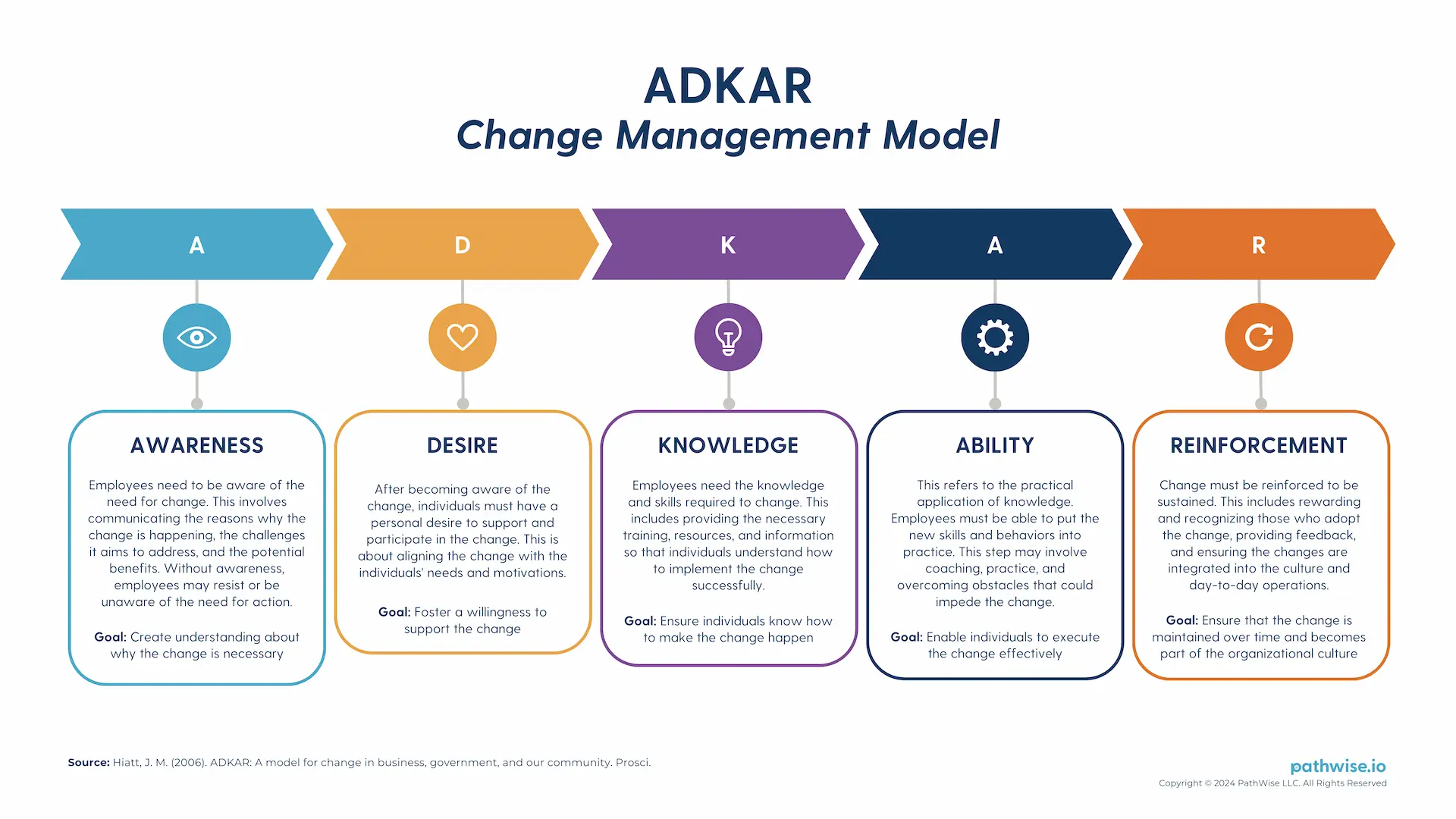
- ADKAR Change Management Model: The ADKAR model (Awareness, Desire, Knowledge, Ability, Reinforcement) is a structured approach to change management that helps individuals and organizations adopt new behaviors and strategies efficiently. It supports agility by ensuring employees understand and embrace change, reducing resistance and improving transformation success.
- SAFe (Scaled Agile Framework): SAFe provides a structured approach for scaling agile principles across large enterprises. It integrates Lean, Agile, and DevOps practices to enhance collaboration, alignment, and delivery across multiple teams. SAFe provides a set of roles, responsibilities, and workflows to help enterprises coordinate work, prioritize value, and maintain agility at scale. It includes four levels—Essential, Large Solution, Portfolio, and Full SAFe—allowing organizations to tailor the framework to their needs. By emphasizing customer-centricity, continuous improvement, and strategic alignment, SAFe helps businesses achieve faster time-to-market and greater adaptability in complex environments.
Organizational Agility in Leadership
Agility in leadership and management is about fostering a mindset and culture that enables teams and organizations to adapt, innovate, and thrive in a constantly changing environment. Agile leaders create an environment where adaptability, collaboration, and continuous improvement are prioritized while managers translate agility into operational effectiveness. Key traits of an agile leader include:
- Vision and Flexibility: They provide a clear vision while remaining open to adjustments based on new insights.
- Empowerment: They delegate authority and trust employees to make decisions quickly.
- Resilience and Emotional Intelligence: They handle uncertainty with composure, supporting teams through change.
- Rapid Decision-Making: They rely on data, feedback, and intuition to make timely decisions without unnecessary bureaucracy.
- Encouraging Experimentation: They foster a culture where failure is seen as a learning opportunity rather than a setback.
Similarly, agile management involves:
- Cross-Functional Collaboration: Breaking down silos between departments to improve communication and problem-solving.
- Iterative Planning: Using short planning cycles (e.g., quarterly reviews or sprint methodologies) to adjust goals based on progress.
- Customer-Centric Approach: Aligning teams around customer needs rather than rigid internal processes.
- Adaptive Performance Metrics: Evaluating success based on outcomes and responsiveness rather than adherence to static plans.
- Encouraging Employee Growth: Supporting learning, skill development, and role flexibility to ensure teams remain adaptable.

Image used under license from Shutterstock.com
Organizational Agility in Personal Development
Organizational agility helps us advance our careers by fostering adaptability, resilience, and a forward-thinking mindset—highly valued qualities in today’s fast-changing workplace. Those who thrive in agile environments develop the ability to navigate uncertainty, embrace change, and proactively seek new opportunities. This makes them more competitive in their current roles and better positioned for future growth.
One key advantage of working in an agile organization is exposure to cross-functional collaboration. Agile workplaces encourage employees to work across different teams, functions, and projects, broadening their skill sets and professional networks. This versatility makes us more valuable to our employers and increases our chances of moving into leadership roles or transitioning into new career paths.
Agility also fosters a culture of continuous learning and innovation, which accelerates professional development. In these types of organizations, employees are encouraged to experiment, take initiative, and learn from failures rather than fearing them. This environment builds confidence, enhances problem-solving skills, and helps us stay ahead of industry trends. Those who embrace agility are more likely to be recognized as leaders and strategic thinkers, leading to promotions, new job opportunities, and long-term career success.

Image used under license from Shutterstock.com
Conclusion
In an era of rapid disruption, agility is no longer optional. Rather, it’s increasingly becoming a defining characteristic of high-performing organizations. Companies that can pivot, experiment, and empower their teams will outpace competitors and seize new opportunities. However, agility more than reacting to change. It’s about building a culture that thrives on it. As markets continue to evolve, the most successful businesses will be those that stay ahead of change rather than chasing it. Ultimately, the future belongs to those who can adapt.
