


When it comes to advancing your career, it’s easy to feel overwhelmed by the pressure of making the “right” decision. At some point in our lives, most of us will face a career pivot, seek new opportunities, or strive for greater job satisfaction. In all these scenarios, the stakes often feel high. But what if you could approach your career journey in the same way innovative companies approach new ideas—by prototyping? Just like designers and entrepreneurs test new products with smaller, low-risk experiments, you could test out different career paths, roles, and goals before fully committing to them.
Prototyping in your career is about embracing experimentation as a tool for growth. It encourages you to explore different options, gather feedback, and iterate on your professional direction. Thinking of your career as a series of prototypes creates space for learning, reflection, and adaptation, allowing you to reduce the fear of failure and focus instead on continuous improvement.

Image used under license from Shutterstock.com
What is Prototyping?
In the context of career management, prototyping refers to the process of testing out different career paths, roles, projects, or skills through small, low-risk experiments. Much like in product development, prototyping involves trying out various career options to determine what works best, learn from experiences, and refine accordingly. These experiments can take the form of side projects, job shadowing, internships, or taking on new responsibilities in our current roles. Specifically, it allows for:
- Exploration and Clarity: Prototyping helps us explore different roles, industries, or skills in a low-stakes environment, helping us identify what truly aligns with our interests, values, and strengths.
- Informed Decision-Making: Prototyping leads to better decision-making by allowing us to gather feedback, reflect on experiences, and assess what’s working and what isn’t before making bigger career commitments.
- Adaptability: In rapidly changing job markets, prototyping helps us remain adaptable, as testing out different scenarios allows us to quickly pivot or make informed decisions when needed.
- Learning and Growth: Prototyping also provides opportunities to gain new skills and knowledge, making us more versatile and enhancing our career development.
- Reduced Risk: By testing ideas before fully committing, we can avoid making costly mistakes or pursuing paths that don’t align with our goals or aspirations.

Image used under license from Shutterstock.com
Thought Leaders
Several thought leaders are influential in career prototyping, exploration, and development. They focus on helping people navigate career changes, explore new possibilities, and make informed decisions about their professional journeys. Some of these experts include:
- Herminia Ibarra: A leading expert on professional and career development, particularly around the concept of boundaryless careers, she emphasizes the importance of experimenting with different roles and networks to gain clarity and move forward in our careers. Her book, Working Identity: Unconventional Strategies for Reinventing Your Career, explores the idea of career prototyping as a tool for professional reinvention.
- Bill Burnett and Dave Evans: The authors of Designing Your Life, they advocate for using design thinking to approach career development and suggest prototyping different career paths as part of a process of experimentation to help us align our work with our passions and strengths.
- Amy Edmondson: Known for her work on psychological safety and team learning, Edmondson’s research also touches on the importance of creating an environment where we feel safe to experiment and prototype without fear of failure. In The Right Kind of Wrong, she argues that learning and innovation can only happen through intelligent failures.
- Clayton Christensen: While best known for his work on disruptive innovation, Christensen’s ideas about disrupting our own careers by testing new ideas, roles, and paths align closely with the concept of prototyping in professional growth. His book How Will You Measure Your Life? explores these themes.
- Tiffany Dufu: An expert in women’s leadership and personal development, Dufu encourages prototyping and testing out different career scenarios to create a fulfilling professional life. Her work on doing less and being more aligns with the idea of experimenting with various aspects of our careers to find the right fit.
- Reid Hoffman: Co-founder of LinkedIn and author of The Startup of You, Hoffman advocates for thinking of our careers as a startup, where prototyping, experimentation, and continuous reinvention are key to success.
- Dorie Clark: A career and leadership expert, Clark’s work focuses on reinvention and making bold career moves. Her book Reinventing You discusses how we can diversify our income and experiment with career changes to find their true path.
Key Frameworks
Prototyping frameworks are structured approaches to experimentation designed to help people or organizations test ideas, solve problems, or explore new paths before committing to full-scale implementation. Here are some key prototyping models that can be used in various contexts, including career development, product design, and innovation:
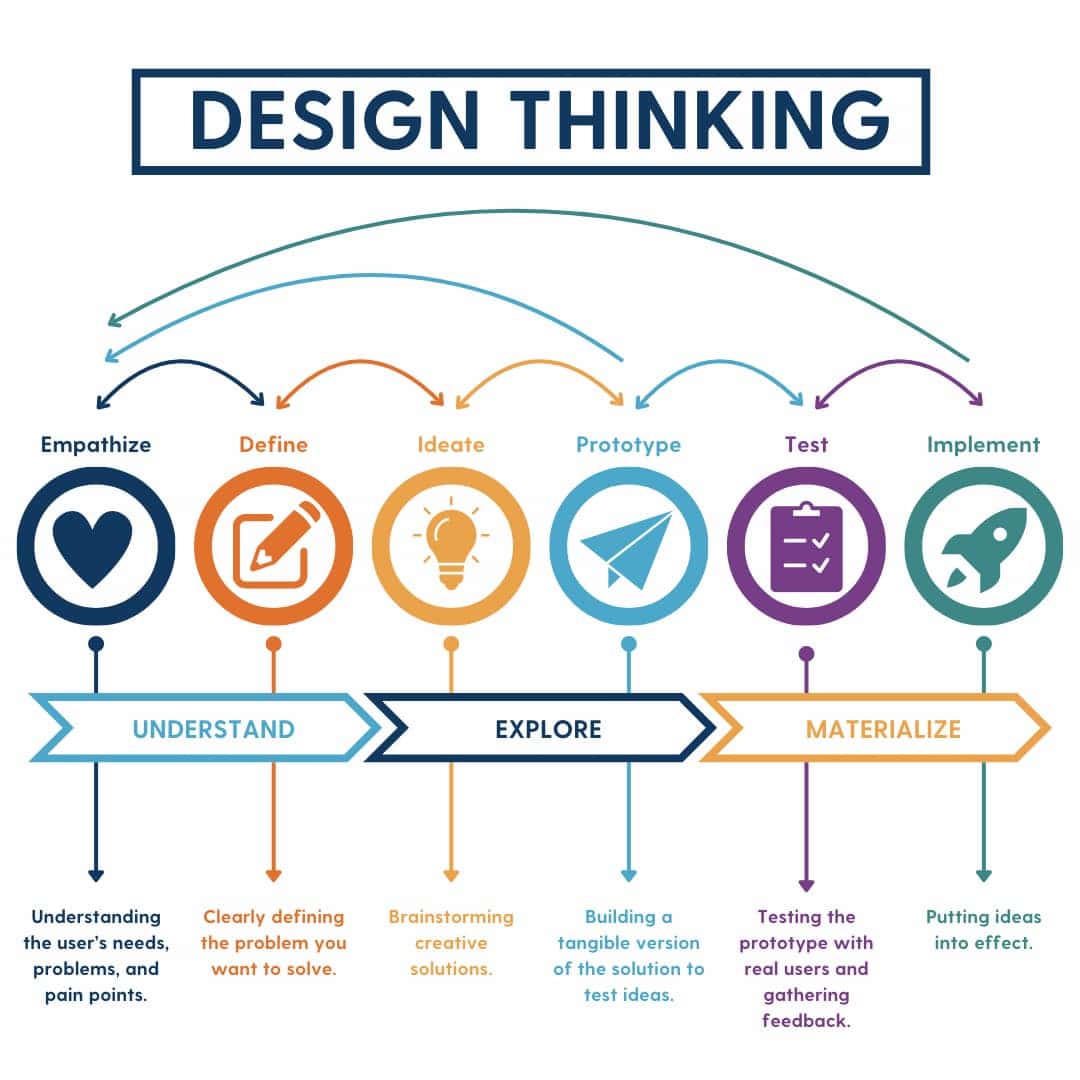
- Design Thinking (IDEO): Design Thinking is one of the most widely used prototyping frameworks, particularly in product design and innovation. It’s based on human-centered design principles and consists of six stages, shown below.
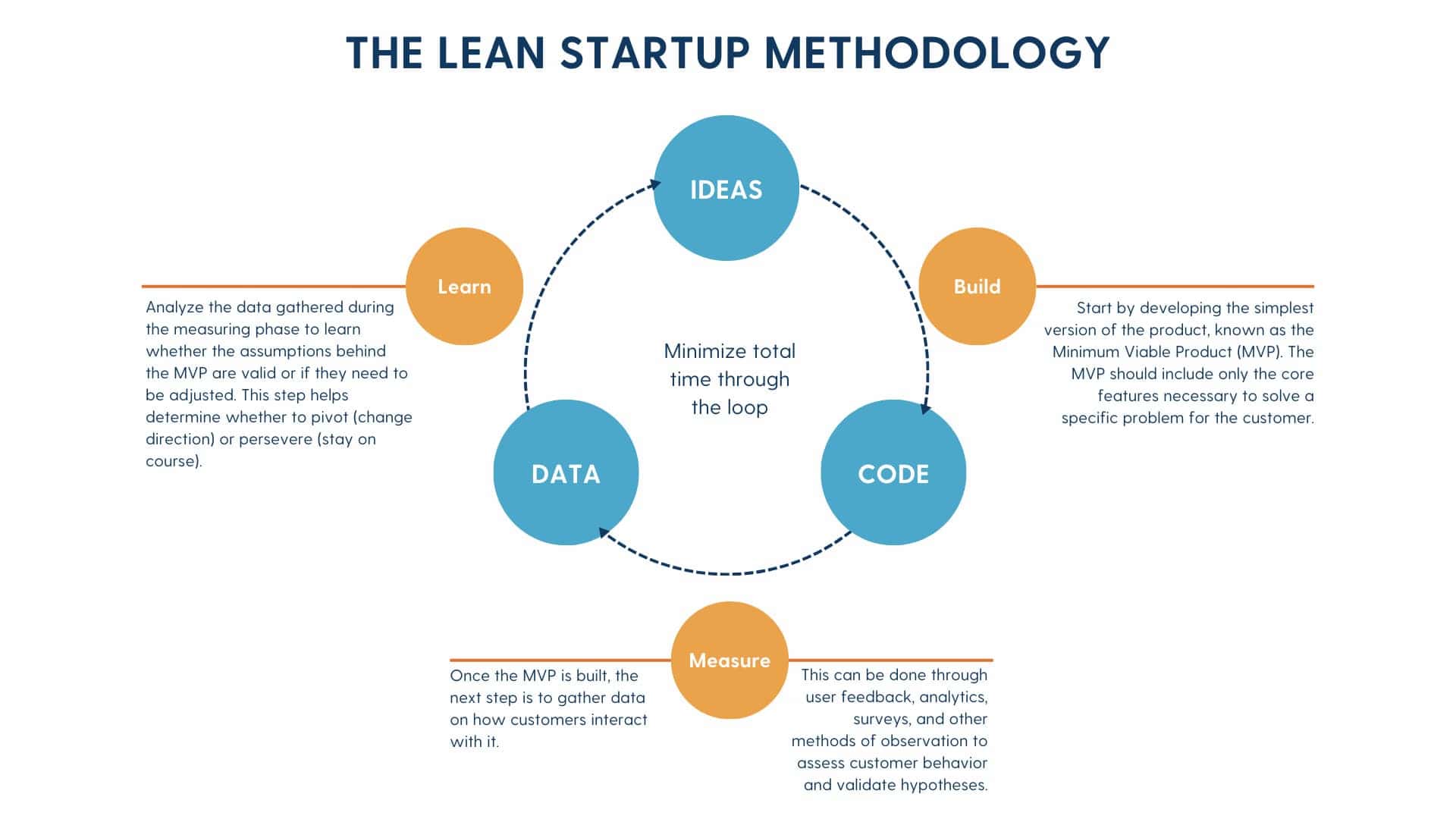
- Lean Startup Methodology (Eric Ries): The Lean Startup methodology is built on the idea of quickly building a Minimum Viable Product (MVP) to test business ideas with real users. It applies to both businesses and individuals exploring new career opportunities and skills, as it prioritizes learning and fast iteration over perfection.
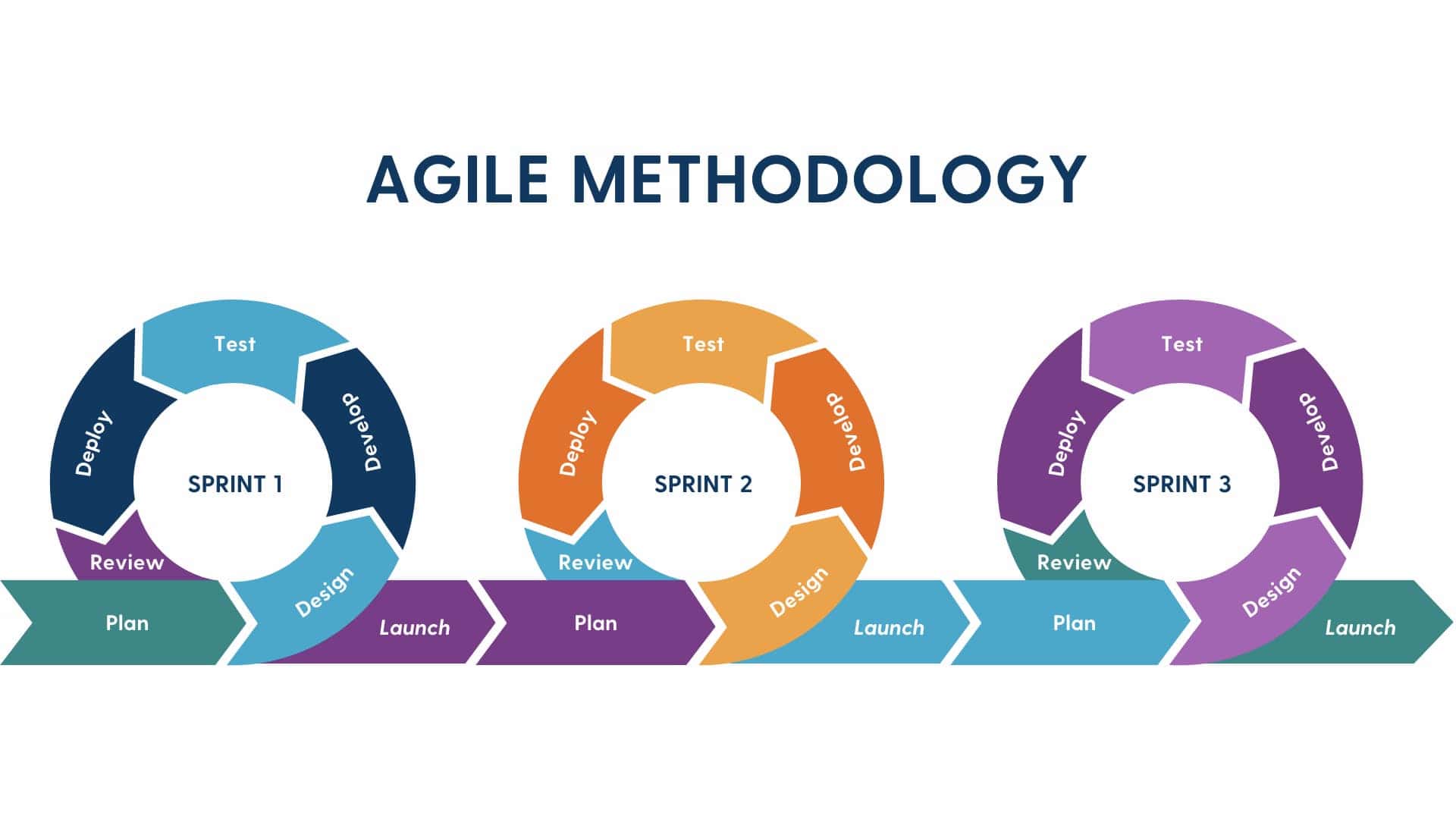
- Agile Methodology: Agile is a flexible and iterative approach to project management and product development, which can be applied to career prototyping as well. Agile focuses on delivering small, incremental improvements. It also encourages adaptability and responsiveness to changing circumstances, which is particularly useful in uncertain or dynamic career environments.
- Rapid Prototyping: This technique is commonly used in product design to quickly develop a working model of a product or system. The approach emphasizes creating quick, low-fidelity prototypes to test concepts in real-world scenarios, focusing on speed and efficiency, allowing for numerous tests and iterations without committing significant resources upfront:
- The Business Model Canvas: This is a strategic management tool that can be used to prototype business ideas. In the context of career development, it can help you design, test, and refine your career strategy by focusing on personal values, goals, and stakeholders. You can download a PDF version of the image below here.
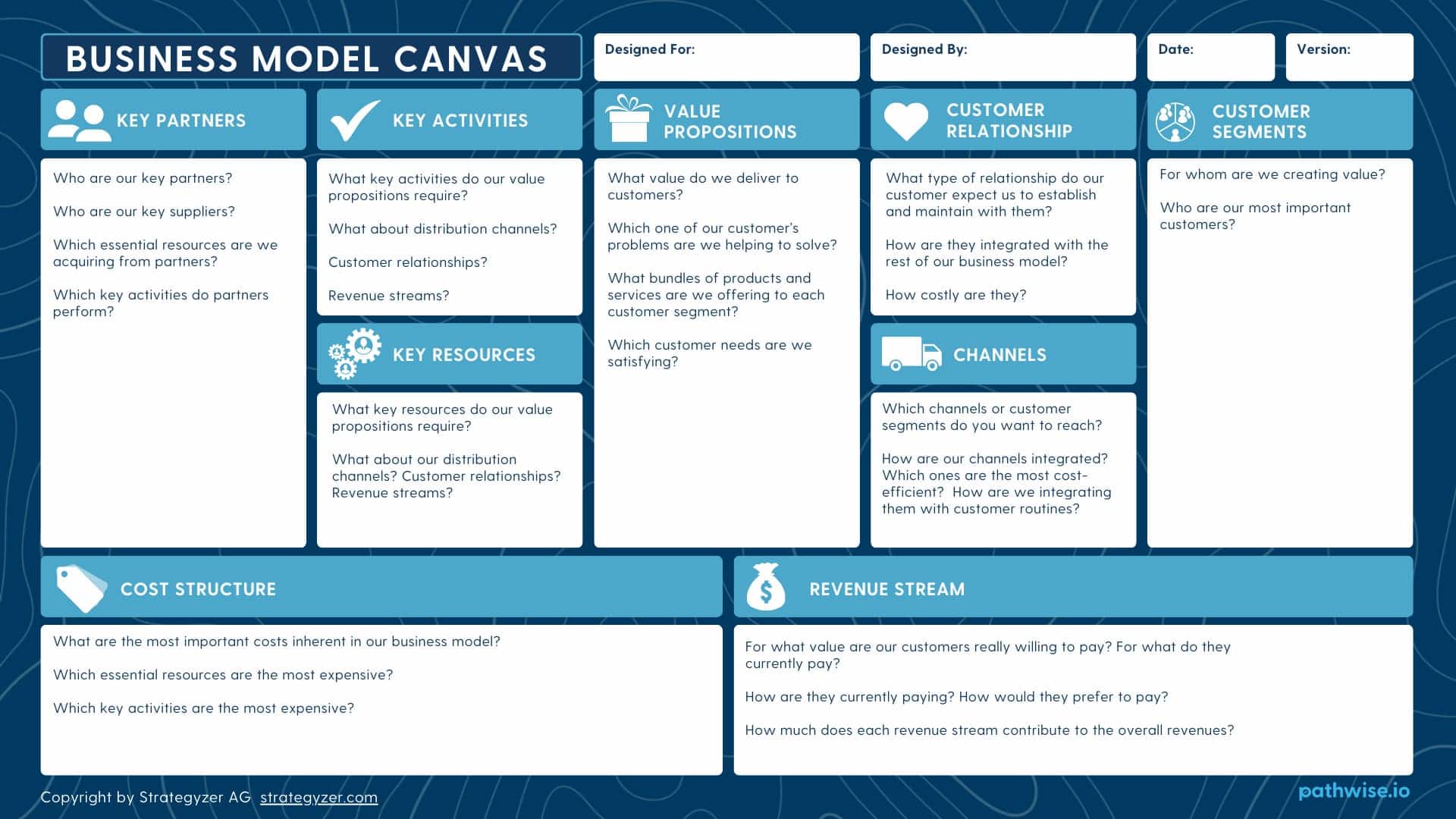
- The Try, Fail, Learn Model: Clayton Christensen, a professor at Harvard Business School, encourages experimenting with career decisions through small, iterative “prototypes” that allow for learning through failure and feedback:
- Try: Experiment with a new career path, project, or role that interests you.
- Fail: Embrace failure as a necessary part of the learning process.
- Learn: Analyze what went wrong and adjust your approach.
- The Job Crafting Framework: Amy Wrzesniewski’s research on job crafting suggests that employees can “prototype” their job roles by changing certain aspects of their work:
- Task Crafting: Modify the tasks you take on or the way you perform them.
- Relational Crafting: Change the relationships or interactions you have with coworkers.
- Cognitive Crafting: Shift how you view your job or career to find greater meaning.
- Portfolio Careers. The concept of portfolio careers offers a means to test different choices, in that you’re pursuing two or more sources of income at any one point in time. By not anchoring yourself to the traditional approach of a single full-time job, you open up the possibility to test multiple paths in parallel, such as doing graphic design, writing about architecture, and teaching design principles part-time.


Prototyping in Leadership
While prototyping can be used in evaluating career choices, it can also enhance a manager’s leadership capabilities by fostering a mindset of experimentation, learning, and adaptability. More specifically, prototyping:
- Encourages a Growth Mindset: Prototyping encourages managers to view challenges and setbacks as learning opportunities rather than failures. By treating each decision, project, or initiative as an experiment, managers can embrace the process of trial and error, helping them foster a culture of experimentation, innovation, and learning.
- Improves Decision-Making: Through prototyping, managers can test their assumptions and ideas before committing to large-scale changes. This iterative approach allows them to make decisions based on data and feedback rather than intuition alone. This reduces the risk of costly mistakes and helps managers refine their strategies over time.
- Enhances Adaptability: Prototyping promotes flexibility and adaptability by encouraging managers to continuously reassess their approaches. When managers prototype, they are more open to adjusting their methods, goals, or processes based on real-world results.
- Promotes Collaboration and Team Involvement: Prototyping often involves testing ideas with others, gathering feedback, and iterating. When managers engage their teams in this process, it fosters collaboration, encourages diverse perspectives, and empowers employees to contribute to problem-solving. This enhances trust, communication, and alignment with the organization’s goals.
- Improves Risk Management: Prototyping allows managers to test new initiatives or ideas on a smaller scale before fully committing resources. This reduces the perceived risk of trying new approaches, as managers can fail fast, learn quickly, and make adjustments. This approach minimizes the potential negative impact of unsuccessful efforts.
- Drives Innovation: Prototyping fosters creativity and innovation by encouraging managers to experiment with new ideas, processes, or products. With it, managers can explore unconventional approaches that might not have been considered otherwise, helping them stay ahead of competitors and identify new growth opportunities.
- Strengthens Communication and Feedback Skills: As prototyping involves continuous feedback loops, managers develop stronger communication skills by engaging with team members, stakeholders, and customers. They learn how to give constructive feedback, ask the right questions, and actively listen.
- Increases Employee Engagement: When managers lead by prototyping, they create an environment where employees feel empowered to experiment, share ideas, and contribute to the success of the organization. This sense of ownership and involvement boosts employee engagement and job satisfaction, as team members feel their input is valued and that they are part of a collaborative, forward-thinking team.
- Builds Problem-Solving and Critical Thinking Skills: By prototyping and iterating, managers constantly solve problems and refine their approaches. This helps them sharpen their critical thinking skills, enabling them to analyze situations more effectively, anticipate challenges, and devise solutions that are more likely to succeed.
- Fosters Accountability and Ownership: Prototyping requires managers to take ownership of both successes and failures. They must be accountable for the results of their experiments, including the lessons learned and the necessary adjustments. This sense of accountability builds trust with their teams, as employees can rely on their leaders to take responsibility and guide them through the ups and downs of experimentation.

Image used under license from Shutterstock.com
Prototyping in Personal Development
Prototyping helps us manage our careers by offering a structured approach to testing and exploring new opportunities before fully committing to them. So rather than making drastic career decisions based on assumptions or fear of failure, we can prototype various career paths, roles, or skills. For instance, we might take on a short-term project, freelance work, or volunteer for a new responsibility at our current job to gauge whether it aligns with our interests, values, and long-term goals. This allows us to gather real-world feedback and insights, helping us make more informed career decisions.
Prototyping also encourages experimentation and learning. Treating career decisions as experiments rather than final commitments reduces the pressure to be perfect and helps us embrace growth. If a particular direction doesn’t work, we can pivot and try something else, continuously refining our career strategy based on what we learn.
Finally, prototyping enables us to better understand our strengths, preferences, and work styles. As we test different roles or industries, we understand what excites us, what drains us, and what we excel at. This self-awareness is crucial for making long-term career choices that align with our personal and professional aspirations. By prototyping, we can proactively shape our careers in a way that is both intentional and adaptable to changing circumstances.
Conclusion
Prototyping our careers is a powerful way to take control of our professional journeys without the pressure of making permanent, high-stakes decisions. Experimenting with different roles, skills, or industries lets us gain valuable insights into what aligns with our strengths, values, and aspirations. Each prototype becomes a stepping-stone toward a more informed, adaptable, and fulfilling career path.
So, instead of feeling paralyzed by uncertainty or the fear of failure, embrace the mindset of a prototype. Test, learn, and iterate, knowing that every experience adds value to your growth. Approach your career with the same flexibility and curiosity as you would a new product or idea, and you’ll be better equipped to navigate the twists and turns ahead, creating a career that truly works for you—one thoughtful experiment at a time.
Other Resources
- PathWise Book Summary: Right Kind of Wrong by Amy C. Edmondson
- PathWise Book Summary: Working Identity by Herminia Ibarra
- PathWise Book Summary: Designing Your Life by Bill Burnett and Dave Evans
- PathWise Book Summary: Entrepreneurial You by Dorie Clark
- HBR: Prototyping That’s Less Prone to Failure
- HBR: The Unexpected Benefits of Rapid Prototyping
- HBR: The Future of Prototyping is Now Live
