


It can sometimes feel like career satisfaction is a fleeting dream. The allure of promotions, higher salaries, and prestigious titles can overshadow the deeper question: What truly drives and fulfills you?

Image used under license from Shutterstock.com
What Is Purpose?
Purpose is the profound motivation that drives your professional choices and actions. It goes beyond financial gain or job security, serving as the reason behind what you do. Your purpose influences both your career path and how your work contributes to your personal and professional growth and its impact on the betterment of society.
Here are some key components of purpose in career management:
- Meaningful Contribution: A sense of purpose often involves trusting that your work contributes to a larger, consequential goal or serves a greater good. It’s about making a positive impact, whether on individuals, communities, or the world.
- Alignment with Values: Your career purpose should align with your core values and beliefs. Harmonious values and work are more likely to lead to fulfillment and satisfaction.
- Passion and Engagement: A purposeful career is one that you’re passionate about, but it also gives you a reason for your passion. It’s work that excites and engages you, making you eager to invest time and effort into it.
- With a strong sense of purpose, you’ll be better able to find the extra motivation you need to work through challenging periods.
- Long-Term Perspective: Purpose in career management often extends beyond short-term goals. It involves a vision of where you want to go and how you want to grow throughout your career.
- Personal Growth: Purposeful careers often challenge you to grow and develop. You continually seek to improve and learn.
- Alignment with Strengths: Purposeful work often leverages your strengths and talents. When you’re doing what you’re naturally good at, you’re more likely to excel and find meaning in your career.
- Adaptability: Purpose can evolve. As you grow and change, your career purpose may also shift. Being open to this evolution is part of managing your career.
Thought Leaders
Many experts have investigated the role of purpose in career management, as well as factors and elements that can help people find it. The following are notable thought leaders, each offering valuable insights and perspectives on these topics.
- Simon Sinek is known for his Start with Why concept, which emphasizes the importance of finding one’s purpose and using it as a guiding principle in both personal and professional life.
- Brené Brown is a researcher and author whose work on vulnerability, courage, and authenticity has profound implications for personal and career development, as it encourages individuals to align their work with their true selves.
- Daniel Pink, the author of books such as Driveand The Power of Regret, explores motivation, autonomy, and purpose in the workplace, offering insights on how to find and foster meaning in one’s career.
- Adam Grant is an organizational psychologist and author whose research and books, such asGive and Take and Originals, provide insights into the role of purpose and meaningful work in career success and innovation.
- Richard Leider is a pioneer in the purpose field and has written extensively on the subject, developing tools like the Purpose Checkupto help individuals discover their life’s purpose and align it with their careers.
- Tara Mohrworks on leadership and personal growth, as featured in her book Playing Big, where she emphasizes the importance of identifying and pursuing one’s calling or purpose in work and life.
- Amy Wrzesniewski is a professor of organizational behavior whose research on job crafting and finding meaning in work has practical applications for career management and satisfaction.
- Jim Collins is an American author and business consultant known for his research on leadership and management and his bestselling book, Good to Great, which explores how purpose can help companies transition from mediocrity to excellence.
Frameworks
Frameworks are often powerful tools for introspection and self-discovery. They can help you clarify your values, passions, and goals, ultimately guiding you toward a more purposeful and meaningful career journey. In the context of purpose, a few notable ones are:
- The Ikigai Diagram: This is a popular visual representation of the Japanese concept of “Ikigai,” which illustrates the intersection of four elements: what you love, what you are good at, what the world needs, and what you can be paid for. The center, where all these aspects converge, represents your Ikigai or purpose.
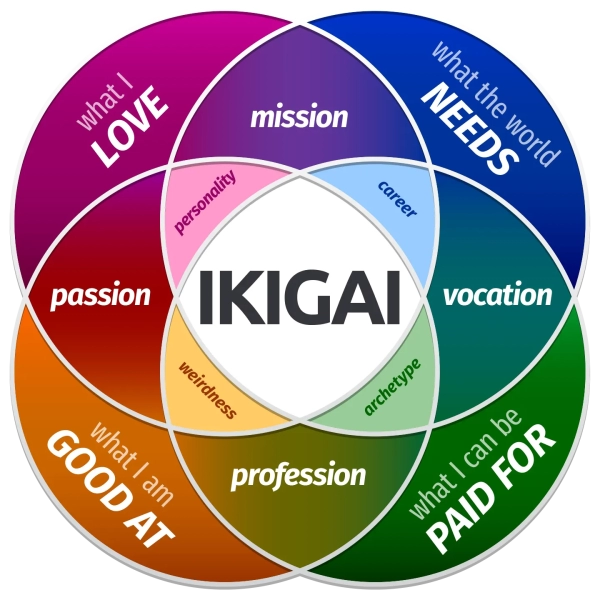
Image sourced from ikigaitest.com
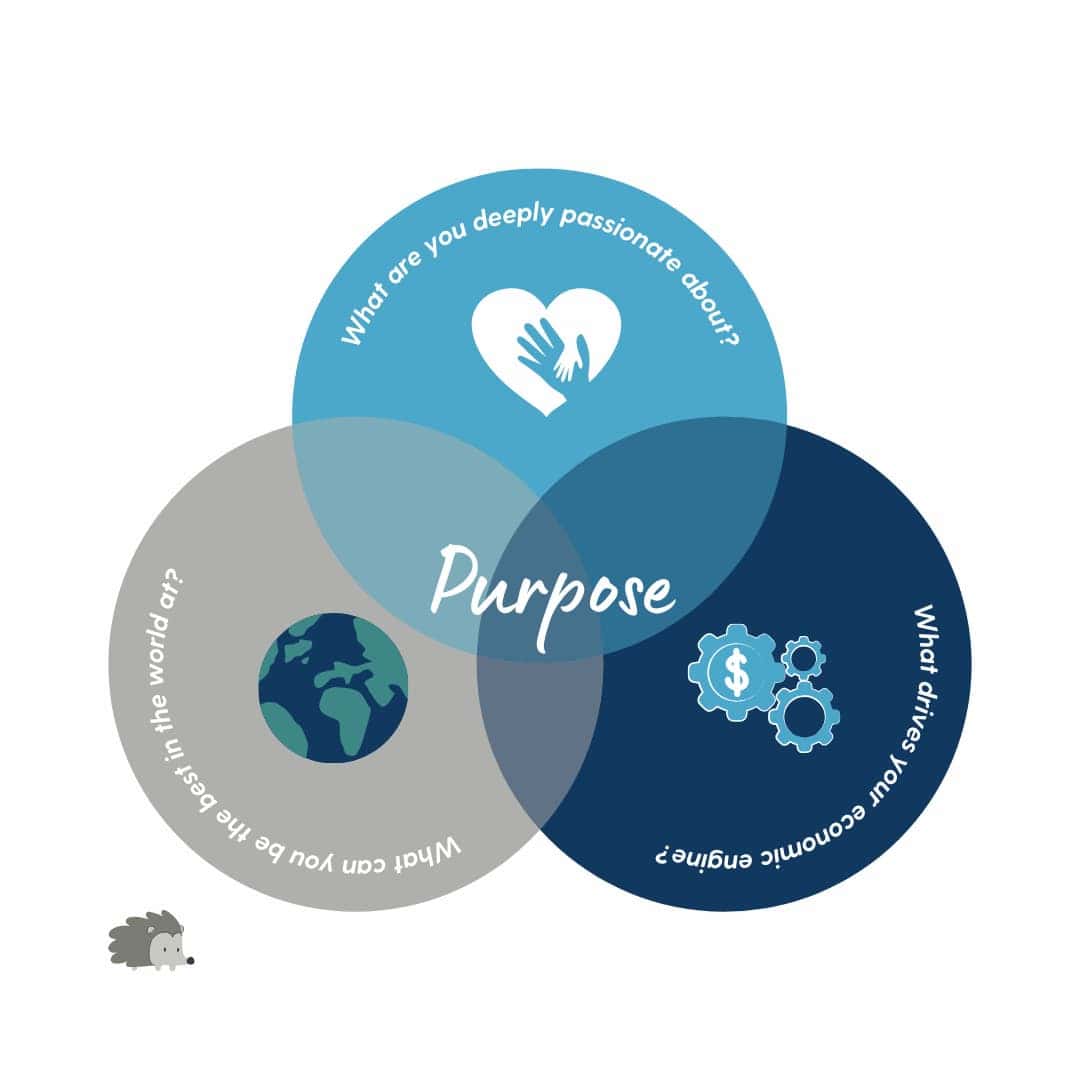
- The Hedgehog Concept: This concept, popularized by Jim Collins in his book Good to Great,is often represented as a Venn diagram. It suggests that your purpose lies at the intersection of three circles: what you are deeply passionate about, what you can be the best in the world at, and what drives your economic engine.

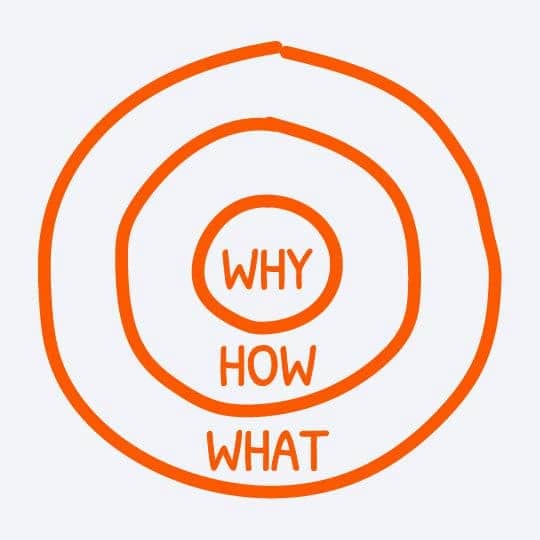
- Simon Sinek’s Golden Circle: In this framework, represented as three concentric circles, Simon Sinek emphasizes starting with Why at the core, followed by How and What. It’s a powerful way to articulate your purpose and communicate it effectively.
- The Life Wheel: This visual tool divides life into different aspects, such as career, relationships, health, and personal growth, represented as wheel segments. It helps you assess how fulfilled you are in each area and where you might want to focus to align with your purpose.
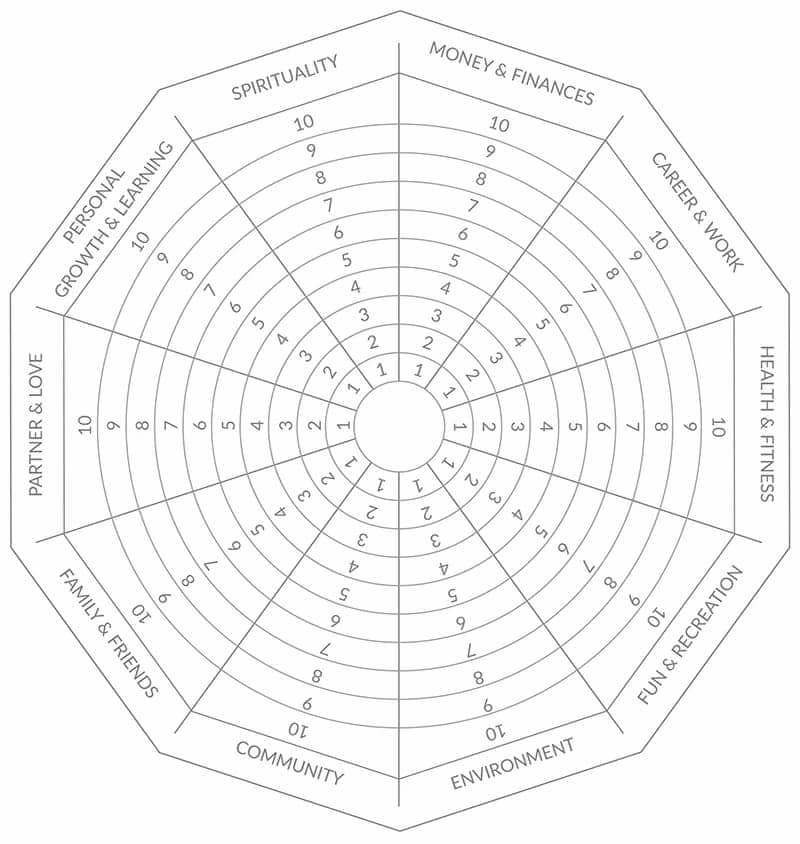
Source: https://positivepsychology.com/wheel-of-life-coaching/


Purpose and Leadership
Purpose is fundamental to fostering effective, impactful organizations. It serves as a North star for leaders, influencing their decisions, actions, and the overall culture they cultivate within their teams. Leaders who are clear about their purpose can articulate a vision that resonates with their team members, motivating them to work toward common goals. This shared sense of purpose enhances employee engagement and fosters a stronger organizational identity, as individuals see their work as contributing to something greater than themselves.
Purpose-driven leadership also leads to more ethical and responsible decision-making. When leaders align their actions with a well-defined purpose, they’re more likely to consider the broader implications of their choices, leading to sustainable practices that benefit both the organization and society. This alignment helps create an environment where team members feel empowered to act per shared values, promoting trust and collaboration within the organization.

Image used under license from Shutterstock.com
Purpose and Career Management
Defining your purpose can have a profound impact on your career management in several ways:
- Clarity and Focus: When you have a clear sense of purpose, you gain clarity about your career goals and the direction you want to go in. This clarity helps you make more informed decisions about job opportunities, projects, and professional development.
- Motivation and Engagement: Purpose provides intrinsic motivation. Knowing why you’re doing what you’re doing makes you more likely to stay engaged, even in challenging times. This motivation can lead to increased job satisfaction and higher levels of productivity.
- Resilience: Purpose can be a source of resilience. A strong sense of purpose can help you bounce back, adapt, and persevere when you face setbacks or obstacles in your career.
- Lifelong Learning: Pursuing your purpose often involves ongoing learning and skill development. This commitment to growth can lead to increased expertise and a more rewarding career.
- Networking and Relationships: When you’re clear about your purpose, you attract like-minded individuals with similar values and goals. This can lead to valuable networking opportunities and collaborations.
- Personal Satisfaction: Defining your purpose can lead to a deeper sense of personal satisfaction and fulfillment in your career. It’s not just about achieving success; it’s about achieving meaningful
- Legacy Building: For many people, purpose is tied to leaving a lasting legacy. It’s about making a positive impact on your organization, industry, or society as a whole. This long-term perspective can guide your career choices.
Conclusion
To harness the benefits of defining your purpose for career management, take time for introspection, reflect on your values, passions, and strengths, and consider how they align with your career goals. Crafting a clear and concise purpose statement can serve as a powerful reminder of why you do what you do and guide your career decisions. Additionally, periodically revisit and adjust your purpose as your life and career evolve.
Tools and Exercises
- Would you like to check up on your purpose? Check out this self-assessment tool.
- If you’d like to measure your purpose, based on the life wheel, visit this site.
- Take this personality test to determine your Ikigai.
Want to learn more? Check out these resources:
- Five Steps to Finding Your Career Purpose
https://www.linkedin.com/pulse/5-steps-finding-your-career-purpose-backpacking-rosie-mccarthy-/ - What is the Purpose of Your Purpose?
https://hbr.org/2022/03/what-is-the-purpose-of-your-purpose - From Purpose to Impact
https://hbr.org/2014/05/from-purpose-to-impact - The Power Of Purpose And Why It Matters Now
https://www.forbes.com/sites/tracybrower/2021/08/22/the-power-of-purpose-and-why-it-matters-now/?sh=31c7a4b163a3 - When ‘What is Your Purpose?’ Gives You Anxiety in the Job Interview
https://www.forbes.com/sites/chriswestfall/2023/07/10/when-what-is-your-purpose-gives-you-anxiety-in-the-job-interview-try-this-instead/?sh=9d484a409882 - Start With Why
https://www.ted.com/talks/simon_sinek_how_great_leaders_inspire_action?language=en - The Puzzle of Motivation
https://www.ted.com/talks/dan_pink_the_puzzle_of_motivation?language=en
