



There is strength in still waters.
Yet, we tend to mistake volume for vision. We assume the loudest voice in the room is the one with the best ideas. But leadership doesn’t always announce itself. Some of the most influential types can arrive quietly, like a river cutting through rock not by force, but by patience.
Consider the story of Satya Nadella, Microsoft’s CEO. When he took over in 2014, he didn’t storm in with fiery speeches or sweeping pronouncements. Instead, he listened. He asked questions. He encouraged empathy and curiosity. Slowly, under his calm and steady guidance, Microsoft transformed its culture, accelerating innovation and surpassing its previous market value.
This is quiet leadership. It doesn’t chase the spotlight or rely on bravado. It influences from the inside out, through clarity, empathy, humility, and presence.

Image used under license from Shutterstock.com
What is Quiet Leadership?
Quiet leadership is an approach to leadership that focuses on calm influence, deep listening, humility, and thoughtful action rather than charisma, command, or authority. It emphasizes leading by example, fostering trust, and empowering others without dominating conversations or seeking the spotlight.
This style is often associated with:
- Self-awareness
- Emotional intelligence
- Guiding rather than directing
- Creating space for others to grow
- Making deliberate, values-based decisions
- Staying composed in times of pressure
Author David Rock coined the term in his book Quiet Leadership. However, the term also connects to broader cultural shifts that value introverted, reflective leaders who bring clarity and impact through presence rather than volume. This approach is particularly effective in complex, collaborative environments where empathy, psychological safety, and long-term thinking are crucial.

Image used under license from Shutterstock.com
Thought Leaders
Several thought leaders whose work is closely associated with quiet leadership, either directly through or indirectly (by embodying its core principles of humility, thoughtful influence, and empowering others), include:
- David Rock: The author of Quiet Leadership: Six Steps to Transforming Performance at Work, he provides a neuroscience-based framework for leading through better thinking and communication rather than control. He emphasizes the importance of asking over telling and fostering others’ insight.
- Susan Cain: Author of Quiet: The Power of Introverts in a World That Can’t Stop Talking, she brought widespread attention to the strengths of introverted leaders. She argues that deep thinking, listening, and calm presence are undervalued leadership traits in a culture that prizes extroversion.
- Adam Grant: An organizational psychologist and author of Give and Takeand Think Again, he argues that humility, curiosity, and service are core leadership traits. He often highlights the effectiveness of quiet, conscientious individuals in driving long-term organizational success.
- Jim Collins: In Good to Great, he describes Level 5 Leaders as those who combine fierce resolve with personal humility. These leaders are ambitious for the company, not themselves, embodying the quiet strength that defines sustainable leadership.
- Ed Catmull: As co-founder of Pixar and author of Creativity, Inc., he quietly led one of the most creative companies in the world. He focused on building trust, protecting creative teams, and letting others shine.
- Herminia Ibarra: A professor at London Business School and author of Act Like a Leader, Think Like a Leader, she explores how people grow into leadership by testing new behaviors. She recognizes the value of reflective leadership and gradual, thoughtful transitions into influence.
- Deborah Rowland: Co-author of Still Moving: How to Lead Mindful Change, she advocates for presence, inner calm, and conscious awareness in leading transformation. Her work integrates mindfulness and systems thinking—a perfect match for the quiet leader’s toolkit.
- Simon Sinek: Best known for Start With Why and Leaders Eat Last, he often endorses the notion of servant leadership—putting the needs of others first and building trust through consistency and empathy. He emphasizes that great leaders create safety, inspire with clarity, and lead through purpose and care.

Image used under license from Shutterstock.com
Key Frameworks
Several frameworks and models align closely with quiet leadership, emphasizing self-awareness, humility, listening, and empowering others as key leadership traits. Some of the most notable ones include:
- The Quiet Leadership Model: Created by David Rock, this model outlines six steps to improving others’ thinking rather than giving directives. It focuses on improving performance through insight, reflection, and mental clarity—tools well-suited to reserved, thoughtful leaders.
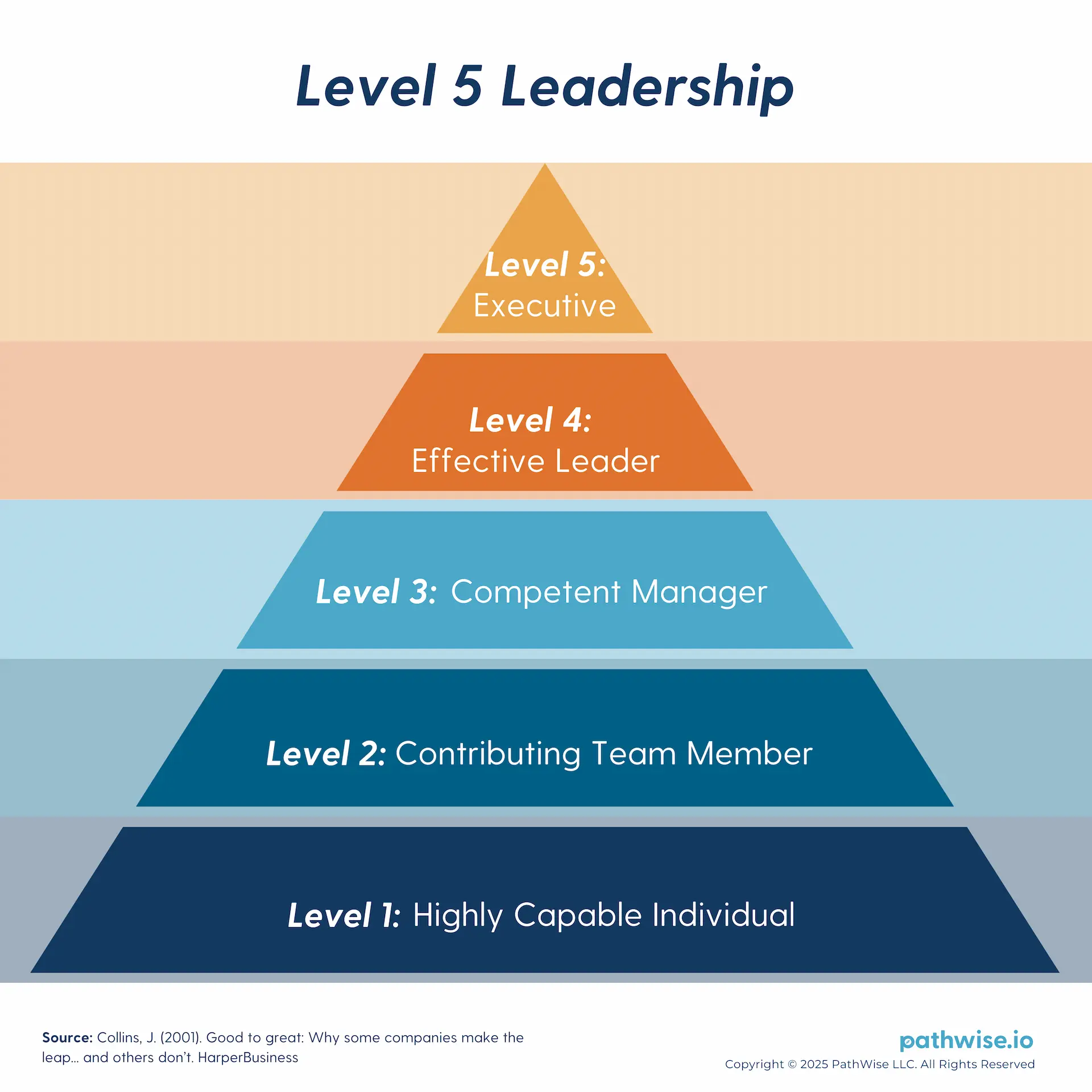
- Level 5 Leadership: Proposed by Jim Collins, this model describes leaders who blend personal humility with intense professional will. Level 5 leaders are quietly determined, focused on building enduring greatness, and more interested in results than recognition.
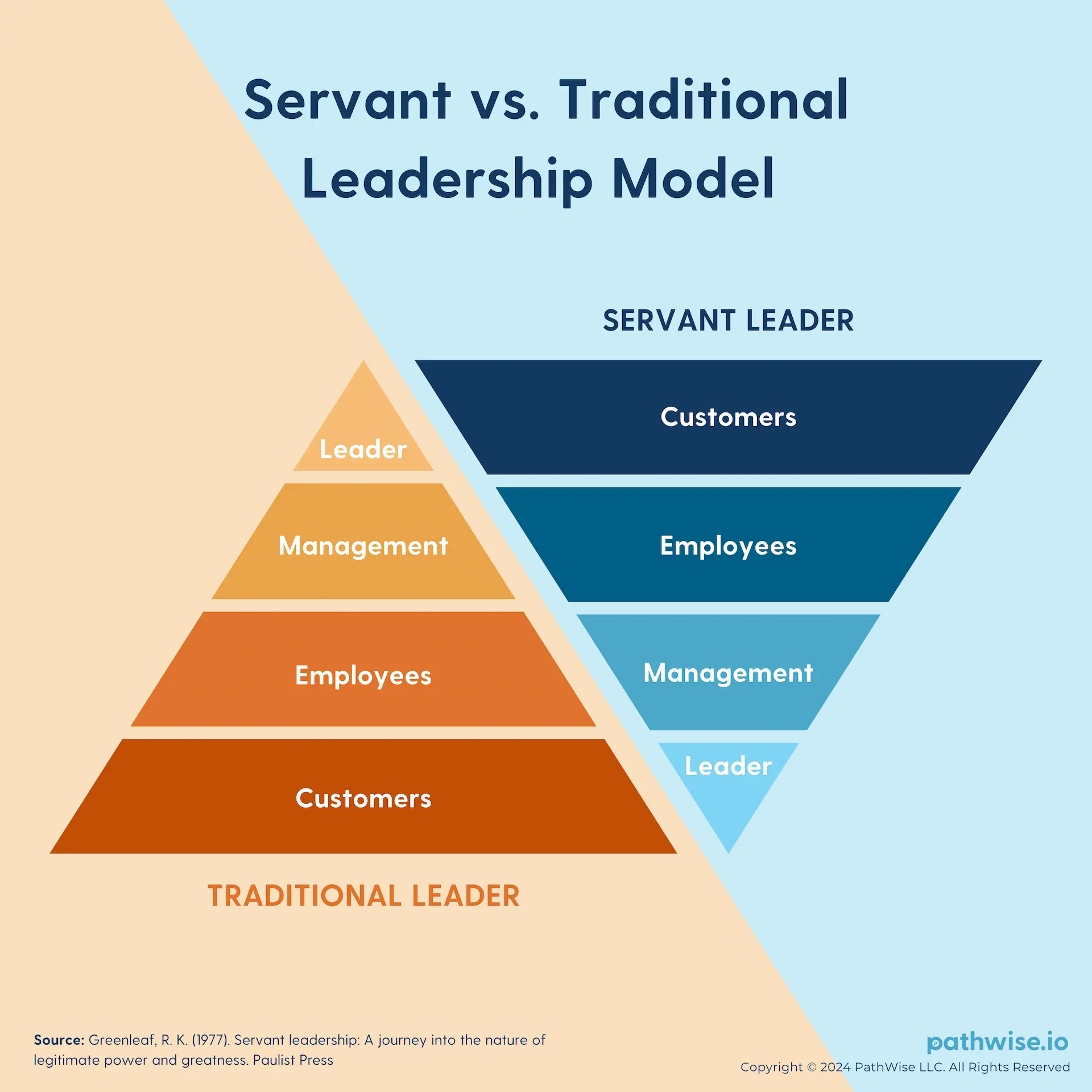
- Servant Leadership: Developed by Robert K. Greenleaf, this framework proposes that servant leaders prioritize the growth and well-being of others, fostering trust and collaboration. This approach flips the power dynamic, placing the leader in service to the team.
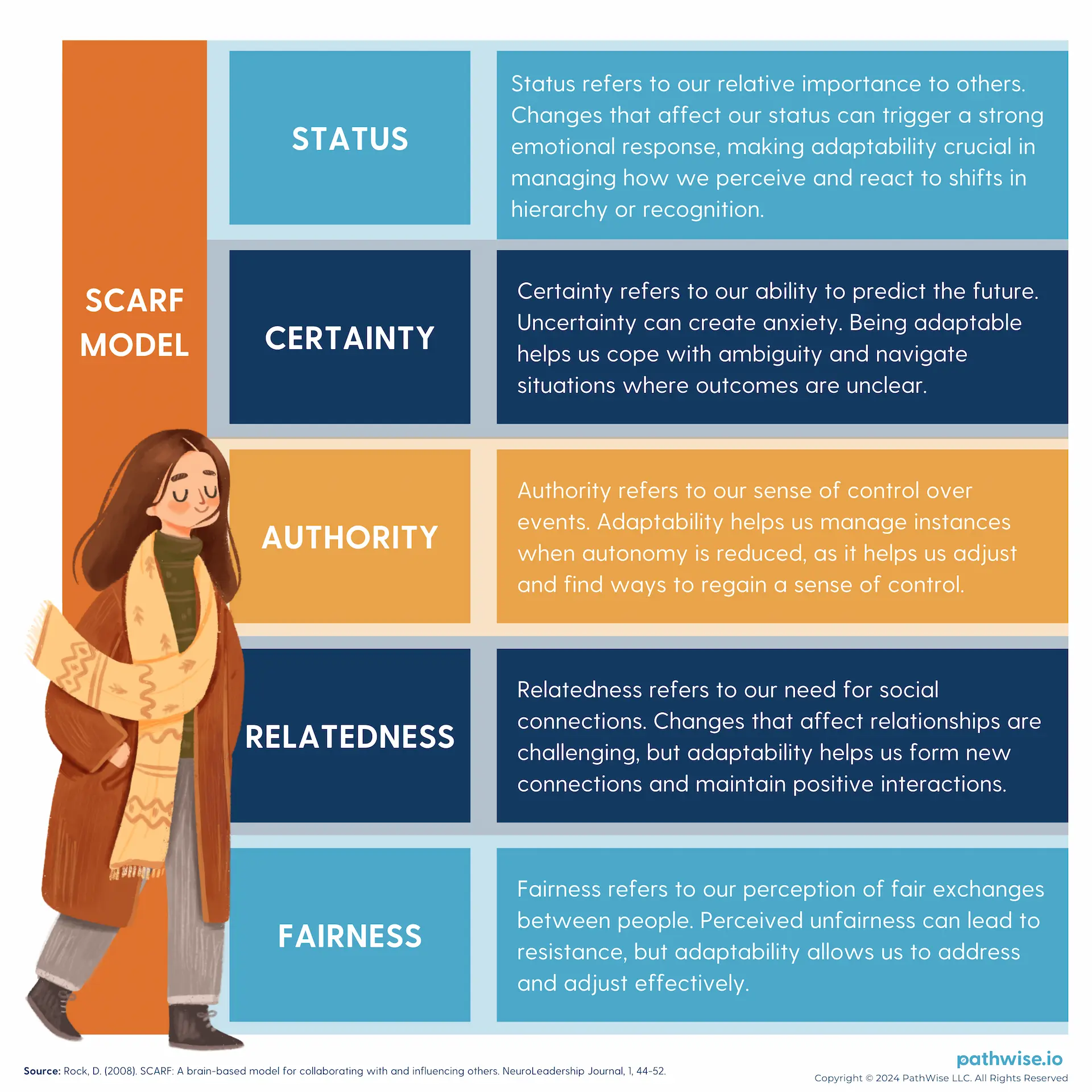
- The SCARF Model: Also created by Rock, this model stands for Status, Certainty, Autonomy, Relatedness, and Fairness. It explains how to lead in a way that reduces threat and increases engagement. Quiet leaders often excel here by creating psychologically safe, non-reactive environments.
- Authentic Leadership: Developed by Bill George, this model emphasizes being true to your values, leading with purpose, and building trust through transparency and consistency—traits often associated with quiet strength rather than showmanship.
- Adaptive Leadership: Co-created by Ronald Heifetz and Marty Linsky, this model focuses on leading through complexity and change with curiosity, deep listening, and thoughtful experimentation. Quiet leaders tend to thrive in this model by observing patterns, engaging multiple perspectives, and staying calm under pressure.
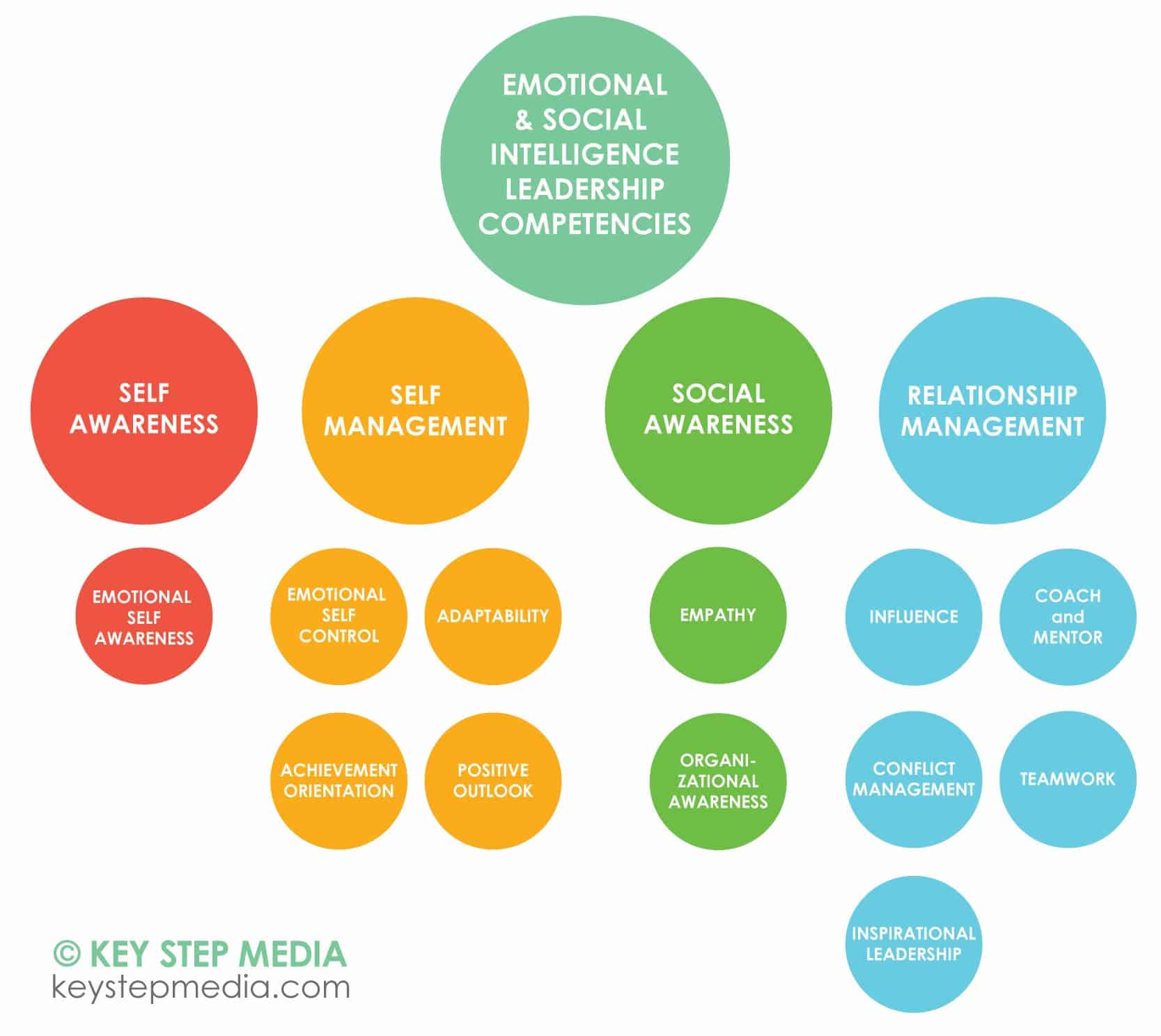
- Emotional Intelligence Framework: Proposed by Daniel Goleman, this framework includes self-awareness, self-regulation, motivation, empathy, and social skills. Quiet leaders tend to lead with strong EQ, especially in managing themselves and cultivating empathy.

Quiet Leadership in Management
Quiet leadership improves managers’ performance by deepening trust, improving team dynamics, enabling thoughtful long-term decision-making, and helping team members grow and progress. Rather than relying on authority or charisma, managers who embrace quiet leadership focus on listening, supporting, empowering, and creating psychologically safe environments where people can do their best work.
More specifically, quiet leadership,
- Builds stronger relationships: By listening more than speaking, quiet leaders create space for others to express ideas, concerns, and needs. This fosters trust, which is foundational for collaboration, engagement, and retention.
- Supports better decision-making: Instead of reacting impulsively or imposing their opinions, quiet leaders gather diverse perspectives and prioritize the long-term impact of their choices, leading to more considered, strategic outcomes.
- Encourages autonomy and growth: Rather than micromanaging, quiet managers coach their teams and trust them to find their own solutions. This builds confidence, ownership, and capacity within the team.
- Allows psychological safety: Quiet leaders tend to be emotionally steady and respectful, which helps others feel safe taking risks, asking questions, and admitting mistakes. This openness drives innovation and continuous improvement.
- Models humility and accountability: When managers own their mistakes and deflect praise to the team, they model the kind of leadership that earns respect. Teams are more likely to emulate this behavior, leading to a healthier team culture.

Image used under license from Shutterstock.com
Quiet Leadership in Professional Development
Quiet leadership can have a profound impact on professional development. Embracing this approach, even if you’re not a manager, allows you to shift focus from performative success to authentic growth. So, rather than pushing for visibility, you can take a values-driven approach to career advancement that focuses on continuous learning, humility, and self-awareness.
On the flip side, having a quiet leader as your boss can also enhance your professional development. Employees under quiet leaders often feel more empowered to take initiative and explore their strengths. They foster environments where feedback, reflection, and emotional intelligence are prioritized. Because these leaders listen attentively and delegate thoughtfully, under their guidance, you’d be given space to develop your own voice, confidence, decision-making skills, and leadership abilities. Instead of being directed at every step, you are coached, supported, encouraged, and trusted—all of which allow for long-term growth and fulfillment.
Quiet leadership also reshapes the myth that leadership must be loud or charismatic. It opens the door for a broader range of people—including introverts and deep thinkers—to envision themselves in leadership roles. This creates a more inclusive leadership pipeline and a workplace culture that values substance over style.

Image used under license from Shutterstock.com
Conclusion
Don’t mistake quiet leadership with softness or avoidance. It actually takes courage to lead with calm conviction. Those who create space for others to thrive and build trust that endures don’t need to dominate a room to make a difference—they shape the current beneath the surface.
Other Resources
- HBR – The Hidden Advantages of Quiet Bosses
- Forbes – Silent Leadership: How Introverts Can Be Excellent Leaders Despite Societal Stereotypes
- Forbes – Shhhhh: The Value Of Quiet Leadership
- TEDx Talk – Why do we celebrate incompetent leaders?
- Psychology Today – Quiet Leadership: The Superpower the World Needs Right Now
