


More and more, the traditional nine-to-five job no longer encapsulates the entirety of our professional activity. Enter the era of side gigs—those passion-fueled pursuits, entrepreneurial endeavors, and skill-honing projects that exist alongside our primary occupations.
Side gigs aren’t just about supplementing income. They also serve as an outlet for our multifaceted talents and other ambitions within us. These ventures represent a playground for creativity, a canvas where we can paint our aspirations, and a launchpad for exploring uncharted territories.
Side gigs encompass a wide array of endeavors driven by passion, skill, and the desire for personal and professional growth. Examples include:
- Freelancing: Offering specialized services (writing, design, coding) on a contract basis.
- Consulting: Providing expertise in a particular field or industry for short-term projects.
- Second Jobs: Taking on additional part-time or full-time employment beyond your primary job.
- Owned Businesses: Launching startups, e-commerce stores, or small businesses.
- Crafting and Artisan Ventures: Handmade crafts, artwork, or artisanal goods sold online or at markets.
- Multiple Part-Time Roles: Balancing and blending various part-time jobs or roles to create a diversified career, sometimes called a portfolio career.
- Combination of Employment and Self-Employment: Mixing traditional employment with freelancing or consulting roles.
- Digital Content Creation and Influencing: Creating content on platforms like YouTube, blogs, podcast platforms or social media, often monetized through ads or sponsorships.
- Gig Economy Roles: Working for platforms like Uber, Lyft, TaskRabbit, or food delivery services on a flexible schedule.
- Teaching and Tutoring: Offering lessons or tutoring services in a specialized skill or subject.
- Online Courses or Workshops: Creating and selling courses or workshops on platforms like Udemy or Teachable.
- Investments: Generating income through dividends, real estate, stocks, or other investment vehicles.
- Royalties and Licensing: Earning from intellectual property like books, music, or patents.
- Seasonal or Event-Based Work: Taking on temporary jobs during specific seasons or events, such as holiday retail, event staffing, or festival-related roles.

Image used under license from Shutterstock.com
Getting Started
Embarking on a side gig journey is like opening a door to a world of possibilities, where your passions meet potential income streams. Whether driven by a creative pursuit, a desire for extra cash, or an opportunity to explore new horizons, launching a side gig requires a blend of passion, strategy, and commitment. Starting a side gig takes time and effort. If you’re patient and persistent, you’ll gradually see progress.
To get started:
- Explore Your Interests: Identify what you’re passionate about or skilled in. It could be anything, such as writing, graphic design, coding, tutoring, or crafting.
- Validate Your Idea: Research the market demand for your skills or product. Look for competitors and see what makes your offering unique.
- Create a Plan: Outline your goals, the time you can commit, and your financial expectations. Having a clear plan will help you stay focused.
- Start Small: Don’t overwhelm yourself at the beginning. Begin with manageable tasks or projects to get a feel for managing your side gig alongside your main job.
- Build a Brand: Develop a brand identity, including a name, logo, and maybe even a website or social media presence. This helps establish credibility.
- Set Up Your Operations: Sort out the logistical details, such as setting up a workspace, creating a schedule, and organizing your tools or materials.
- Market Yourself: Utilize social media, word-of-mouth, or online platforms to showcase your skills or products. Networking can also help spread the word.
- Manage Finances: Keep track of income, expenses, and taxes related to your side gig. Consider setting up a separate bank account for your side hustle.
- Customer Service: Provide excellent service to build a loyal customer base. Positive reviews and word-of-mouth recommendations can significantly boost your gig.
- Adapt and Grow: Be open to feedback and adapt accordingly. Learn from both successes and failures to continually improve your side gig.

Image used under license from Shutterstock.com
Thought Leaders
A variety of individuals have shared valuable insights, strategies, advice, and stories that can be immensely helpful for those navigating the world of side gigs and entrepreneurship. Here are just a few of the many notable side hustle thought leaders:
- Chris Guillebeau: Known for his book Side Hustle: From Idea to Income in 27 Days, Guillebeau emphasizes actionable strategies and case studies to help people start and grow their side businesses.
- Nick Loper: Host of the Side Hustle Show podcast, Loper interviews entrepreneurs who have built successful side businesses. He shares practical tips and actionable advice for those seeking to start their ventures.
- Pat Flynn: With his website and podcast Smart Passive Income, Flynn educates people on creating passive income streams, including through side hustles. He shares insights on affiliate marketing, online courses, and other entrepreneurial endeavors.
- Sara Blakely: While she’s most recognized as the founder of Spanx, Blakely started her journey by selling fax machines door-to-door while working on her side hustle. Her story inspires many aspiring entrepreneurs.
- Gary Vaynerchuk: Known for his hustle mentality, Vaynerchuk encourages entrepreneurship and side gigs through his content, books, and social media presence. He often advocates leveraging social media and hard work to build successful businesses.
- Elaine Pofeldt: Author of The Million-Dollar, One-Person Business, Pofeldt profiles entrepreneurs who have built incredibly successful businesses as solopreneurs, shedding light on the potential of small-scale ventures.
- Joy Batra: Merging her legal expertise, Bollywood experience, and freelance consulting, Batra authored The Freelance Mindset: Unleashing Your Side Hustles for Better Work, Play, and Life. Through her multifaceted career, Batra inspires and guides individuals, illustrating the power of freelancing as a bridge between professional worlds, fostering flexibility, and embracing diverse passions for a fulfilling lifestyle.
- Dorie Clark: As an author, speaker, and marketing strategy consultant, Clark offers valuable insights on personal branding, entrepreneurship, and navigating the modern business landscape. Her books, including Entrepreneurial You and Stand Out, delve into strategies for building multiple income streams, establishing expertise, and standing out in a crowded market—crucial for anyone pursuing a side gig or entrepreneurial endeavor.
Balancing Side Gigs and Your Day Job: Key Frameworks
Balancing side gigs and day jobs can be challenging, but implementing specific frameworks can significantly help in managing both effectively:
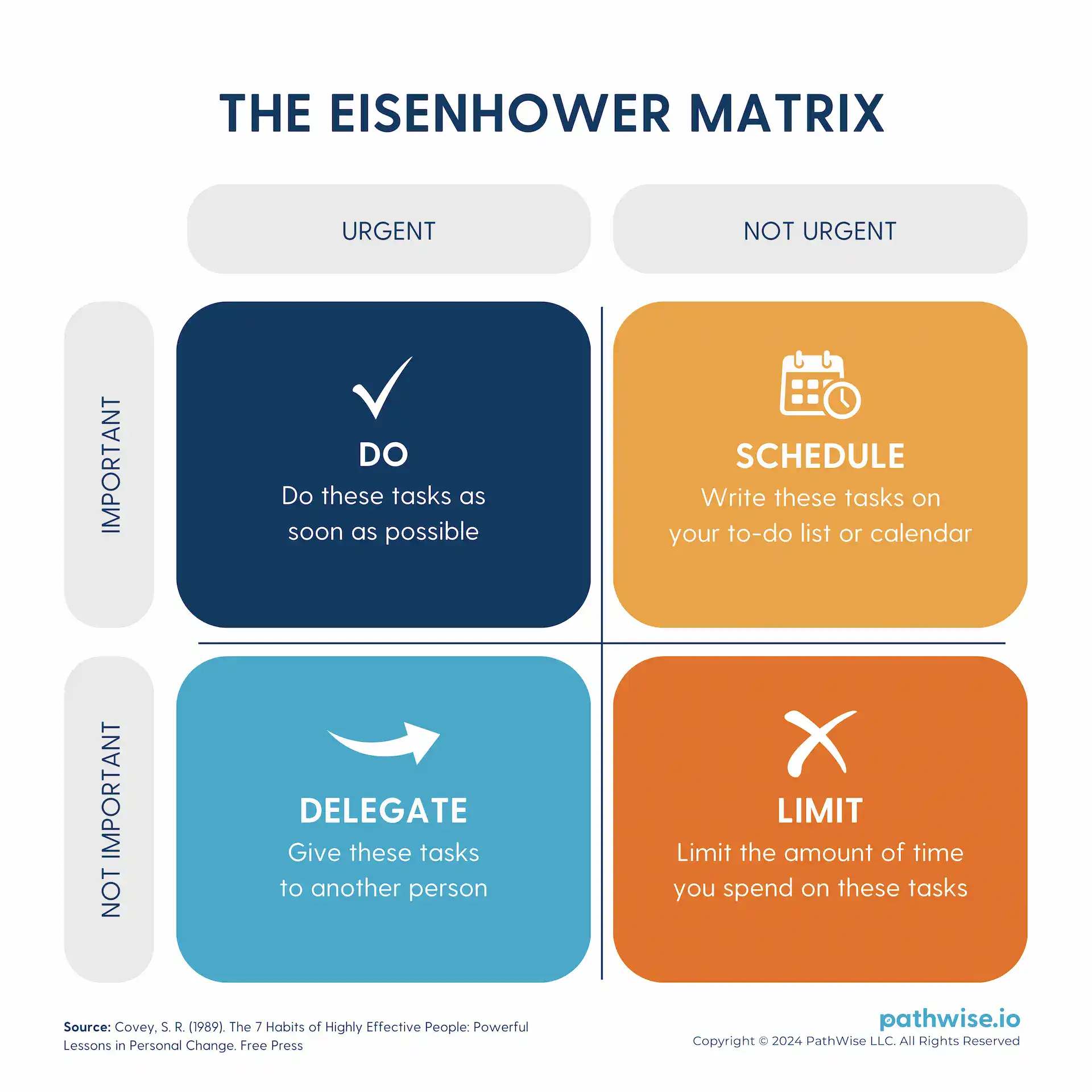
- Prioritization Matrix (Eisenhower Matrix): Use this framework to categorize tasks based on urgency and importance. It helps identify critical tasks for both your day job and side gig, allowing you to focus on high-impact activities without neglecting either.
- Time Blocking or Timeboxing:Allocate specific blocks of time for your side gig and day job tasks. This ensures you dedicate focused periods to each without overlapping or encroaching on one another. Tools like calendars or productivity apps can assist in scheduling and sticking to these blocks.
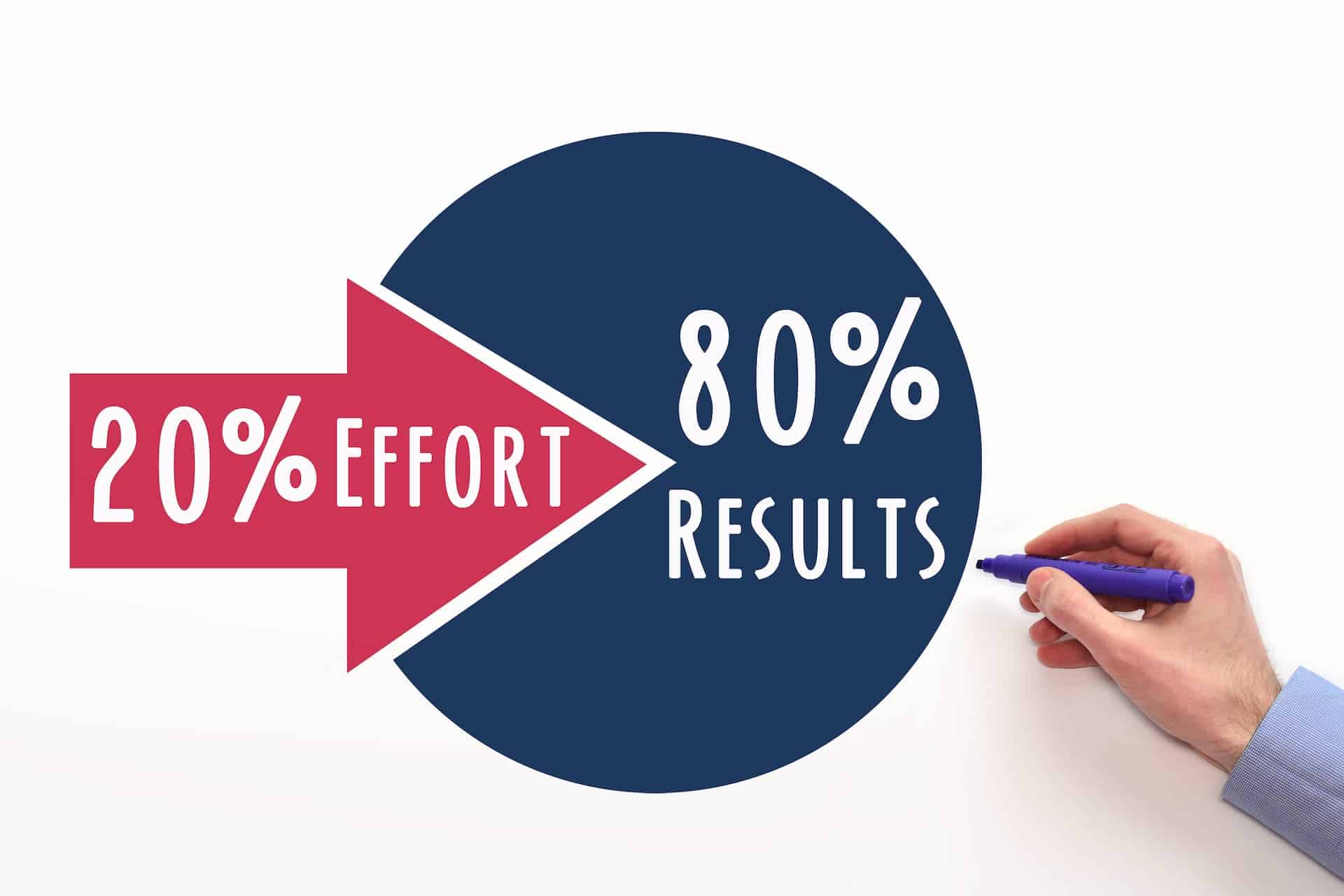
- The 80/20 Rule (Pareto Principle): Identify the 20% of activities yielding 80% of the results for your day job and side gig. Focus on these high-impact tasks to maximize efficiency and productivity in a limited time frame.
- Batching and Outsourcing: Group similar tasks together (batching) to streamline your workflow and minimize context switching between your job and side gig. Additionally, consider outsourcing non-core or time-consuming tasks of your side gig to freelancers or automation tools to free up more of your time.
- Communication and Boundaries: Clearly communicate your availability and boundaries to both your day job and side gig stakeholders. Set realistic expectations regarding your time commitments for each role to avoid overcommitting or causing conflicts.
- Progress Tracking and Reflection: Regularly assess your progress in both your day job and side gig. Reflect on what’s working and what isn’t, and make necessary adjustments to your schedules and strategies for better balance.

These frameworks provide structure and guidance to help you effectively manage time, priorities, and tasks when juggling a day job and a side gig, enabling you to maintain balance and efficiency in both spheres of work.
Side Gigs in Career & Personal Development
Having a side gig can profoundly impact both your personal and career development. Career-wise, a side gig can serve as a valuable learning ground. It allows you to experiment, make mistakes, and learn from them without the high stakes often associated with primary employment. The skills acquired through your side hustle—be they in marketing, finance, customer service, or creative fields—can complement and even elevate your primary career. Employers often value the entrepreneurial spirit and skills gained from side gigs, seeing them as a testimony to your initiative, adaptability, and commitment to continuous learning. Furthermore, successful side gigs can evolve into full-time ventures, offering the potential for career pivots or additional income streams that could shape your professional trajectory in unexpected and rewarding ways.
On a personal level, side gigs offer a platform for self-discovery and growth, allowing you to explore passions outside your primary job. They can boost confidence as you hone new skills, manage projects, and navigate the entrepreneurial landscape. Additionally, a side gig often introduces you to diverse networks, fostering connections that could inspire and support your personal growth. The time management and organizational skills cultivated while balancing multiple responsibilities may also spill over into your personal life, enhancing your ability to prioritize and manage time effectively, and positively impacting various aspects of your life beyond work.
Other Resources
- HBR: How to Figure Out What Your Side Hustle Should Be
https://hbr.org/2018/01/how-to-figure-out-what-your-side-hustle-should-be - HBR: Is Starting a Side Hustle Really Worth It?
https://hbr.org/2022/07/is-starting-a-side-hustle-really-worth-it - HBR: Starting a Side Hustle: Our Favorite Reads
https://hbr.org/2022/10/starting-a-side-hustle-our-favorite-reads - Forbes: Find Yourself A Side Gig, Help Your Company, And Have A More Fulfilling Career
https://www.forbes.com/sites/michaelbarthur/2023/04/10/find-yourself-a-side-gig-help-your-company-and-have-a-more-fulfilling-career/?sh=5f4f1272c2e4 - Forbes: Unlocking The Secret To A Successful Side Hustle In 2024
https://www.forbes.com/sites/melissahouston/2023/12/10/unlocking-the-secret-to-a-successful-side-hustle-in-2024/?sh=4eb14c355c95 - Indeed: What Is Freelancing?
https://www.indeed.com/career-advice/finding-a-job/freelancing - LinkedIn: How to Start Freelancing With No Experience
https://www.linkedin.com/pulse/how-start-freelancing-experience-craig-cannings/
