


Professional growth today resembles building a well-equipped toolkit rather than mastering a single instrument. Success no longer hinges on wielding one highly polished skill but on assembling a set of tools that can be applied together to solve a wide range of challenges. This approach—known as skill stacking—enables individuals to adapt, innovate, and lead in increasingly complex and interdisciplinary environments.

Image used under license from Shutterstock.com
What is Skill Stacking?
Skill stacking refers to the deliberate combination of diverse, complementary abilities that, when layered together, create a unique and competitive professional profile. Rather than relying on deep specialization in a single area, stacking skills draws on a range of competencies that, together, enhance adaptability, problem-solving, and value in interdisciplinary settings.
The capacity to integrate skills across domains—such as communication, data analysis, project management, and technology acumen—increases versatility while enhancing uniqueness. For example, pairing a solid foundation in engineering with public speaking or storytelling can improve stakeholder engagement and leadership potential. Similarly, adding financial literacy to a background in design strengthens strategic thinking and resource alignment.
The importance of skill stacking lies in its power to differentiate in environments where technical proficiency alone no longer guarantees long-term success. Because industries are converging and roles are becoming more fluid, cultivating a blend of human, analytical, and digital skills provides advantages in navigating complexity, collaborating across teams, and identifying novel solutions. This layered approach to development ultimately supports sustained career growth, resilience during transitions, and the ability to create value across varied contexts, while helping to future-proof careers.

Image used under license from Shutterstock.com
Thought Leaders
The concept of skill stacking draws from insights across business, education, psychology, and career development. Several thought leaders have shaped how individuals and organizations approach multidisciplinary growth, highlighting the value of combining varied competencies to remain competitive and innovative.
- Scott Adams: The creator of the Dilbertcomic strip and a writer on personal effectiveness and career strategy, his book How to Fail at Almost Everything and Still Win Big, introduced the idea of skill stacking as a way to build career capital through a combination of “good-enough” skills. He argues that diverse abilities, when combined, often outperform deep specialization, especially in unpredictable environments.
- Cal Newport: A computer science professor at Georgetown University and the author of several books on productivity and career development, including So Good They Can’t Ignore Youand Deep Work, he emphasizes the deliberate cultivation of rare and valuable skills to build meaningful work. Newport’s approach intersects with skill stacking through his focus on career capital and the strategic acquisition of abilities across time.
- David Epstein: A science journalist and author of Range: Why Generalists Triumph in a Specialized World, his work challenges the belief that early specialization leads to long-term success, arguing instead that broad skill sets foster adaptability and creative problem-solving. Epstein draws on research from sports, science, and business to advocate for generalist approaches aligned with skill-stacking principles.
- Reid Hoffman: The co-founder of LinkedIn, a venture capitalist at Greylock Partners, and co-author of The Start-up of Youand Blitzscaling, his work focuses on the intersection of entrepreneurship, career agility, and network-building. Hoffman encourages individuals to think like entrepreneurs and invest in multidimensional skills that increase long-term value.
- Dorie Clark: A marketing strategist, Duke University business professor, and author of Entrepreneurial Youand The Long Game, she helps professionals build distinctive personal brands through strategic learning and reinvention. Clark advocates for skill diversification as a tool for staying relevant and creating long-term opportunities.
- Adam Grant: Adam Grant is an organizational psychologist at the Wharton School and the author of Originals, Think Again, and Give and Take. His work explores motivation, creativity, and leadership, often highlighting how varied experiences and perspectives contribute to innovation. Grant’s research supports the idea that layered competencies enhance both individual and team effectiveness.

Image used under license from Shutterstock.com
Key Frameworks
Several models and frameworks support and expand on skill stacking-related principles by emphasizing multi-disciplinarity, adaptability, and strategic development of capabilities. Some of the most notable frameworks that align with the concept of skill stacking include:
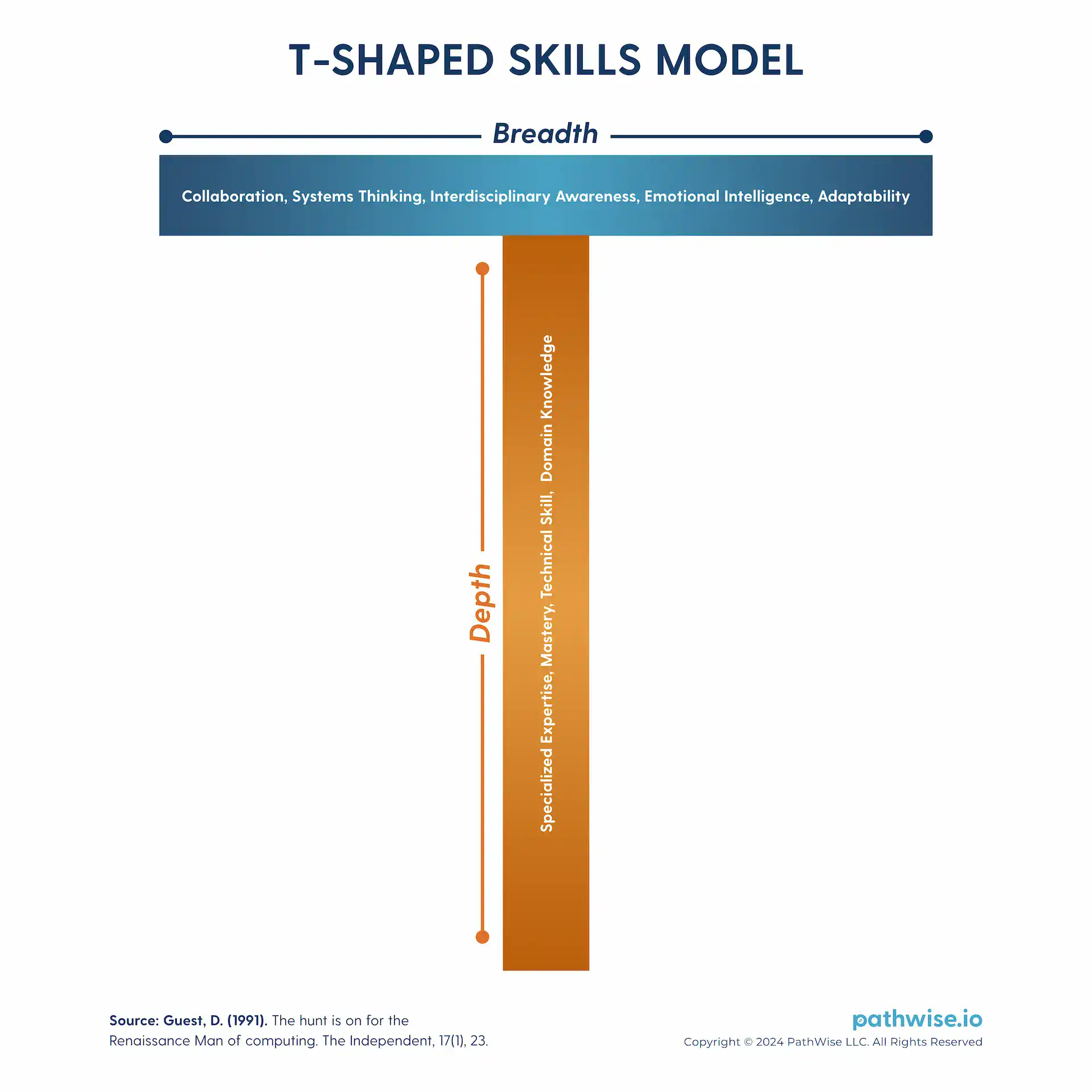
- T-Shaped Skills Model: This model argues that the combination of deep expertise in one area (the vertical bar of the “T”) with broad knowledge across other disciplines (the horizontal bar) encourages individuals to become both specialists and generalists, enabling more effective collaboration and innovation across functions.
- Career Capital Theory: Cal Newport’s concept of “Career Capital” consists of rare and valuable skills that increase professional leverage. The theory encourages deliberate practice and skill acquisition in areas that offer high returns, often through the strategic layering of abilities that align with personal and market value.
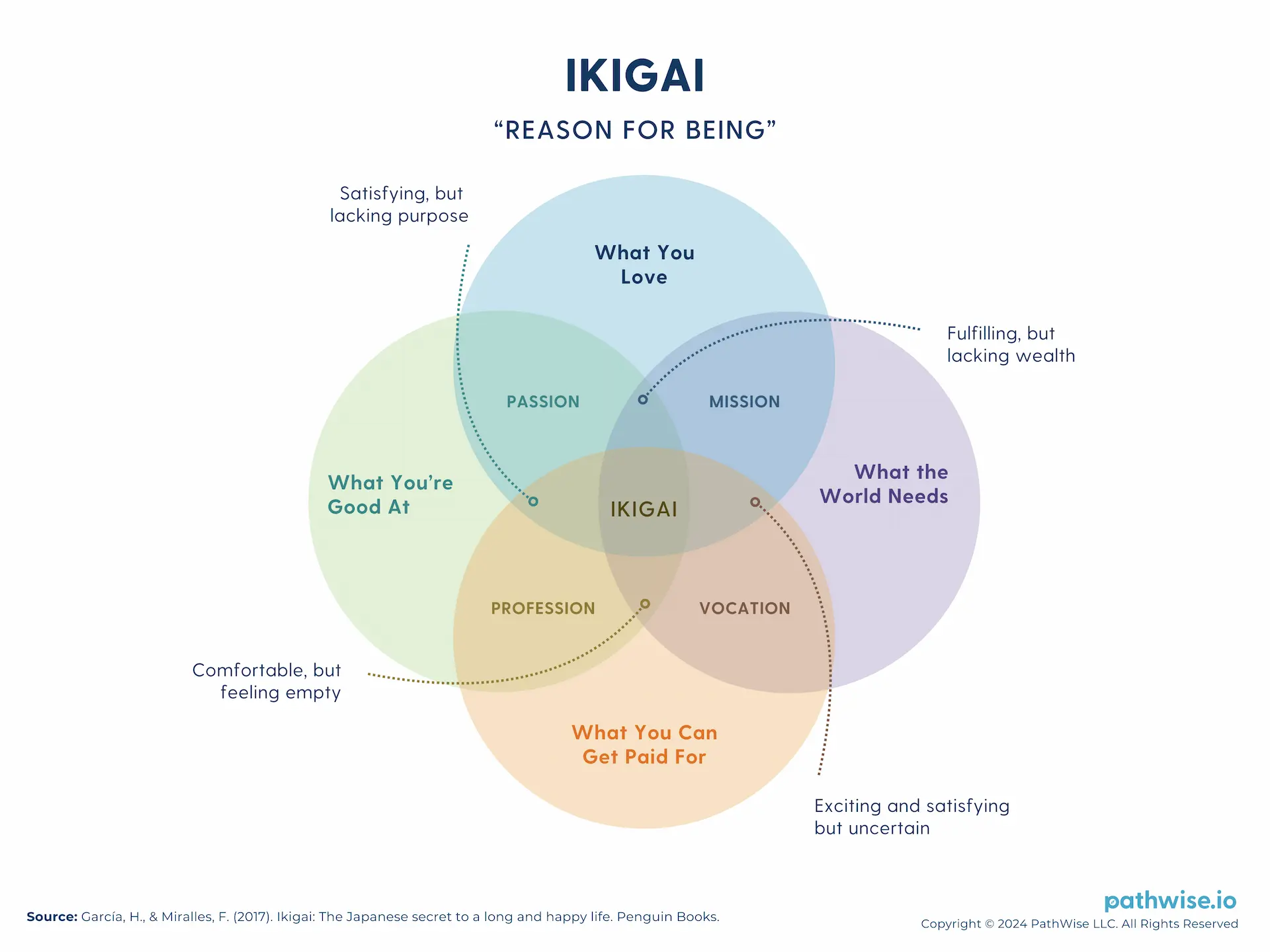
- Ikigai Framework: Originating from Japanese philosophy, Ikigai represents the intersection of what you love, what you are good at, what the world needs, and what you can be paid for. It helps guide you toward skill development that aligns with both purpose and market value, supporting intentional and meaningful stacking.
- Portfolio Career Model: This framework reflects a career composed of multiple roles, skills, or income streams rather than a single full-time job. It encourages professionals to build a mix of competencies that support varied and often complementary work, reinforcing the flexibility and diversity that skill stacking promotes.
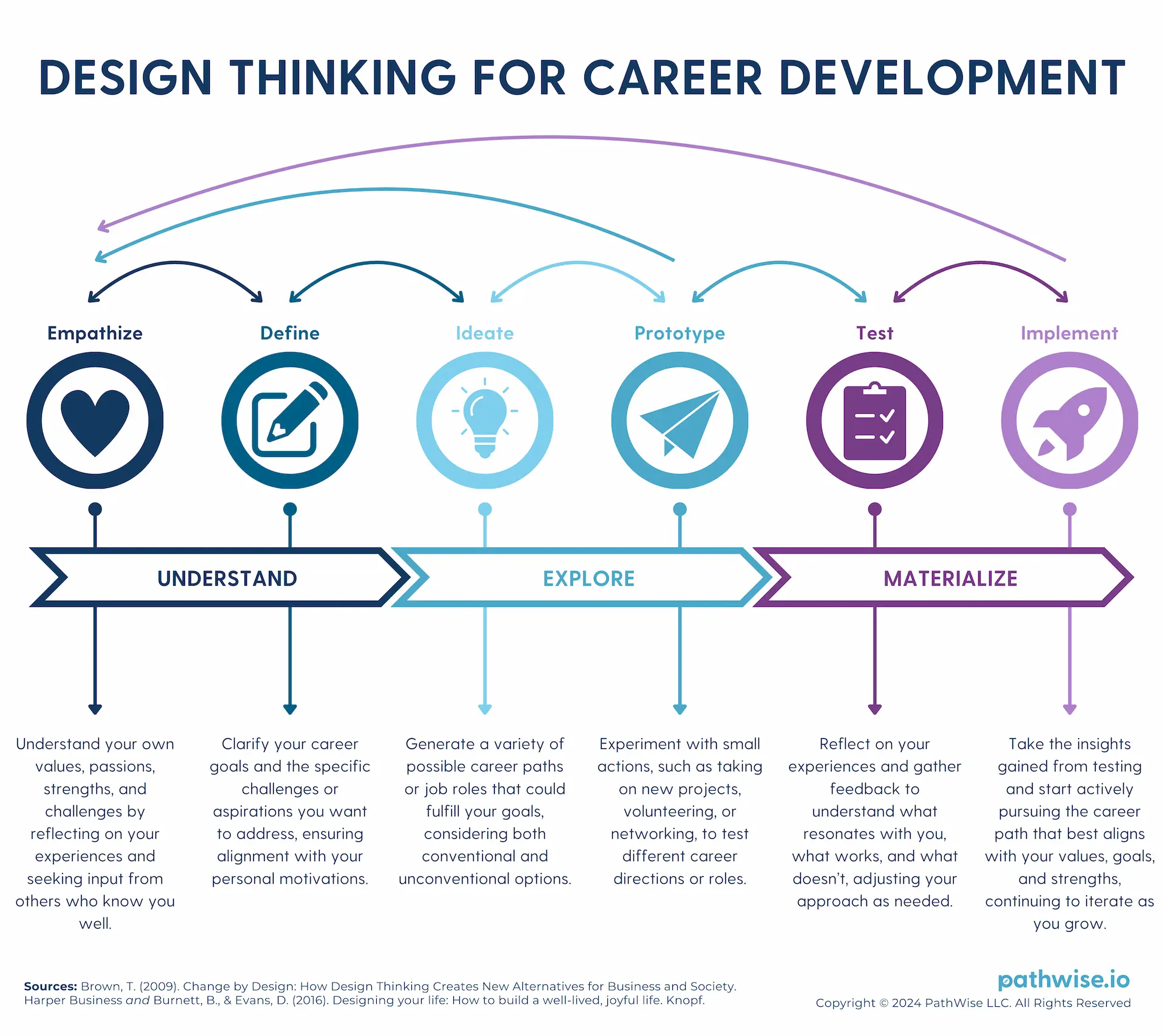
- Design Thinking: This framework argues that empathy, ideation, prototyping, and testing across disciplines are key to a fulfilling career journey. It supports skill stacking by encouraging creative problem-solving that draws on insights from multiple areas such as user experience, business strategy, and technology.
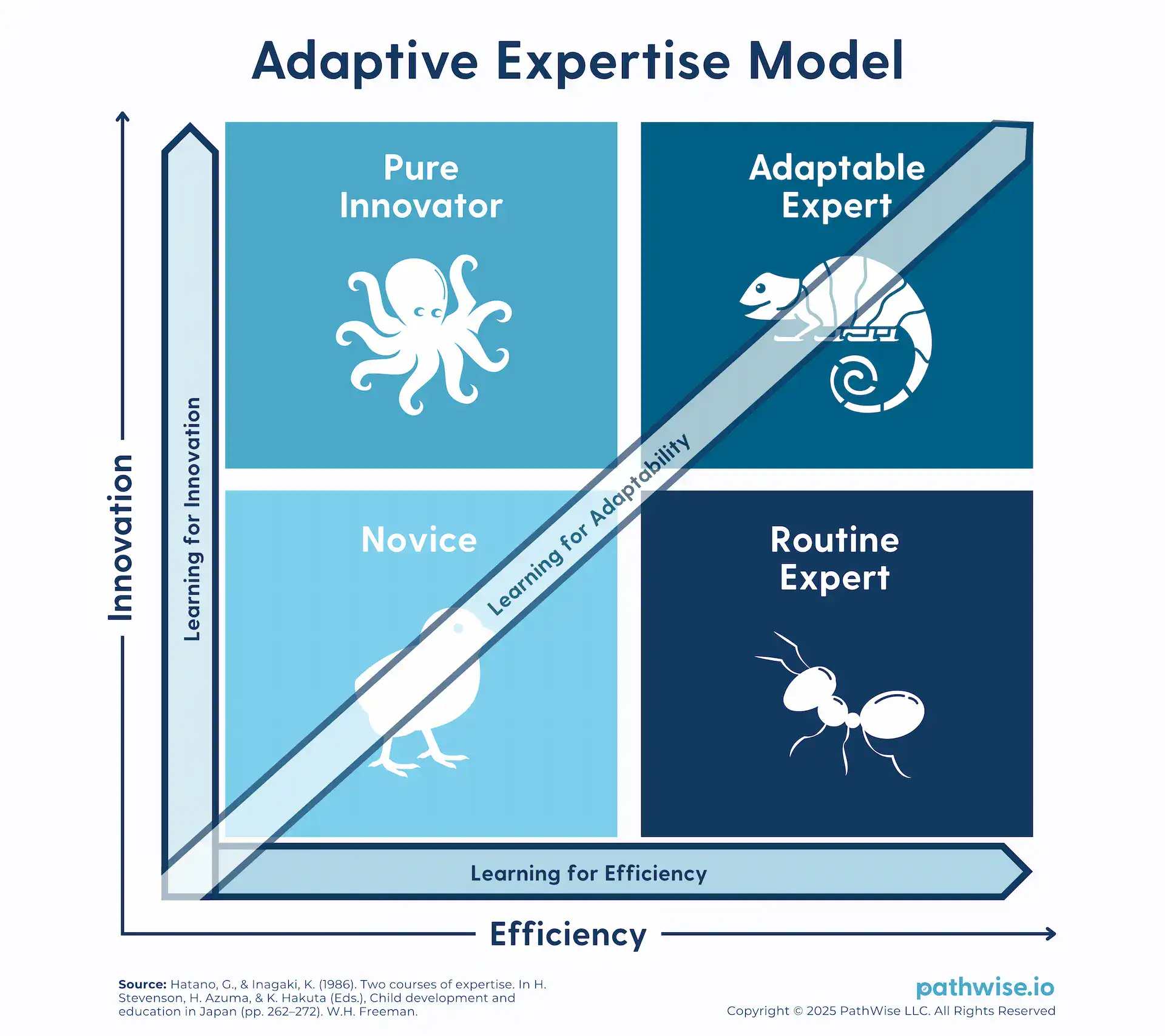
- Adaptive Expertise: This concept contrasts routine expertise with the ability to apply knowledge flexibly in novel situations. Adaptive experts build their skills across domains, allowing them to transfer knowledge and innovate in complex, changing environments—an essential feature of skill stacking.
Skill Stacking in Leadership
Skill stacking strengthens a manager’s ability to lead by expanding their range of insight, communication, and decision-making tools. Managers who develop a diverse set of skills—spanning emotional intelligence, strategic thinking, technical knowledge, and team development—are better prepared to address the complex demands of leadership.
Combining people skills with analytical capabilities, for instance, allows managers to interpret data in a way that resonates with their teams and aligns with organizational goals. When public speaking and storytelling are layered onto operational expertise, managers become more persuasive communicators who can rally support and drive change. A grasp of financial principles, when added to project management experience, improves resource allocation and long-term planning.
This multidimensional competence fosters credibility, trust, and influence. Managers who practice skill stacking can engage more effectively across departments, respond with agility in uncertain situations, and mentor others with greater impact. The result is a leadership style that is more adaptable but also more attuned to the evolving expectations of modern workplaces.

Image used under license from Shutterstock.com
Skill Stacking in Personal Development
Skill stacking is a fundamental strategy for advancing professional development when approached with intention and alignment and based on key goals. It encourages individuals to invest in a blend of complementary capabilities that, together, amplify their impact and open new opportunities for growth.
Some practices that support effective use of skill stacking include:
- Identifying adjacent skills: Build on existing strengths by learning skills that naturally complement them. A marketer, for example, may benefit from adding data analysis or UX design to improve campaign performance and customer engagement.
- Bridging technical and soft skills: Combine domain expertise with skills like communication, negotiation, or leadership to become more effective in collaborative and cross-functional roles.
- Pursuing interdisciplinary learning: Expose yourself to concepts from different fields, such as psychology, finance, or systems thinking, to broaden your perspective and enhance strategic problem-solving.
- Tailoring learning to career goals: Choose skills that align with future aspirations. Someone aiming for a product leadership role might combine technical knowledge, user research, and business modeling, for example.
- Practicing and applying in real contexts: Integrate new skills through side projects, cross-functional work, or professional development programs to reinforce learning and demonstrate value.
- Reviewing and recalibrating regularly: As industries evolve, periodically assess which additional skills will strengthen relevance and resilience.
This layered approach to growth creates a more dynamic and differentiated professional profile, making opportunities to lead, collaborate, and adapt more easily attainable.

Image used under license from Shutterstock.com
Conclusion
Skill stacking is an investment in long-term adaptability and influence. As careers become less linear and roles more fluid, intentionally cultivating a diverse portfolio of skills and combining the right capabilities to create a distinctive and versatile edge can be the key to a successful career journey in an uncertain world.
