



What is Vulnerability?
More and more, we hear that we need to show our vulnerability as leaders. But what exactly does it mean to be vulnerable, especially in a professional setting?
Brené Brown, a renowned researcher and author, defines vulnerability as the emotional risk, exposure, and uncertainty we all face in various aspects of our lives. She often emphasizes that vulnerability is not a weakness but the core of human experiences such as love, belonging, creativity, and empathy.
Brown’s research has shown that embracing vulnerability is essential for personal growth, to build strong relationships, and for effective leadership. She suggests that being vulnerable requires us to:
- show our true selves (be authentic)
- admit our imperfections
- take risks despite the potential for failure or rejection
In her seminal book, Daring Greatly, Brown explores the concept of vulnerability and its role in living a wholehearted life, based on her extensive research on shame, vulnerability, and courage. Some of the key concepts about vulnerability from this book include:
- Embracing vulnerability allows us to lead more authentic, connected, and fulfilling lives.
- Society often pressures us to be perfect, leading to feelings of shame and inadequacy. Brown encourages readers to have the courage to be imperfect, to accept themselves as they are, and to let go of the fear of judgment.
- The power of shame resilience is recognizing and addressing shame when it arises. In this book, Brown provides strategies for developing resilience and overcoming shame’s paralyzing effects through an inner acceptance of vulnerability.
- Brown applies the concepts of vulnerability and shame resilience to leadership, highlighting how leaders who are willing to be vulnerable can create more trusting and innovative work environments.
- Brown also introduces the notion of wholehearted living – a way of engaging with the world with a sense of worthiness, authenticity, and love. It involves letting go of the need for perfection and embracing vulnerability, empathy, and self-compassion.
- Finally, the book explores how vulnerability is essential to build meaningful connections with others, in terms of personal relationships and parenting, as well as in leadership and teamwork.
Brown subsequently wrote Daring to Lead, which applies her research and broader work to the topic of leadership. She also published an audiobook, based on a TED Talk, under the title The Power of Vulnerability, in which she talks about shame and fear as the barriers to vulnerability and then provides strategies to overcome these emotions. She highlights the role of empathy and compassion, discussing how practicing it, both for ourselves and others, can strengthen our connections and make us more resilient.
Vulnerability Thought Leaders
While Brené Brown is probably the most well-known expert on vulnerability, several other thought leaders have contributed valuable insights to the field. Here are a few notable experts and authors:
- Kristin Neff is a pioneer in the field of self-compassion. Her work explores how self-compassion, which involves treating oneself with kindness and understanding, can help individuals navigate vulnerability, build resilience, and improve their overall well-being.
- Tara Brach is a psychologist and meditation teacher known for her teachings on mindfulness, self-compassion, and radical acceptance. She explores how these practices can help individuals embrace vulnerability and heal emotional wounds.
- Harriet Lerner is a clinical psychologist and author who has written extensively on relationships, vulnerability, and personal growth. Her books, such as The Dance of Connection and The Dance of Fear, delve deeply into these topics.
- Sheryl Sandberg and Adam Grant wrote a book titled Option B. In it, Sandberg and Grant discuss resilience and vulnerability in the face of adversity. They draw from personal experiences and research to describe and explain how individuals can bounce back from life’s challenges.
- Amy Edmondson, in her various books and articles, emphasizes the importance of being vulnerable, to foster an atmosphere of psychological safety where everyone is encouraged to speak up, to admit mistakes, and help each other improve. Among other examples, she talks about a pilot starting each flight by acknowledging to his co-pilot that he – the pilot – has never flown a perfect flight and that he welcomes their suggestions on how to improve.
Vulnerability in Your Career Management
Embracing vulnerability can have a significant impact on your career development.
- Vulnerability in leadership can help you foster a more authentic and relatable management style. Leaders who are open about their struggles and uncertainties can build stronger connections with their teams and inspire trust.
- Being vulnerable requires self-confidence, self-awareness, and the ability to understand and manage your own emotions. This form of emotional intelligence can improve your interpersonal skills, making you a more effective communicator and team member.
- Embracing vulnerability includes acknowledging that you don’t have all the answers. Such an openness to learning and growth can lead to new opportunities for skill development and career advancement.
- Vulnerability in the workplace can lead to more meaningful and supportive relationships with colleagues. Sharing your challenges and seeking help when you need to build a network of allies who are invested in your success.
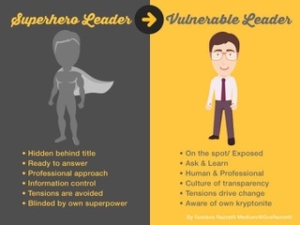
- Facing setbacks and challenges with vulnerability can help you build resilience. Instead of viewing failures as personal flaws, you can see them as opportunities for growth and improvement.
- When you demonstrate vulnerability, you allow others to do the same, creating a culture of openness and trust within your team or organization. The result is an environment where everyone feels comfortable sharing their thoughts and concerns.
- Vulnerability can lead to more effective problem-solving. When you’re willing to admit when you’re stuck or need assistance, you’re more likely to seek out the expertiseof others and find creative solutions.

It’s important to note that vulnerability doesn’t mean sharing every detail of your personal life at work. It’s about being open, honest, and willing to admit your limitations when it’s relevant and appropriate in a professional context. When practiced judiciously, vulnerability can contribute positively to your career development by fostering authenticity, emotional intelligence, and resilience.
Tools and Exercises
- Check out this leadership assessment by Brené Brown https://daretolead.brenebrown.com/assessment/ . It’s a great way to evaluate how well you’re abiding by the principles underpinning Brown’s work. And If you’re working with a coach, your completed assessment can serve as a great topic for discussion
- The Daring Way™ is a training and certification program for professionals, based on the work of Brené Brown. If you’re interested in learning more, click on the link below
https://brenebrown.com/thedaringway/
Want to learn more about vulnerability? Check out these resources:
- Brené Brown’s podcast: https://brenebrown.com/podcast-show/dare-to-lead/
- Brené Brown: How Vulnerability Can Make Our Lives Better
https://www.forbes.com/sites/danschawbel/2013/04/21/brene-brown-how-vulnerability-can-make-our-lives-better/?sh=353ba76236c7 - 25 Brené Brown Quotes on Vulnerability That Will Change Your Life
https://athousandlights.com/brene-brown-quotes-on-vulnerability/ - Above All, Acknowledge the Pain
https://hbr.org/2017/05/above-all-acknowledge-the-pain - The Best Leaders Aren’t Afraid to be Vulnerable
https://hbr.org/2022/07/the-best-leaders-arent-afraid-of-being-vulnerable - Today’s Leaders Need Vulnerability, Not Bravado
https://hbr.org/2020/10/todays-leaders-need-vulnerability-not-bravado
