



Are you constantly juggling the demands of your career and personal life, hoping to strike that elusive balance? Do you find yourself torn between long work hours and the desire for quality time with loved ones or for yourself? Are moments of relaxation often overshadowed by looming deadlines, clogged email inboxes, or the pressure to excel? If so, you’re not alone. The pursuit of work-life balance has become a perpetual tightrope walk, leaving many of us grappling with the challenges of managing professional ambitions while nurturing our personal well-being and relationships.
If the balancing act feels like an unending struggle, rest assured, you’re navigating a landscape familiar to countless others in today’s interconnected and bustling society.
What is work-life balance?
Work-life balance refers to the equilibrium we seek to achieve between our professional responsibilities and personal lives, allowing for fulfillment in both spheres. It’s about harmonizing the demands of our career or job with personal pursuits, family time, leisure activities, and overall well-being.
Achieving work-life balance involves managing time, energy, and focus, to minimize stress, prevent burnout, and promote overall satisfaction and productivity. It doesn’t necessarily mean a consistent and equal split between work and personal life; it involves prioritizing and dynamically allocating time and resources to meet personal and professional needs.
Factors contributing to work-life balance include:
- Time Management: Effectively managing your working hours to enable you to both complete assignments and accommodate personal activities and commitments.
- Setting Boundaries: Establishing clear boundaries between your work and personal life to prevent work from encroaching on personal time.
- Flexible Work Arrangements: Having flexible schedules or remote work, which allows for better integration of work and personal life.
- Well-being: Prioritizing physical and mental health by incorporating exercise, meditation, proper nutrition, relaxation, and hobbies.
- Quality Relationships: Allocating time for family, friends, and social activities to maintain healthy relationships.
Striking a suitable balance will differ from person to person, depending on individual circumstances, career choices, family responsibilities, and personal preferences. It’s an ongoing process that requires self-awareness, prioritization, and, sometimes, adjustments to find what works best for your unique situation.

Thought Leaders
Several experts have contributed to the field of work-life balance through their research, writings, and advocacy. Some notable experts include:
- Arianna Huffington: The co-founder of The Huffington Post and Thrive Global, and author of Thrive, emphasizes the importance of well-being, sleep, and balance in your personal and professional life.
- Tony Schwartz: Co-author of The Power of Full Engagement, Schwartz focuses on energy management and sustainable performance, emphasizing balance and renewal.
- Cal Newport: Author of Deep Work and Digital Minimalism, Newport explores the impact of technology on work-life balance and advocates for focused, undistracted work time.
- Brené Brown: While primarily known for her work on vulnerability and courage, Brown also touches upon work-life balance in her discussions about wholehearted living and setting boundaries.
- Laura Vanderkam: Known for her work on time management and productivity, Vanderkam emphasizes the importance of time tracking and optimizing routines for a balanced life.
- Shawn Achor: A positive psychology researcher and author of The Happiness Advantage, Achor discusses how happiness and positivity impact work performance and overall life satisfaction.
- Srikumar Rao: An educator and author of Happiness at Work, Rao delves into finding meaning and fulfillment in work to achieve a better work-life balance.
- Tracy Brower: An author and sociologist studying work-life fulfillment, happiness, and the future of work, Dr. Brower has published The Secrets to Happiness at Work and Bring Work to Life by Bringing Life to Work. Instead of “work-life balance,” she prefers “work-life integration,” as we cannot completely disregard life when working and vice versa. Rather, we should integrate work and life in a way that works best for each of us, where one does not overwhelm the other. Brower was a guest in the PathWise podcast, “Career Sessions, Career Lessons”, where she shared insights into how to thrive at work, manage your work-life boundaries, and achieve fulfillment.
These experts offer diverse perspectives on work-life balance (or work-life integration), focusing on various aspects such as productivity, well-being, time management, and finding purpose and satisfaction in both professional and personal realms.
Key Frameworks
The frameworks and models below can help conceptualize and improve work-life balance. They can serve as tools for self-assessment, guiding individuals and organizations in identifying areas for improvement and implementing strategies to achieve a more harmonious integration of work and personal life.
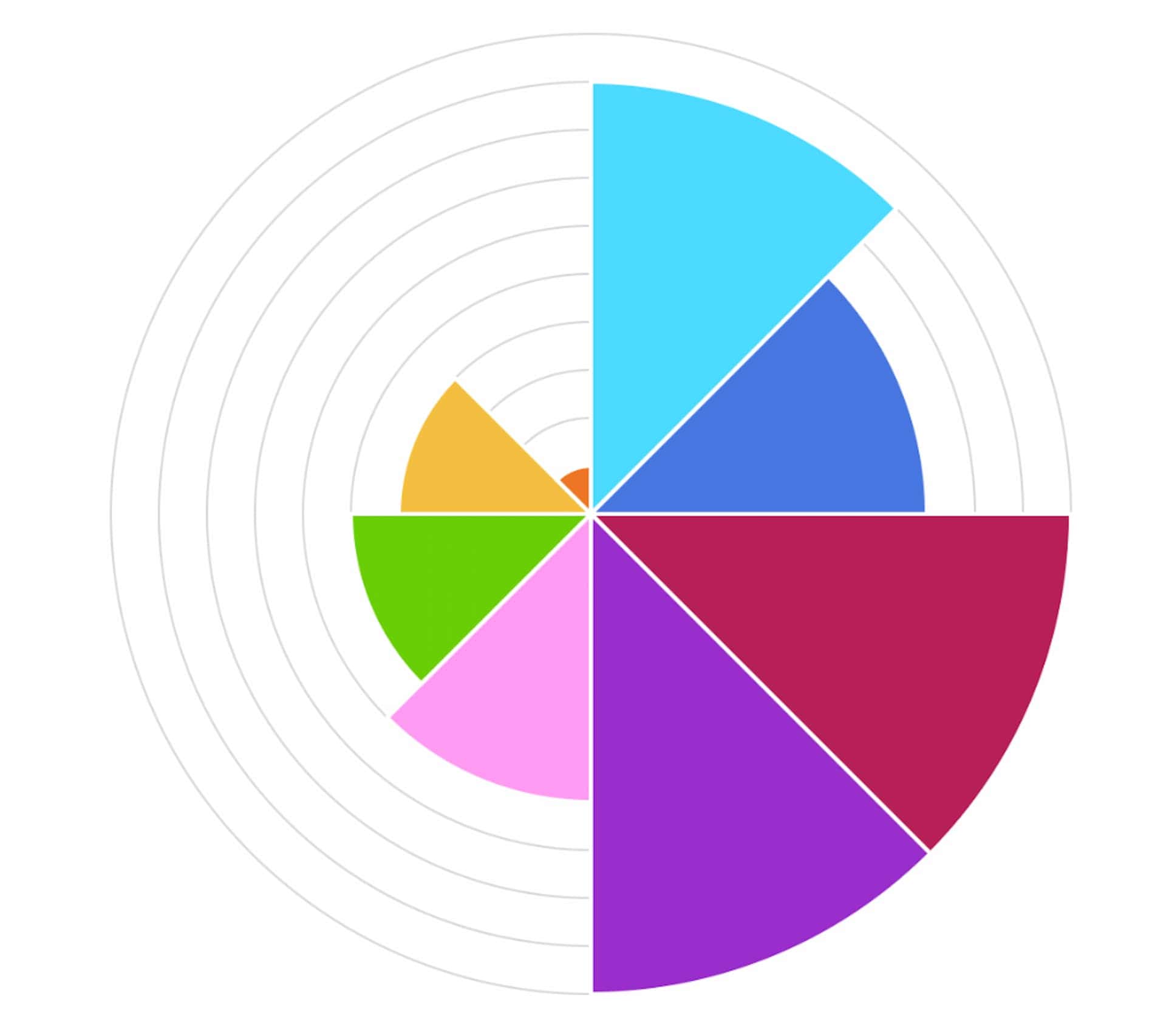
- The Wheel of Life: This visual tool divides life into various segments (such as career, health, and relationships) represented as wheel slices. Individuals rate their satisfaction in each area and then work on enhancing the lower-rated segments to achieve better balance.
- The Work-Life Balance Scale: This model assesses the degree of balance between work and personal life. It evaluates factors like time, involvement, satisfaction, and effectiveness in both domains to determine the level of balance achieved.
- The Four Burners Theory: This metaphor suggests that life aspects—work, health, family, friends—can be likened to four burners on a stove. To be successful, one must turn off one or more burners to excel in another, signifying the trade-offs individuals often face when seeking balance.
- The JD-R Model (Job Demands-Resources Model): This model emphasizes the interplay between job demands and job resources. Striking a balance between these factors is crucial for preventing burnout and promoting well-being.
- Boundary Theory: This framework focuses on the boundaries between work and personal life. It suggests that establishing clear boundaries, managing role expectations, and separating work and non-work roles can positively influence work-life balance.
- The Effort-Reward Imbalance Model: This model suggests that an imbalance between the effort employees invest in their work and the rewards they receive can lead to stress and negatively impact health and well-being.

Dr. Hayley Lewis created the Sketchnote below (reposted with her permission), based on a Harvard Business Review article by Tony Schwartz and Catherine McCarthy. It emphasizes the importance of managing personal energy levels rather than solely focusing on managing time for optimal productivity. The idea is that our energy, a finite resource, significantly impacts our productivity, focus, and overall performance.
The article highlights strategies to increase and maintain energy levels throughout the day, such as:
- Paying attention to personal rhythms: Understanding when you’re most productive or focused during the day and scheduling high-energy tasks.
- Taking regular breaks: Recognizing the need for breaks to recharge and renew focus. Short breaks or brief moments of physical activity help sustain energy levels.
- Managing stress: Preventing energy depletion by implementing stress reduction techniques like mindfulness, exercise, or meditation.
- Balancing work and recovery: Ensuring a balance between intense work periods and adequate recovery time to prevent burnout.
The core concept is that managing and optimizing our energy levels can enhance our productivity and overall effectiveness, leading to better work-life balance and personal satisfaction.

Work-Life Balance in Your Career Management
Work-life balance isn’t just about finding time for personal activities; it can significantly impact career advancement in several ways:
- Increased Productivity and Focus: Individuals with a balanced life tend to be more focused and productive during work hours. Being able to recharge outside of work allows them to bring their best selves to the job, leading to better performance and increased opportunities for advancement.
- Enhanced Creativity and Innovation: Having time away from work can stimulate creativity. Engaging in hobbies, spending time with loved ones, or pursuing personal interests can spark new ideas and innovative thinking, which can be beneficial in problem-solving and decision-making within the workplace.
- Improved Mental and Physical Health: A balanced life promotes better mental health, reduced stress, and enhanced physical well-being. Healthy individuals are more resilient, have higher energy levels, and are better equipped to handle challenges, enabling them to excel in their careers.
- Better Relationships and Networking: Nurturing personal relationships fosters strong communication, empathy, and interpersonal skills. These qualities are invaluable in building relationships with colleagues, clients, and superiors, which can open doors for career opportunities and advancement.
- Demonstrating Leadership Qualities: Prioritizing work-life balance demonstrates leadership and time-management skills. Individuals who can manage their responsibilities effectively while maintaining a healthy personal life are often seen as role models, which can pave the way for positions of increased responsibility.
- Attracting and Retaining Talent: Companies prioritizing work-life balance tend to attract and retain top talent. Employees value organizations that support their well-being, creating a positive work culture and environment conducive to career growth.
- Avoiding Burnout and Plateauing: Striking a balance helps individuals avoid burnout, which can stall career progression. By managing stress and preventing burnout, individuals can maintain their momentum and continue advancing in their careers.
Ultimately, work-life balance contributes to an individual’s overall well-being, happiness, and satisfaction. When people feel fulfilled in their personal lives, they’re often more motivated, engaged, and successful in their professional endeavors, setting the stage for long-term career growth and success.
Work-Life Balance and Leadership
Leaders who prioritize work-life balance set an example and foster a healthier and more productive environment within their teams and organizations. Leaders can exhibit resilience and stamina by maintaining their own balance, for instance. Leaders facing numerous challenges must manage their time and energy effectively. A balanced approach enables them to handle pressure more adeptly, make clearer decisions, and stay resilient in the face of adversity. This resilience sets the tone for the team, encouraging a culture where challenges are seen as opportunities for growth rather than overwhelming obstacles.
Work-life balance also helps build stronger relationships and trust. A balanced leader is more present and engaged, fostering better connections with their team members. They actively listen, offer support, and demonstrate empathy, building trust and rapport within the team. This trust leads to increased collaboration, open communication, and a shared sense of purpose, all vital components of effective leadership.
In essence, work-life balance isn’t just a personal pursuit for leaders; it’s a strategic tool that enhances their ability to lead effectively by fostering resilience, promoting stronger relationships, and creating a positive work culture.
Other Resources
- James Clear: The Downside of Work-Life Balance
https://jamesclear.com/four-burners-theory - HBR: Manage Your Energy, Not Your Time
https://hbr.org/2007/10/manage-your-energy-not-your-time - HBR: Work-Life Balance is a Cycle, Not an Achievement
https://hbr.org/2021/01/work-life-balance-is-a-cycle-not-an-achievement - Forbes: What does work-life balance even mean?
https://www.forbes.com/sites/maurathomas/2022/07/26/what-does-work-life-balance-even-mean/?sh=354e40a42617
