



What separates good decisions from great ones? Often, it’s not the quality of information we have but the quality of judgment we apply. In our professional lives, moments of judgment are pivotal—they determine how we navigate challenges, seize opportunities, and earn the trust of others. Yet, judgment is rarely taught; it’s shaped by experience, reflection, and, sometimes, failure. Nonetheless, cultivating a sharper sense of judgment will help us make decisions that inspire confidence and drive success in our careers.

Image used under license from Shutterstock.com
What is Judgment?
Judgment is making decisions and arriving at sound conclusions by integrating information, experience, and insight. It involves assessing situations objectively, weighing pros and cons, considering potential consequences, and making choices that align with personal goals and values. Good judgment lets us see the bigger picture, anticipate outcomes, and navigate complex situations effectively.
Strong judgment is crucial for professional success because it enhances decision-making, problem-solving, and risk assessment. It also helps us choose the right actions when the stakes are high and resources are limited. Additionally, judgment is a key factor in leadership, where decisions impact teams, projects, and direction. Note, too, that colleagues, leaders, and clients tend to trust those with sound judgment, making it an essential asset for building credibility, reliability, and influence in any role.
To cultivate better judgment, it’s helpful to:
- Gain diverse experiences to broaden our perspectives.
- Seek feedback on decisions to learn and refine our approaches.
- Stay informed about industry trends and potential risks.
- Reflect on past decisions to identify areas for improvement.
Thought Leaders
Several thought leaders specialize in areas closely related to judgment, including decision-making, critical thinking, and leadership. The following experts have contributed valuable insights on how to develop sound judgment in professional and personal contexts.
- Daniel Kahneman: A Nobel laureate in economics, Kahneman is known for his work on decision-making, particularly around cognitive biases and judgment under uncertainty. His book Thinking, Fast and Slow explores common mental shortcuts and the errors in judgment our minds make.
- Amos Tversky: In collaboration with Kahneman, Tversky developed prospect theory and researched cognitive biases, revealing how irrational tendencies often sway our judgments. His work emphasized the importance of awareness in recognizing and mitigating bias.
- Annie Duke: A former professional poker player and decision-making consultant, Duke wrote Thinking in Bets, which explores how to make better judgments under conditions of uncertainty. She emphasizes that good decisions can lead to “bad” outcomes and that judgment should be evaluated on the process, not just the results.
- Michael D. Watkins: A thought leader in leadership transitions, Watkins focuses on the importance of good judgment in navigating new roles, especially in his book The First 90 Days. He discusses how leaders can make better assessments and decisions during the critical early phase of a new position.
- Max Bazerman: A professor of business administration, Bazerman focuses on ethical judgment and decision-making. In books like Judgment in Managerial Decision Making and Better, Not Perfect, he explores how to align decisions with personal and organizational values, avoiding common biases and ethical pitfalls.
- Howard Gardner: Known for his work on multiple intelligences, Gardner also explores good judgment as part of ethical leadership. In Five Minds for the Future, he advocates for developing a disciplined mind and ethical mind as key to wise, future-oriented decision-making.
- Nassim Nicholas Taleb: In his books, including The Black Swan and Antifragile, Taleb examines the nature of unpredictability, risk, and decision-making under uncertainty. He encourages understanding randomness to improve judgment, especially when facing high-impact, low-probability events.
- John Kotter: An expert in leadership and change management, Kotter’s work, especially in Leading Change, emphasizes judgment in driving successful transformations. He discusses how leaders can assess organizational readiness, identify strategic priorities, and make high-stakes decisions in complex environments.
- John S. Hammond: Co-author of Smart Choices and a renowned expert in decision analysis, Hammond has contributed significantly to understanding decision-making processes by providing strategies for systematically making good choices.
- Ralph L. Keeney: Co-author of Smart Choices, Keeney is known for his work in decision analysis, risk management, and value-focused thinking.
- Howard Raiffa: Co-author of Smart Choices and a pioneer in decision analysis, Raiffa’s work has influenced the fields of negotiation, game theory, and decision science.
Key Frameworks
Several judgment-related frameworks provide structured approaches to making sound decisions and evaluating complex situations. Frameworks that emphasize analyzing problems holistically, recognizing biases, and considering long-term impacts include:
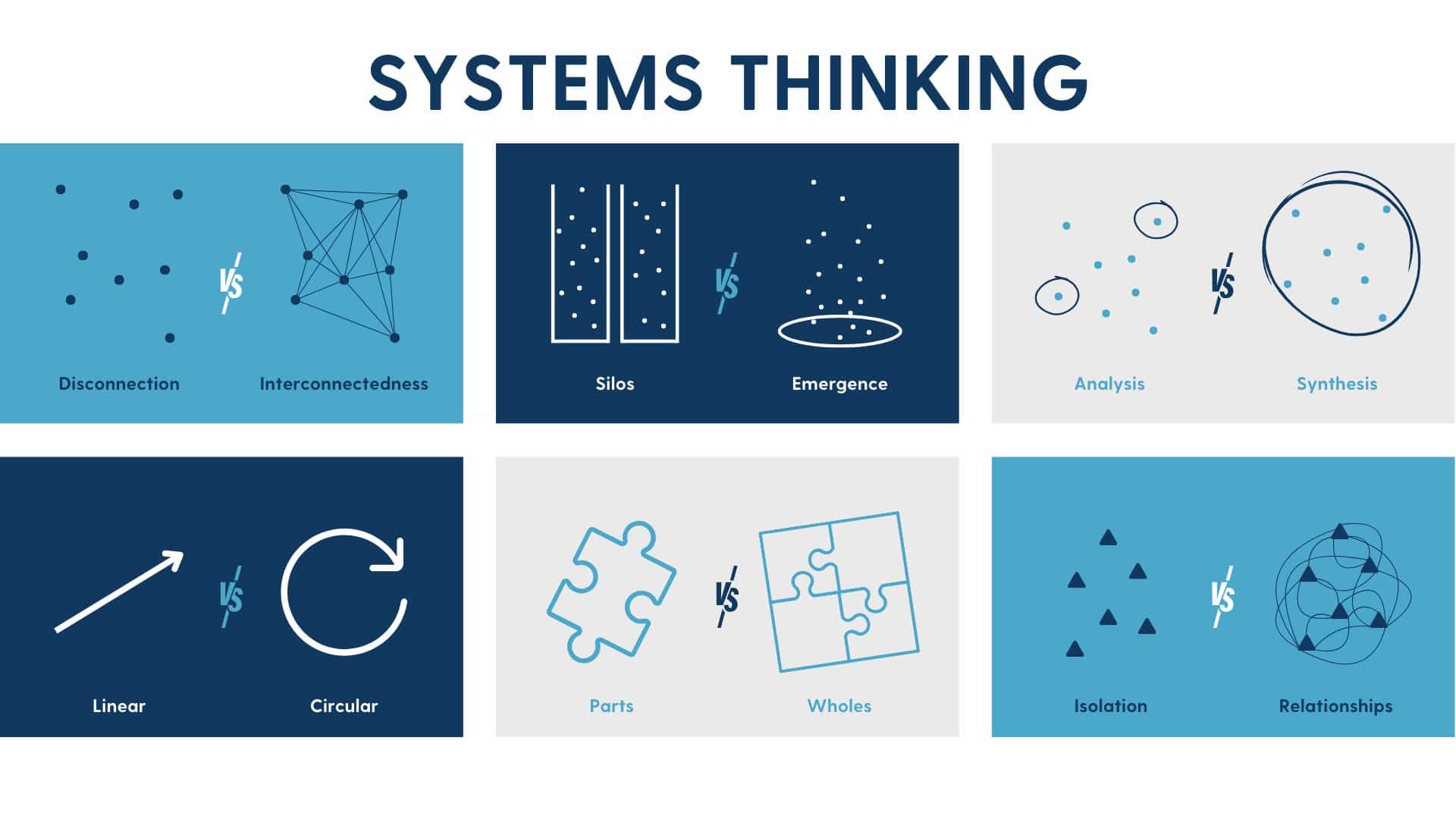
- Systems Thinking: Systems thinking involves viewing a problem as part of an interconnected system, where changes in one part can affect other parts. It emphasizes looking beyond individual components to understand a system’s broader patterns, relationships, and feedback loops.
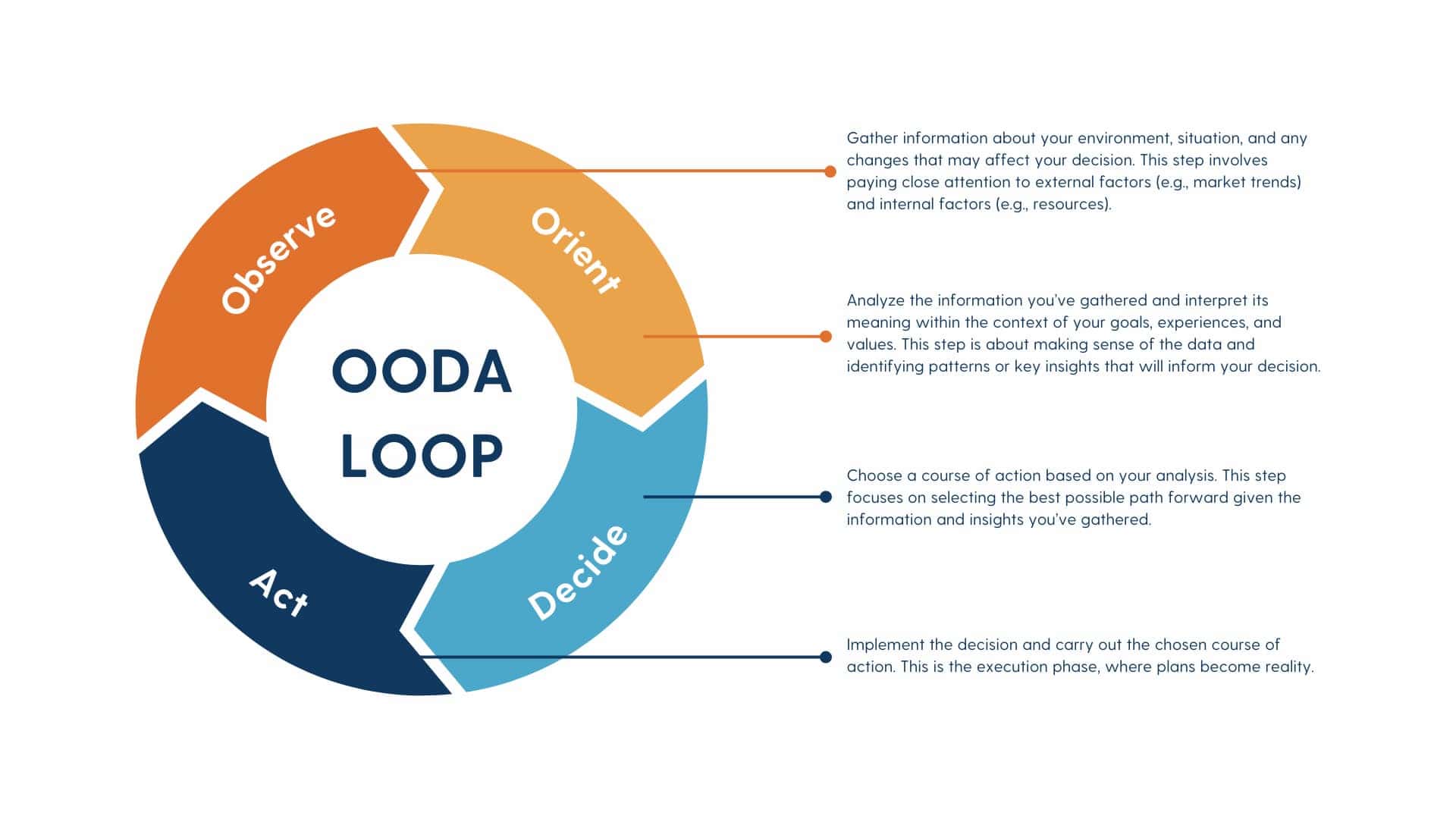
- The OODA Loop: Developed by military strategist John Boyd, the OODA Loop stands for Observe, Orient, Decide, and Act. It’s a rapid decision-making framework that helps individuals adapt to dynamic, competitive environments by continually assessing and adjusting to changes. It encourages quick situational awareness, understanding context and implications, making a decision based on current information, and executing accordingly.
- Decision Quality (DQ) Framework: Developed by Carl Spetzler and colleagues at Strategic Decisions Group, the DQ Framework is designed to improve the quality of decisions by ensuring they meet six criteria: a sound frame, relevant alternatives, meaningful information, clear values, logical reasoning, and commitment to action.
-
- Cynefin Framework: Created by Dave Snowden, the Cynefin Framework helps categorize problems into five domains: simple, complicated, complex, chaotic, and disordered. Each domain requires different decision-making approaches based on the situation’s nature.
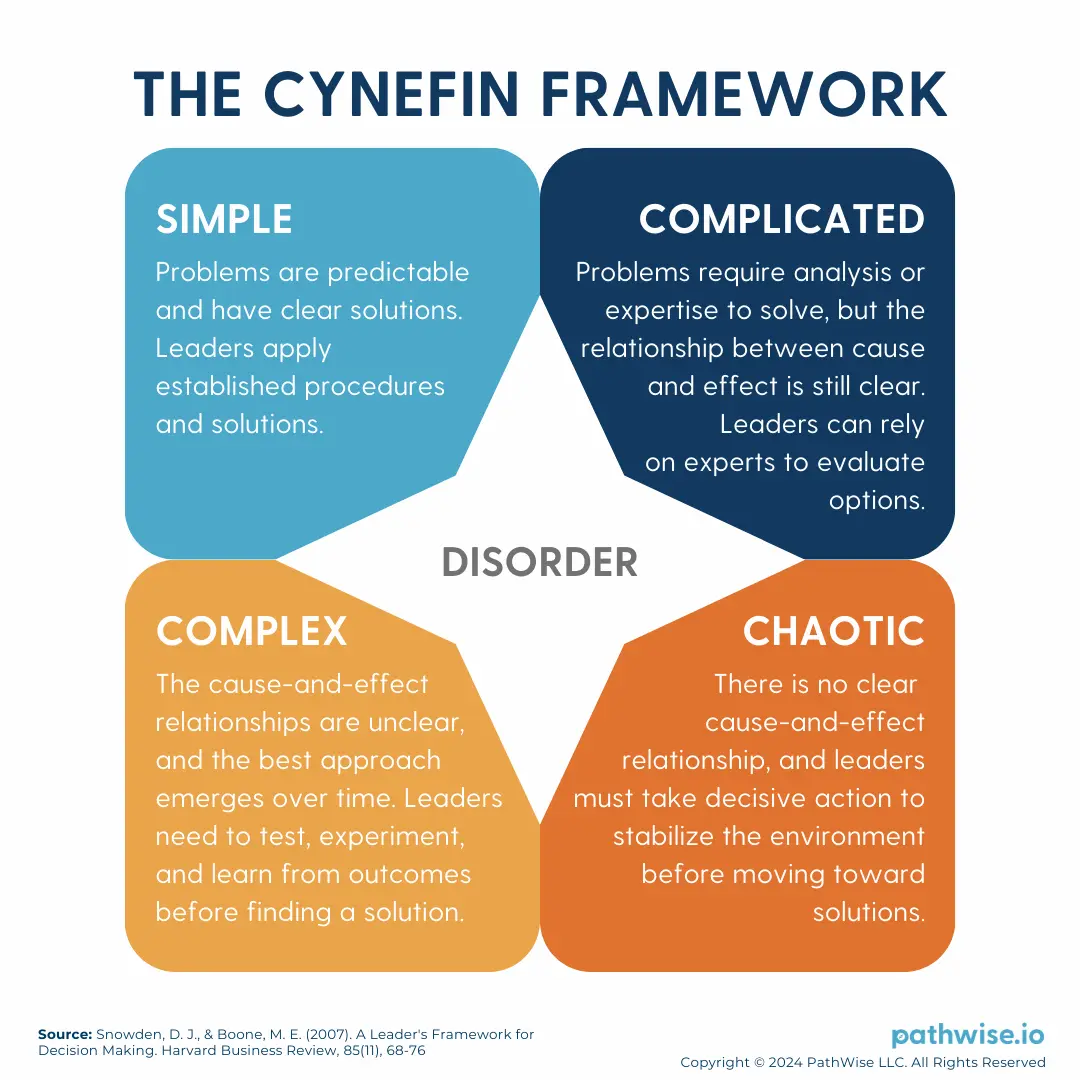
- Cynefin Framework: Created by Dave Snowden, the Cynefin Framework helps categorize problems into five domains: simple, complicated, complex, chaotic, and disordered. Each domain requires different decision-making approaches based on the situation’s nature.
-
- Prospect Theory: Developed by Daniel Kahneman and Amos Tversky, Prospect Theory explains how people make decisions based on perceived gains and losses rather than on absolute outcomes. It highlights the tendency to be loss-averse, preferring to avoid losses rather than make equivalent gains.
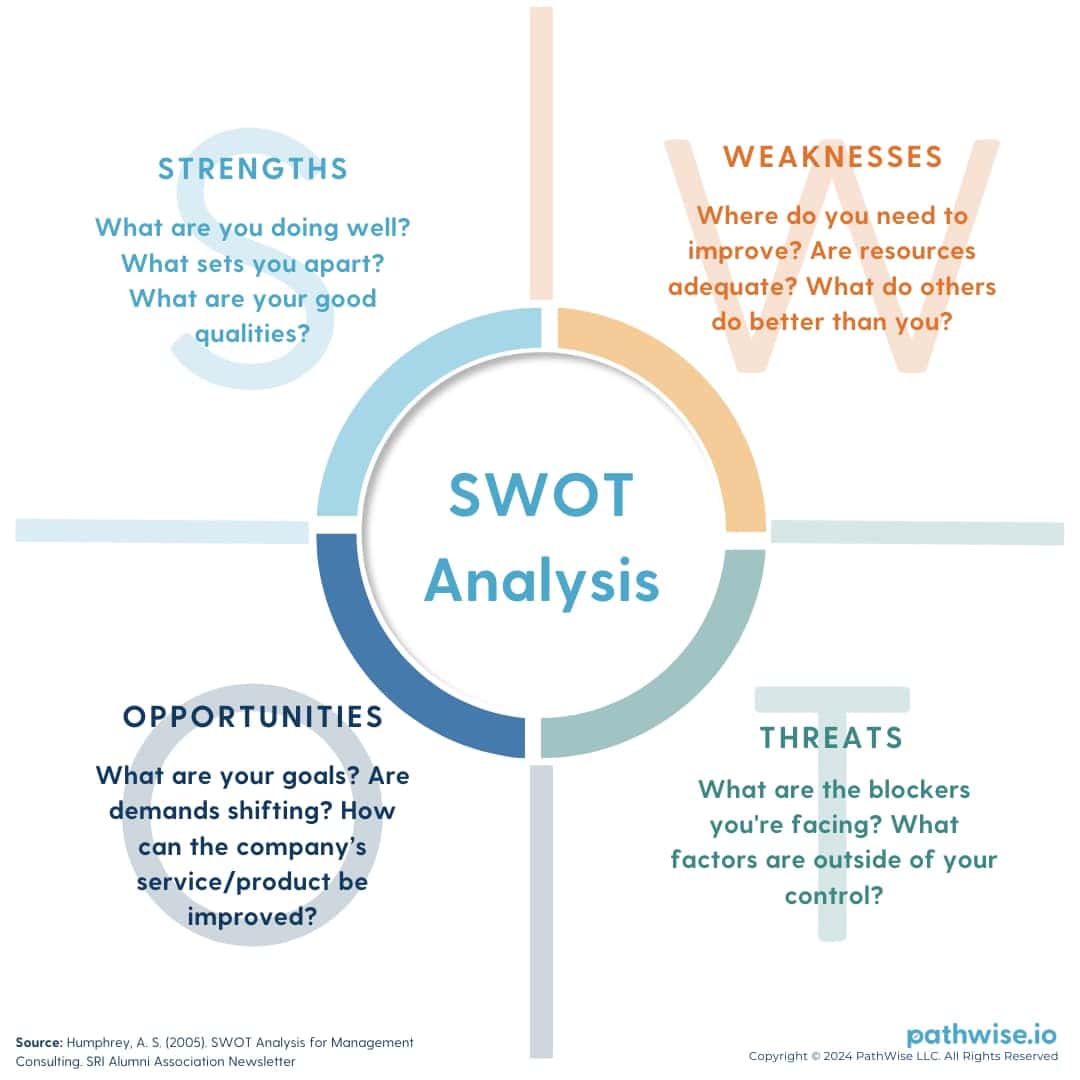
- SWOT Analysis (Strengths, Weaknesses, Opportunities, Threats): Although it’s often used for strategic planning, SWOT analysis can be a helpful judgment tool by encouraging an objective look at internal and external factors.
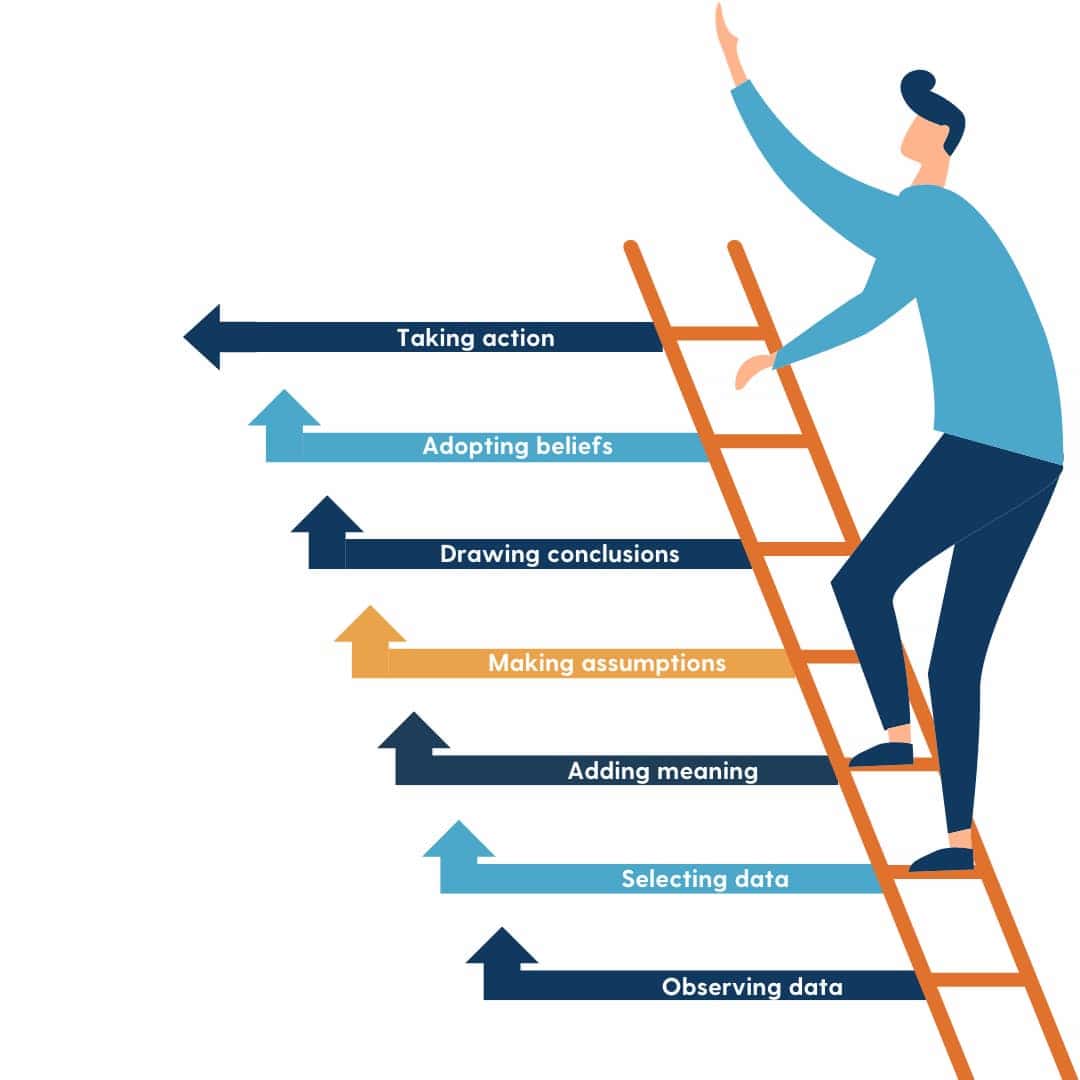
- The Ladder of Inference: Developed by Chris Argyris, the Ladder of Inference is a mental model for understanding how people move from observation to conclusions and action, often making assumptions along the way. The model shows that people usually jump up the ladder by making assumptions based on selected data, which can lead to biases. It encourages slowing the decision-making process by revisiting each “rung” to ensure conclusions are grounded in objective evidence.
- The PrOACT Method: Outlined in the book Smart Choices, this method is a structured approach to systematic decision-making that focuses on defining the real problem (as sometimes we get caught up in the symptoms or parts of the real problem), analyzing our objectives, examining all possible alternatives, assessing potential consequences, and considering trade-offs. In instances when the decision is highly complex, this method adds three more steps: thinking through uncertainties, analyzing potential risks, and considering linked decisions (those that will need to be made depending on the present one).


Judgment in Leadership
Good judgment is a cornerstone of effective leadership, enhancing a manager’s ability to make wise, timely decisions and guide their team with clarity and confidence. More specifically, judgment helps managers become better leaders because it leads to:
- Better Decision-Making in Complex Situations: Managers often face ambiguous, high-stakes decisions where clear-cut answers are rare. Good judgment helps them analyze situations holistically, weigh short-term and long-term consequences, and choose options that best align with organizational goals.
- Enhanced Credibility and Trust: Managers who consistently show sound judgment build trust and credibility with their teams, colleagues, and executives. People tend to rely on leaders who make fair, thoughtful decisions and consider the impacts on both people and outcomes. When a manager’s judgment is trusted, their team feels more secure and committed, fostering a collaborative and high-performance work environment.
- Adaptability to Changing Circumstances: Strong judgment enables managers to adapt to changes effectively by analyzing new information, revising plans, and making quick adjustments. This responsiveness helps a team remain agile, positioning the leader as someone who can navigate uncertainty with skill and composure.
- Ability to Manage Risk and Uncertainty: Good judgment includes evaluating risks and anticipating potential obstacles. Managers with strong judgment skills can make calculated decisions that balance ambition with caution, protecting the team from potential setbacks while seizing valuable opportunities. This risk-awareness reassures teams that their leader is steering them in a safe yet forward-thinking direction.
- Improved Conflict Resolution and Team Cohesion: Judgment is crucial in handling interpersonal dynamics, especially when conflicts arise. Managers with strong judgment can assess the root causes of disputes, consider each perspective, and arrive at fair solutions that promote harmony and mutual respect, fostering a positive work environment where people feel heard and valued.
- Greater Ability to Inspire and Motivate the Team: Managers with good judgment make decisions that align with the team’s and organization’s values, creating a deeper sense of purpose. When team members see that their manager’s actions reflect shared values and common goals, they are more motivated and engaged.
- Encouragement of a Learning-Oriented Culture: Managers with sound judgment encourage continuous learning by openly evaluating decisions, learning from outcomes, and refining processes. This approach demonstrates humility and a commitment to growth, inspiring team members to adopt the same mindset.

Image used under license from Shutterstock.com
Judgment in Personal Development
Good judgment is a key asset for professionals looking to progress in their careers. Sound judgment lets us make decisions that align with our long-term goals rather than simply reacting to immediate circumstances. For example, judgment equips us to assess when to pursue new opportunities, take calculated risks, or make lateral moves that could open up options for significant advancement. Strong judgment also helps us see the bigger picture, allowing us to strategically take control of our careers, steering them in fulfilling and rewarding directions.
Good judgment also enables us to build a strong reputation, which is critical for career advancement. Colleagues, managers, and mentors respect individuals who consistently make thoughtful, well-reasoned decisions, as it demonstrates reliability and foresight. This trust can lead to more high-impact assignments, increased visibility, and even leadership opportunities as others recognize our value and ability to make wise choices under pressure. This reputation can become a differentiator that positions us as go-to candidates for advancement opportunities.
Finally, professionals with good judgment are better prepared to navigate challenges and setbacks. Instead of being derailed by obstacles, with sound judgment, we can assess the situation, pivot when necessary, and make adjustments that keep us moving forward. This resilience is crucial, especially in today’s fast-changing job market, as it helps us adapt and capitalize on changes in our fields.

Image used under license from Shutterstock.com
Conclusion
Ultimately, cultivating good judgment is about honing the ability to think critically, stay adaptable, and act with integrity. Good judgment builds credibility, earns trust, and helps professionals navigate complex career landscapes confidently. Investing time and effort to improve judgment helps gain the ability to make better decisions and become the kinds of leaders and innovators that teams and organizations rely on. Regardless of position or role, strengthening our judgment is a powerful step toward a more fulfilling and successful professional journey.
Other Resources
- PathWise book summary: Smart Choices
- PathWise book summary: Thinking, Fast and Slow
- PathWise book summary: The First 90 Days
- HBR: The Elements of Good Judgment
- HBR: How To Develop Good Judgment as a New Manager
- HBR: Making Judgment Calls
- HBR: Good Judgment is a Competitive Advantage in the Age of AI
- TEDx Talk: Why the Scout Mindset is Crucial for Good Judgment
- Forbes: Why Good Judgment is Getting Harder
