


In a world overflowing with information, the ability to connect the dots and extract meaningful insights has become an increasingly vital skill for career success. Synthesizing information allows us to see patterns, prioritize effectively, and make smarter choices in different workplace scenarios, such as when navigating complex decisions, pitching innovative ideas, or adapting to a rapidly changing job market, to name a few. But beyond collecting data, our ability to synthesize information helps us to distill data into actionable knowledge that propels us forward. Ultimately, mastering the art of synthesis can empower you to excel in your career by enhancing problem-solving, critical thinking, communication, and adaptability.

Image used under license from Shutterstock.com
What is Synthesizing?
Synthesizing is the ability to distill a complicated topic into a clear, succinct, relatable summary and combine different ideas, information, and insights into a cohesive whole. It involves connecting dots between seemingly unrelated concepts to generate new understanding, identify patterns, or create innovative solutions. In the context of our careers, synthesizing is making sense of information or data in a way that drives decision-making and action. Learning to synthesize will help you with other skills, including:
- Problem-Solving: We can approach complex challenges with a clearer perspective by synthesizing information and integrating diverse inputs to identify actionable solutions.
- Innovation: Bringing together ideas from various disciplines or experiences often sparks creativity, enabling us to develop unique approaches and stay competitive in our fields.
- Strategic Thinking: Synthesizing helps us move from focusing on details to seeing the big picture. This skill is crucial for setting priorities, making informed decisions, and advancing in leadership roles.
- Communication Skills: Synthesizing information allows us to distill complex ideas into concise, compelling messages—essential for persuading stakeholders, presenting ideas, or leading teams.
- Continuous Learning: In a rapidly changing job market, synthesizing is key to adapting and growing, as it helps us absorb new knowledge, make connections, and apply insights to our likely evolving career goals.
Thought Leaders
Several thought leaders have developed techniques for honing synthesis, communication, and storytelling skills—key career and leadership success elements. Some of these experts include:
- Roger Martin: A pioneer of integrative thinking and former dean of the Rotman School of Management, Martin is the author of The Opposable Mindand Playing to Win. His work emphasizes blending opposing ideas to develop innovative and strategic solutions.
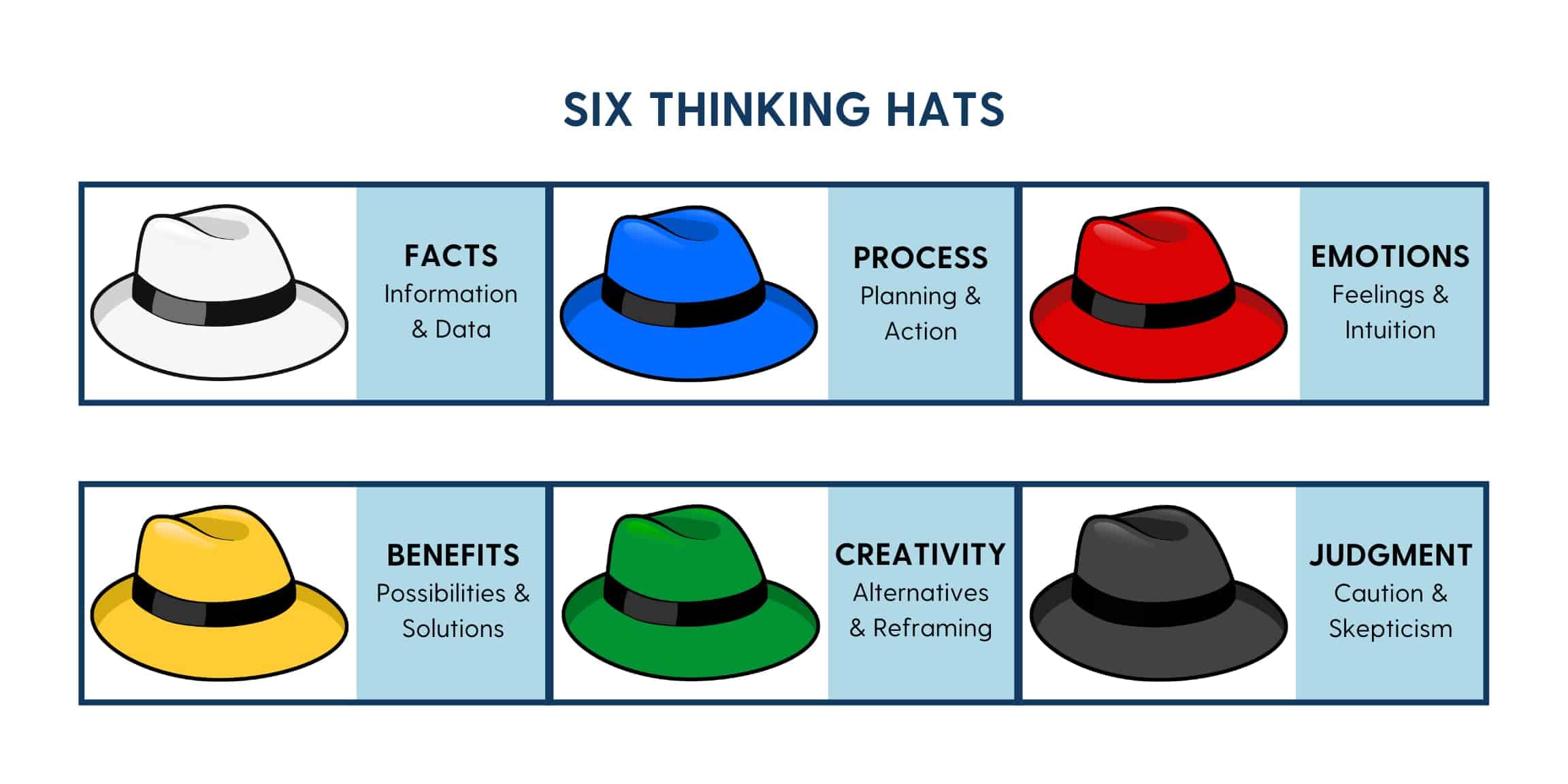
- Edward de Bono: Known as the father of lateral thinking, de Bono developed methods for creative problem-solving, including the Six Thinking Hats framework. His books, such as Lateral Thinking, have shaped approaches to innovation and decision-making worldwide.
- Annette Simmons: A leading voice in storytelling, Simmons is the author of The Story Factorand Whoever Tells the Best Story Wins. Her work highlights the power of narrative in influencing, inspiring, and connecting with others.
- Nancy Duarte: Duarte is a presentation design expert and the author of Slide:ologyand Resonate. She is known for her storytelling frameworks that help individuals and organizations create impactful presentations that resonate emotionally with audiences.
- Donald Miller: A master storyteller, Miller created the StoryBrand framework and is the author of Building a StoryBrand. His approach helps businesses clarify their messaging and better connect with their customers.
- Carmine Gallo: A communication expert and author of Talk Like TEDand The Presentation Secrets of Steve Jobs, Gallo focuses on teaching professionals how to craft compelling, memorable presentations.
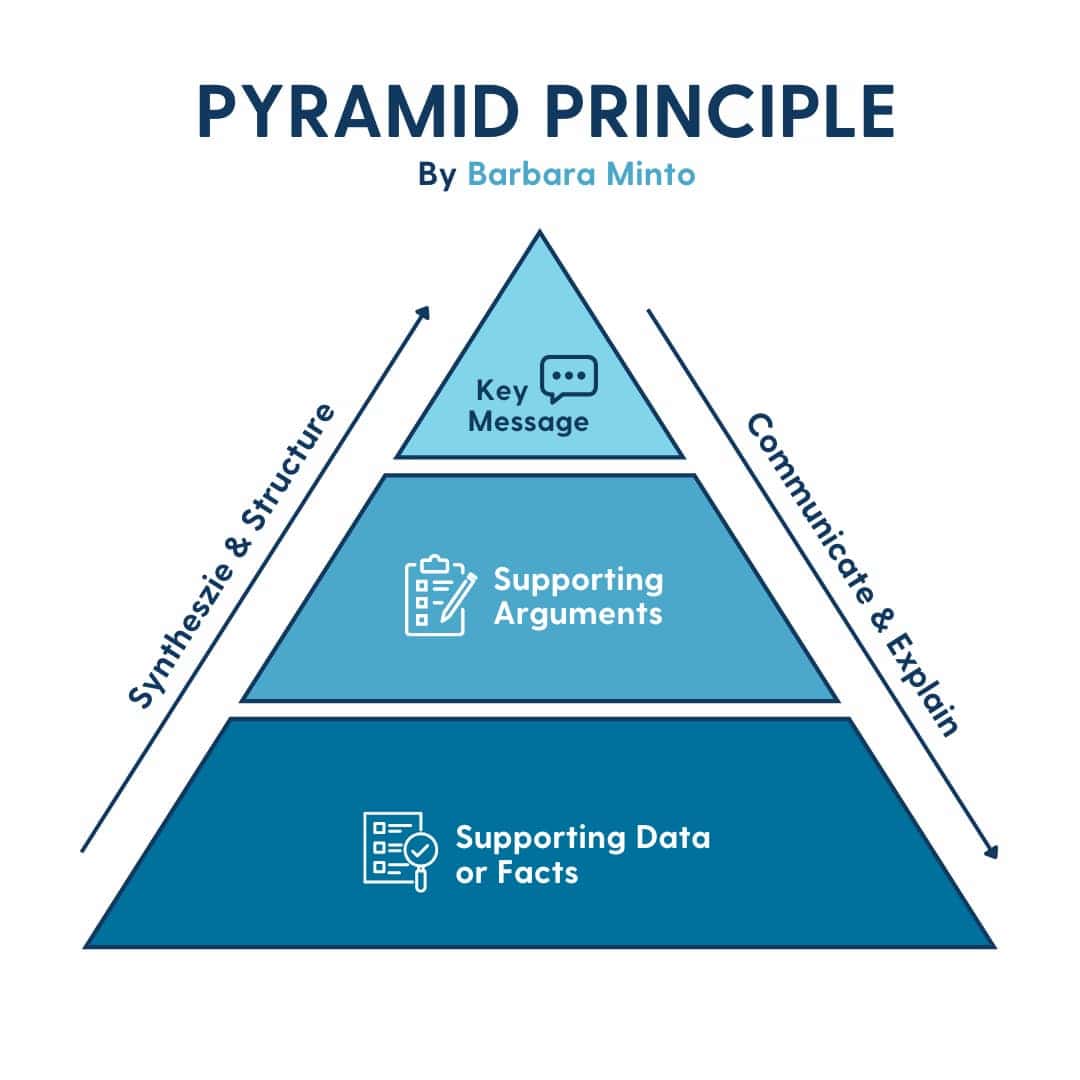
- Barbara Minto: A renowned consultant and author best known for developing the Pyramid Principle and publishing a book by the same name, Minto worked as a consultant at McKinsey & Company. There, she honed her method, which has since become a standard tool for consultants, business leaders, and professionals in various fields.
- Charles Duhigg: Duhigg is a Pulitzer Prize-winning journalist and the author of Supercommunicators and Smarter Faster Better. His work delves into the science of key communication skills, productivity, decision-making, and behavioral change.
- Kerry Patterson, Joseph Grenny, Ron McMillan, and Al Switzler, Co-authors of Crucial Conversations: Tools for Talking When Stakes Are High, their work provides practical strategies for navigating difficult and high-stakes conversations effectively, fostering collaboration and conflict resolution.

Image used under license from Shutterstock.com
Key Frameworks
The following models provide structured approaches to combining diverse inputs, fostering clarity, and delivering impactful outcomes across personal, professional, and organizational contexts.
- The Pyramid Principle: Developed by Barbara Minto, this model is a structured communication framework that emphasizes organizing ideas in a pyramid format. It starts with the main conclusion, followed by supporting arguments and detailed evidence. This helps synthesize and present complex information logically for clarity and impact, especially in business and consulting contexts.
- Integrative Thinking: This model encourages resolving opposing ideas by integrating them into a superior solution. Martin’s approach leverages the tension between conflicting choices to foster innovation and strategic thinking.
- Six Thinking Hats: Developed by Edward de Bono, this model organizes thinking into six distinct “hats” or modes, such as logical, emotional, creative, and critical perspectives. It encourages synthesizing diverse viewpoints to approach problems holistically.
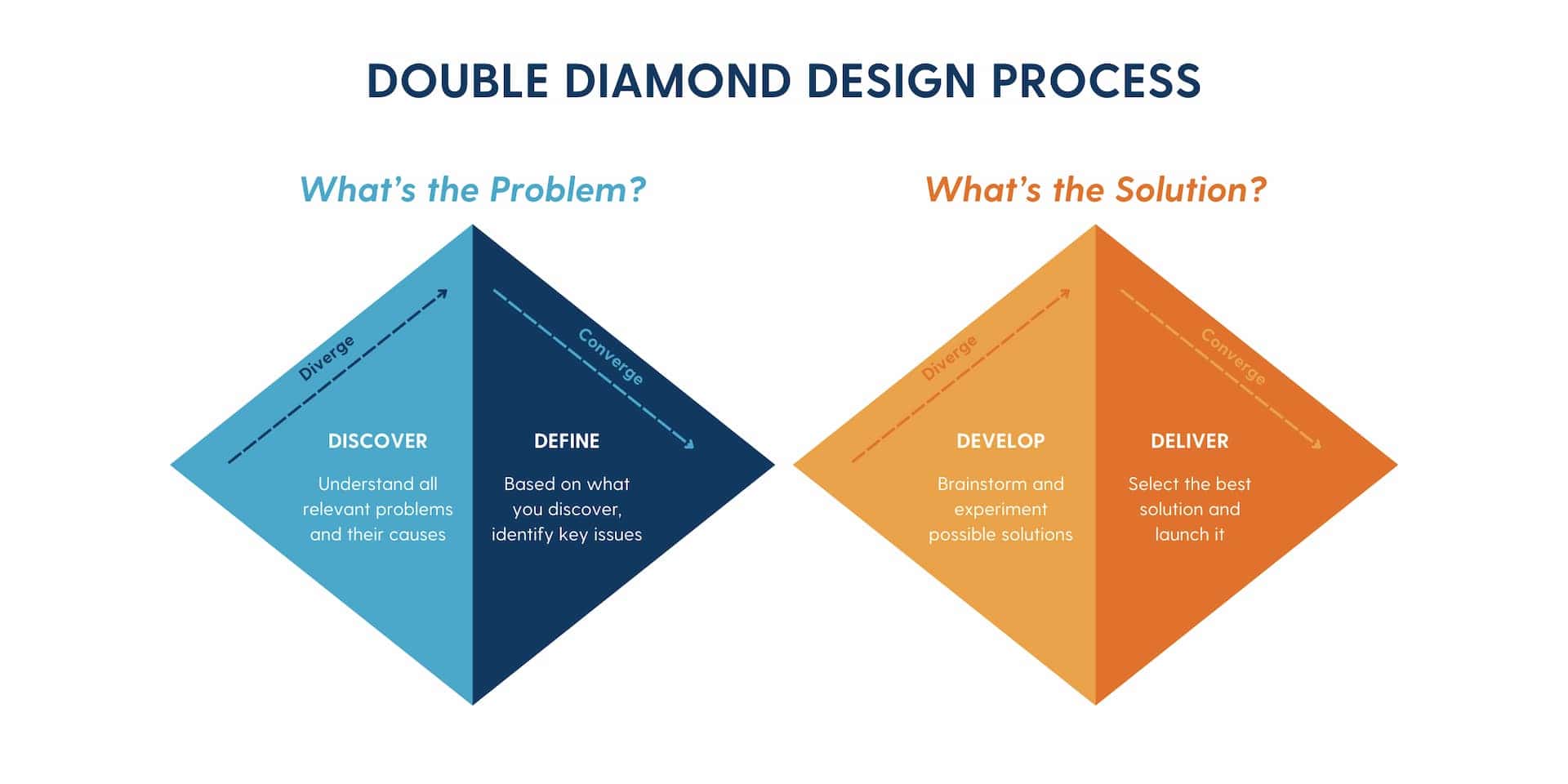
- Double Diamond Design Process: This design thinking model involves two phases: discovery and delivery, each with divergent and convergent thinking. It helps synthesize diverse research insights into actionable solutions through iterative exploration and refinement.
- StoryBrand Framework: This model synthesizes a brand’s message using the structure of storytelling, focusing on the customer as the hero and the brand as a guide. It provides a clear, engaging way to communicate value propositions effectively.
- Kano Model: This model focuses on synthesizing customer feedback to prioritize features or solutions based on their impact on satisfaction. It is widely used in product development and service design.


Tools
Now, more than ever, there are an array of tools that can help you to synthesize your message and support decision-making and action. GenerativeAI tools in particular, such as ChatGPT and Microsoft CoPilot, are a game-changer for synthesis, as they have the ability to do a lot of the work for you. They can help you distill summaries of meetings, presentations, reports, and many other forms of narrative data. Quantitative analysis tools like Excel, SPSS, SAS, Mathematica, and MatLab, are all mature platforms for number crunching. You can also write your own scripts using Python, R, or other data-oriented software languages. And business intelligence tools like Tableau and PowerBI can help you showcase your data in meaningful and memorable ways.
Where these tools still fall short is in fully substituting for human judgment, creativity, and the lived experience. So while they’ll make the work of synthesizing much, much faster (and, in some cases, better), you should still work on developing your own synthesizing skills to further build on what the tools are able to do for you. Going through the mental effort of distilling key messages when you need to do so will also help you hone your skills for situations where the tools aren’t able to be as much help.
Synthesizing in Leadership
Synthesizing helps managers become better leaders by integrating diverse perspectives, making well-informed decisions, and inspiring their teams. This ability enhances leadership through the following:
- Enhanced Decision-Making: Leaders synthesize data from various sources—market trends, team feedback, and organizational goals—to make decisions considering a situation’s full scope. With synthesizing skills, leaders can focus on what matters most, even in complex scenarios, as they connect information and identify key patterns.
- Effective Communication: Synthesizing allows leaders to distill complex ideas into clear, actionable strategies, making it easier for teams to align with their vision. Synthesis also allows leaders to communicate in ways that resonate with diverse audiences and that are more easily comprehensible to busy team members.
- Conflict Resolution: Leaders who synthesize input from all sides can more effectively mediate conflicts by addressing the root causes and finding common ground. This approach also helps leaders weigh competing priorities and propose solutions that consider the needs of all stakeholders.
- Strategic Thinking and Vision: Leaders synthesize short-term goals with long-term vision, ensuring that immediate actions align with overarching objectives. This helps leaders develop forward-thinking strategies that drive growth and change.
- Adaptability and Resilience: Synthesizing equips leaders to make informed decisions quickly, even in the face of ambiguity. Leaders who synthesize lessons from successes and failures are better equipped to adapt and grow.

Image used under license from Shutterstock.com
Synthesizing in Personal Development
Synthesizing is a critical skill for career management because it enables us to connect diverse insights, experiences, and opportunities into a cohesive growth plan. As the job market continues to shift rapidly, it’s fair to say that a good portion of our success depends on our ability to navigate complexity and make informed decisions. Synthesizing helps us analyze trends, identify patterns, and prioritize actions that align with our long-term goals and industry demands.
Additionally, synthesizing information allows us to better understand how our skills and experiences fit into the bigger picture. For example, combining feedback from peers, insights from professional development, and market trends helps us identify where to focus our efforts. This integrative thinking is essential for spotting opportunities that will advance our careers.
Synthesizing also enhances adaptability, a key trait for career resilience. When faced with challenges, synthesis helps us draw on past experiences to develop creative solutions and navigate uncertainty. It also supports continuous learning by linking new knowledge to existing expertise, enabling us to grow and remain competitive in our fields.
Finally, synthesizing aids in effective communication, a cornerstone of career success. Whether we’re pitching ideas, networking, or leading teams, our ability to distill and present complex ideas clearly and persuasively sets us apart. Ultimately, through synthesis, we manage our careers more strategically and build the relationships and reputation essential for long-term success.

Image used under license from Shutterstock.com
Conclusion
In an era of complexity and information overload, synthesizing is a skill that can set you apart. It enables you to filter through noise, make sense of competing priorities, and communicate ideas clearly and purposefully. Honing this ability will help you navigate your career with greater confidence and also contribute to the success of your team and organization.
