



The ability to maintain composure under stress—often referred to as grace under fire—can define our career trajectories. In increasingly fast-paced and unpredictable work environments, we frequently face unexpected challenges that demand quick thinking and a calm demeanor. Our response to these high-stakes situations can make or break professional success.
Grace under fire is about remaining calm, but more than that, it encompasses the ability to think clearly, act decisively, and communicate effectively under pressure. This skill is particularly important for leaders, as their reactions can influence the team’s composure, morale and performance. But, regardless of position or role, any professional who demonstrates grace under fire will earn respect and trust from colleagues and clients and will pave the way for deeper collaboration and stronger professional relationships.

Image used under license from Shutterstock.com
What is Grace Under Fire?
Grace under fire refers to maintaining composure, poise, and professionalism when faced with difficult, high-pressure, or challenging situations. It involves handling adversity with dignity and resilience, often inspiring confidence in others despite the intensity or difficulty of the circumstances.
Some skills that can help you remain graceful under fire include:
- Emotional Intelligence: Fostering self-awareness, self-regulation, and empathy will help you remain calm in high-stakes situations. This means recognizing your emotions and their impact on your behavior, managing stress and impulses to stay calm and collected, and understanding others’ perspectives to build rapport and de-escalate tension.
- Stress Management Techniques: Practicing mindfulness, deep breathing, or grounding exercises can help you stay present and composed during challenging situations. Additionally, managing your time effectively and maintaining healthy habits like exercise and proper sleep can build resilience against stress.
- Conflict Resolution Skills: Active listening, problem-solving, and diplomacy are critical in high-pressure situations. This involves showing understanding to reduce misunderstandings, methodically approaching conflicts to find solutions, and responding tactfully rather than emotionally.
- Communication Skills: Being clear, confident, and adaptable in your communication helps you navigate intense situations. By articulating your thoughts clearly, speaking assertively without aggression, and adjusting your tone to suit the audience or situation, you can inspire confidence in others.
- Resilience and Adaptability: Developing cognitive reframing, flexibility, and perseverance can help you tackle adversity with grace. This means viewing challenges as opportunities, adjusting strategies when circumstances shift, and staying focused on long-term goals despite obstacles.
- Preparation and Competence: Building your knowledge and practicing scenarios in advance equips you to handle high-pressure situations. Confidence often stems from being well-prepared and knowing your subject matter inside out.
- Support Systems: Relying on mentorship, teamwork, and personal networks can provide the emotional and professional backing needed to remain composed. Seeking guidance from mentors, collaborating with colleagues, and leaning on friends or family can make challenges more manageable.

Image used under license from Shutterstock.com
Thought Leaders
Some notable thought leaders and experts who emphasize skills and qualities related to remaining graceful under fire include:
- Brené Brown: Renowned for her work on vulnerability, courage, and emotional resilience, her insights help leaders manage emotions and maintain composure under pressure. Her book Dare to Lead provides tools for staying authentic and calm in challenging situations.
- Daniel Goleman: A pioneer in emotional intelligence (EQ), his work emphasizes the importance of self-awareness, self-regulation, and empathy—core components of staying composed under stress.
- Bill George: A leadership expert and author of True North, he focuses on authentic leadership and self-awareness as tools to navigate pressure gracefully while staying aligned with values.
- Susan David: A leading voice on emotional agility, she teaches how to adapt to stress and uncertainty with resilience. Her book Emotional Agility provides actionable strategies for staying poised and responsive.
- Admiral William H. McRaven: Drawing on his Navy SEAL experience, his speeches and book Make Your Bed emphasize discipline, preparation, and a calm demeanor in the face of adversity.
- Marshall Goldsmith: A leadership coach and author of Triggers, he provides practical advice for managing behavior under pressure and responding thoughtfully in high-stakes moments.
- Katty Kay and Claire Shipman: Authors of The Confidence Code, they provide insights into building self-assurance and maintaining poise, even in the most difficult situations.
Key Frameworks
Several frameworks examine how to maintain composure and resilience in high-pressure or stressful situations. Here are some relevant ones:
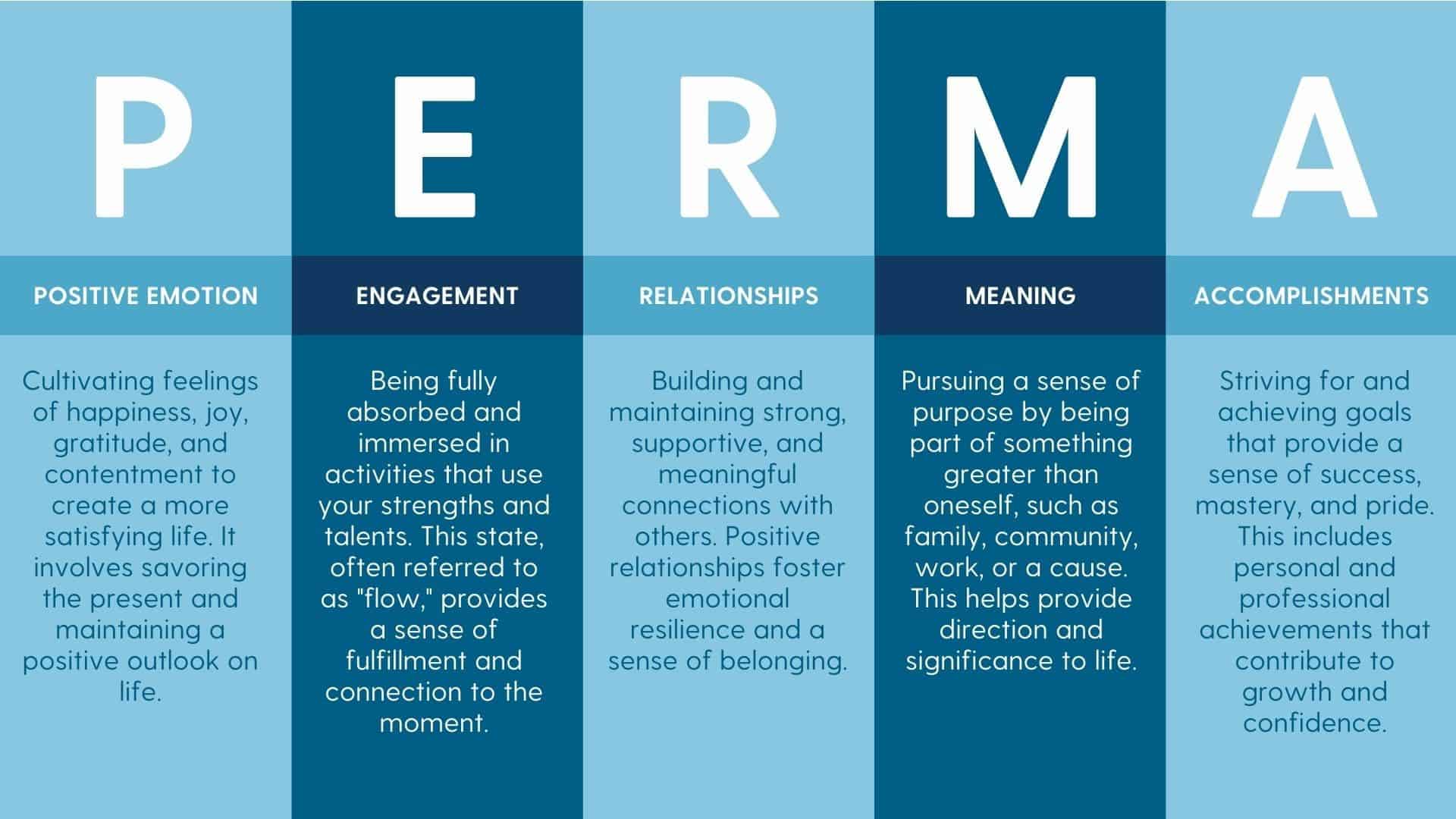
- The PERMA Model: Martin Seligman’s framework identifies five elements of well-being—Positive Emotions, Engagement, Relationships, Meaning, and Accomplishment—that indirectly reduce stress. Cultivating these elements can help you remain calm and collected despite challenging situations.
- Emotional Intelligence: Daniel Goleman proposed five key elements of emotional intelligence: self-awareness, self-regulation, motivation, empathy, and social skills. The ability to stay calm and composed in stressful situations requires strong emotional intelligence. Self-regulation helps you manage impulses, while self-awareness lets you recognize when you’re getting stressed or overwhelmed.
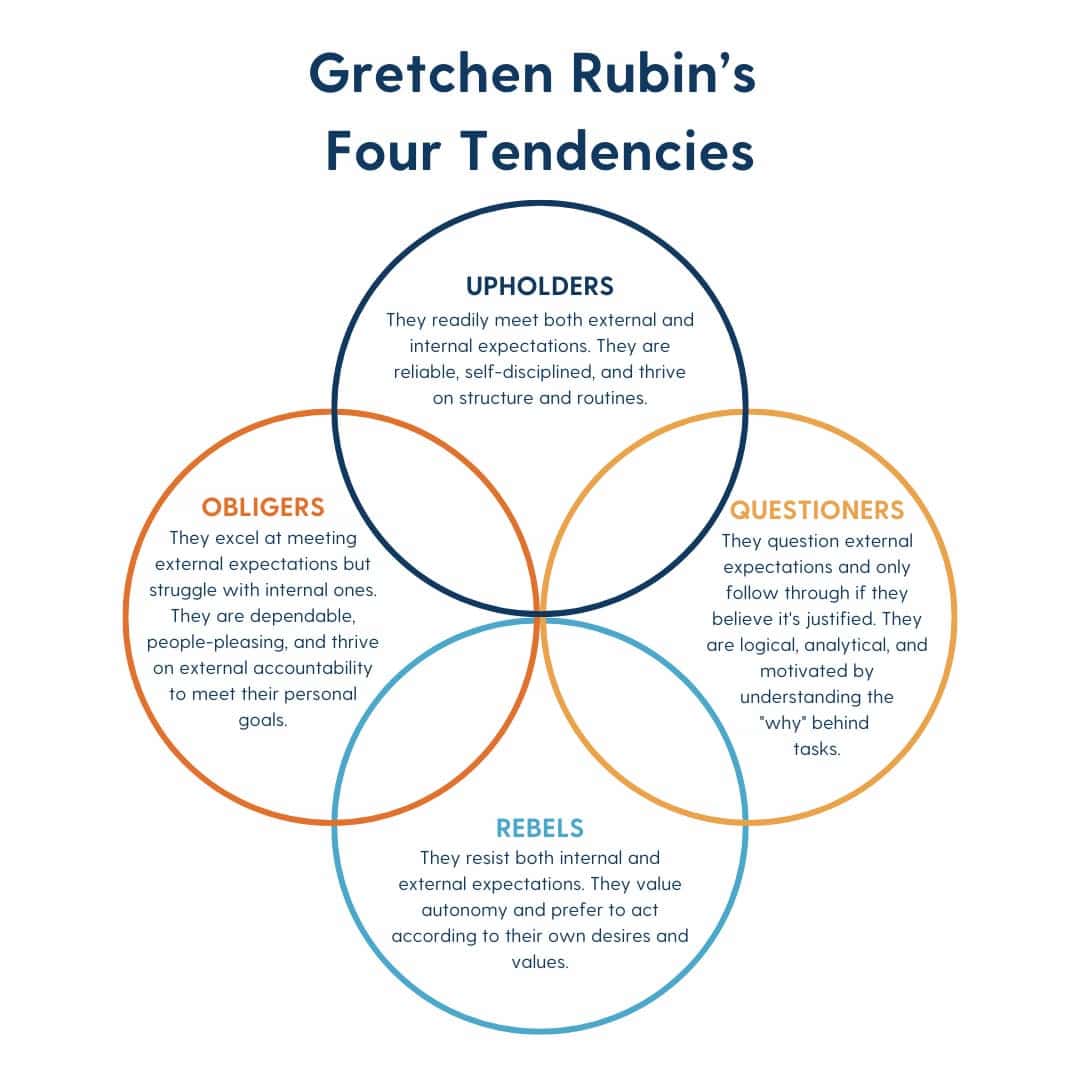
- Four Tendencies Framework: Proposed by Gretchen Rubin, this model classifies individuals into one of the following categories depending on their response to stressful events: Upholders, Questioners, Obligers, Rebels. Understanding how you respond to expectations (both inner and outer) helps manage stress. Those who are Obligers, for instance, may struggle with external pressure but can benefit from clear structures and support in stressful situations, allowing them to maintain grace.
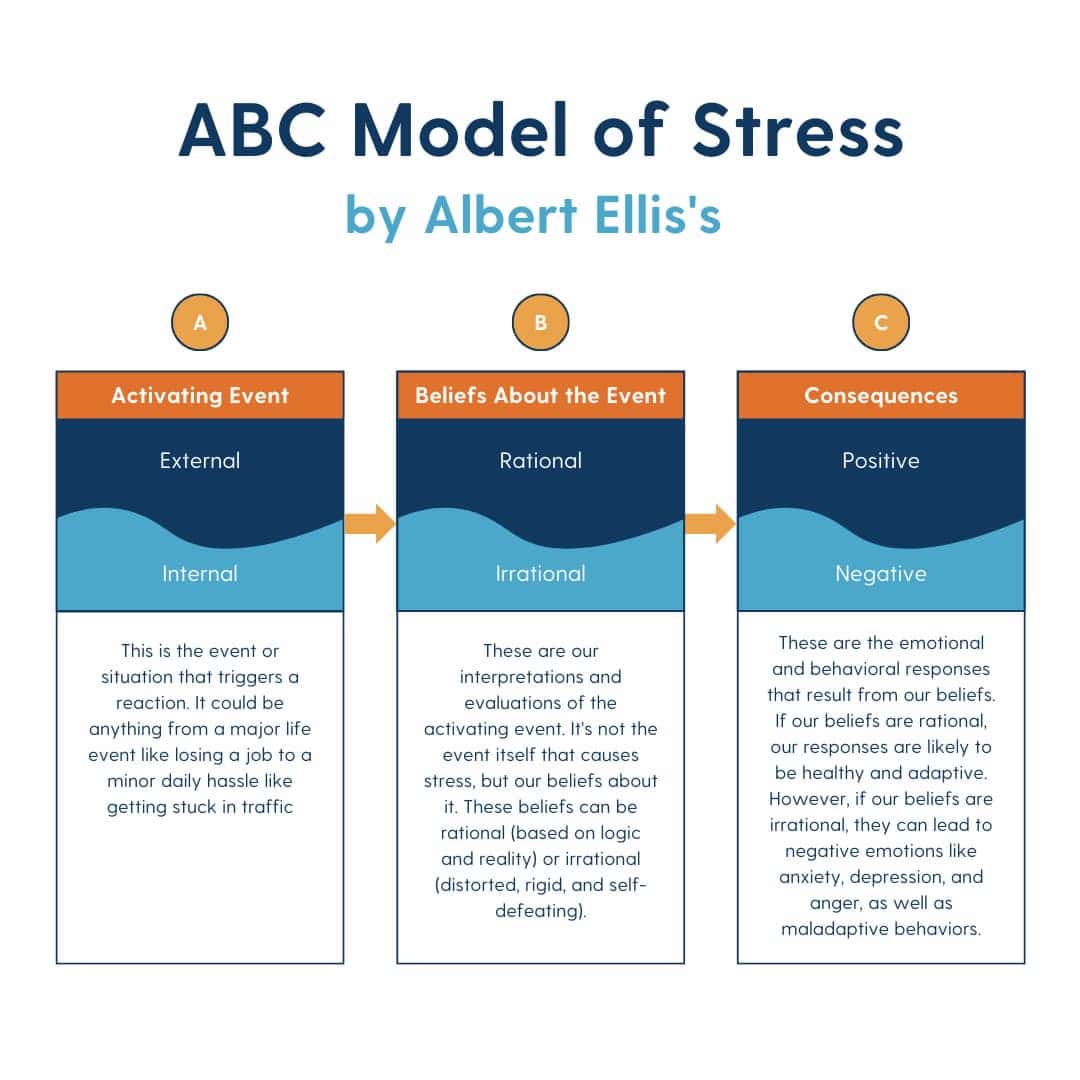
- The ABC Model of Stress: Developed by Albert Ellis, this model breaks down stress into three components: Activating Event (what happened), Beliefs (how it’s interpreted), and Consequences (emotional or behavioral reactions). It highlights the importance of addressing irrational beliefs to transform stress responses to help maintain composure under pressure.
- Conservation of Resources: Stevan Hobfoll argued that managing stress involves conserving and replenishing key resources. Techniques like prioritizing self-care, maintaining social support, and practicing effective time management can help prevent burnout and promote resilience under stress.
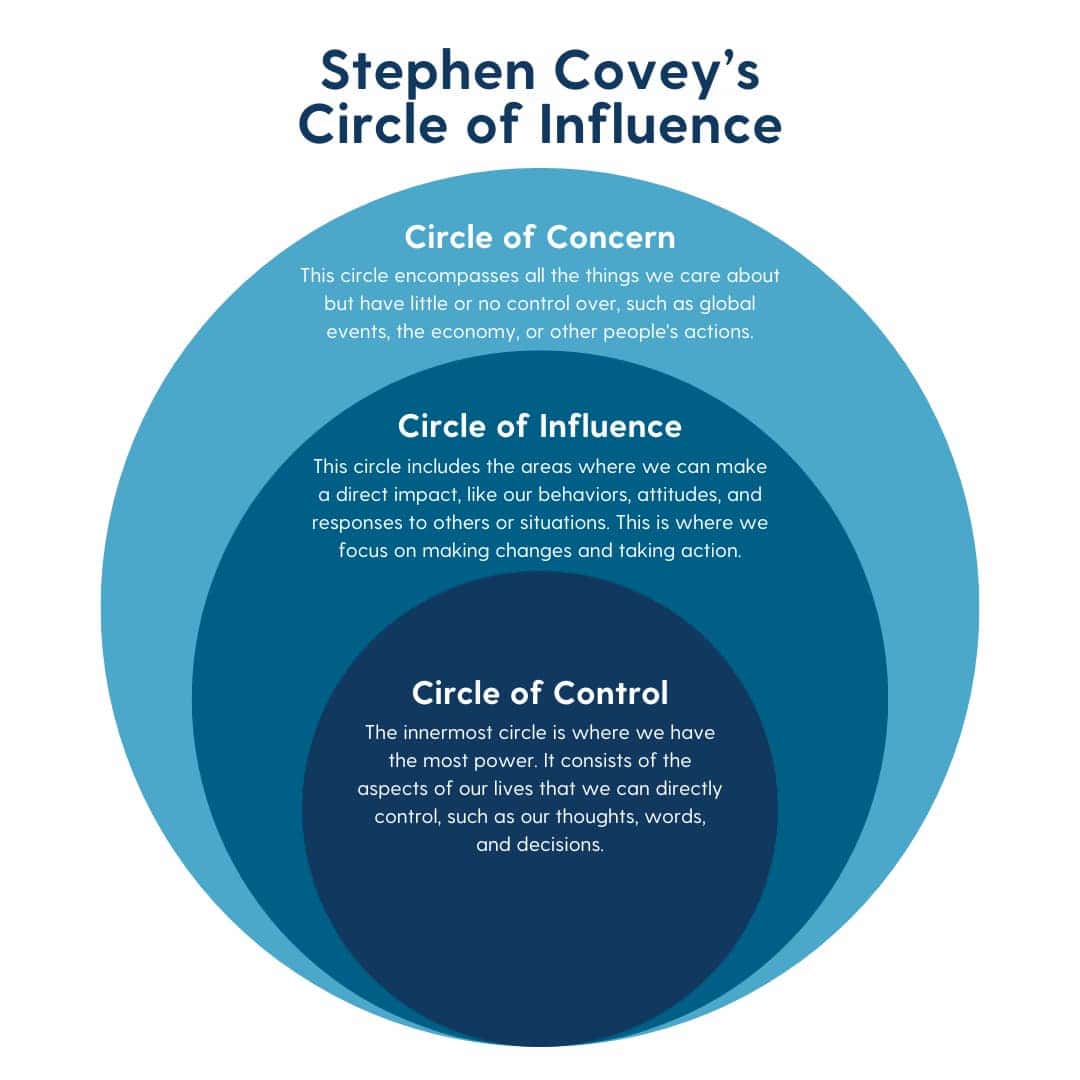
- Circle of Influence: Proposed by Stephen Covey, this model focuses on assessing what you can control versus what you can’t. You can maintain composure in difficult situations by focusing energy on what you can control and letting go of what’s beyond your influence. This perspective can help navigate high-stress environments gracefully.


Grace Under Fire in Leadership
Managers who remain calm under pressure often make better leaders because their composure positively impacts their decision-making and work environment. Specifically, grace under fire allows for:
- Clear Decision-Making: Calm managers can think more clearly and make more rational decisions during high-pressure situations. They’re less likely to react impulsively, which helps in formulating thoughtful solutions and strategies.
- Modeling Behavior: When managers handle stress gracefully, they set a positive example for their team. This modeling behavior fosters a culture of resilience and encourages team members to stay composed, reducing overall workplace anxiety and panic.
- Inspiring Confidence: A calm demeanor instills confidence in employees. When teams see their leader handling crises without losing control, it reassures them that the situation is manageable, which can improve morale and productivity.
- Effective Communication: Calm leaders are better communicators under stress. They can convey instructions clearly, listen to feedback, and maintain open lines of communication, which is crucial during challenging times.
- Fostering Trust: Consistent composure builds trust among team members. Employees are more likely to trust leaders who remain steady and reliable, even in tough situations, knowing they can count on them to guide the team effectively.
- Enhanced Problem-Solving: By staying calm, managers are more likely to think creatively and explore various solutions, leading to more effective problem-solving.

Grace Under Fire in Personal Development
Grace under fire impacts how we handle challenges and high-pressure situations in the workplace. When we exhibit grace under fire, we demonstrate resilience and composure, highly valued qualities in any organizational setting. This ability allows us to navigate stressful circumstances without compromising our performance or decision-making, which is essential for personal and career growth.
In high-stress environments, remaining calm and collected helps maintain clarity of thought, enabling us to make sound decisions and act strategically. This helps resolve immediate issues and positions us as reliable and effective leaders who consistently show an ability to handle pressure, which can accelerate our career progression.
Grace under fire also fosters stronger professional relationships. Colleagues, subordinates, and clients are more likely to respect and trust us if we’re able to manage crises without succumbing to panic. This trust can lead to more opportunities for collaboration and leadership, further enhancing our professional development. Cultivating grace under fire ultimately equips us with the skills necessary to thrive in dynamic and challenging environments.
Conclusion
Grace under fire is a skill that elevates individual performance and inspires confidence and stability within teams and organizations. As you navigate the complexities of your career journey, make sure to cultivate resilience, emotional intelligence, and effective stress management strategies to ensure long-term success.
Other Resources
- PahtWise Book Summary: Emotional Agility by Susan David
- PahtWise Book Summary: Emotional Intelligence by Daniel Goleman
- PahtWise Book Summary: Dare to Lead by Brené Brown
- HBR: How To Sustain Your Empathy in Challenging Times
- HBR: CEOs, Own the Crisis or It Will Own You
- Forbes: How Emotional Intelligence Can Make You A Stronger Leader In A High-Stakes Business Environment
- TEDx Talk: Courage Under Fire
