


We love the idea of the self-made success story—the lone genius, the scrappy entrepreneur, the determined individual who, against all odds, rises to the top through sheer willpower. But if you look closer at any successful person’s journey, you’ll find a different reality: No one makes it entirely on their own.
Behind every thriving professional is a team—mentors, advisors, colleagues, and friends—who provide invaluable guidance, feedback, and support. Beyond that exists a strong professional network to open doors to opportunities, partnerships, and knowledge that no single person could access alone.
So if success is your goal, the question isn’t how hard are you working? but who is helping you get there?

Image used under license from Shutterstock.com
Why is Having a Network So Important?
Networking is essential because success isn’t just about what you know—it’s also about who you know and how you leverage those relationships. More specifically,
- Opportunities Come from Connections: Many of the best job offers, business deals, and collaborations happen through connections. People prefer to work with those they trust, and a strong network ensures you’re in the right circles when opportunities arise.
- Mentorship and Guidance: Your network includes people who have already walked your path. They can offer advice, share lessons from their experiences, and help you avoid costly mistakes. The right mentor can change the trajectory of your career.
- Access to Resources and Knowledge: No one has all the answers, but you can tap into a wealth of expertise within a diverse network. Your connections can inform you about industry trends, new skills, or problem-solving strategies. In short, having the right people to turn to can give you a competitive edge.
- Support and Motivation: Success can be challenging, and setbacks are inevitable. A strong network provides emotional support, encouragement, and even collaboration opportunities when things get tough. Having people who believe in and help you can make a difference in your ability to get back up and progress towards your goals.
- Visibility and Reputation Building: Connecting with the right people enhances credibility. Engaging with professionals in your field—which can be done online or in person—helps establish your reputation as knowledgeable, reliable, and valuable. This makes others more likely to recommend, trust, or choose you for collaborating opportunities. You’ll also be top of mind if someone asks for referrals.
- Reciprocity Creates Long-Term Success: Networking is more about what you can provide for others than what you can take from them. When you help people, share insights, or make introductions, you build goodwill. Over time, these relationships become mutually beneficial, leading to long-term success.

Image used under license from Shutterstock.com
Tips for Curating Your Network
Building the right network isn’t about collecting business cards or increasing your LinkedIn connections. Rather, it’s about forming genuine, mutually beneficial relationships. With that in mind, when networking, ensure you also have something to offer. As you think through the connections you want to foster, make sure that you build a network that is made up of:
- Industry Peers: People in similar roles who understand your challenges and can share insights.
- Subject Matter Experts: Those with specialized knowledge in areas you need to learn more about.
- Influencers and Thought Leaders: Industry leaders who might help you stay informed and visible.
- Cross-Industry Contacts: People outside your field who can bring fresh perspectives and unexpected opportunities.
- Alumni and Former Colleagues: People from your past who can lead to new job offers, partnerships, and collaborations.
Some key strategies to curate a network that truly supports your success include:
- Be Intentional: Not every connection will add value to your growth. Instead of just networking broadly, focus on people in your industry or adjacent fields who inspire you. Make sure you include mentors, coaches, or experts who can offer guidance. But also include peers and colleagues who can support you and introduce you to opportunities. Aim for a mix of people at different stages in their careers—those ahead of you, at your level, and those you can mentor or who can reverse mentor you.
- Prioritize Quality Over Quantity: A small, engaged network is far more valuable than a large, disengaged one. It’s better to have 10 people who actively support and challenge you than 100 who don’t really know you and can’t help or support you (and vice versa). Focus on deepening a few key relationships instead of trying to meet everyone.
- Provide Value First: Rather than asking for favors right away, focus on nurturing a true relationship. To do that, lead with generosity. People will likely remember and help you in return. Share insights, articles, or resources, make introductions, offer your skills, etc.
- Engage with Your Network Consistently: One of the biggest networking mistakes is only reaching out when you need a job or a favor. Instead, check in regularly, engage with their work (commenting on LinkedIn posts, congratulating them on achievements, etc.), and offer help when possible.
- Be Authentic and Build Genuine Relationships: People can sense when networking is transactional. Instead of trying to impress, focus on building real connections by being yourself, as this attracts the right people. Ask meaningful questions and listen more than you talk. When approaching new people, find shared interests beyond just work.
- Diversify Your Network: Rather than solely connecting with people in your department, at your level, or in your industry, seek people from different industries who might bring fresh perspectives. Consider connecting with professionals whose skills and expertise differ from but complement yours.
- After Meeting Someone, Follow Up: A great first conversation means little if you never follow up. After meeting someone, send a quick email or LinkedIn message to continue the conversation. Then, keep in touch and check in regularly or engage with their online posting. Just don’t overdo it. Thoughtful gestures also go a long way in maintaining strong relationships, so it’s a good idea to set reminders to reconnect with key people every few months.

Image used under license from Shutterstock.com
What Does it Mean to Have a Team?
Networking helps expand your reach and opportunities, but to truly grow, you need a core team—people who actively support your personal and professional development. This team provides guidance, feedback, and accountability, helping you navigate challenges and maximize opportunities. They keep you grounded, push you to grow, and fill gaps where you lack expertise. A strong support system challenges your thinking, helps you see blind spots, and celebrates your wins along the way.
A well-rounded team includes mentors, peers, and collaborators who contribute to different aspects of your journey. Some key roles to consider:
- The Mentor: Someone ahead of you in your field who provides wisdom, guidance, and lessons from experience.
- The Coach: The person who helps you develop specific skills, offering structured guidance and accountability.
- The Connector: A natural networker who introduces you to key people and opportunities.
- The Challenger: The friend or colleague who plays devil’s advocate, pushing you to think critically and refine your ideas.
- The Collaborator: The peer who works alongside you on projects, bringing complementary skills.
- The Cheerleader: Your family or friends who provide emotional support, celebrating your wins and encouraging you through setbacks.
- The Protégé: Someone you mentor in return, strengthening your leadership skills, and from whom you can learn too.
Beyond individual relationships, molding your support team into a personal board of advisors creates a multiplier effect—making the collective group more valuable than the sum of its parts. A well-curated board ensures you’re always learning, making informed decisions, and growing beyond what you could achieve alone. They provide expertise where you may lack experience, offer objective feedback, and expand your access to networks and opportunities.
To build your personal board of advisors:
- Identify Key Areas Where You Need Guidance: Consider challenges ahead—leadership, industry knowledge, financial planning, entrepreneurship, or career transitions.
- Find the Right People: Seek industry experts, strategists, financial and legal professionals, coaches, and peers who offer fresh perspectives.
- Cultivate Relationships First: Engage with potential advisors by following their work, attending their events, and connecting through mutual contacts.
- Formalize the Relationship: Some advisors will naturally take on this role, while others may require structured check-ins with clear expectations.
- Maintain and Nurture the Connection: Keep advisors updated, express appreciation, and stay in touch even when you don’t need immediate help.

Image used under license from Shutterstock.com
Thought Leaders
Several thought leaders who focus on networking, mentorship, leadership, and building strong professional relationships include:
- Keith Ferrazzi: Author of Never Eat Alone, he emphasizes the power of authentic relationship-building for success.
- Adam Grant: Organizational psychologist and author of Give and Take, he explores how generosity and reciprocity shape successful careers and networks.
- Porter Gale: Author of Your Network Is Your Net Worth, she highlights the importance of building meaningful professional connections.
- Simon Sinek: Best known for Start With Why and Leaders Eat Last, he discusses the importance of leadership, trust, and mentorship in career growth.
- Herminia Ibarra: A professor at London Business School, she focuses on leadership transitions and networking in Act Like a Leader, Think Like a Leader.
- Dorie Clark: A business strategist and author of The Long Game, she emphasizes the value of long-term networking and personal brand-building.
- Reid Hoffman: Co-founder of LinkedIn and author of The Startup of You, he promotes the idea of managing your career as if it were a startup, leveraging networks and advisors.
- Whitney Johnson: Leadership expert and author of Build an A-Team, she focuses on career development, talent growth, and creating strong professional teams.
Key Frameworks
Several frameworks and models provide structured approaches to networking, mentorship, and building a support team. Here are some of the most relevant ones:
- The PIE Model: Developed by Harvey Coleman, this model explains career success as a combination of performance, image, and exposure, with exposure being the most important factor.

- The Dunbar Number: British anthropologist Robin Dunbar proposed that humans can only maintain stable relationships with about 150 people. This concept is helpful in networking, as it suggests that rather than accumulating thousands of connections, focusing on meaningful relationships within a manageable circle is more effective.
- The Strength of Weak Ties: Developed by Mark Granovetter, this theory, as per his research, suggests that weak ties (acquaintances) are often more valuable for job opportunities and introductions than strong ties (close friends). Weak ties bridge different social networks, giving you access to new opportunities and information that wouldn’t come from your immediate circle.
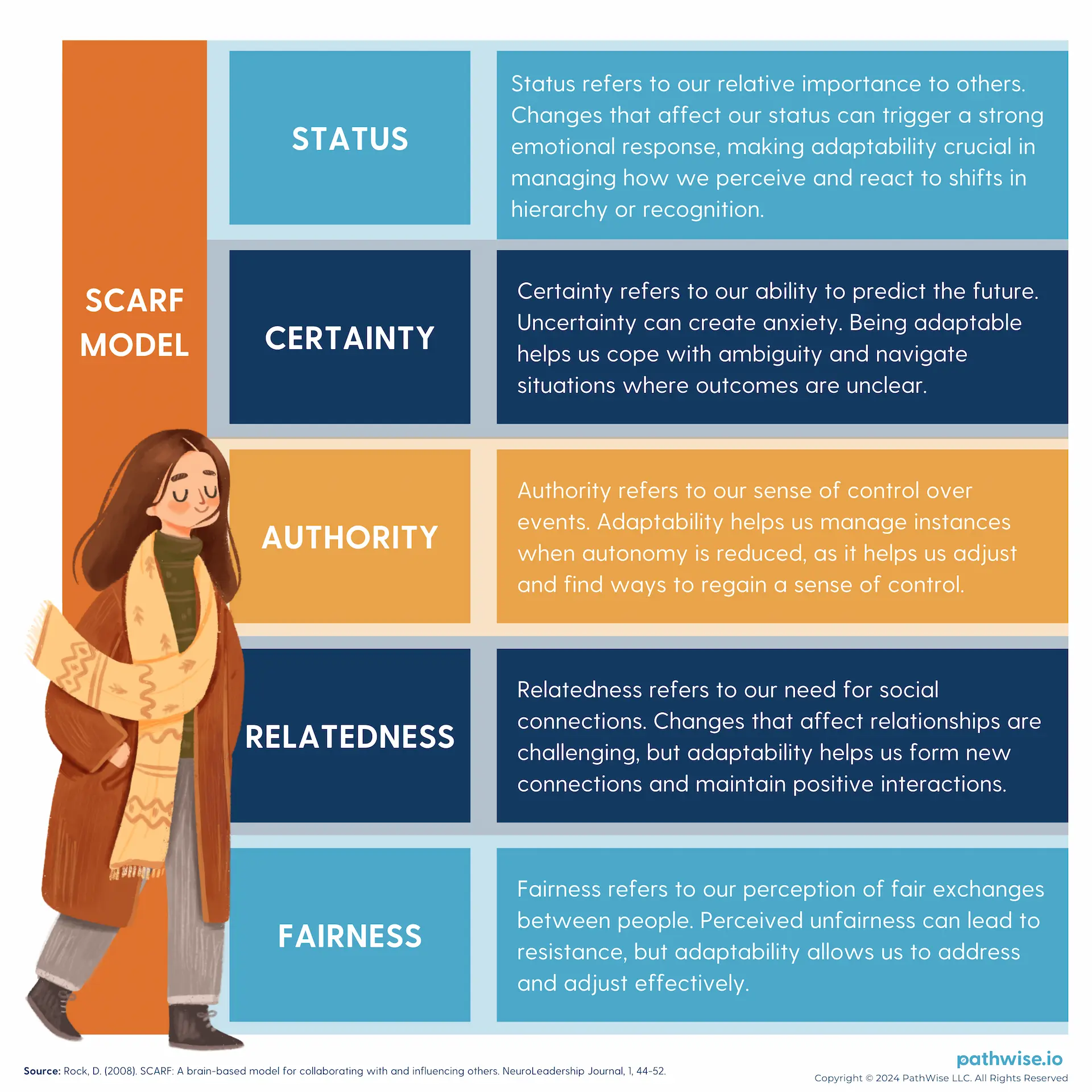
- The SCARF Model: This model explains what drives human interactions and relationships. It is useful for approaching networking in an authentic and trust-building way.
Your Team and Leadership
A well-curated support team strengthens leadership by providing knowledge, perspective, and accountability that no individual could develop alone. Leaders with advisors, mentors, and a strong network are better equipped to make informed decisions, adapt to challenges, and inspire those they lead.
One of the most significant ways a support team enhances leadership is by filling knowledge gaps. No leader has expertise in every area, but a diverse team of advisors and mentors ensures access to specialized insight when making high-stakes decisions. Having a team of advisors might also prevent blind spots and reduce the risk of costly mistakes. Beyond expertise, a strong network also cultivates emotional intelligence and self-awareness. Trusted advisors and mentors provide honest, constructive feedback, helping leaders recognize their weaknesses. This fosters personal growth, making leaders more adaptable, empathetic, and effective in managing teams.
The most successful leaders recognize that their strength lies in the people they surround themselves with. By intentionally fostering a team of mentors, advisors, and a strong network, they elevate their leadership abilities and create a ripple effect of support, knowledge, and success that benefits everyone around them.

Image used under license from Shutterstock.com
Conclusion
No one achieves success alone. The people you surround yourself with play a key role in your journey. Therefore, building a strong support team, curating a meaningful network, and leaning on the wisdom of mentors and advisors is key, as it will ultimately amplify your potential.
Be intentional about who you connect with, offer value to others, and remain open to feedback and guidance. Remember, your network is not just a list of names—it’s a community of people who believe in you, challenge you, and help propel your career forward. Success is often a collective effort powered by the support, knowledge, and opportunities provided by the people around you.
Other Resources
- PathWise Book Summary: Never Eat Alone
- HBR: Forget Mentors – You Should Build a Team of Advisors
- HBR: A Better Approach to Networking
- Forbes: The Power of Mentorship and Building the Next Generation of Leaders
- Forbes: The Four Types of Mentors and the Best Mentoring Relationships
- Forbes: The Art of Networking – Five Ways to Build Connections that Matter
- TED Talk: Networking That Doesn’t Feel Gross
