



Leadership is an often overused yet misunderstood concept. Many assume it’s about holding a title, making big decisions, or managing teams. But leadership isn’t the same as being the boss—anyone can be a leader, regardless of hierarchy.

Image used under license from Shutterstock.com
What is Leadership?
Leadership is the ability to inspire others toward achieving common goals, often by building trust, motivating action, and providing direction. More than giving orders or managing tasks, it involves fostering a shared sense of purpose, empowering team members, and cultivating an environment of collaboration and growth. A good leader often leads by example, demonstrating qualities such as integrity, empathy, and resilience, while adapting to challenges and maintaining a focus on the bigger picture.
Leadership extends beyond formal roles and titles, and even those not in management positions can exhibit leadership by taking initiative, supporting peers, and contributing to a positive culture. Effective leadership creates an environment where people feel valued and are inspired to contribute their best efforts, ultimately driving success and innovation.
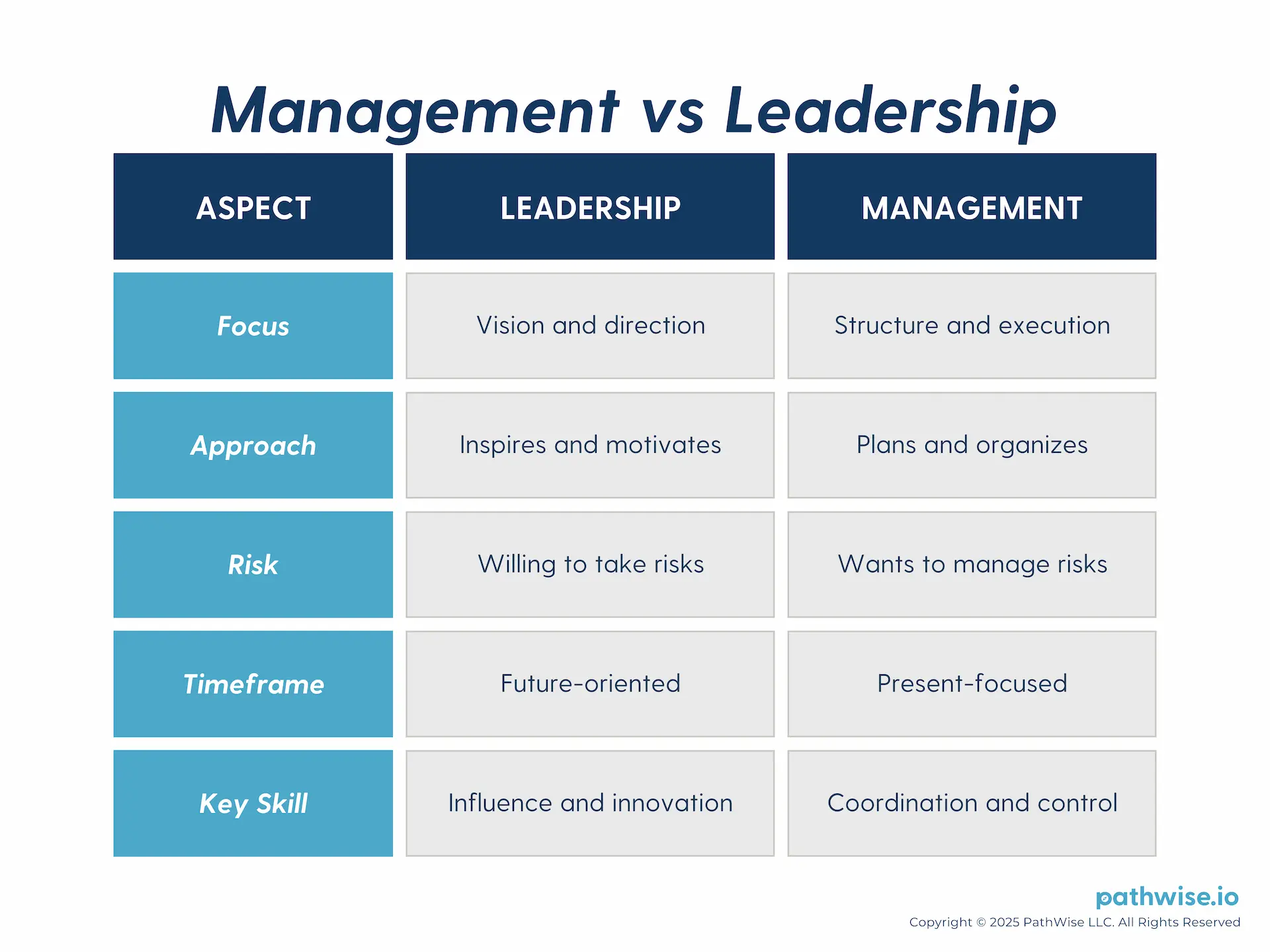
However, leadership and management are closely related and can complement each other.
Leadership is about inspiring, influencing, and guiding people toward a vision or goal. Leaders focus on big-picture thinking, innovation, and motivating teams to achieve their best. They demonstrate qualities like emotional intelligence, vision, and the ability to inspire trust and commitment. Management, on the other hand, is about planning, organizing, and coordinating resources to ensure tasks are completed efficiently. Managers focus on objective setting, resource allocation, processes and systems, and consistent execution. So while they’re not the same, leadership and management interrelate in that the best managers often exhibit leadership qualities, and strong leaders also need management skills to turn their vision into reality.
What are the Qualities of a Good Leader?
A good leader possesses a combination of personal and interpersonal qualities that inspire and guide others. Great leaders continuously develop these skills and adapt their approach to meet the needs of their team and organization. Some key qualities of effective leadership include:
- Vision: A strong leader has a clear and compelling vision of the future. They see the bigger picture and communicate it in a way that inspires and aligns others toward a shared goal. Visionary leaders provide direction and purpose, helping teams stay motivated even through challenges.
- Communication: Effective leaders communicate clearly, openly, and persuasively. They ensure that expectations, goals, and feedback are well-articulated, while also fostering a culture where others feel heard and understood. Strong communication prevents misunderstandings and strengthens team dynamics.
- Inspiration: A leader’s enthusiasm, passion, and belief in their team’s potential can be contagious. By setting an example and recognizing others’ contributions, they motivate people to push beyond limitations and achieve their best work.
- Self-Awareness: The best leaders have a deep understanding of their own strengths, weaknesses, and emotional triggers. They continuously seek personal growth, are open to feedback, and adjust their approach based on self-reflection and learning.
- Delegation: Strong leaders recognize that they can’t do everything alone, nor are they best at everything. They empower others by assigning responsibilities, trusting their team’s capabilities, and providing the necessary support. Effective delegation fosters growth and strengthens overall team performance.
- Decision-Making: Leadership requires making tough calls with confidence. Strong leaders gather relevant information, weigh risks, and make informed choices while taking responsibility for the consequences. They also know when to seek input and when to act decisively.
- Accountability: Leaders take ownership of both successes and failures. They set clear expectations, hold themselves and their teams responsible for outcomes, and foster a culture where accountability drives growth rather than blame.
- Adaptability: Change is inevitable, and great leaders remain flexible in the face of uncertainty. They embrace innovation, adjust strategies when necessary, and help their teams navigate transitions with resilience and optimism.
- Empathy: Great leaders understand that people are at the heart of any organization. By actively listening, valuing different perspectives, and considering the needs of others, they create an environment of trust, collaboration, and inclusivity.
- Confidence and Humility: Self-assurance helps leaders earn trust, make decisions under pressure, and remain composed in the face of adversity. However, confidence must be balanced with humility—a great leader acknowledges mistakes and is open to learning.
- Integrity: Honesty, ethics, and consistency in words and actions build trust and credibility. Leaders with integrity hold themselves accountable to high moral and professional standards, earning the respect of their teams and fostering a culture of transparency.
- Growth: The best leaders focus on the growth of their organizations and the people within them. They’re constantly coaching and developing. They recognize that one of the roles of a leader is to grow other leaders.

Image used under license from Shutterstock.com
Thought Leaders
There are many influential thought leaders in leadership, each offering unique perspectives and frameworks. Some of the most notable ones include:
- Peter Drucker: Known as the father of modern management, he emphasized the importance of effective leadership, innovation, and knowledge work. He continually highlighted how leadership is about responsibility, not power.
- Warren Bennis: Focused on leadership development and emotional intelligence, he argued that leaders are made, not born, and that self-awareness is key to effective leadership.
- John C. Maxwell: An author on leadership, he emphasizes influence, personal growth, and servant leadership. His book The 21 Irrefutable Laws of Leadershipis widely referenced.
- Simon Sinek: Best known for Start With Why, he believes great leaders inspire by defining purpose and fostering trust. His Golden Circle framework highlights why purpose-driven leadership is essential.
- Brené Brown: A research professor known for Dare to Lead, she focuses on vulnerability, courage, and authenticity in leadership. She argues that great leaders embrace discomfort and build trust through openness.
- Adam Grant: An organizational psychologist and author of Give and Take and Think Again, he emphasizes the role of generosity, adaptability, and intellectual humility in leadership.
- Jim Collins: Author of Good to Great, he identified key traits of great leaders, such as humility, discipline, and the focus on building long-term success rather than seeking short-term wins.
- Liz Wiseman: A leadership researcher, executive advisor, and author of Multipliers: How the Best Leaders Make Everyone Smarter, she focuses her work on how leaders can amplify the intelligence and capabilities of those around them.
- Marshall Goldsmith: A top executive coach, he specializes in leadership behavior change and personal effectiveness, helping leaders improve through feedback and self-awareness.
- Stephen R. Covey: His book The 7 Habits of Highly Effective People remains a cornerstone of leadership philosophy, focusing on proactivity, prioritization, and collaboration.
Leadership Styles and Other Frameworks
Leadership styles and frameworks provide valuable insights into how leaders approach decision-making, communication, and team management. Understanding different styles can help you identify your own strengths and areas for growth. Additionally, frameworks offer structured approaches to navigating complex challenges and adapting to varying team dynamics, empowering you to be more effective in diverse environments. Some of these styles and frameworks include:
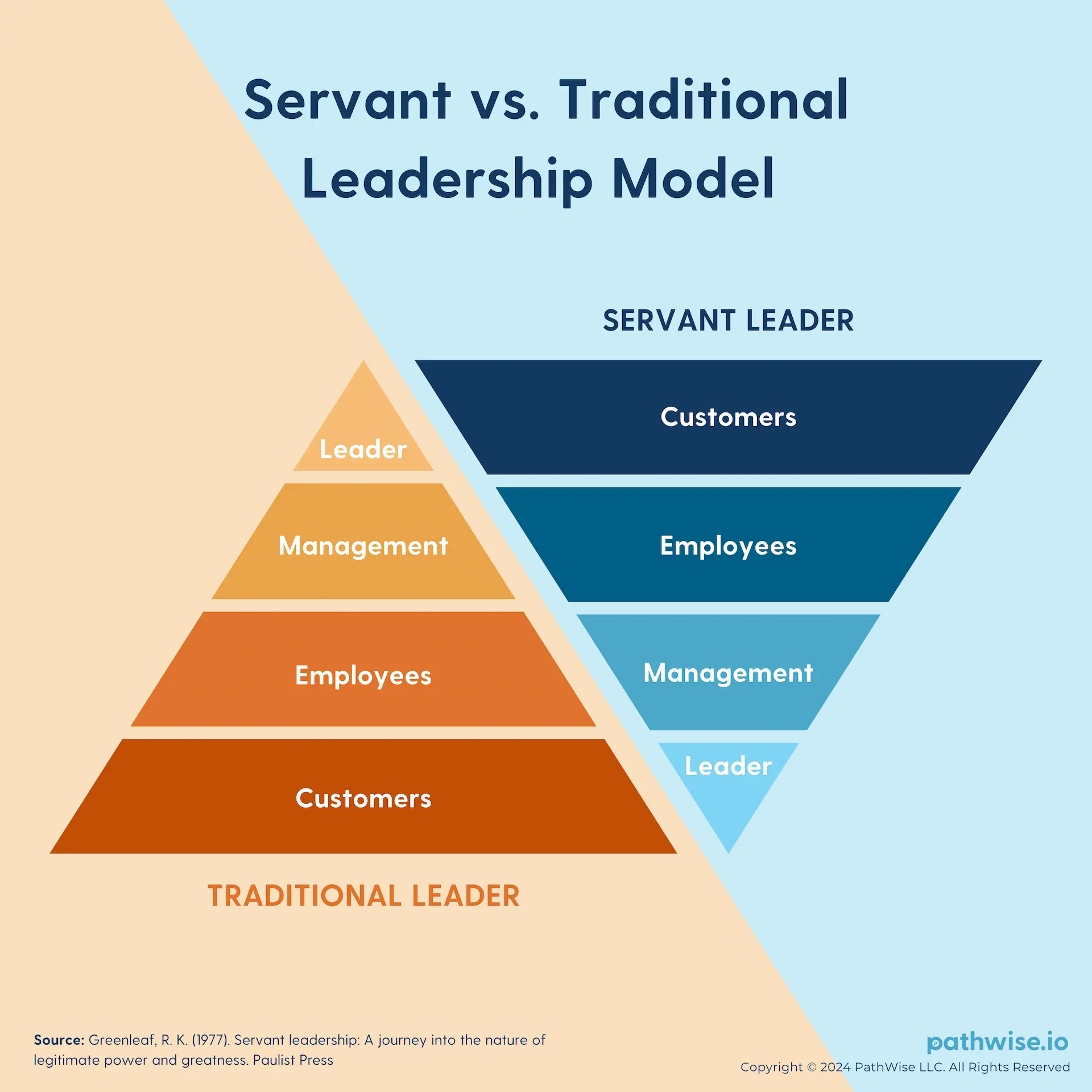
- Servant Leadership: Developed by Robert K. Greenleaf, this model emphasizes that leaders should serve their team rather than vice versa. A servant leader prioritizes employees’ growth, well-being, and development, fostering an environment of trust, empathy, and community.
- Transformational Leadership: Popularized by James MacGregor Burns, this framework proposes that transformational leaders inspire and motivate employees to achieve more than expected by focusing on vision, values, and emotional connection.
- Transactional/Managerial Leadership: This leadership style, first proposed by Max Weber and later expanded by Bernard Bass, is based on clear structures, rewards, and punishments. It focuses on performance, supervision, and task completion.
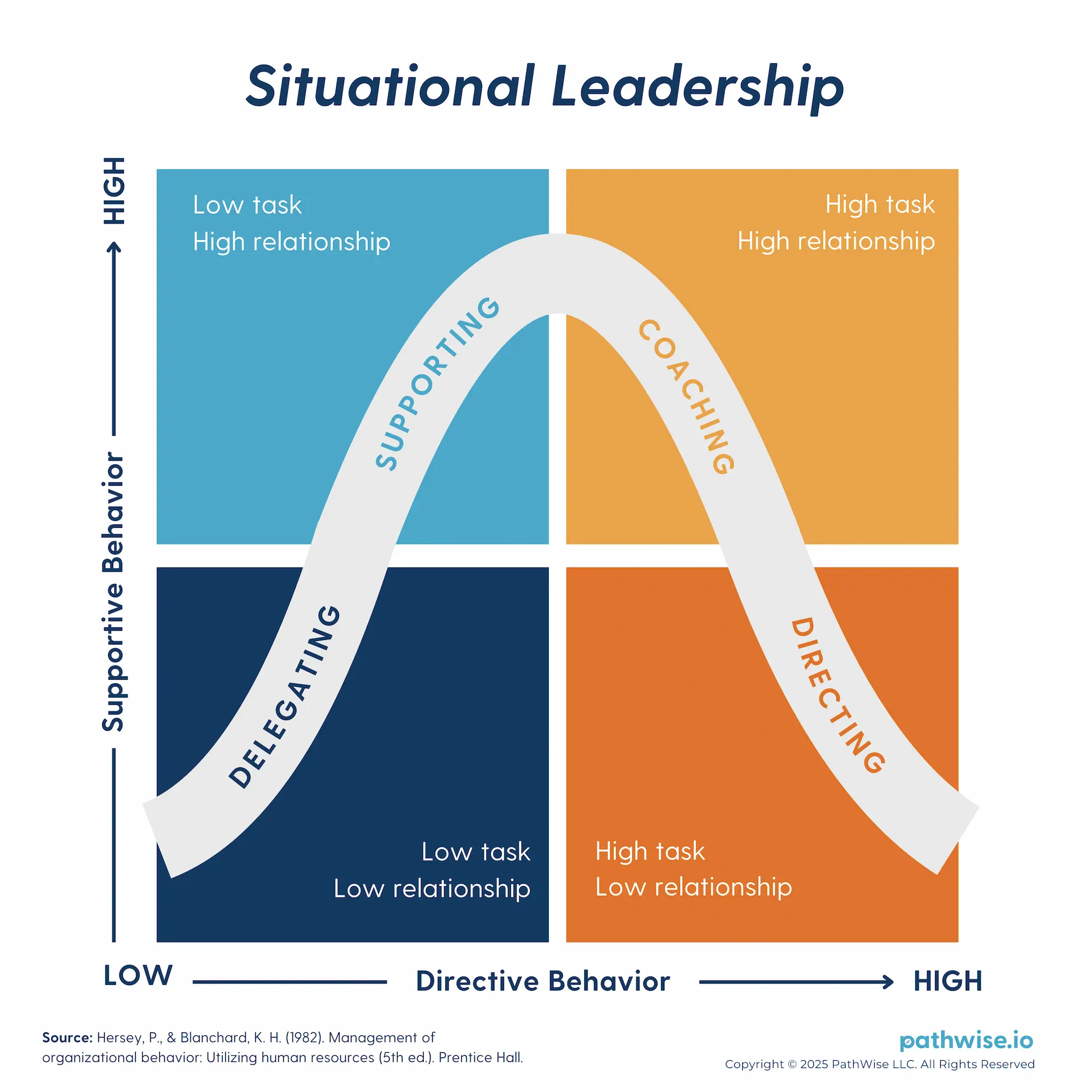
- Situational Leadership: Developed by Paul Hersey and Ken Blanchard, this framework proposes that leaders adapt their style based on the needs of their team members and the task at hand. Proposing four leadership styles—directing, coaching, supporting, and delegating—it argues leaders need to adjust according to employees’ competence and commitment.
- Authentic Leadership: Proposed by Bill George, this model posits that authentic leaders are self-aware, ethical, and transparent, leading with integrity and a strong sense of purpose.
- Lewin’s Leadership Styles: This framework proposes three leadership styles: Democratic (Participative), Autocratic (Authoritative), and Laissez-Faire.
- The democratic style involves employees in decision-making, promoting collaboration and engagement. It relies on open communication and shared decision-making and values team input.
- In the autocratic style, the leader makes decisions independently with little to no input from team members. This style is about clear direction, strict control, and efficiency in crisis situations.
- Finally, the Laissez-Faire Leadership is a hands-off approach where employees have freedom to make decisions with minimal interference. It is centered on autonomy and reliance on highly skilled employees.
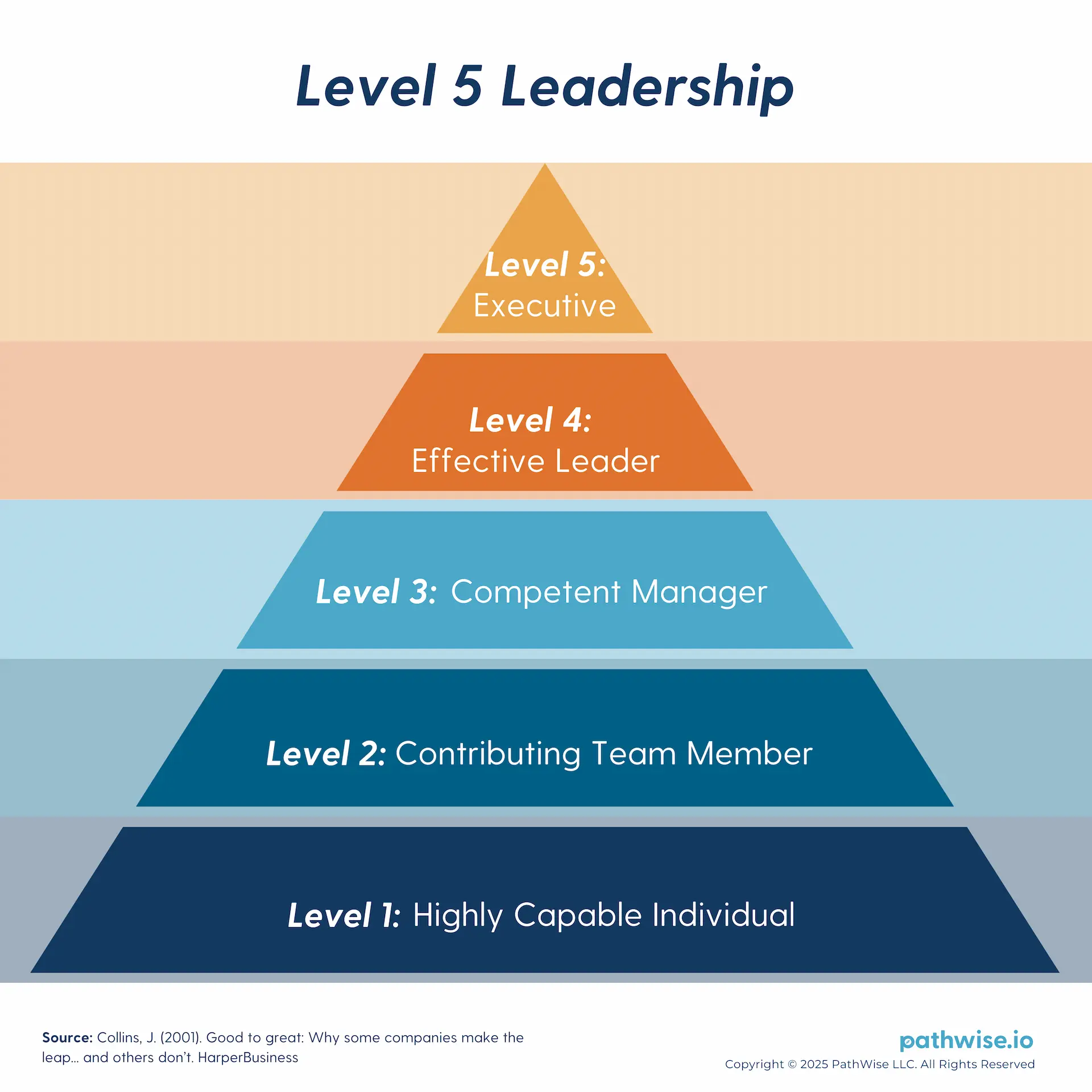
- Level 5 Leadership: Developed by Jim Collins, this style proposes a combination of humility and professional will, where leaders focus on long-term company success over personal ambition. Its key characteristics are humility, unwavering resolve, and a commitment to organizational excellence.
- Adaptive Leadership: Proposed by Ronald Heifetz and Marty Linsky, this style suggests leaders help organizations and teams adapt to changing environments and navigate uncertainty. It requires diagnosing challenges, regulating distress, giving work back to the people, and maintaining disciplined attention.
- Charismatic Leadership: Developed by Robert House, in this style, leaders use personal charm, persuasion, and vision to inspire and influence followers. It requires confidence and trust, strong communication, emotional appeal, and a compelling vision.
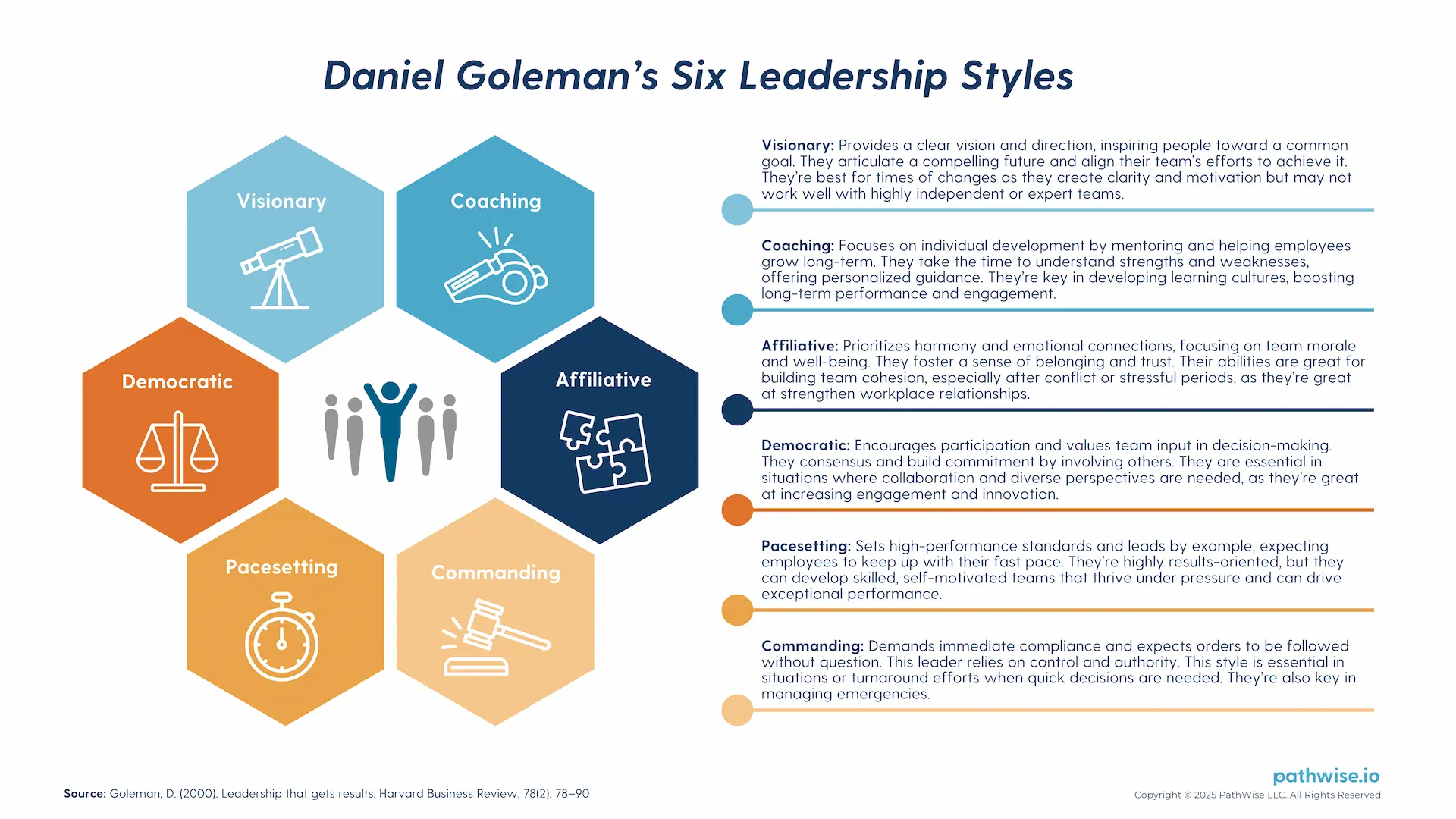
- Goleman’s Six Leadership Styles: Taking from his work on Emotional Intelligence, Daniel Goleman identified six leadership styles: visionary, coaching, affiliative, democratic, pacesetting, and commanding. He argues that effective leaders adapt their style based on the situation and team needs, balancing emotional intelligence with strategic decision-making.
Leadership in Personal Development
Leadership impacts your career in several ways, even if you’re not in a formal management role. Specifically,
- Influence Without Authority: You don’t need a title to lead. Being proactive, offering solutions, and guiding colleagues can position you as someone people trust and respect. This visibility can lead to promotions, opportunities, and a stronger professional reputation.
- Stronger Problem-Solving and Decision-Making: Leadership skills—like critical thinking and adaptability—can help you navigate challenges, manage projects, deal with difficult coworkers, and make career moves. Leaders take initiative, which makes them valuable in any role.
- Building a Strong Network: Good leaders build relationships. Developing leadership skills like communication, empathy, and active listening creates a strong professional network that can open doors to mentorship, job opportunities, and collaborations.
- Career Growth and Recognition: Employees who show leadership potential often get noticed. Even if you’re not in management, demonstrating leadership through initiative, teamwork, and strategic thinking can fast-track career advancement.

Image used under license from Shutterstock.com
Conclusion
Leadership is not confined to those with managerial titles—it’s a mindset, a set of skills, and an approach anyone can adopt. Whether you’re leading a team, contributing to a project, or simply guiding your own career, the qualities of a good leader—vision, empathy, integrity, and adaptability—can propel you forward. By embracing these traits, you contribute to the success of those around you and enhance your own growth and resilience in the workplace. Leadership is a skill that can be developed at any stage of your career and will have a lasting impact on your personal and professional success.
Other Resources
- PathWise Book Summary: Dare to Lead
- PathWise Book Summary: Multipliers
- HBR: What Makes a Great Leader?
- HBR: 6 Common Leadership Styles — and How to Decide Which to Use When
- HBR: What Leadership Style Do You Major In?
- Forbes: Leadership as Service: A Focus on the Needs of Others
- TED Talk: Why Good Leaders Make You Feel Safe
