Our All-Time Favorite Books

Book recommendations

We’ve read a lot of books – on careers, leadership, management, and personal development. But there are some that we keep coming back to, the ones that offer timeless, broadly applicable, practical wisdom. So if you want to dive into a book that will help you in your professional journey, this list of our favorites is a good place to start.

Find Your Next Read

Browse all of our recommendations, or choose a topic to find the books most relevant to what you’re working on. Select Why We Recommend It to learn more about each book and whether it’s right for you.

Books Categories

Books Categories
  • All Books
  • Leading Yourself (6)
  • Leading Others (6)
  • Navigating Your Career (5)
Affiliate disclosure: PathWise may earn a commission from books purchased through links on this page, at no additional cost to you. We only recommend books we’ve read and value.
Atomic Habits: An Easy and Proven Way to Build Good Habits and Break Bad Ones book cover

Atomic Habits

By James Clear
Small, consistent improvements compound into remarkable results.
30M+ copies sold worldwide

Atomic Habits

PathWise Favorite
By James Clear
30M+ copies sold worldwide
Small, consistent improvements compound into remarkable results.

Big changes don’t always require dramatic action. In Atomic Habits, James Clear explains how small, consistent improvements can compound into remarkable results. He argues that if you’re having trouble changing your habits, the problem isn’t necessarily you—it’s likely your systems.

Clear encourages readers to create structures and environments that make positive behaviors easier and negative ones harder. His primary framework suggests that building good habits depends on making behaviors obvious, attractive, easy, and satisfying. To break bad habits, you reverse the process by making them invisible, unattractive, difficult, and unsatisfying.

At PathWise, we particularly appreciate the practical, accessible strategies shared in this book, which can help you make meaningful, sustainable progress in your career and leadership abilities while still taking care of your health and personal life. A lot of other people are fans of this book as well. It has sold an astonishing 30 million copies and been translated into 60 languages since its 2018 release and it still occupies a spot on many bestseller lists.

Read this book if you want to:
  • Build good habits that are easier to maintain.
  • Break recurring patterns that are holding you back from success.
  • Create systems that support your personal and professional goals.
  • Make steady progress without depending on motivation alone.
Burnout: The Secret to Unlocking the Stress Cycle book cover

Burnout

By Emily Nagoski, PhD, Amelia Nagoski, DMA
Dealing with the stressor isn’t the same as dealing with the stress.
New York Times bestseller

Burnout

PathWise Favorite
By Emily Nagoski, PhD, Amelia Nagoski, DMA
New York Times bestseller
Dealing with the stressor isn’t the same as dealing with the stress.

Are you feeling drained, tired, unmotivated, or simply disconnected from your work? Stress affects us all, and when left unchecked, it can take a toll on our mental, emotional, and even physical well-being. In Burnout, sisters Emily and Amelia Nagoski explore why people experience burnout, focusing particularly on women and the ways social expectations can contribute to chronic stress and exhaustion.

They explain that addressing the stressor—the situation causing your stress—isn’t the same as dealing with the stress itself. To do that, you must complete the body’s biological stress-response cycle.

At PathWise, we appreciate how the book offers practical, science-based strategies for completing this cycle while examining the roles of rest, human connection, self-compassion, emotional awareness, gratitude, and joy in preventing and recovering from burnout. It, too, was a New York Times bestseller when it first debuted.

Read this book if you want to:
  • Better understand how stress affects your mind and body.
  • Learn practical ways to complete the stress cycle.
  • Recognize the expectations and pressures contributing to your exhaustion.
  • Develop a healthier, more compassionate approach to rest and well-being.
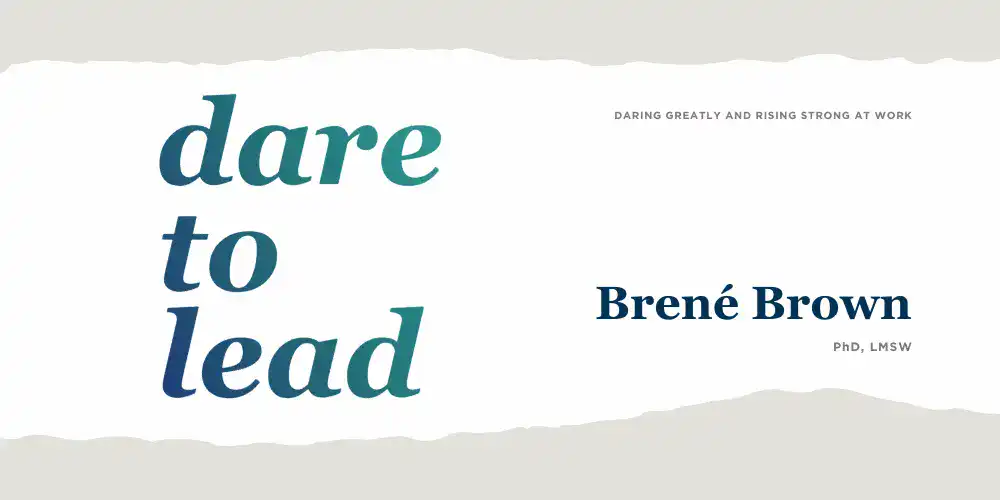
Dare to Lead book cover

Dare to Lead

By Brené Brown
Courageous leadership requires a willingness to be vulnerable.
#1 New York Times bestseller

Dare to Lead

PathWise Favorite
By Brené Brown
#1 New York Times bestseller
Courageous leadership requires a willingness to be vulnerable.

We sometimes associate leadership with inspiring speeches, influential figures, or intimidating displays of authority. In reality, however, leadership isn’t about status, authority, or having all the answers. In Dare to Lead, researcher Brené Brown argues that courageous leadership requires a willingness to embrace vulnerability, have difficult conversations, live according to clear values, build trust, and recover from setbacks.

Drawing on research with leaders and organizations, Brown presents courage as a collection of skills that can be learned and practiced rather than an innate quality reserved for a select few.

At PathWise, we appreciate how this book encourages leaders to replace defensiveness and perfectionism with greater openness, empathy, accountability, and, above all, vulnerability. Brown’s 2010 TED Talk made it ok to be vulnerable, and it truly struck a nerve. In fact, it’s been viewed more than 70 million times. Dare to Lead brought Brown’s work into the workplace, and it continues to positively shape how we lead eight years after its publication.

Read this book if you want to:
  • Approach difficult conversations with greater courage.
  • Build trust through openness, empathy, and accountability.
  • Clarify your values and lead in alignment with them.
  • Create a workplace where people feel empowered to take thoughtful risks.
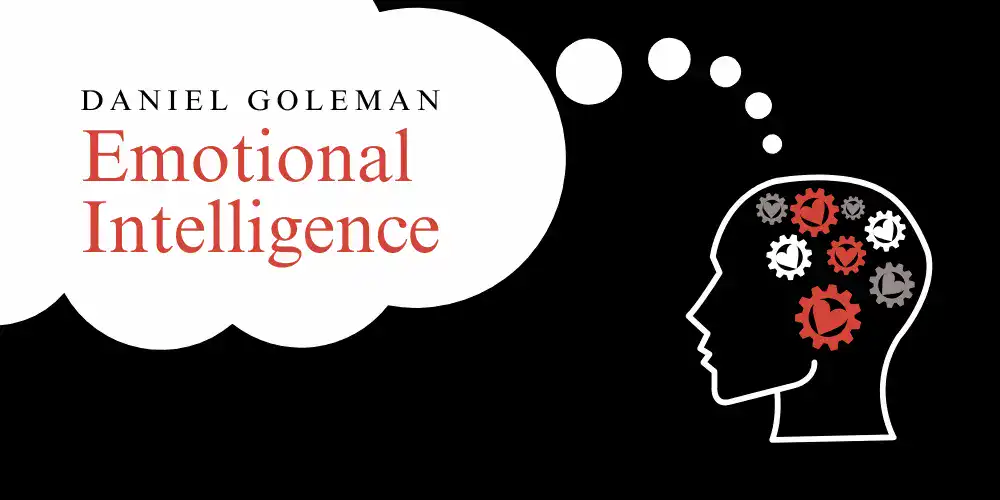
Emotional Intelligence: Why It Can Matter More Than IQ book cover

Emotional Intelligence

By Daniel Goleman
How you handle emotions matters as much as how you think.
18-month New York Times bestseller

Emotional Intelligence

PathWise Favorite
By Daniel Goleman
18-month New York Times bestseller
How you handle emotions matters as much as how you think.

To many people, emotions can be a mystery. It’s not always easy to understand what we’re feeling, let alone manage our emotional responses. However, learning to do so is both possible and important. In the groundbreaking, Emotional Intelligence, Daniel Goleman challenges the idea that intellectual ability alone determines how successful we’ll be in life and at work. Unlike IQ, he argues, emotional intelligence (or EQ, as it came to be called) isn’t fixed at birth; it can be strengthened through attention and practice.

Drawing on research in psychology and neuroscience, Goleman explains how skills such as self-awareness, emotional self-management, empathy, and relationship management shape our decisions, behaviors, and interactions with others.

At PathWise, we consider this book especially useful for career development because relationships often open the door to new opportunities and growth. Understanding your own emotions—and those of others—is key to managing those relationships effectively. More than 30 years later, Emotional Intelligence remains as relevant as ever, and that’s just one reason Daniel Goleman has more than 5 million followers on LinkedIn.

Read this book if you want to:
  • Better understand and manage your emotional reactions.
  • Become more aware of how your behavior affects others.
  • Strengthen your empathy and interpersonal skills.
  • Lead and communicate with greater emotional awareness.
Entrepreneurial You: Monetize Your Expertise, Create Multiple Income Streams, and Thrive book cover

Entrepreneurial You

By Dorie Clark
Turn your expertise into multiple, sustainable income streams.
Forbes Top 5 Business Book of the Year

Entrepreneurial You

PathWise Favorite
By Dorie Clark
Forbes Top 5 Business Book of the Year
Turn your expertise into multiple, sustainable income streams.

When you think of entrepreneurs, do you picture geniuses, unusually lucky people, or college dropouts who built businesses around brilliant ideas? Those individuals may be entrepreneurs—and particularly successful ones—but entrepreneurship isn’t reserved for a select few.

As the world of work continues to change, developing multiple income streams through entrepreneurial efforts can help you build a more resilient and sustainable career. If you’re wondering how to get started, consider Entrepreneurial You. In it, Dorie Clark offers a roadmap for turning your professional expertise into a sustainable, profitable business. Through practical advice and examples from entrepreneurs across a range of fields, she explains how to build a strong reputation, attract a steady flow of clients, expand your reach online, and develop a portfolio of traditional and digital revenue streams.

She also addresses one of the greatest challenges aspiring entrepreneurs face: figuring out how to make money from their knowledge, talents, and ideas while doing work they love.

At PathWise, we consider this book especially helpful for those who want to reduce their dependence on a single job or client and build a more flexible, independent, and sustainable career. Clark has been writing and speaking on owning your career and brand for more than ten years, and her ideas are as important as ever. So if you want to come up to speed, Entrepreneurial You is a great book to begin with.

Read this book if you want to:
  • Turn your expertise and ideas into sustainable income.
  • Build your reputation and attract a steady flow of clients.
  • Develop multiple traditional and online revenue streams.
  • Create a more independent and flexible career.
Grit: The Power of Passion and Perseverance book cover

Grit

By Angela Duckworth
Achievement depends on passion and perseverance—not talent alone.
5M+ copies sold worldwide

Grit

PathWise Favorite
By Angela Duckworth
5M+ copies sold worldwide
Achievement depends on passion and perseverance—not talent alone.

To succeed in any area, you don’t have to be born exceptionally gifted. In Grit, psychologist Angela Duckworth explains why outstanding achievement depends more on a combination of passion and perseverance—what she calls grit—than on talent or intelligence alone.

Drawing on research and stories from education, business, sports, and the military, she explores how grit helps people sustain their efforts toward meaningful, long-term goals.

Duckworth also argues that grit can be developed by cultivating your interests, practicing deliberately, connecting your efforts to a larger purpose, and maintaining hope through setbacks.

At PathWise, this is an all-time favorite, not only because it demonstrates that success often comes from staying committed, learning, and continuing to improve, but also because it provides practical, accessible strategies for developing grit. Grit just hit its 10th anniversary, and it has been a huge seller as well, reportedly over 5 million copies.

Read this book if you want to:
  • Stay committed to goals that take time to achieve.
  • Persevere when progress is slow or setbacks arise.
  • Understand how effort contributes to long-term success.
  • Help yourself or others develop greater resilience and determination.
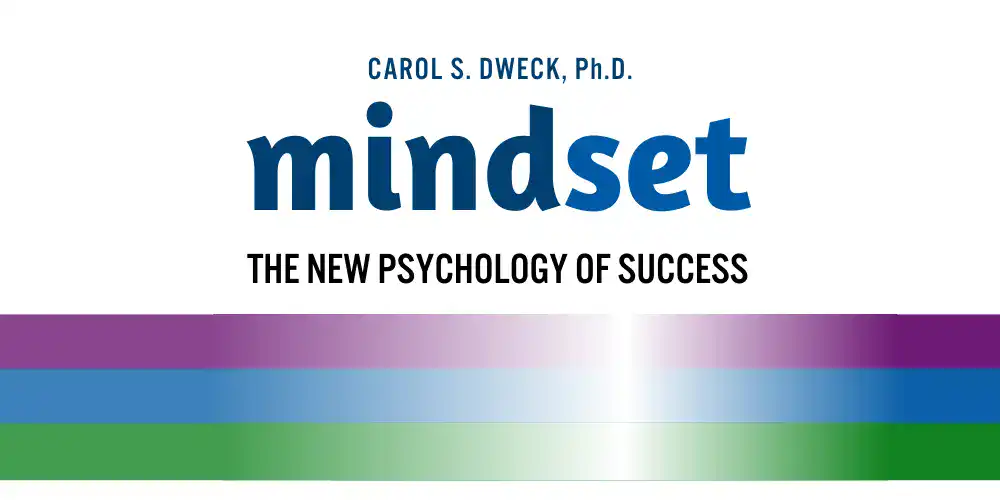
Mindset: The New Psychology of Success book cover

Mindset

By Carol S. Dweck
What you believe about ability shapes how you respond to challenges and failure.
Popularized the “growth mindset”

Mindset

PathWise Favorite
By Carol S. Dweck
Popularized the “growth mindset”
What you believe about ability shapes how you respond to challenges and failure.

Your mindset and perspective may play a more important role in your achievements than you realize. In Mindset, psychologist Carol Dweck explains how your beliefs about talent and ability can influence the way you approach learning, challenges, and failure.

People with what she calls a fixed mindset tend to see their abilities as largely unchangeable, while those with a growth mindset believe they can develop through effort, effective strategies, feedback, and experience. Dweck applies these ideas to work, education, relationships, sports, and leadership.

At PathWise, we particularly appreciate how this book encourages readers to view setbacks as opportunities to learn while reminding them that a growth mindset requires more than positive thinking: it must be supported by purposeful effort, sound strategies, and a willingness to seek help and learn from feedback. Mindset may not have the sales figures of some of the other books on this list, but Dweck is still responsible for bringing “growth mindset” into common use.

Read this book if you want to:
  • Become more comfortable with challenges and setbacks.
  • Replace the need to prove yourself with a desire to improve.
  • Respond more constructively to feedback.
  • Foster a culture of learning and development on your team.
Multipliers: How the Best Leaders Make Everyone Smarter book cover

Multipliers

By Liz Wiseman
Leaders will either amplify the intelligence around them or diminish it.
New York Times bestseller

Multipliers

PathWise Favorite
By Liz Wiseman
New York Times bestseller
Leaders will either amplify the intelligence around them or diminish it.

According to leadership expert Liz Wiseman, there are two types of leaders in the workplace. In Multipliers, she contrasts those who amplify the intelligence and capabilities of the people around them with those who diminish their teams, whether intentionally or not.

Multipliers create space for others to think, contribute ideas, take ownership, and stretch beyond what they already know how to do. Diminishers, on the other hand, can limit growth, drain their teams’ energy, and suppress their overall potential.

Drawing on leadership research and real-world examples, Wiseman identifies practical disciplines managers can use to bring out the best in their people.

At PathWise, we find this book especially engaging and practical—a valuable resource for managers who want to succeed by relying less on having all the answers themselves and becoming better at developing the talent around them. If you want to be a positive force for your team, this book (in addition to our own Be the Boss You Wish You’d Had, of course) is one we highly recommend.

Read this book if you want to:
  • Bring out more of your team’s intelligence and capability.
  • Recognize behaviors that may unintentionally shut others down.
  • Encourage greater ownership, initiative, and independent thinking.
  • Challenge people to grow without micromanaging them.
Never Eat Alone book cover

Never Eat Alone

By Keith Ferrazzi
Networking isn’t about collecting contacts—it’s about generosity over time.
A bestselling networking classic

Never Eat Alone

PathWise Favorite
By Keith Ferrazzi
A bestselling networking classic
Networking isn’t about collecting contacts—it’s about generosity over time.

You can be among the best in your field, but if no one knows about your abilities or accomplishments, your chances of accessing key opportunities may be limited. According to networking expert Keith Ferrazzi, relationships are essential to achieving nearly any career-related goal.

In Never Eat Alone, he explains how meaningful connections contribute to personal and professional growth, distinguishing genuine relationship-building from transactional networking. Effective networking, he argues, isn’t about collecting contacts; it’s about developing authentic, mutually beneficial relationships over time.

The key is to be generous, reach out to others, and stay connected even when you don’t need anything.

At PathWise, we especially value the book’s practical guidance on meeting new people, maintaining your network, navigating professional events, and using digital platforms to build stronger connections. It wouldn’t be an exaggeration to say that Keith Ferrazzi taught the modern world how to network.

Read this book if you want to:
  • Build a stronger and more meaningful professional network.
  • Become more comfortable reaching out to new people.
  • Maintain relationships without making them feel transactional.
  • Use generosity and connection to create mutual opportunities.
Never Split the Difference: Negotiating as If Your Life Depended on It book cover

Never Split the Difference

By Chris Voss with Tahl Raz
FBI hostage-negotiation tactics, translated for everyday work.
By the FBI’s former lead kidnapping negotiator

Never Split the Difference

PathWise Favorite
By Chris Voss with Tahl Raz
By the FBI’s former lead kidnapping negotiator
FBI hostage-negotiation tactics, translated for everyday work.

Every conversation involves different needs, priorities, and perspectives—and learning the right tools can help us navigate those differences more effectively.

In Never Split the Difference, former FBI hostage negotiator Chris Voss translates lessons from high-stakes negotiations into practical techniques for everyday life and work. He explains how tactical empathy, careful listening, calibrated questions, and an awareness of emotion can help you uncover what matters to the other person and navigate difficult conversations.

Rather than treating negotiation as a contest or settling for an unsatisfying compromise, Voss encourages readers to remain curious, gather information, and create the conditions for genuine agreement.

At PathWise, we find this book particularly helpful for anyone seeking a practical handbook of negotiation principles—and that means everyone. After all, we all negotiate, whether over salaries, responsibilities, deadlines, resources, or competing priorities. Like Ferrazzi’s Never Eat Alone, Never Split the Difference is the defining book in its category. If you want to learn how to be a better negotiator, start here.

Read this book if you want to:
  • Navigate difficult conversations with greater confidence.
  • Understand what the other person truly needs or values.
  • Ask better questions instead of arguing your position.
  • Negotiate more effectively without damaging relationships.
Radical Candor book cover

Radical Candor

By Kim Scott
Care personally and challenge directly — at the same time.
New York Times & Wall Street Journal bestseller

Radical Candor

PathWise Favorite
By Kim Scott
New York Times & Wall Street Journal bestseller
Care personally and challenge directly — at the same time.

Do you struggle to provide feedback? Are you worried that your team won’t like you if you ask too much of them? Does the thought of handling conflict make you uncomfortable? We have just the resource for you.

In Radical Candor, Kim Scott introduces a leadership approach built around two principles: caring personally and challenging directly. She explains that effective managers must build genuine relationships while also providing the clear, honest feedback people need to improve.

Through stories and practical guidance, Scott shows leaders how to avoid common pitfalls such as withholding necessary feedback, delivering criticism without compassion, or communicating insincerely.

At PathWise, we consider this book a must-read for anyone who works with others—especially managers who want to create a stronger feedback culture, build a more cohesive team, and achieve better results. Scott’s radical candor 2x2 is arguably one of the most famous frameworks out there, and the book will help you go well beyond that 2x2 matrix and learn how to actually live the idea of radical candor.

Read this book if you want to:
  • Give honest feedback without being unnecessarily harsh.
  • Build stronger and more trusting relationships with your team.
  • Address performance concerns instead of avoiding them.
  • Create a culture in which feedback flows in every direction.
The Coaching Habit:  Say Less, Ask More & Change the Way You Lead book cover

The Coaching Habit

By Michael Bungay Stanier
Seven questions that help others find their own solutions.
1M+ copies sold

The Coaching Habit

PathWise Favorite
By Michael Bungay Stanier
1M+ copies sold
Seven questions that help others find their own solutions.

As a manager, part of your role is to develop your team. Yet one of the most common mistakes managers make is immediately offering advice, proposing solutions, or even taking over instead of helping team members think through challenges and solve problems on their own.

Coaching can help you avoid this mistake. If you’re unsure where to begin, consider The Coaching Habit. In this book, Michael Bungay Stanier (aka MBS) offers a simple, practical framework for making coaching a regular part of everyday leadership.

Organized around seven essential questions, the book teaches managers to stay curious longer, listen carefully, and resist the urge to immediately offer advice or solve every problem.

At PathWise, we consider this an all-time favorite because it helps managers empower their team members to develop their own solutions and take greater ownership of their work. We also appreciate that it makes coaching accessible while demonstrating that meaningful conversations don’t need to be lengthy or formal. It’s all about those seven core questions, and that’s a big reason MBS’ book has sold more than a million copies.

Read this book if you want to:
  • Make coaching a natural part of your daily conversations.
  • Ask questions that uncover the real challenge.
  • Resist the impulse to immediately give advice or solutions.
  • Help others become more capable and self-sufficient.
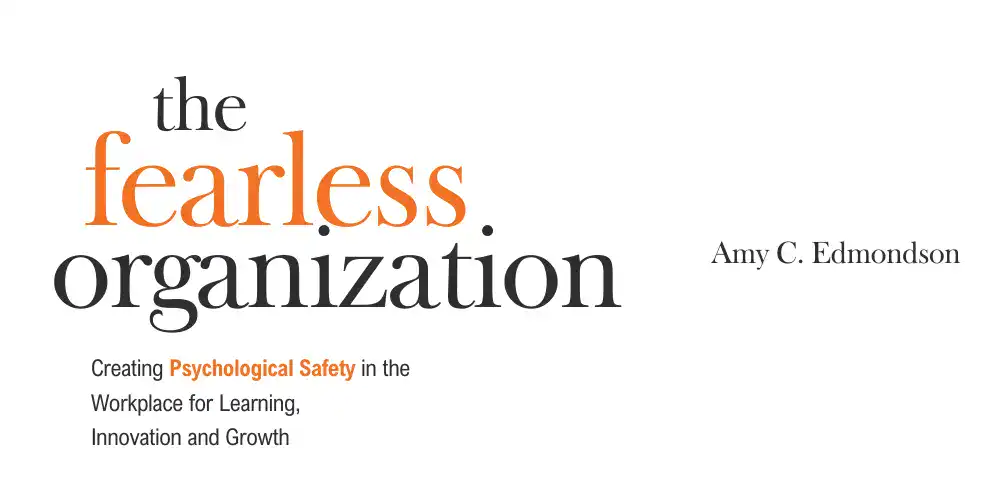
The Fearless Organization book cover

The Fearless Organization

By Amy C. Edmondson
Teams perform better when people feel safe to speak up.
Translated into 15+ languages

The Fearless Organization

PathWise Favorite
By Amy C. Edmondson
Translated into 15+ languages
Teams perform better when people feel safe to speak up.

If we never talk about mistakes, how can we prevent them? If issues aren’t brought up, how can we solve them? And if people don’t speak up about challenges, how can we improve and innovate? While it’s obvious that talking about mistakes is essential, most of us are afraid to do so—often because the organizational environments we work in don’t feel safe enough.

In The Fearless Organization, Harvard Business School professor Amy C. Edmondson explains how people and organizations perform better when they feel safe speaking up. Drawing on decades of research and real-world case studies, she shows how psychological safety allows people to ask questions, acknowledge mistakes, raise concerns, and contribute ideas without fear of embarrassment or punishment.

This openness leads to honest communication and productive disagreement, which, in turn, promote success.

At PathWise, we consider this book essential reading for any manager or leader who wants to encourage learning, collaboration, innovation, and better decision-making within their team. It was a Wall Street Journal article about Google’s Project Aristotle that took viral the idea of psychological safety, and The Fearless Organization wasn’t written until a few years later, but it was Edmondson’s PhD research in the 1990s that started it all.

Read this book if you want to:
  • Make it safer for employees to share concerns and ideas.
  • Encourage learning from mistakes instead of hiding them.
  • Promote candid discussion without lowering expectations.
  • Build a more collaborative, innovative, and resilient team.
The First 90 Days:  Proven Strategies for Getting Up to Speed Faster and Smarter book cover

The First 90 Days

By Michael D. Watkins
A framework for making a strong start in any new role.
1.5M+ copies sold

The First 90 Days

PathWise Favorite
By Michael D. Watkins
1.5M+ copies sold
A framework for making a strong start in any new role.

Are you about to start a new job? Are you wondering how to adapt and make the best possible start? We have just the resource for you.

In The First 90 Days, Michael Watkins offers a practical framework for navigating transitions into new roles. He explains how to learn about a new organization, clarify expectations, build important relationships, align your team, and secure early wins—without rushing into action before fully understanding the situation.

The book also identifies common mistakes that can undermine a transition and provides tools for adapting your approach to the specific challenges of your new role.

At PathWise, we consider this an invaluable guide for anyone starting a new job, earning a promotion, taking responsibility for a new team, or helping someone else transition successfully. Like several of the other books on this list, The First 90 Days defined its category. If you’re taking on a new job, this is your Bible.

Read this book if you want to:
  • Start a new role with greater clarity and direction.
  • Build credibility and important relationships early.
  • Identify priorities and secure meaningful early wins.
  • Avoid common mistakes during a professional transition.
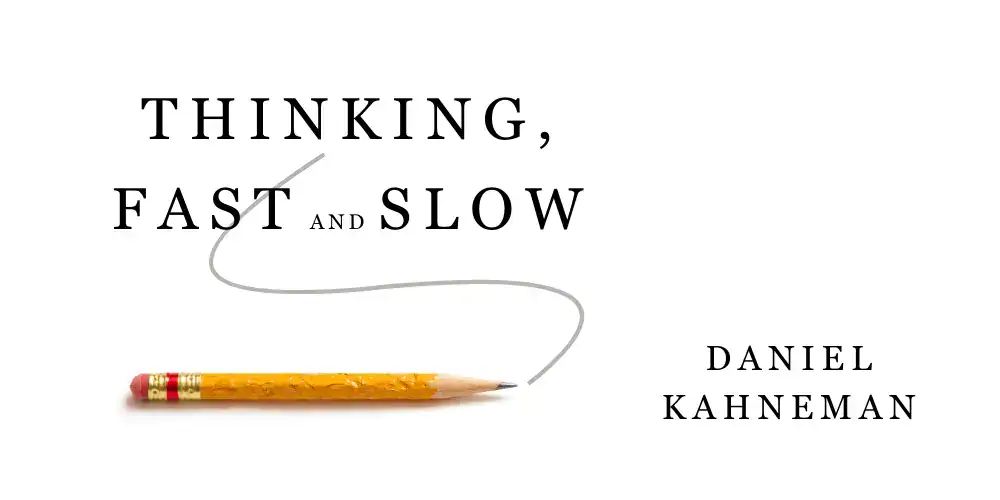
Thinking, Fast and Slow book cover

Thinking, Fast and Slow

By Daniel Kahneman
Two modes of thought — and the predictable errors they produce.
By Nobel laureate Daniel Kahneman

Thinking, Fast and Slow

PathWise Favorite
By Daniel Kahneman
By Nobel laureate Daniel Kahneman
Two modes of thought — and the predictable errors they produce.

We all know our minds can play tricks on us. But most of us don’t know why or how that happens—let alone the effect it can have on our career journeys.

In Thinking, Fast and Slow, psychologist Daniel Kahneman explores two modes of thought: the fast, intuitive thinking we use automatically and the slower, more deliberate thinking required for careful analysis. He explains how the limitations of these two modes can give rise to biases and heuristics that interfere with sound decision-making.

Drawing on decades of research, Kahneman shows how these mental shortcuts help us make decisions efficiently but can also produce predictable errors in judgment.

At PathWise, we particularly appreciate this book because it explores fascinating concepts such as overconfidence, anchoring, loss aversion, and the ways context can influence how we evaluate choices and risks. We also love that it gives us a useful vocabulary for questioning our assumptions and recognizing when an important decision deserves more deliberate thought. Thinking, Fast and Slow isn’t a quick read, but in a world where we’re bombarded with software and services that are designed to exploit our cognitive biases, it’s really important to know what they are and how to check your thinking.

Read this book if you want to:
  • Understand how intuition and deliberate reasoning shape decisions.
  • Recognize common biases and errors in judgment.
  • Evaluate risks, evidence, and assumptions more carefully.
  • Make more thoughtful personal and professional choices.

Keep Learning

Keep the Ideas Coming

Get practical career and leadership insights from PathWise delivered to your inbox twice a month.

Sign up for our free newsletter
©2026 PathWise. All Rights Reserved
magnifiercrosschevron-down