



When we think about the qualities that drive success, boldness, creativity, and vision often come to mind. But there’s one trait that quietly underpins all of these: consistency. Consistency is the difference between fleeting success and sustainable growth; it’s what transforms small, daily efforts into lasting achievements. Whether in the workplace, in relationships, or in personal goals, consistency is the glue that holds progress together, turning intention into reality.
In today’s rapidly evolving and immediate gratification-seeking society, immediate results and heroic efforts tend to be celebrated, and consistency may not seem glamorous. Yet, it’s the key to mastering any skill, building a respected career, and creating a meaningful legacy. Consistency doesn’t always produce instant gratification, but it delivers something even more valuable: enduring success that compounds over time.
What is Consistency?
Consistency refers to reliably performing tasks to a specific standard over time. It’s the ability to maintain a steady level of performance, quality, and behavior that builds trust and credibility with colleagues, clients, and supervisors.
Consistency is important in professional settings for several reasons:
- Builds Trust and Reliability: When people know they can count on you to deliver quality work regularly, it establishes a sense of trust. Clients and colleagues are more likely to rely on you for important tasks, knowing you’ll meet deadlines and deliver expected results.
- Strengthens Reputation: A professional known for consistency is often seen as dependable, organized, and committed. This reputation can lead to more opportunities for advancement, as well as trust from leaders when it comes to taking on more complex responsibilities.
- Supports Growth and Improvement: Consistency allows you to measure progress effectively. Applying the same level of focus and effort over time will help you identify areas for improvement, spot trends, and track your development in specific skills.
- Enhances Team Dynamics: In team settings, consistency fosters smoother collaboration, as teammates understand what to expect from each other. This reliability can reduce miscommunication and increase productivity.
- Builds Self-Discipline: Consistency strengthens habits and discipline, which can help you stay committed to long-term goals, even when motivation fluctuates.

Image used under license from Shutterstock.com
Thought Leaders
Several thought leaders emphasize the importance of consistency in careers and work, especially in relation to trust, reputation, and growth. They provide insights into the importance of consistent behaviors, values-driven actions, and disciplined habits that help build reliable and successful careers. Some of these experts include:
- James Clear Known for his work on habit formation in Atomic Habits, Clear discusses how small, consistent actions lead to significant long-term results. He emphasizes building habits and systems that make consistency easier and sustainable, helping professionals build discipline and reliability.
- Stephen R. Covey: The author of The 7 Habits of Highly Effective People, speaks extensively about character, integrity, and consistent behavior as foundational to building trust and influence. Covey’s work centers on the importance of aligning actions with values, which enhances consistency in professional and personal life.
- Angela Duckworth: Known for her work on grit, Duckworth argues that consistency of effort is key to success. In Grit: The Power of Passion and Perseverance, she highlights how sustained effort toward a goal often outpaces talent, making consistency essential for long-term achievement.
- Simon Sinek: Sinek, in works like Start with Why, discusses consistency in the context of leadership and trust-building. He argues that consistent behavior, aligned with core values, fosters a sense of security and loyalty within teams and is essential for effective leadership.
- Cal Newport: Newport, author of Deep Work, emphasizes consistent focus and effort in producing high-quality, meaningful work. His approach encourages professionals to build consistent, focused routines to achieve excellence in a world full of distractions.

Image used under license from Shutterstock.com
Key Frameworks
Several popular models and frameworks highlight the power of consistency in achieving success across personal and professional settings. Some of these include:
- The Compound Effect: This model, popularized by Darren Hardy, emphasizes how small, consistent actions lead to significant long-term results. The idea is that consistency allows incremental gains to build on each other, resulting in exponential growth. By consistently taking small steps, such as learning a new skill for 15 minutes daily or setting aside a small amount of money each week, people can achieve substantial results in the long run. The compound effect is particularly useful in building sustainable work habits, achieving long-term career goals, or creating a savings plan.
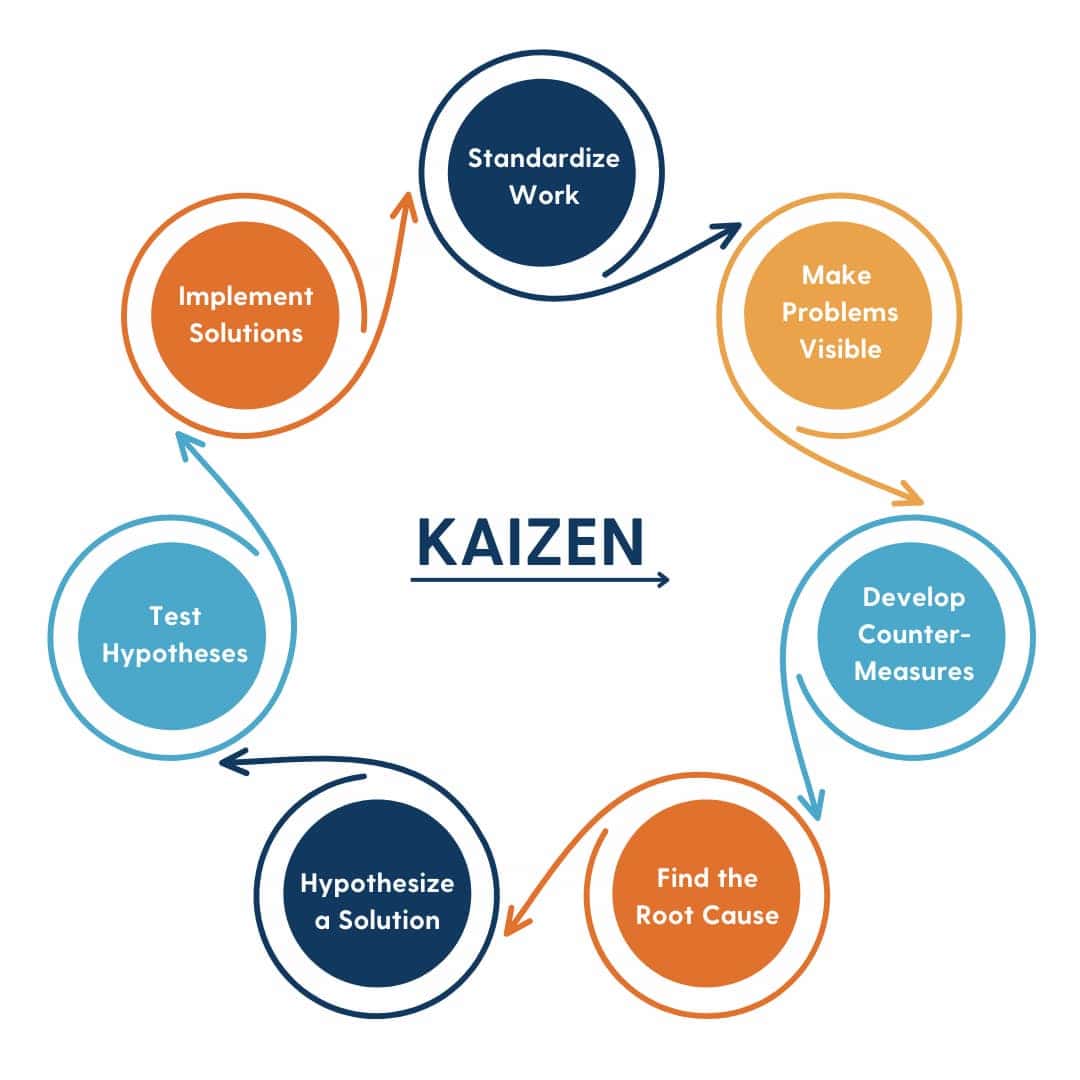
- The 1% Improvement Model: This Japanese approach to productivity, often called the Kaizenphilosophy, focuses on making small, 1% improvements regularly. Consistent improvement compounds, leading to meaningful change over time. Kaizen encourages breaking large goals into tiny steps and improving upon them gradually. It’s widely applied in business for operational efficiency, but it’s also effective for personal growth and skill development.
- The Rule of Five: The “Rule of Five” is a strategy where you commit to five specific actions every day toward a goal. It provides a structured, consistent approach to advancing personal or professional objectives. These actions could include learning something new, reaching out to contacts, practicing a skill, reviewing progress, and planning for tomorrow. Over time, these small, daily efforts create momentum and compound results. Leaders and managers can promote this approach by helping team members set five daily tasks aligned with their career development plans.

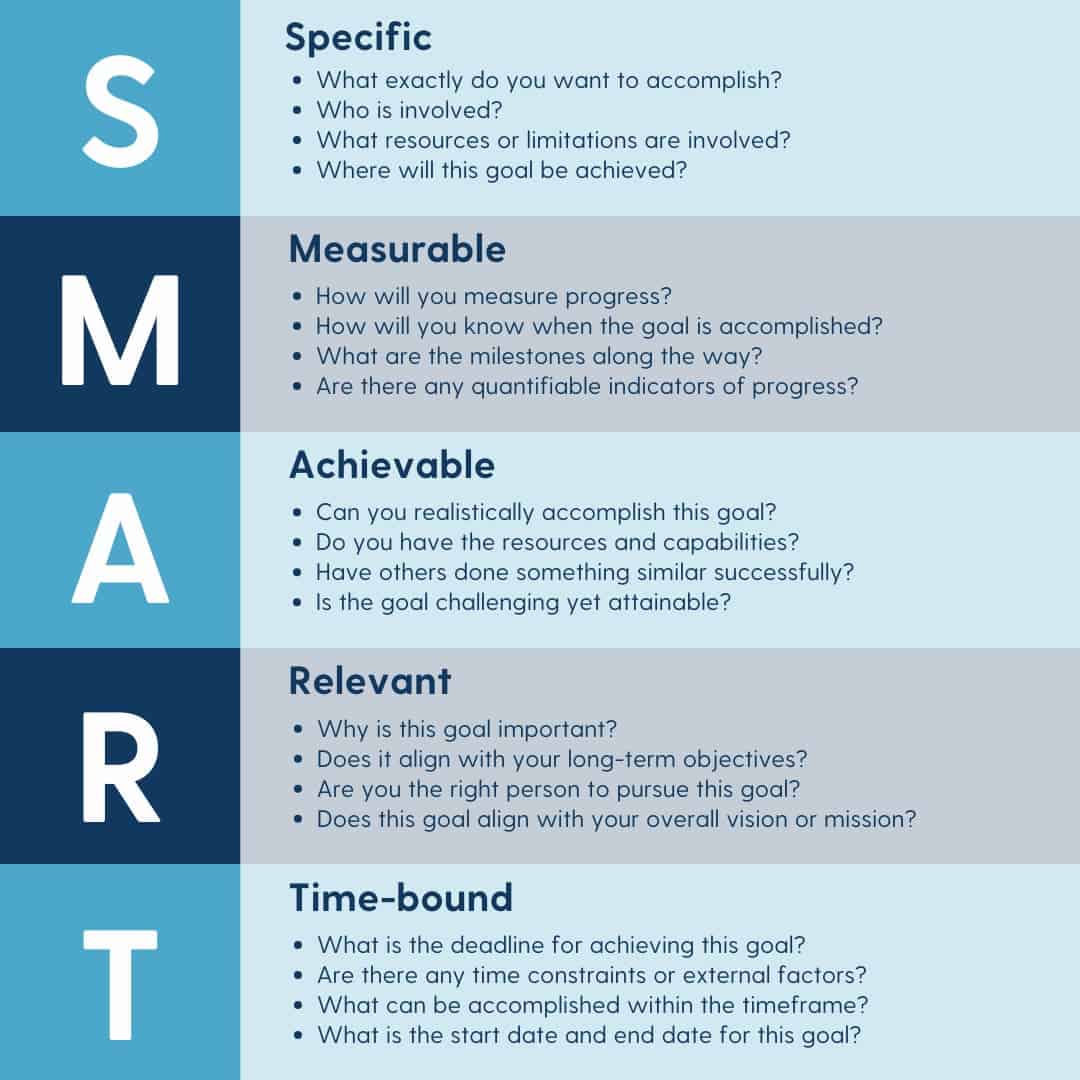
- SMART Goals Framework: SMART goals—Specific, Measurable, Achievable, Relevant, and Time-bound—provide a framework that emphasizes clarity and consistency. By setting SMART goals, individuals can maintain focus and track progress consistently. SMART goals help keep objectives manageable and trackable, encouraging consistent effort over time. Breaking large goals into smaller, SMART-focused steps enhances consistency by making each step actionable and measurable.
- The Seinfeld Strategy (Don’t Break the Chain): Popularized by comedian Jerry Seinfeld, this approach involves creating a “chain” by marking an X on a calendar each day you complete your chosen habit or task. The goal is to keep the chain going without breaking it. The visual cue of seeing a growing chain provides motivation to maintain consistency. This method effectively forms habits, such as daily writing, exercise, or practice sessions. Teams can use this strategy by creating visual trackers for consistent tasks, motivating members to stay on track.


Consistency in Leadership
Consistency is a powerful quality that strengthens a manager’s ability to lead effectively by creating trust, promoting stability, and setting clear standards. Here’s how it makes managers better leaders:
- Builds Trust and Credibility: Consistent behavior builds a foundation of trust and reliability, as team members know what to expect from their manager. When managers consistently show up, follow through on commitments, and maintain steady support, they earn their team’s confidence. This trust makes it easier to lead and improves team morale and cooperation.
- Establishes Clear Standards and Expectations: Consistent leaders provide clear, predictable expectations and standards, which help reduce ambiguity and confusion. When employees know what is expected of them and can see those standards upheld by their manager’s actions, they are more likely to stay motivated and align with team goals. This clarity leads to higher accountability and better performance.
- Promotes Fairness and Stability: Consistency ensures that managers treat all team members fairly, applying rules, guidelines, and feedback uniformly. Employees are more likely to feel respected and valued when they see that everyone is held to the same standards. This creates a stable environment where employees can focus on their work rather than worry about inconsistencies or favoritism.
- Reinforces Organizational Values and Vision: When managers consistently align with organizational values and mission, they strengthen these priorities within their teams. This alignment helps team members see the bigger picture and understand how their contributions fit into broader organizational goals, creating a sense of purpose and shared commitment.
- Enhances Decision-Making and Problem-Solving: Consistency in processes, values, and goals gives managers a solid decision-making framework. When employees see that decisions are made based on stable, clear criteria, they gain confidence in their manager’s ability to lead effectively. This consistency also improves problem-solving by helping managers address issues based on proven methods and principles.
- Fosters a Culture of Accountability and Development: Consistent feedback and follow-through from managers ensure that team members understand their progress and areas for improvement. By maintaining regular check-ins and performance reviews, managers foster accountability and create a culture of continuous learning and development. Employees are more likely to grow and develop under a manager who consistently supports their goals and holds them accountable.
- Inspires Long-Term Team Engagement: Consistency in leadership style and communication creates an environment of predictability and safety, where employees feel valued and are more engaged over the long term. When team members see that their manager is invested in their development and consistently works to support them, they feel motivated to contribute more and grow within the organization.

Image used under license from Shutterstock.com
Consistency in Personal Development
Consistency is the foundation of career advancement, as it helps people stay focused, build credibility, and ultimately reach their professional goals. It’s in showing up with dedication every day that people create a track record of reliability and performance. This reputation of dependability builds trust with colleagues and supervisors and opens doors to new opportunities and responsibilities. When leaders or peers can rely on someone to deliver quality work consistently, they are more likely to recommend that person for advancement or challenging projects that further their growth.
Additionally, consistency allows individuals to establish productive habits that drive continuous improvement. Small, consistent actions, such as setting aside time to learn new skills or regularly reviewing personal goals, accumulate over time, leading to significant career progress. These habits make building expertise in specific areas easier, which is essential for career advancement. For instance, consistently dedicating time to develop a particular skill each day, week, or month creates a steady rhythm of growth, preventing career stagnation and making it easier to adapt to new roles or opportunities.
In the long term, consistency can also help individuals manage challenges and uncertainties in their career journeys. When career changes, setbacks, or obstacles arise, a foundation of consistent habits and goals provides a stable framework for navigating these changes. establishing routines can serve as a source of resilience, helping people stay on course in challenging situations such as adjusting to a new role, adopting new technologies, or dealing with career setbacks. Committing to a consistent path of self-improvement is what ultimately builds a career that reflects values and long-term aspirations, even when circumstances change.
Conclusion
As we navigate our careers and personal lives, it’s easy to get caught up in the allure of quick wins or rapid changes. But true success often lies in the steady, sometimes quiet, discipline of consistency. Consistent efforts may feel small in the moment, but they add up over time, paving the way for growth and deep-seated expertise. It’s the daily commitment to improvement, no matter how small, that ultimately shapes the trajectory of our lives.
Other Resources
- PathWise Book Summary: Atomic Habits by James Clear
- PathWise Book Summary: Grit by Angela Duckworth
- HBR: The Best Strategic Leaders Balance Agility and Consistency
- HBR: Why Consistent Growth is So Challenging
- HBR: The Key to Consistent Growth is Having the Right Initiatives
- Forbes: The Power of Consistency
- Video: Simon Sinek on Consistency
