


In an ‘always on’ world of endless notifications, meetings, and multitasking, focus has become a rare commodity. We live in an era where the ability to work deeply and think clearly is rather challenging. Think about it: amidst the constant barrage of emails, social media updates, and open-office distractions, how often do we genuinely dedicate our time to meaningful work?
The truth is that shallow work dominates most of our professional lives. Many tasks keep us busy but rarely contribute to achieving our most important work objectives, personal growth or long-term career success. That’s why deep work is so important. Its focused, uninterrupted effort allows us to master complex skills, solve challenging problems, and create high-value outcomes.
But how do we reclaim focus in a world designed to steal our attention? And why is deep work so essential for thriving in today’s fast-paced, distraction-filled work environments?

Image used under license from Shutterstock.com
What is Focus?
Focus is the ability to direct our attention toward a specific task, goal, or activity without being distracted. It involves maintaining concentration on what matters most and filtering out irrelevant stimuli. Focus is essential for productivity, learning, and achieving meaningful results in any area of life.
What is Deep Work?
Deep Work, a concept popularized by Cal Newport in his book Deep Work: Rules for Focused Success in a Distracted World, is the ability to engage in highly focused, uninterrupted, and cognitively demanding work. It contrasts with shallow work, which involves less critical tasks that are often performed while distracted.
Some key characteristics of deep work include:
- Intensity: Deep work requires profound concentration and mental effort.
- Distraction-Free: It involves eliminating interruptions, both internal (e.g., wandering thoughts) and external (e.g., notifications, emails, etc.).
- High-Value Output: It leads to significant progress on complex or creative tasks, such as problem-solving, strategizing, or writing.
- Skill Enhancement: It helps us master complex skills or produce work of exceptional quality and originality.
Practicing deep work has many benefits beyond increased productivity. While focused effort does lead to completing tasks faster and more effectively, it also helps with skill development. Engaging deeply with challenging tasks fosters personal and professional growth. It also enhances creativity, problem-solving, and idea generation. Ultimately, practicing deep work will increase job satisfaction as successfully completing meaningful work provides a sense of accomplishment and fulfillment.

Image used under license from Shutterstock.com
How to Cultivate Deep Work
Both focus and deep work are vital in navigating the demands of modern life, where distractions are abundant and shallow work dominates. Mastering these skills can help us produce more meaningful outcomes and elevate our performance.
To make sure you can concentrate and focus on your work:
- Set Clear Goals: Define what you want to accomplish during a deep work session.
- Eliminate Distractions: Create a dedicated workspace and turn off notifications.
- Time Blocking: Schedule specific periods for deep work in your day.
- Practice Discipline: Build the habit of focusing deeply, even when it’s challenging.
- Take Breaks: Rest is crucial for maintaining sustained attention and avoiding burnout.
- Consider meditation. Meditation itself is a ‘deep focus’ activity, where you learn to let go of distracting thoughts. Practicing meditation can help you learn what you need to create a suitable environment for deep work.

Image used under license from Shutterstock.com
Thought Leaders
Several thought leaders have investigated and built on the concepts of focus and deep work, helping us understand them better and develop them for career advancement. Some of these figures include:
- Cal Newport: A computer science professor and author of Deep Workand Digital Minimalism, he advocates for focused productivity and intentional use of technology.
- Daniel Goleman: A psychologist and author of Emotional Intelligence and Focus: The Hidden Driver of Excellence, he emphasizes the importance of attention along with emotional intelligence for achieving peak performance.
- Nir Eyal: A behavioral design expert and author of Indistractableand Hooked, he explores strategies to build focus and avoid distractions in a world full of digital temptations.
- Leo Babauta: A writer and founder of the Zen Habits blog, he shares insights on simplicity, mindfulness, and focus in daily life.
- David Allen: A productivity consultant and author of Getting Things Done (GTD), he provides a system for managing tasks and maintaining clarity in focus.
- Chris Bailey: A productivity expert and author of Hyperfocusand The Productivity Project, he explains methods for cultivating focus and improving work habits.
- Adam Grant: An organizational psychologist and author of Think Againand Give and Take, he discusses the cognitive flexibility needed for rethinking and innovation.
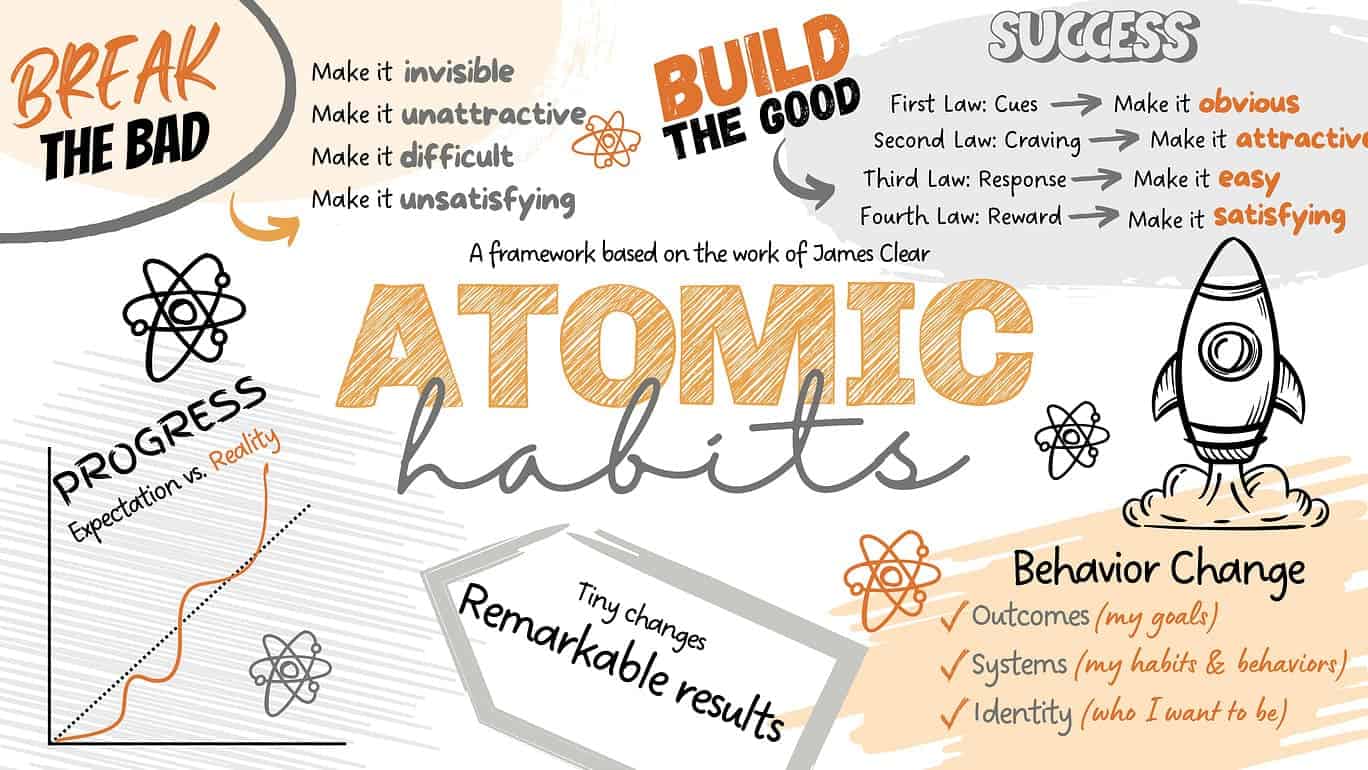
- James Clear: An author and speaker best known for Atomic Habits, he emphasizes the role of small habits in achieving long-term success.

Key Frameworks
Several frameworks provide tools for enhancing focus, minimizing distractions, and maximizing productivity in our personal and professional lives, including:
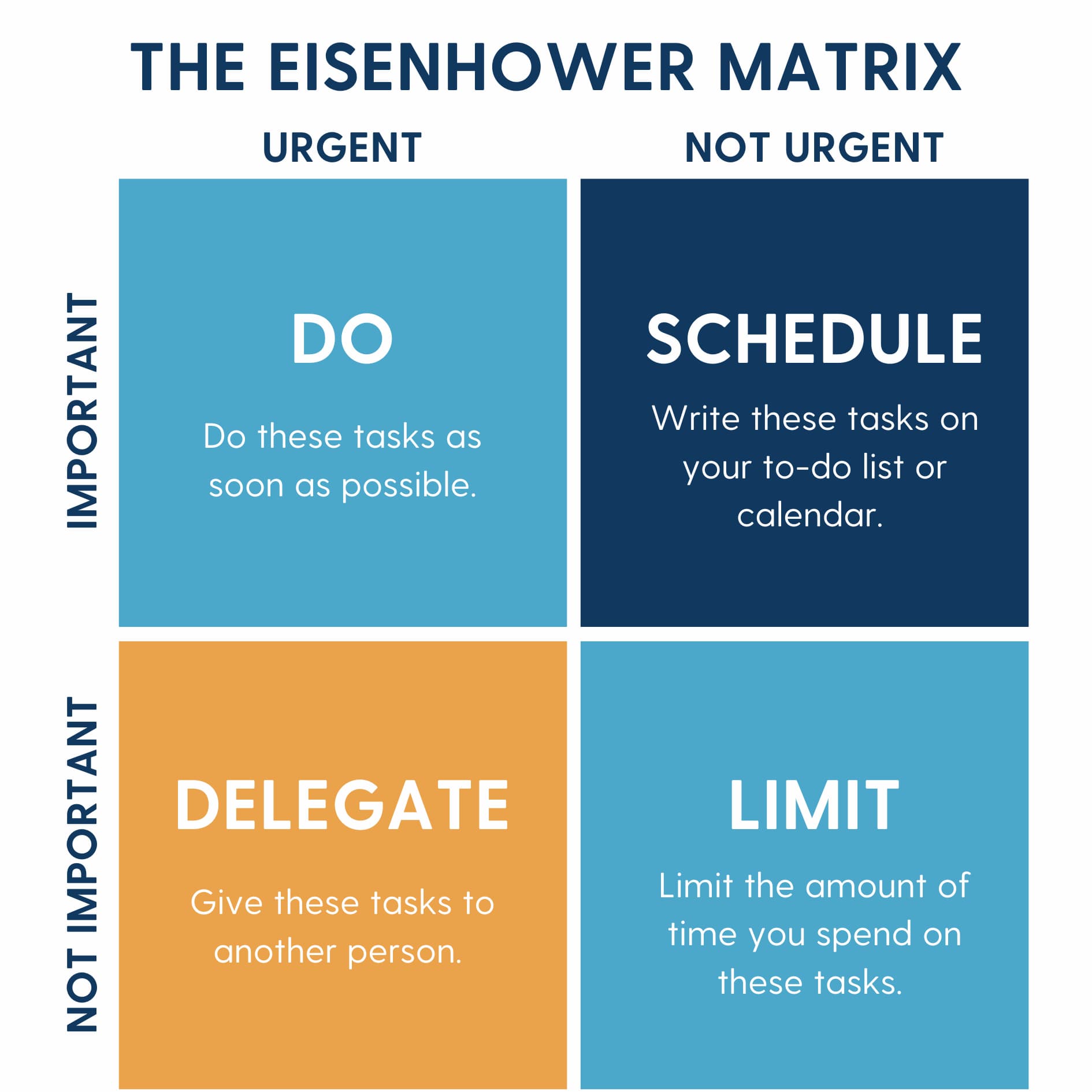
- Eisenhower Matrix: This model categorizes tasks into four quadrants: urgent and important, important but not urgent, urgent but not important, and neither urgent nor important, helping us prioritize tasks that require deep focus and defer or delegate less critical ones.

- Time Blocking: A planning method where we allocate specific periods of time for focused work on specific tasks. Assigning blocks of uninterrupted time minimizes multitasking and ensures consistent progress on priorities.
- Pomodoro Technique: This technique involves working in 25-minute intervals called “Pomodoros,” followed by a 5-minute break. After four Pomodoros, a longer 15–30-minute break is taken. This method helps maintain energy and focus while avoiding mental fatigue.
- Getting Things Done (GTD): A system developed by David Allen that breaks tasks into actionable steps, organizes them into lists by context, and clarifies priorities. This model helps externalize mental to-do lists to reduce cognitive load and enable sustained focus.

- The Pareto Principle (80/20 Rule): This rule suggests that 80% of results come from 20% of efforts. It encourages identifying and focusing on the few key tasks or activities that yield the most significant outcomes.
- Flow State: A concept by Mihaly Csikszentmihalyi describing the optimal state of focus and engagement where time seems to disappear. Achieving flow requires a balance between the challenge of the task and the skill level of the person doing it.
- Digital Minimalism: A philosophy by Cal Newport that advocates for intentional use of technology. It encourages minimizing distractions by focusing on tools that add value to our lives while avoiding digital overuse that undermines focus.
- Hyperfocus Framework: Chris Bailey’s model divides attention into two modes: hyperfocus for tasks requiring intense concentration and scatter focus for brainstorming and creativity. Both modes are crucial for productivity and problem-solving.
- Four Disciplines of Execution (4DX): A goal-setting framework that emphasizes (1) focusing on wildly important goals, (2) acting on lead measures, (3) keeping a compelling scoreboard, and (4) creating a cadence of accountability. Explained in the book of the same name and written by Chris McChesney, Sean Covey, and Jim Huling, it promotes focus on achieving critical priorities.
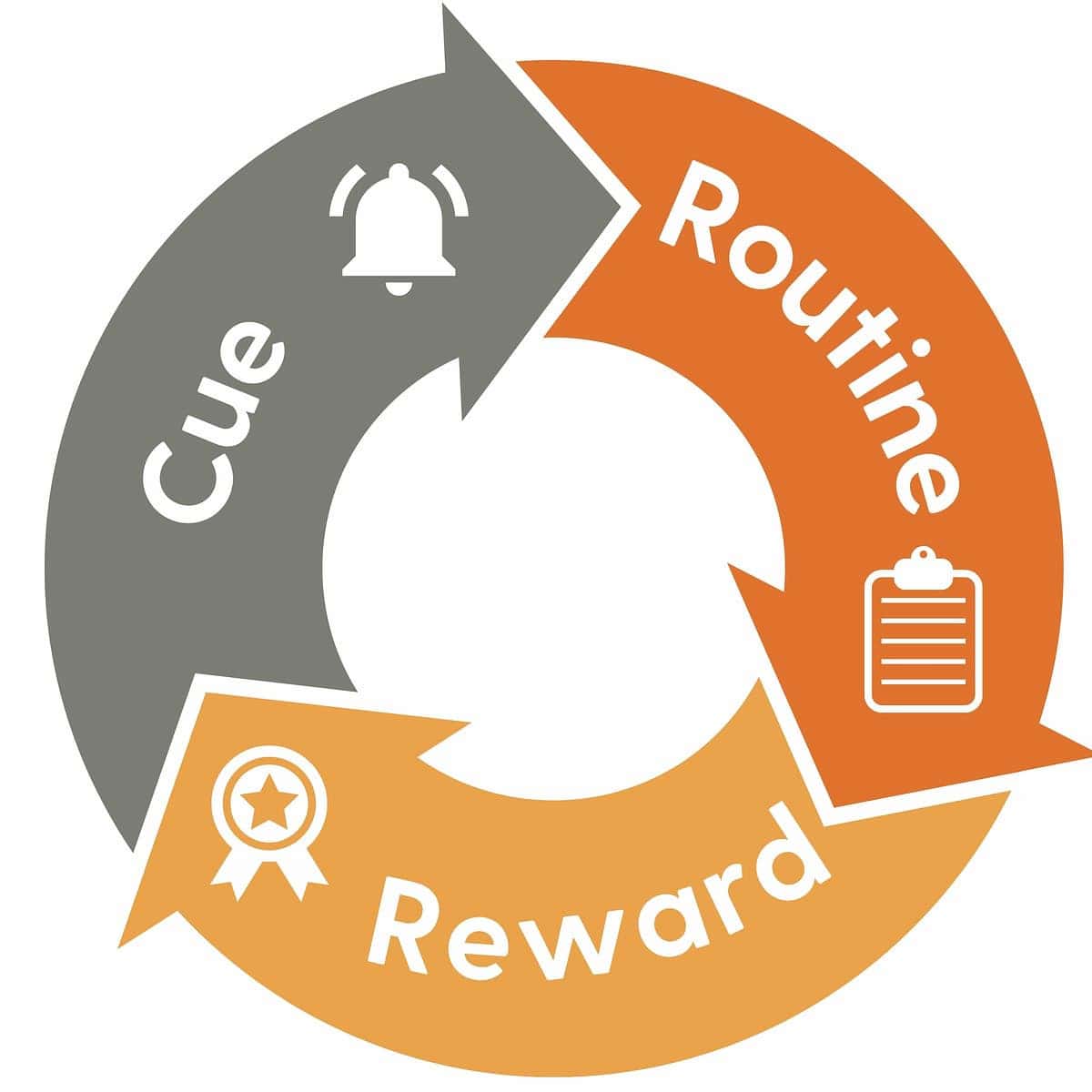
- Habit Loop: A framework introduced in Charles Duhigg’sThe Power of Habit, explaining how habits are formed through a cue (trigger), routine (behavior), and reward. Building focus-related habits, such as starting deep work at the same time daily, can make concentration easier over time.

Focus/Deep Work in Leadership
Focus and deep work are critical for managers aiming to become effective leaders because they enable thoughtful decision-making, clear communication, and strategic vision. Here’s how these practices enhance leadership skills:
- Improved Decision-Making: Deep work allows managers to allocate dedicated time to analyze complex challenges, evaluate options, and make thoughtful decisions without being swayed by distractions or reactive thinking. It fosters clarity by reducing cognitive overload, helping managers prioritize the most critical tasks and goals.
- Strategic Thinking: Deep focus allows managers to step back from day-to-day operations and consider long-term objectives, aligning their teams with organizational goals. It also helps them anticipate challenges, identify opportunities, and devise innovative solutions. Some people describe this as taking a view from the balcony.
- Enhanced Communication: Deep work sharpens focus, enabling managers to prepare clear, concise, and impactful messages for their teams. Focused communication ensures that instructions, feedback, and vision are understood and implemented effectively.
- Increased Productivity: Dedicating uninterrupted time to high-priority tasks allows managers to lead by example and demonstrate efficient and effective work habits. This productivity trickles down to the team, fostering a culture of excellence and accountability.
- Team Focus: When managers practice focus and deep work, they set a precedent for their teams to value uninterrupted time for critical thinking and execution. This encourages the team to prioritize meaningful work over reactive tasks.
- Empathy and Presence: Focus allows managers to be fully present during one-on-one interactions or team meetings, fostering stronger relationships and trust. Deep engagement in these moments demonstrates care and respect, which are foundational to good leadership.
- Stress Management: Focus and deep work create mental discipline, helping managers stay calm and composed under pressure.
- Fostering Innovation: Deep work creates the mental space for managers to think creatively and explore new ideas. It ensures that leaders are solving problems and driving innovation within their teams.
- Building a Culture of Excellence: Managers who embrace focus and deep work promote a workplace culture that values intentionality, meaningful outcomes, and high-quality work. This motivates employees to contribute their best efforts toward shared goals.

Image used under license from Shutterstock.com
Focus/Deep Work in Personal Development
Focus and deep work are powerful tools for managing career journeys because they enable us to pursue our goals with clarity and purpose. In an increasingly noisy world filled with distractions, those who can focus deeply can prioritize what truly matters, aligning actions with long-term career aspirations. Ultimately, dedicating uninterrupted time to meaningful work helps us develop the skills, knowledge, and expertise that can set us apart.
Deep work also helps us reflect on their career paths, assess progress, and make strategic adjustments. This reflective practice is crucial for identifying opportunities, addressing challenges, and ensuring alignment with personal values and aspirations. Whether planning a career change, preparing for a leadership role, or pursuing specialized expertise, deep work provides the mental space needed for thoughtful decision-making and forward-thinking strategies.
Additionally, focus enables us to execute plans effectively. Instead of being sidetracked by urgent but unimportant tasks, we can channel our energy into high-impact activities that drive meaningful progress. This disciplined approach accelerates career growth and fosters a sense of accomplishment and fulfillment, reinforcing motivation.
Finally, focus and deep work help us stand out by delivering exceptional results. Particularly within a competitive workplace, the ability to produce high-quality, innovative work is a key differentiator. In the end, mastering these practices leads to strong reputations, helps cultivate valuable networks, and opens doors to new opportunities, ultimately helping us take control of our career journeys.

Image used under license from Shutterstock.com
Conclusion
Mastering the art of focus and deep work is not a one-time achievement but an ongoing practice that pays dividends over time. As you begin to carve out time for deep work in your daily routine, you’ll notice a shift in your productivity and the quality and impact of your contributions. It’s in these moments of deep concentration that true innovation, career advancement, and personal fulfillment occur.
The world will continue to demand more of our attention, but by choosing to focus on what truly matters, we can take control of our time and energy. The path to career success isn’t about doing more; it’s about doing the right things with intention and depth. Embracing focus and deep work is investing in your career, growth, creativity, and long-term success.
Other Resources
- PathWise Book Summary: Emotional Intelligence by Daniel Goleman
- PathWise Book Summary: Atomic Habits by James Clear
- HBR: Make Sure Your Employees Have Time and Space to Focus
- HBR: Build Work Habits That Support Your Mental Health
- HBR: 7 Ways Managers Can Help Their Team Focus
- HBR: The Two Things Killing Your Ability to Focus
- Forbes: The Myth Of Multitasking And Why Focused Work Is The Key To Success
- Forbes: Why Deep Work Is More Effective than Long Hours
- TED Talk: What Happens to Your Brain When You Pay Attention?
