



In every organization, someone has to keep the wheels turning—making sure goals are clear, teams are aligned, and work gets done. That’s the role of management. But in the modern workplace, being a good manager is more than setting deadlines and tracking progress. Management also requires influencing people, developing talent, and helping teams thrive.

Image used under license from Shutterstock.com
What is Management?
Management is the process of coordinating and overseeing the work of others to achieve organizational goals effectively and efficiently. It involves planning, organizing, influencing, and monitoring resources—especially human resources—to produce desired outcomes. More specifically, these elements refer to:
- Planning: Setting objectives and deciding the actions needed to achieve them.
- Organizing: Arranging tasks, people, and resources to implement plans.
- Inspiring: Motivating, directing, and otherwise influencing people to achieve goals.
- Supervising: Monitoring performance and making adjustments to stay on track.
While management and leadership are often used interchangeably, they are not synonymous. Leadership is about setting a vision and inspiring people. It is a role anyone can play, whether they manage people or not. Management focuses more on the execution; that is, making sure the work gets done well and on time. Yet good management requires leadership skills, as ultimately, good managers inspire teams so that they function smoothly, make smart use of resources, and align around common goals. Poor management, on the other hand, leads to inefficiencies, low morale, and missed opportunities.

Image used under license from Shutterstock.com
Thought Leaders
A myriad of experts and thought leaders have contributed to our understanding of good management, each with influential ideas or frameworks that have shaped how organizations operate and grow. Some of the most notable figures include:
- Peter Drucker: Often called the father of modern management, he emphasized the importance of decentralization, knowledge work, and management by objectives (MBO). His book, The Practice of Management, was one of the first to treat management as a distinct function and discipline. Drucker also introduced ideas like management as a liberal art and stressed the role of purpose in organizations. His work continues to influence both business leaders and nonprofit managers.
- Henry Mintzberg: A professor and researcher known for challenging conventional views of management, he has argued that management is less about planning and more about responding to dynamic situations. His book, The Nature of Managerial Work, categorized managerial roles into interpersonal, informational, and decisional. He later criticized over-reliance on formal strategy and promoted a more organic, emergent approach. Mintzberg is also a vocal advocate for rethinking MBA education.
- Clayton Christensen: A Harvard Business School professor best known for his theory of disruptive innovation, outlined in The Innovator’s Dilemma, he explained how small, nimble companies could challenge and eventually topple established industry leaders by targeting overlooked segments. Christensen’s ideas have been widely adopted in both corporate strategy and innovation management.
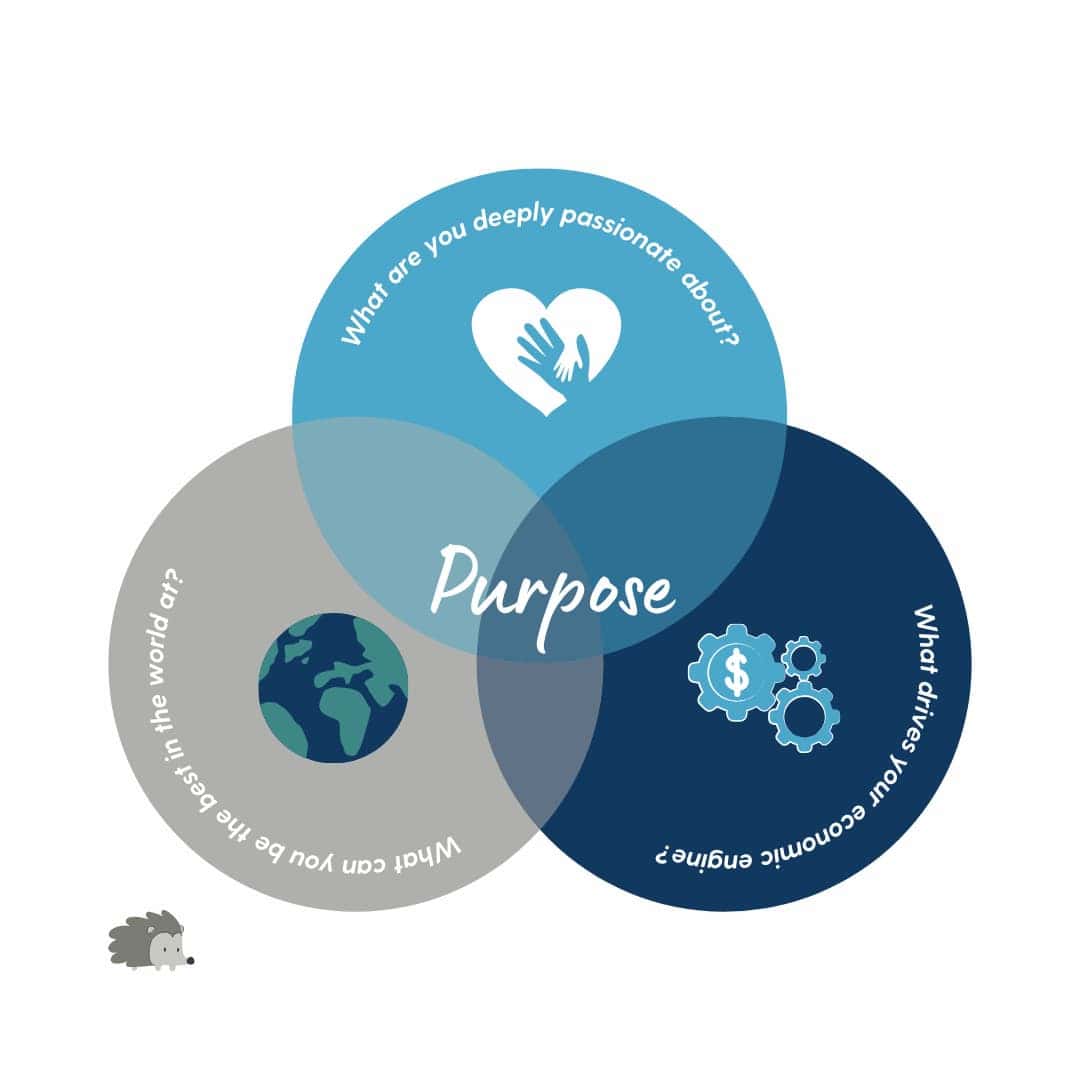
- Jim Collins: Author of Good to Greatand Building Companies to Last, he explains what makes companies not just succeed but endure. He introduced concepts like Level 5 Leadership and the Hedgehog Concept. Collins emphasizes disciplined thinking, people-first strategies, and long-term focus.
- Brené Brown: A research professor at the University of Houston, she is best known for her work on vulnerability, courage, shame, and empathy. Her book Dare to Lead translates years of qualitative research into practical guidance for leaders who want to build trust and lead with authenticity.
- Rosabeth Moss Kanter: A professor at Harvard Business School, she has written extensively on innovation, change management, and leadership. Her book The Change Mastershighlighted how successful companies manage innovation and navigate transformation. She emphasizes inclusion, employee empowerment, and culture as key levers in organizational effectiveness.
- Simon Sinek: A leadership expert and author, he is known for his concept of Start With Why, which encourages leaders and organizations to ground their work in a clear sense of purpose. His TED Talk on the topic is one of the most viewed of all time. In books like Leaders Eat Last and The Infinite Game, he has argued in favor of servant leadership, trust, and long-term thinking.
- Michael Porter: A leading authority on competitive strategy and industry analysis, he developed the Five Forces Framework and the concept of Value Chains. His books, including Competitive Strategy, have laid the foundation for strategic management in business schools and boardrooms worldwide. Porter also introduced the idea of shared value—aligning business success with social progress.
- Julie Zhuo: The former Vice President of Product Design at Facebook, and co-founder of Sundial, she is known for her bestselling book The Making of a Manager: What to Do When Everyone Looks to You, which offers practical advice for new and seasoned managers alike. Drawing from her own experiences rising through the ranks at Facebook, Zhuo emphasizes the importance of purpose, people, and process in effective management.


Image used under license from Shutterstock.com
Key Frameworks
Management may be part art and part instinct, but it also has a strong foundation in well-established models and frameworks. These tools help managers think more strategically, make better decisions, and lead teams more effectively. Some of the most widely used and trusted models include:
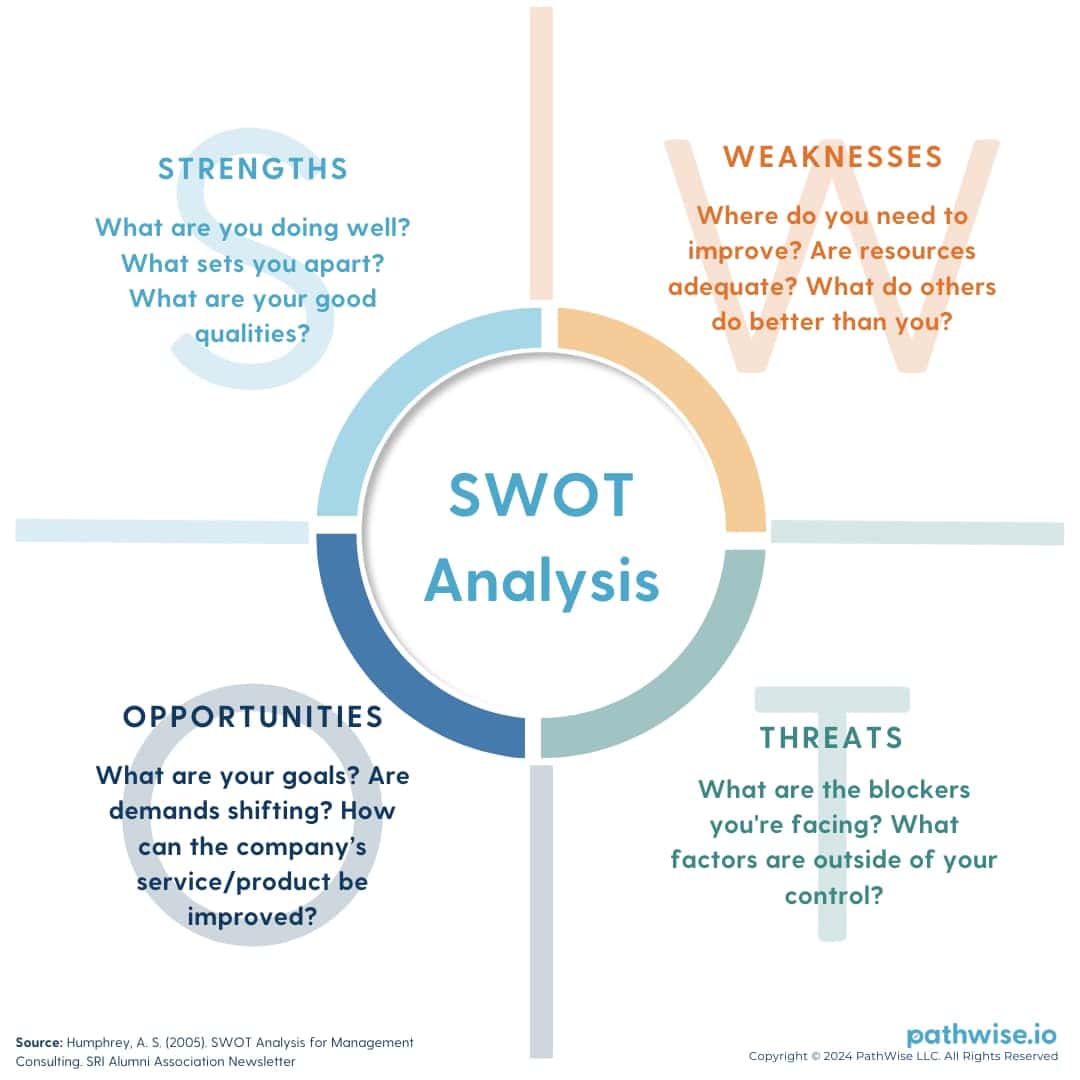
- SWOT Analysis: This framework helps organizations assess their internal Strengths and Weaknesses, as well as external Opportunities and Threats. It’s commonly used in strategic planning to evaluate positioning and make informed decisions about priorities and direction.
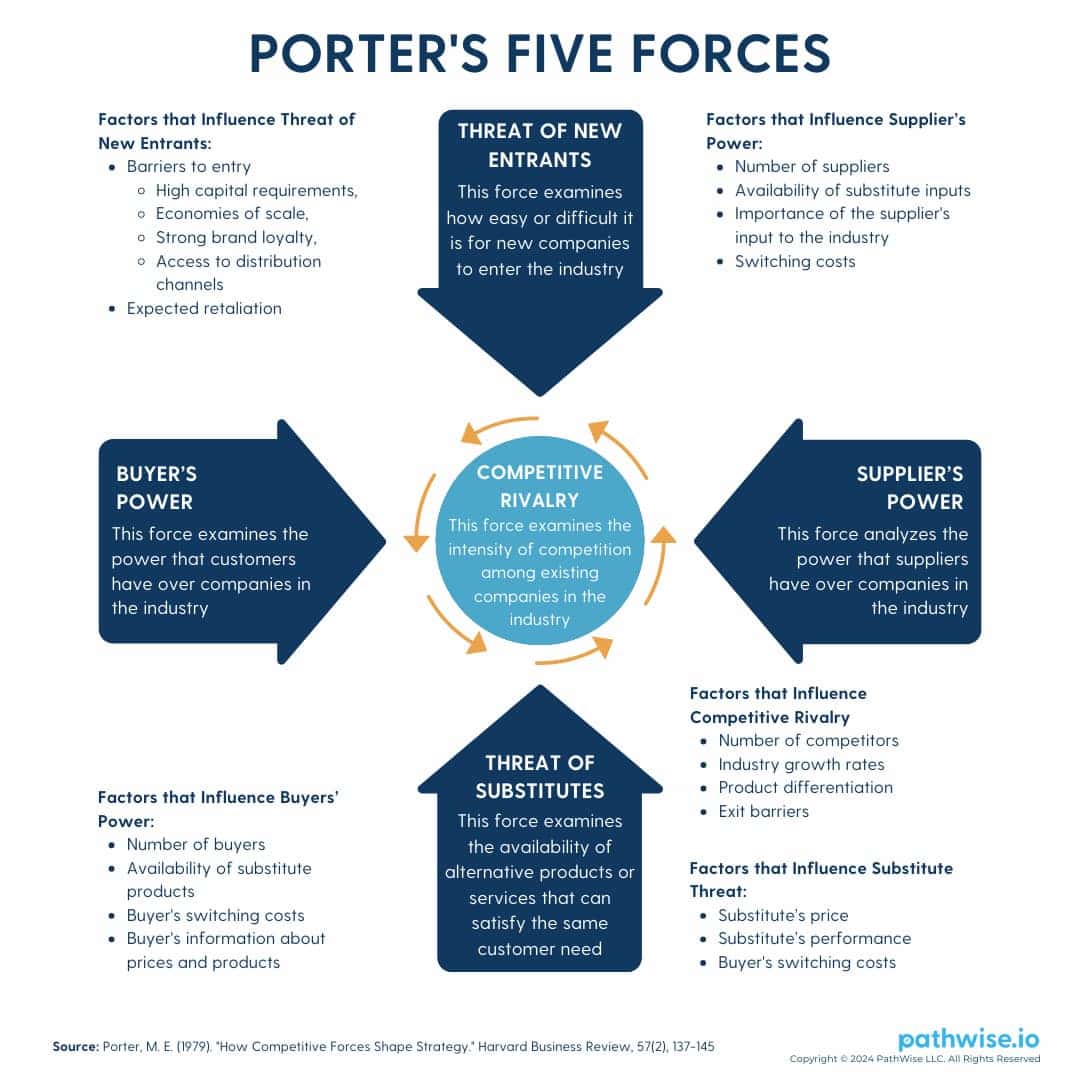
- Porter’s Five Forces: Developed by Michael Porter, this model analyzes five competitive forces: industry rivalry, threat of new entrants, bargaining power of buyers, bargaining power of suppliers, and threat of substitutes. It helps managers assess an industry’s attractiveness and shape competitive strategies.
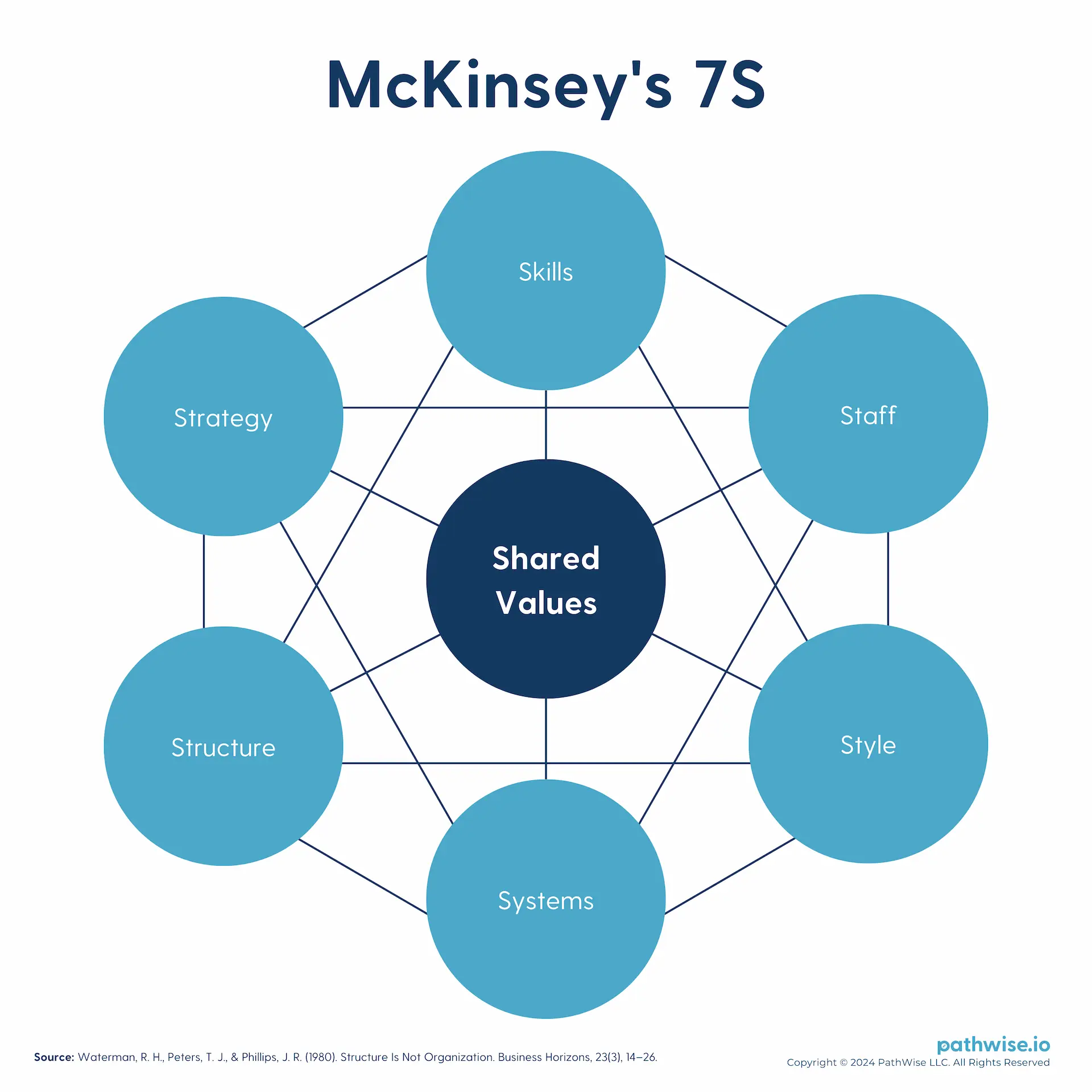
- The 7S Framework (McKinsey): This model identifies seven interdependent elements that must align for an organization to perform well. It’s used for organizational diagnosis, change management, and aligning internal components.
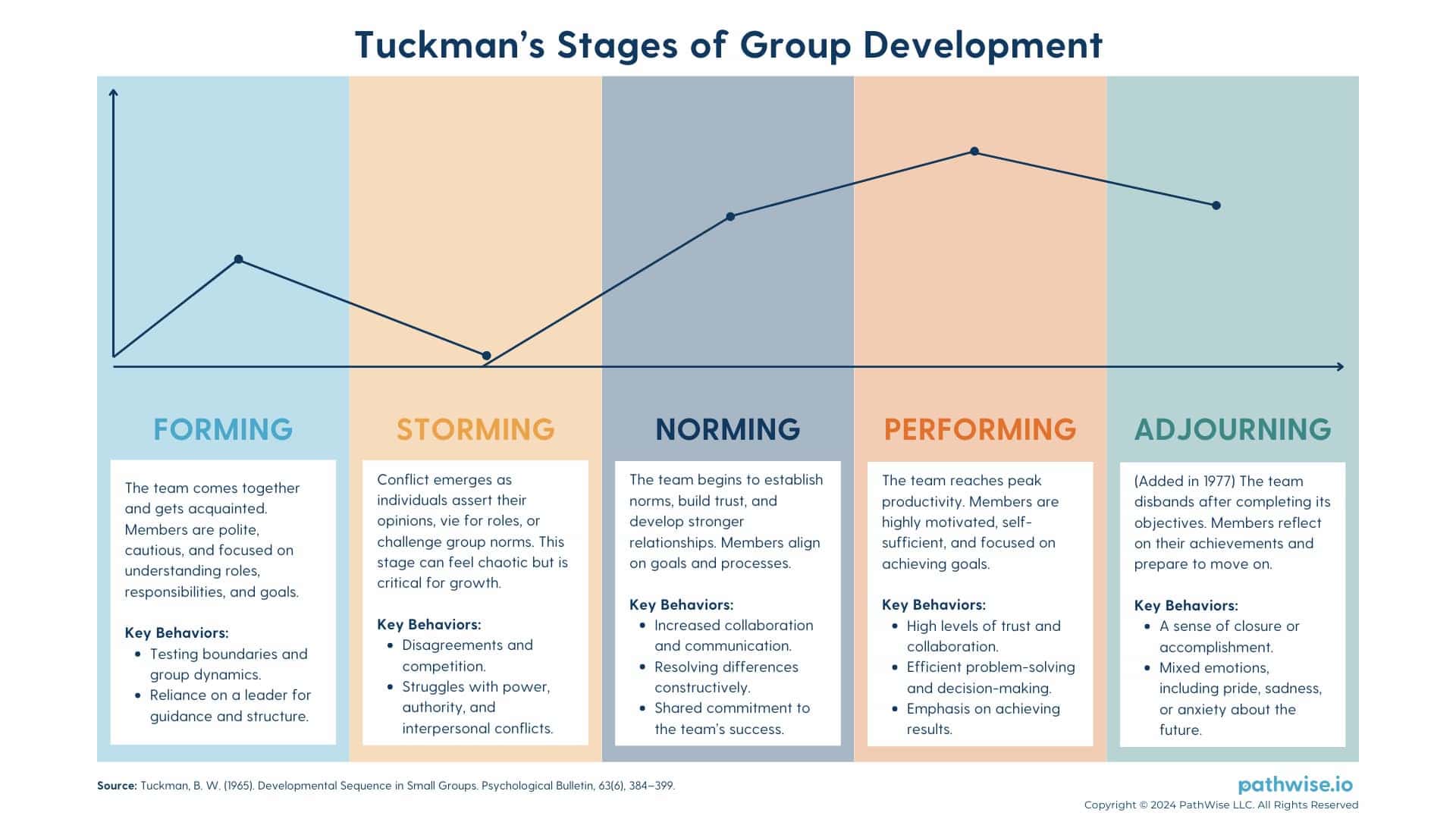
- Tuckman’s Stages of Group Development: This model outlines stages teams typically go through: Forming, Storming, Norming, Performing , and Adjourning. It helps managers understand and support team dynamics over time for more effective collaboration.
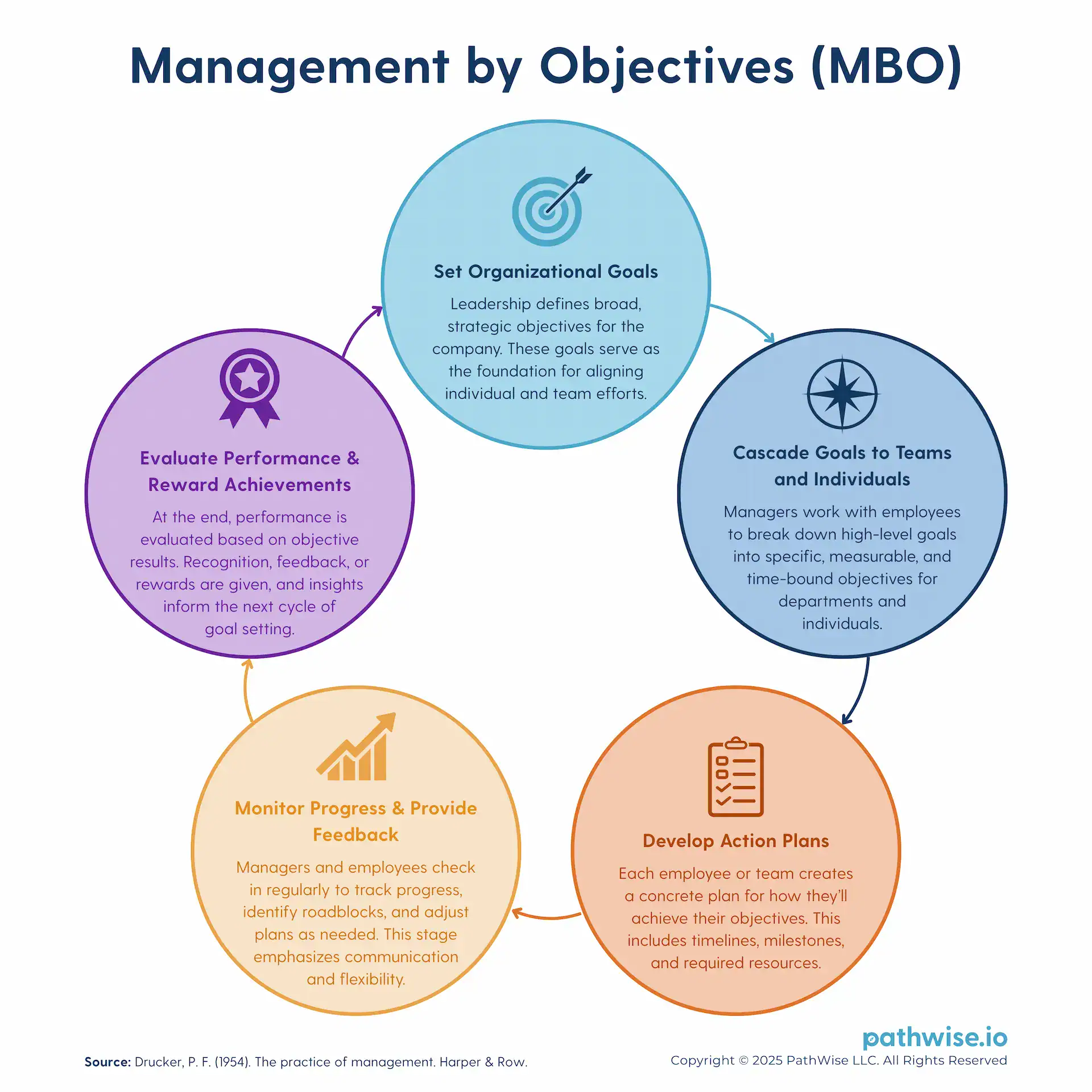
- Management by Objectives (MBO): Popularized by Peter Drucker, MBO is a goal-setting process where managers and employees collaboratively define clear, measurable objectives. It aligns individual performance with organizational goals and emphasizes accountability and results.
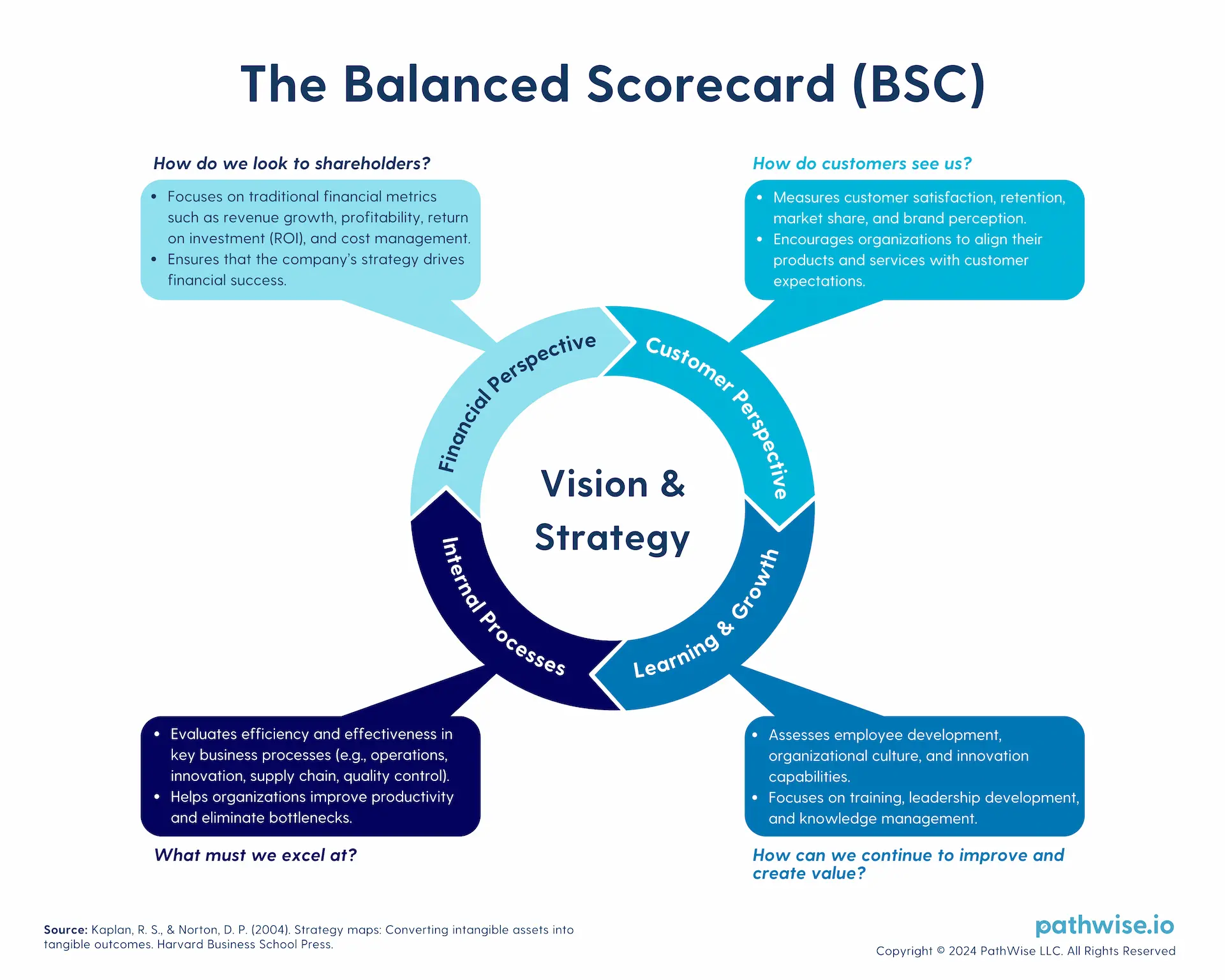
- Balanced Scorecard: Developed by Kaplan and Norton, this framework goes beyond financial metrics by also tracking performance in customer, internal process, and learning and growth perspectives. It helps organizations translate strategy into actionable goals and performance indicators.
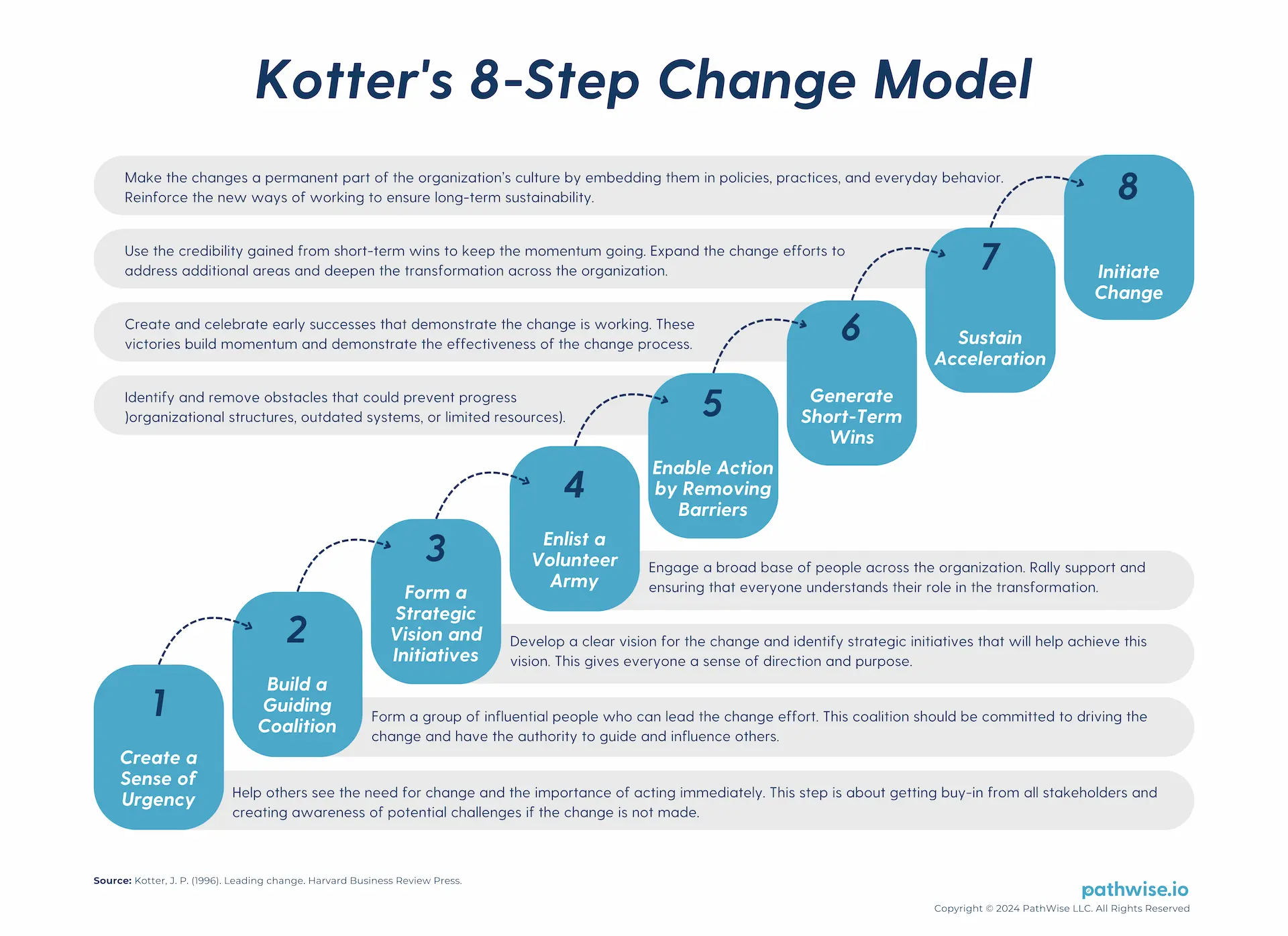
- Kotter’s 8-Step Change Model: John Kotter’s model provides a structured approach to leading organizational change, from creating urgency to anchoring new approaches in culture. The steps include building coalitions, communicating the vision, generating wins, and consolidating gains.
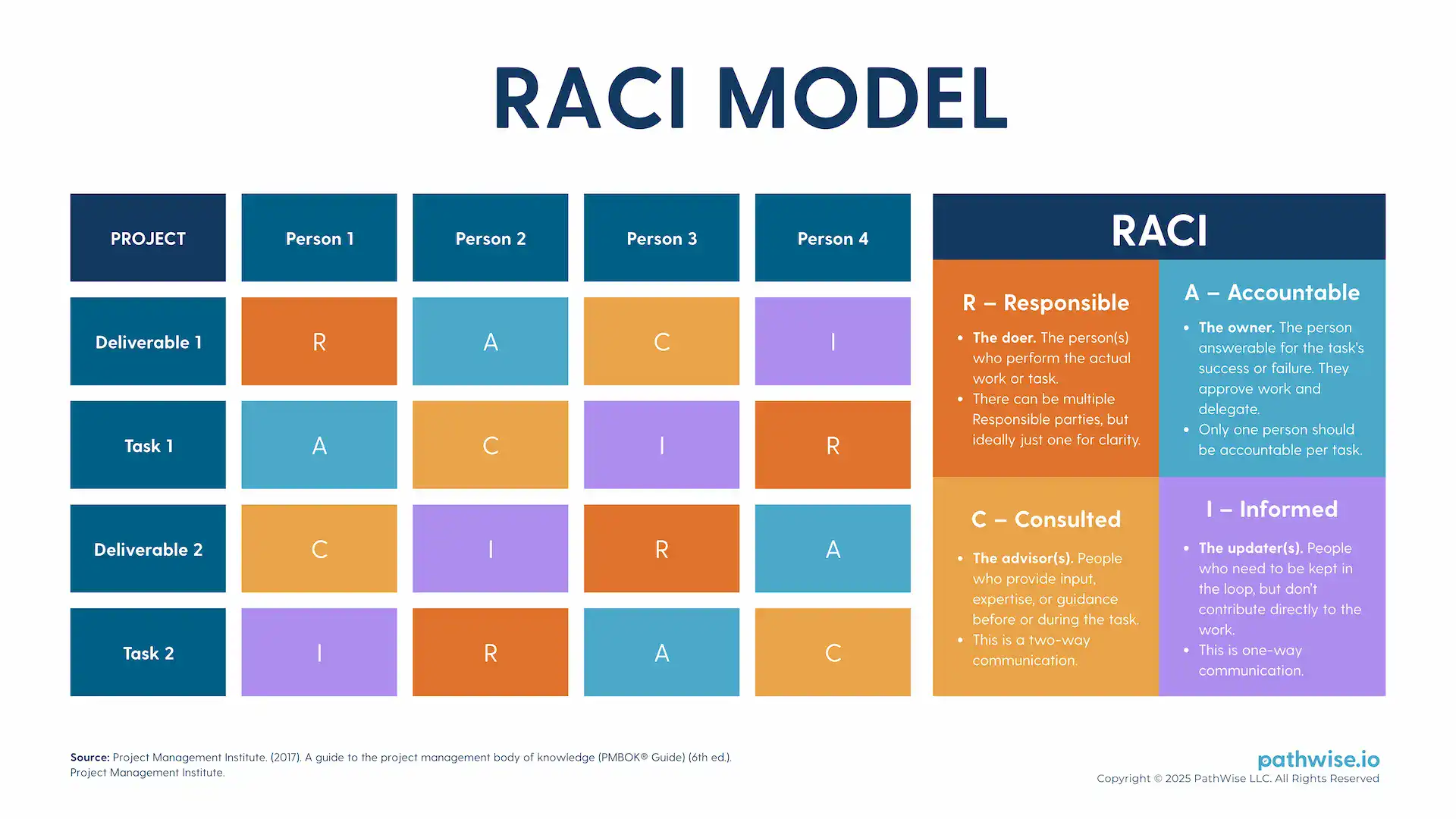
- The RACI Matrix: This tool clarifies roles and responsibilities in projects or processes by assigning who is Responsible, Accountable, Consulted, and Informed. It reduces confusion and improves communication, especially in cross-functional teams.
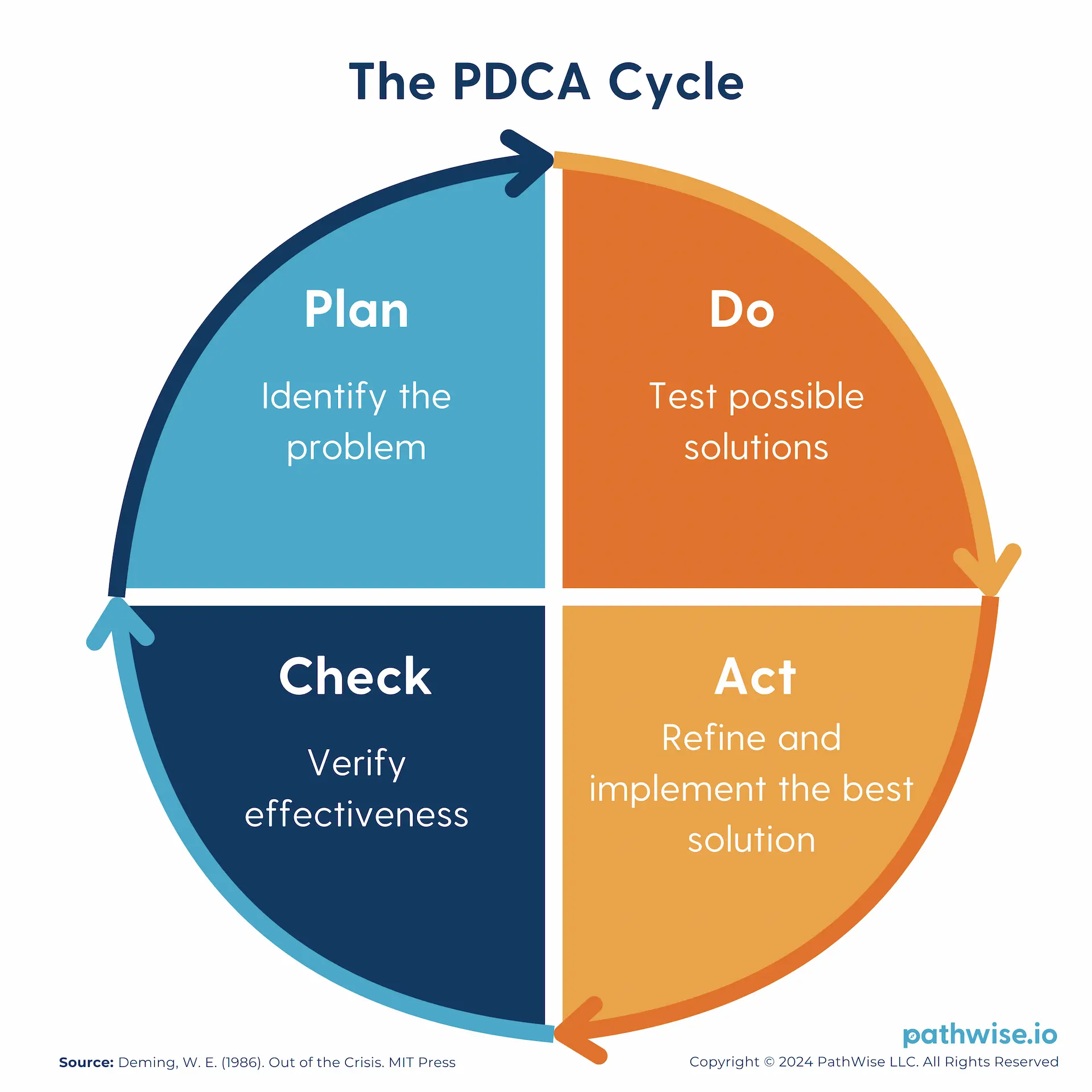
- The PDCA Cycle (Plan-Do-Check-Act): Also known as the Deming Cycle, this iterative model is used for continuous improvement in quality management. It encourages planning a change, testing it, observing results, and acting on what’s learned to improve processes or outcomes.
- Situational Leadership (Hersey-Blanchard Model): This model proposes that there is no single best leadership style; instead, effective leaders adjust based on the maturity or development level of the person or group they’re leading. It outlines four leadership styles that are matched to follower readiness.


Management and Leadership
As previously explained, the terms “leader” and “manager” are often used interchangeably, but they’re not the same. While both roles are essential to an organization’s success, they serve different purposes and require different skill sets. Management is the engine that keeps the train on track, and leadership is the compass that points it in the right direction.
More specifically, managers are focused on planning, organizing, and executing. They set goals, allocate resources, and ensure processes run smoothly. Their superpower lies in structure and consistency—they’re the ones keeping things on time and on budget. Leaders, on the other hand, focus on vision and influence. They inspire people, rally teams around a common goal, and navigate change with confidence. Leaders don’t necessarily need a title; they earn their influence by building trust and motivating others to bring their best selves to the table.
Note that someone can have a manager’s title and not be a leader. A person can be great at managing day-to-day operations but struggle to inspire or connect with their team. This kind of manager might get results but miss opportunities to engage people on a deeper level. On the flip side, someone without a formal title—maybe a team member or project contributor—can demonstrate leadership by stepping up, offering solutions, and motivating those around them.
The key is finding the sweet spot and being both. When someone manages well and leads with intention, they create efficient systems and thriving teams. To do so yourself,
- Develop self-awareness: Reflect on your values, strengths, and blind spots. Tools like 360-degree feedback can help.
- Focus on emotional intelligence: Learn to read the room, regulate your emotions, and empathize with others.
- Lead with vision and purpose: Go beyond daily tasks to help your team see the bigger picture and why their work matters.
- Empower others: Delegate meaningfully, coach instead of command, and build autonomy.
- Communicate openly and often: Leadership is rooted in trust, and trust grows through transparency and listening.
- Model the behavior you expect: Integrity and consistency build credibility.
- Invest in growth: Be a continuous learner and support your team’s development.

Image used under license from Shutterstock.com
Management and Professional Development
Management plays a critical role in shaping and supporting professional development for individuals and teams. Effective managers oversee performance and help people grow. They identify strengths, uncover potential, and create opportunities for employees to develop new skills, take on challenges, and advance in their careers.
At their best, managers create a culture of learning. This includes providing regular feedback, aligning development goals with business needs, and offering stretch assignments, mentorship, or access to training. A manager who invests in professional development builds a more capable, motivated, and loyal team.
On a broader scale, professional development is also essential for managers themselves. As organizations evolve, managers must continuously sharpen their leadership, communication, and strategic thinking skills. In this way, management and professional development go hand in hand—driving both personal growth and organizational success.

Image used under license from Shutterstock.com
Conclusion
The best managers balance the structure and strategy of traditional management with the empathy, vision, and adaptability of great leadership. They know how to get things done, but they also know how to bring out the best in others while doing it. Great managers are those who commit to leading with purpose while managing with clarity.
Other Resources
- PathWise Book Summary: Dare to Lead
- PathWise Book Summary: The Making of a Manager
- HBR: What Great Managers Do
- HBR: What Great Managers Do Daily
- Forbes: 20 Skills That Distinguish Great Managers From Good Ones
- Forbes: 13 Top Tactics to Become a Better Manager
- Forbes: Qualities Of The Best And Worst Managers – Lessons I’ve Learned
