



Have you ever walked into work feeling one way but projecting something entirely different? Maybe you’ve forced a confident smile when anxiety was gnawing at you or held back an honest opinion to avoid conflict. In the workplace—and in life—we all wear masks and carry shields. Masks help us fit in, appear competent, or hide emotions we fear will be judged. Shields protect us from criticism, rejection, or vulnerability. But while these tools can help us navigate professional environments, overusing them can create distance between who we are and who we want to be.

Image used under license from Shutterstock.com
What are Masks & Shields?
In the workplace, masks and shields, in a psychological or behavioral sense, refer to the ways we manage our emotions, behaviors, and interactions to navigate professional environments.
- Masks: Concealing the True Self
In this context, a mask represents how we suppress or alter aspects of our personality, emotions, or opinions to fit into workplace culture, maintain professionalism, or avoid conflict. This can include:
-
- Emotional masking: Hiding stress, frustration, or personal struggles to appear composed.
- Personality masking: Altering behavior to fit workplace expectations (e.g., an introvert acting extroverted in meetings).
- Cultural or identity masking: Downplaying aspects of our background, identity, or values to blend in.
While masking can be beneficial in some cases (e.g., maintaining professionalism), excessive masking can lead to burnout, disengagement, or mental health struggles.
- Shields: Psychological and Social Defenses
A shield represents the boundaries or protective mechanisms we use to manage workplace stress, toxicity, or emotional strain. This includes:
-
- Emotional detachment: Keeping a professional distance to prevent emotional exhaustion.
- Selective engagement: Avoiding office drama, gossip, or toxic colleagues.
- Work-life boundaries: Setting clear limits to prevent burnout (e.g., not checking emails after hours).
- Assertiveness: Using direct communication to protect personal values and mental well-being.
Unlike masks, which often involve concealment, shields are more about self-protection and maintaining well-being in challenging work environments. However, some of these behaviors can become maladaptive if we use them as a result of unresolved issues that get in the way of forging healthy relationships.

Image used under license from Shutterstock.com
Strategies to Foster Genuine Authenticity
Balancing the use of masks and shields in the workplace while maintaining authenticity requires a mix of self-awareness, strategic adaptability, and healthy boundaries. The key is intentionality. Use masks when professionalism calls for it, but don’t erase your identity. Use shields when necessary, but don’t isolate yourself. Ultimately, authenticity isn’t about revealing everything—it’s about choosing what’s meaningful and appropriate in each situation. More specifically, to foster a professional authenticity:
- Adjust Your Mask Without Losing Authenticity: Instead of completely suppressing your true self, try selective authenticity—showing different aspects of your personality in appropriate situations. You need to be able to adapt to the given circumstances, such as when professionalism requires it (e.g., managing emotions in a heated discussion). However, be yourself and be honest to foster trust and connections (e.g., sharing a challenge with a trusted colleague). If your workplace culture is rigid, identify supportive colleagues or external networks where you can be fully yourself. Make sure your “mask” is a professional filter rather than a disguise. Adjust it when needed but avoid overuse.
- Use Shields Wisely to Protect Your Well-being: Shields are about maintaining boundaries and emotional health without completely shutting down. Set clear boundaries by defining work-life separation (e.g., not responding to non-urgent emails after hours), and politely but firmly disengaging from toxic conversations or people. It’s important to practice emotional detachment without apathy. To do so, recognize that not every workplace issue is personal; sometimes, it’s about the system or dynamics. Also, avoid taking workplace stress home—find ways to decompress (exercise, hobbies, or venting to a mentor). Ultimately, if you need to shield yourself, do it with confidence, not avoidance. For example, instead of avoiding a difficult coworker entirely, set clear communication boundaries (e.g., “I prefer to discuss this over email rather than in impromptu meetings”).
- Build a Work Culture That Supports Balance: If possible, help create an environment where people don’t feel the need to over-mask or over-shield. Encourage psychological safety, especially if you’re a manager. To do so, be open about challenges when appropriate, which can help others feel comfortable doing the same. Support colleagues who express vulnerability rather than reinforcing a culture of suppression. Promote open discussions about work stress and balance. And finally, lead by example—prioritize your well-being without guilt.

Image used under license from Shutterstock.com
Thought Leaders
Several thought leaders and researchers focus on workplace authenticity, emotional intelligence, boundaries, and psychological safety – all key in managing our use of masks and shields. Some of these experts include:
- Brené Brown: Known for her work on vulnerability, authenticity, and courage in the workplace, she advocates for daring leadership—leading with honesty rather than fear-based perfectionism. She has authored several books, including Dare to Lead and The Gifts of Imperfection.
- Adam Grant: An organizational psychologist whose focus is on authenticity, resilience, and motivation at work, he often explores how being too agreeable can be harmful in professional settings. He has published several books, such as Think Again and Give and Take, where he argues that balancing authenticity with adaptability is key to workplace success.
- Amy Edmondson: A Harvard professor who studies psychological safety—the idea that teams perform best when people feel safe to speak up without fear of judgment. In her book, The Fearless Organization, she explains and showcases how a culture of openness reduces the need for excessive masks at work.
- Susan David: A psychologist who emphasizes the importance of emotional agility—the ability to navigate emotions without suppressing them, she authored Emotional Agility. In it, she argues that ignoring emotions at work backfires and acknowledging them leads to better decision-making.
- Tasha Eurich: An expert in self-awareness and knowing when to wear a mask strategically and when to be more open, she published Insight, where she argues that the most successful professionals know how they are perceived and adjust accordingly—without losing themselves.
- Daniel Goleman: An expert in emotional intelligence (EQ), and author of Emotional Intelligence: Why It Can Matter More Than IQ, he argues that EQ consists of self-awareness, self-regulation, and social skills in the workplace. His work emphasizes how managing emotions effectively can reduce the need for excessive masking while maintaining professionalism.
- Herminia Ibarra: A London Business School professor who studies leadership development and professional identity, she argues we all need to learn adaptive authenticity, which suggests that staying rigidly authentic can limit career growth—successful people evolve their professional personas over time. She explains that authenticity should be dynamic, allowing us to evolve as our careers progress.
- Patrick Lencioni: An author and expert on trust, vulnerability, and team dynamics, his work focuses on helping organizations create environments where employees don’t feel the need to over-mask. His book and model of The Five Dysfunctions of a Team highlight how fear of vulnerability can damage collaboration and advocate for a workplace built on trust, which reduces the need for emotional shields and fosters genuine interactions.
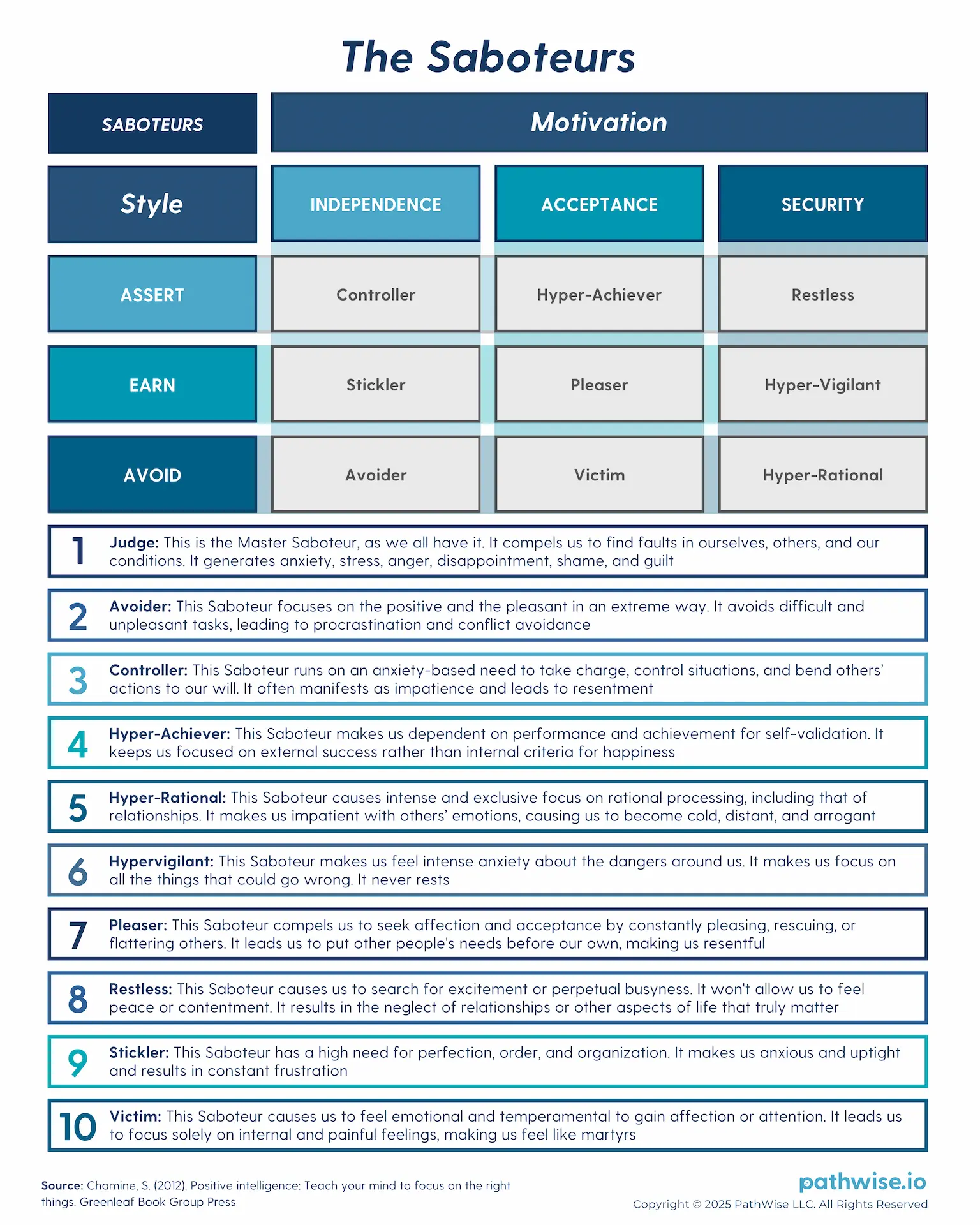
- Shirzad Chamine: CEO and author, he is best known for his book and concept of Positive Intelligence (PQ), which focuses on strengthening mental resilience and reducing negative self-talk. His framework identifies Saboteurs—mental habits like people-pleasing, self-doubt, or avoidance—that cause us to mask emotions or overuse shields in the workplace. He explains that building mental fitness helps you drop unnecessary masks and shields, allowing for a more authentic and confident professional life.

Image used under license from Shutterstock.com
Key Frameworks
- Carl Jung’s Persona & Shadow Theory: Jung described the personaas the mask people wear to fit into society, while the shadow as the hidden emotions and traits that people suppress or defend against.
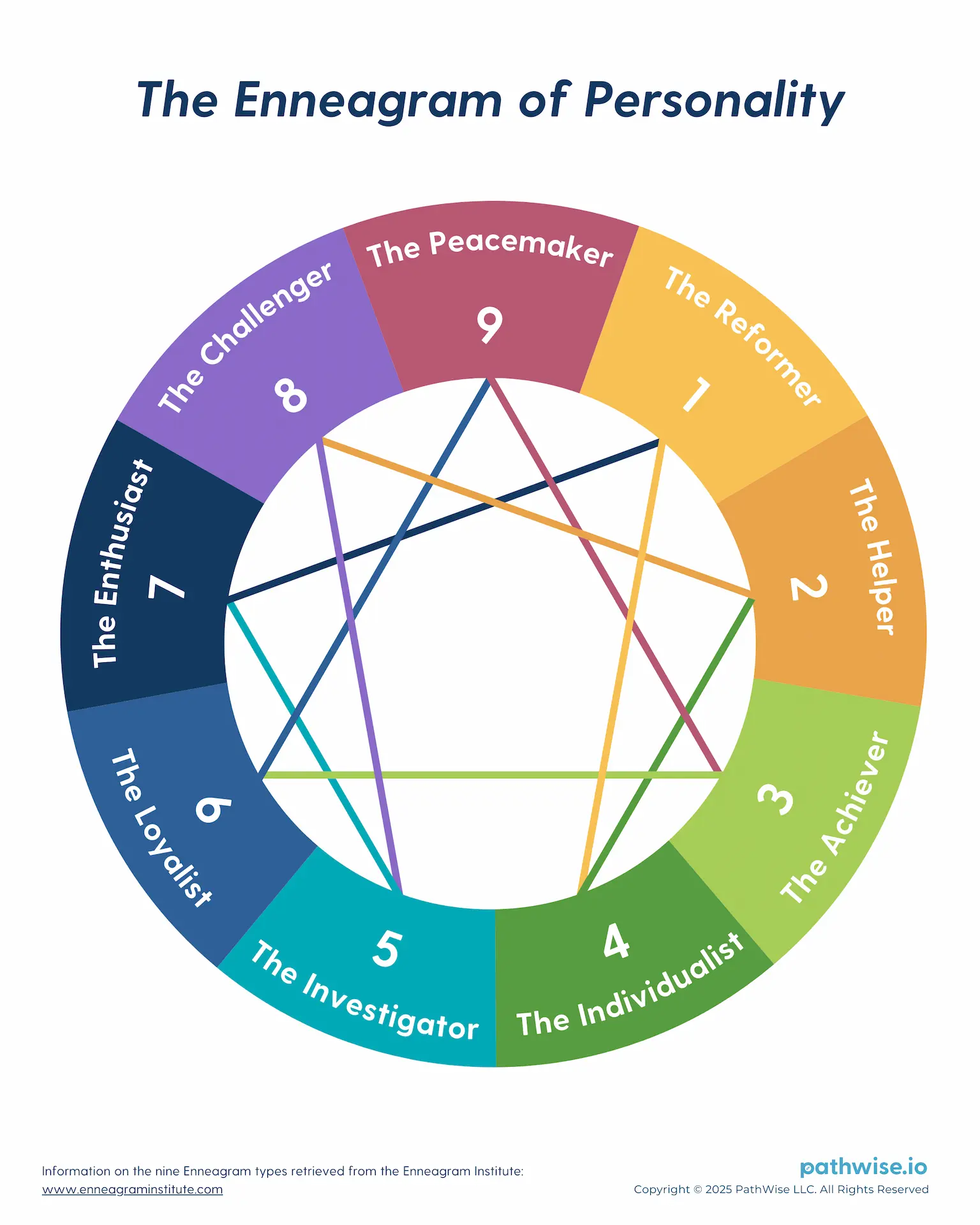
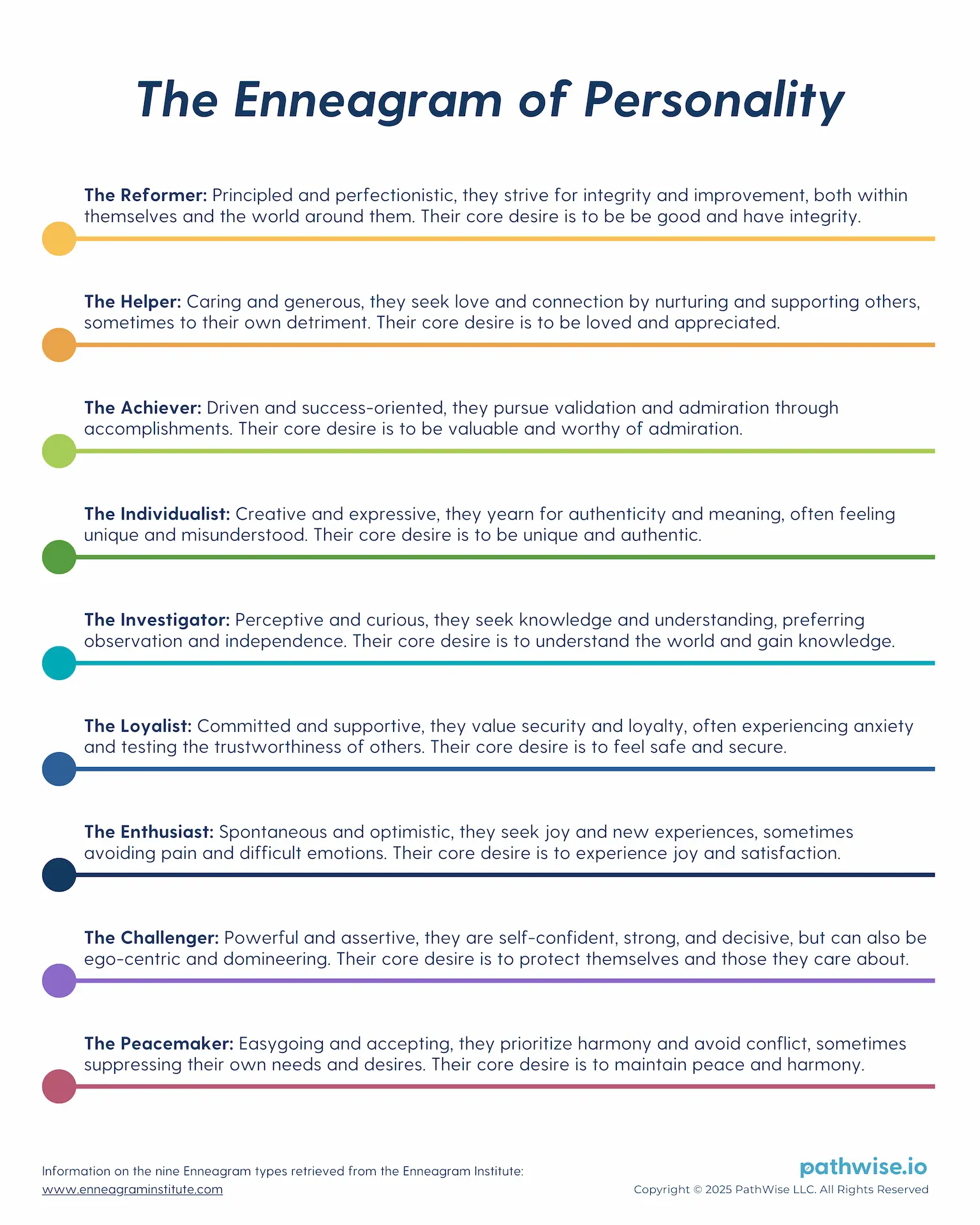
- Enneagram of Personality: A model that identifies nine personality types, each with core fears, desires, and defense mechanisms that influence how people present themselves and protect their vulnerabilities.
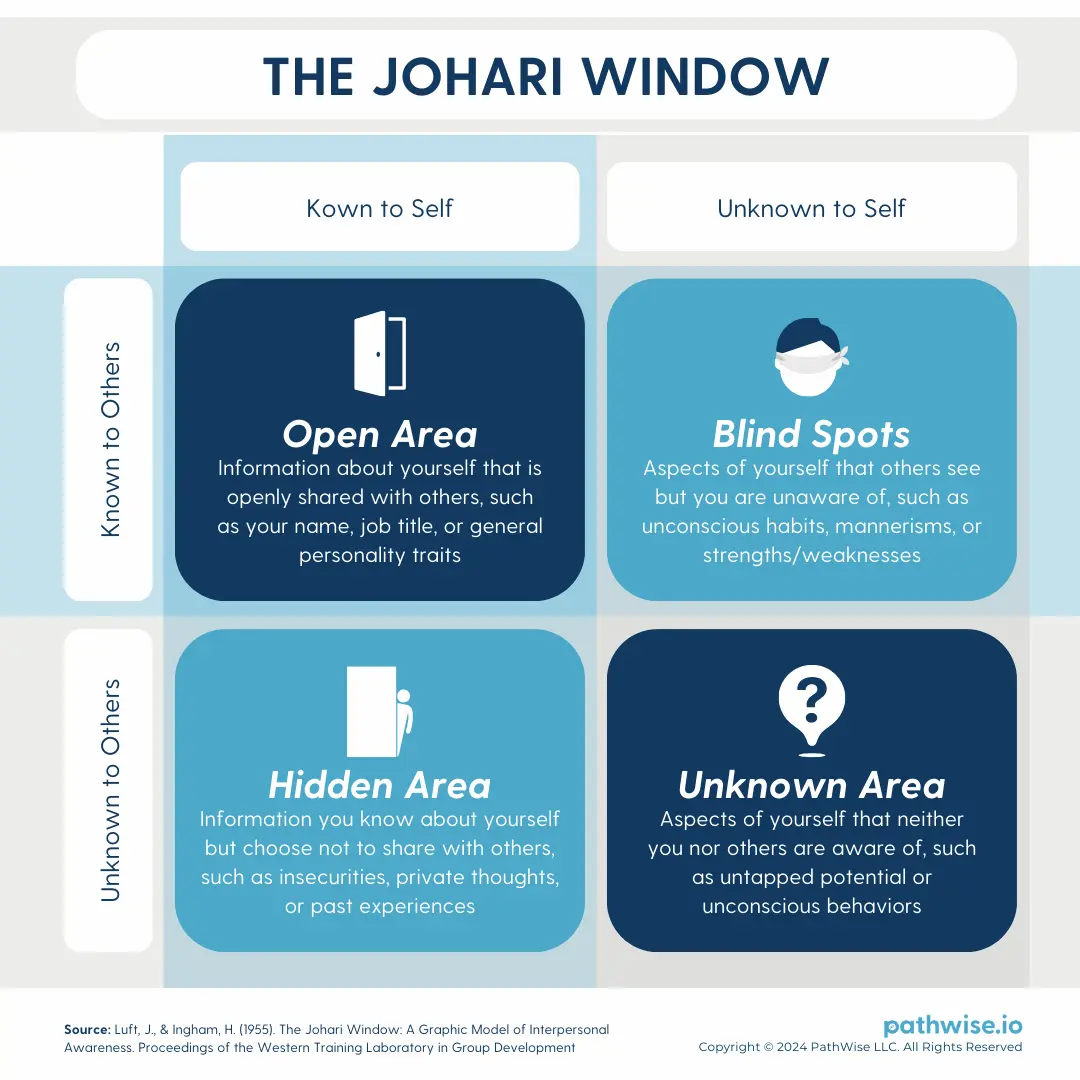
- Johari Window: A psychological framework that explores self-awareness and disclosure, dividing personal knowledge into four quadrants:
-
- Open (Known to self & others)
- Hidden (Known to self, not others – Masks)
- Blind (Unknown to self, known to others)
- Unknown (Hidden from both self & others)
- Positive Intelligence (PQ): This framework introduced the concept of Saboteurs as negative thought patterns that act as masks or shields. It suggests mental fitness practices to shift toward a more authentic, resilient mindset.
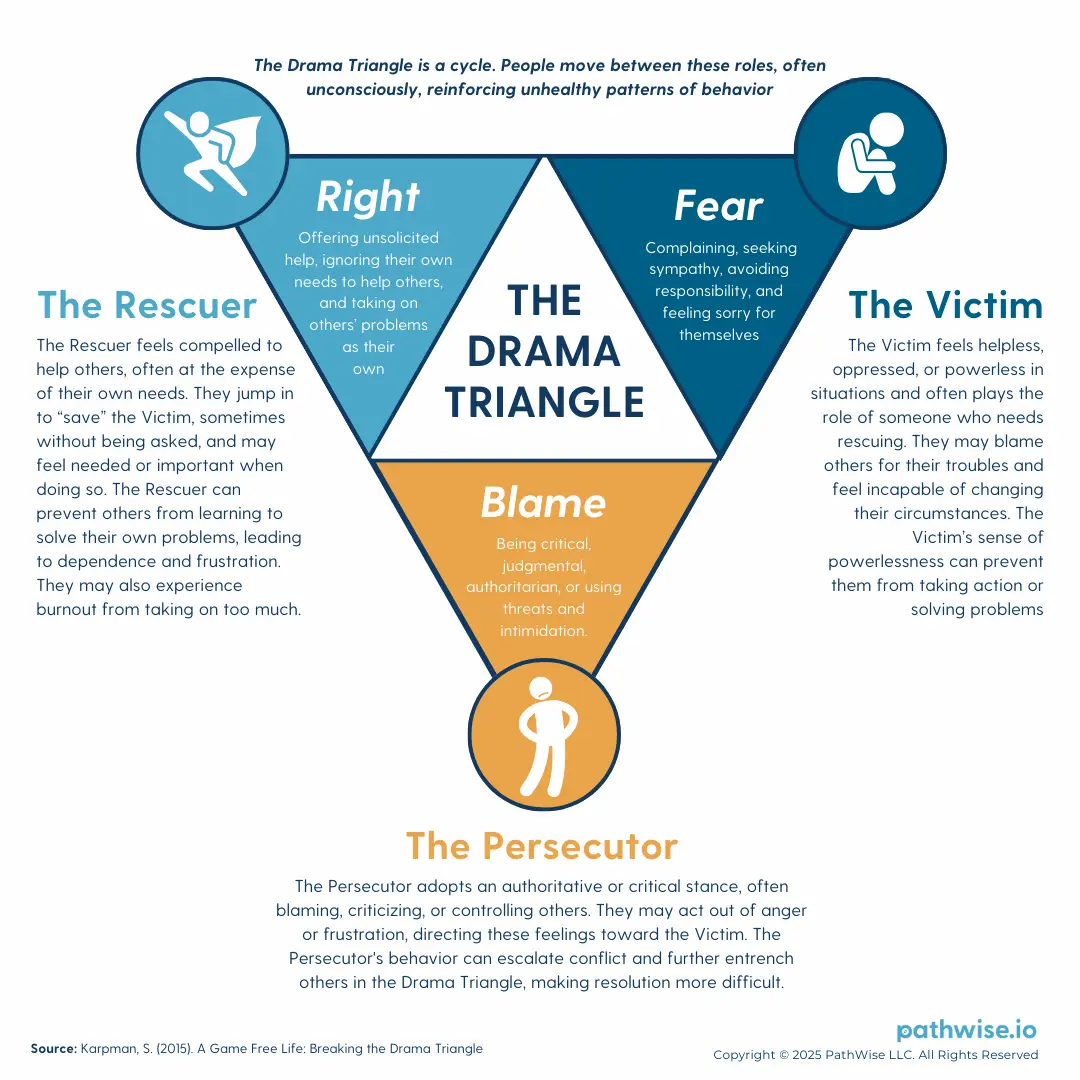
- The Drama Triangle (Karpman Model): This model identifies roles people unconsciously play to protect themselves in conflict and explains that breaking free from these roles fosters healthier workplace interactions. The roles are:
- Victim: Helpless, seeking rescue
- Persecutor: Blaming, attacking
- Rescuer: Over-helping, avoiding own issues
- Impression Management Theory: Developed by Erving Goffman, this theory suggests that people can control the way they’re perceived by others, strategically using masks in different social and professional contexts.
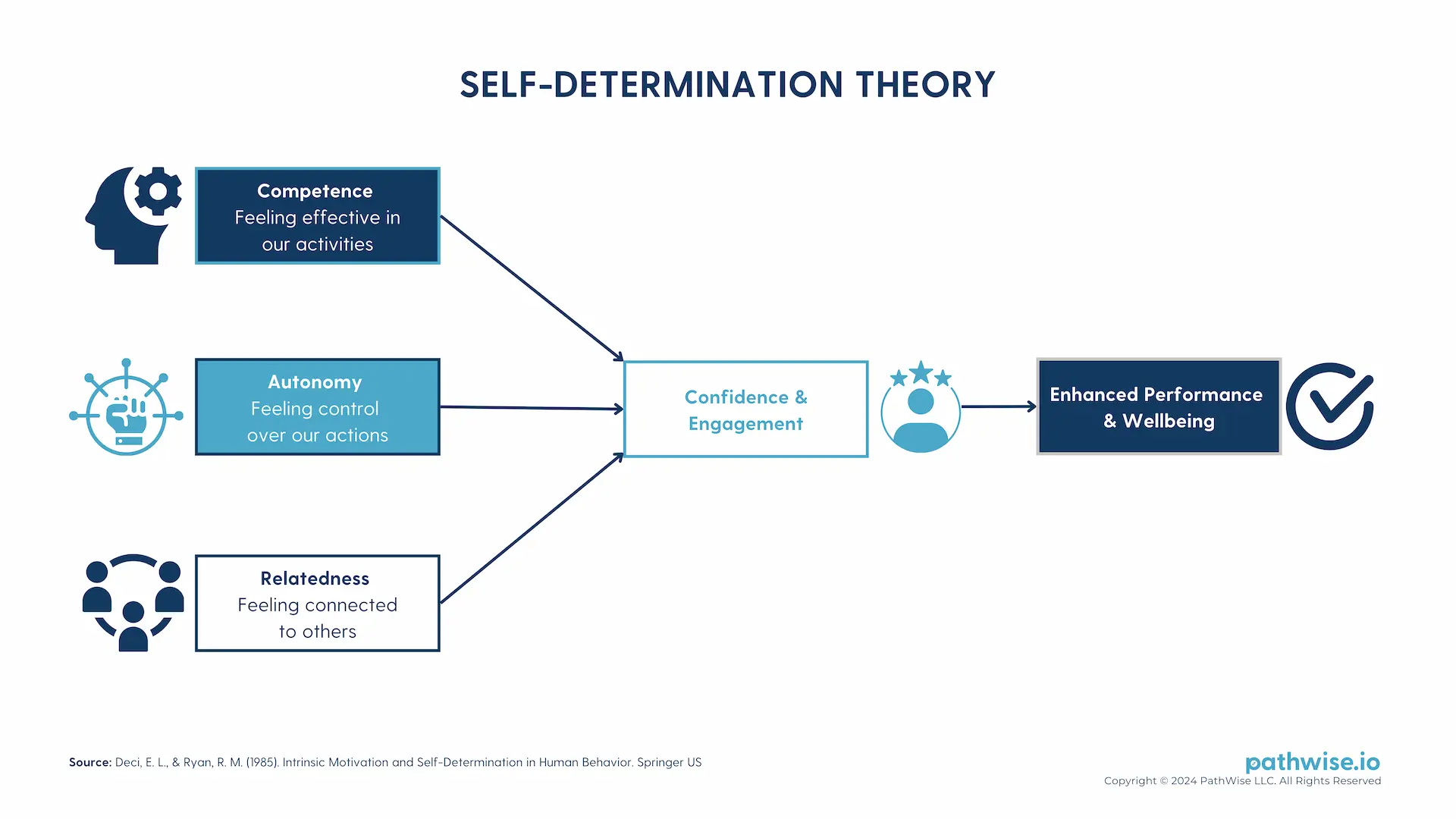
- Self-Determination Theory: Developed by Edward Deci & Richard Ryan, this theory suggests there are intrinsic vs. extrinsic motivations behind every behavior. When people feel autonomy, competence, and connection, they are more likely to be authentic. However, in workplaces where these needs aren’t met, employees may put on masks to conform or use shields to protect themselves from criticism or control.
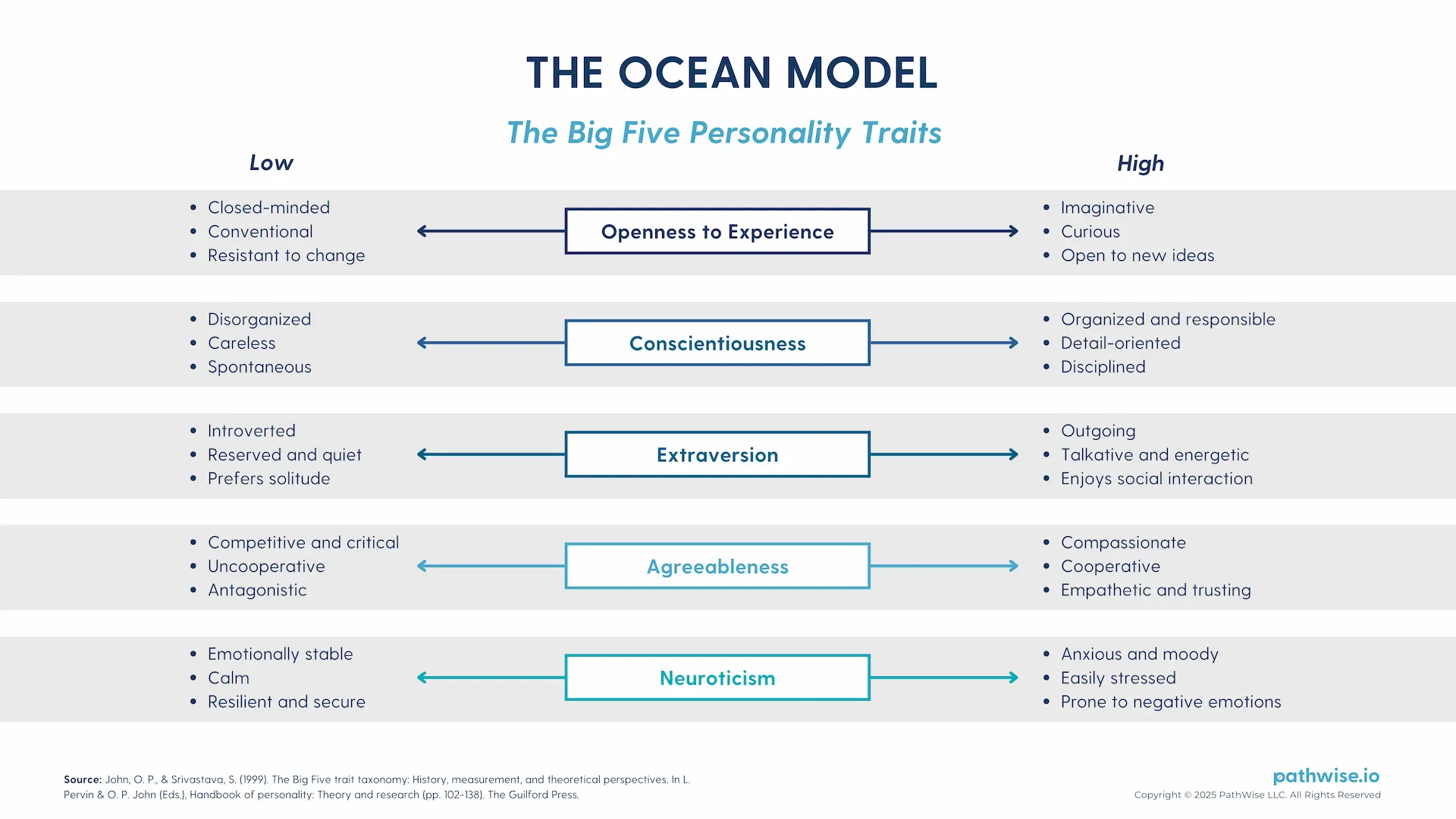
- The Big Five Personality Traits (OCEAN Model): This model outlines five key traits that shape how individuals interact with others and manage self-protection:
-
- Openness: Willingness to be vulnerable vs. guarded.
- Conscientiousness: Need for control, structure, and perfectionism.
- Extraversion: How much someone masks emotions or expresses them.
- Agreeableness: Tendency to people-please or put up shields to avoid conflict.
- Neuroticism: How emotional sensitivity influences defense mechanisms.
Masks & Shields in Leadership: A Double-Edged Sword
In leadership, masks and shields serve both as tools for influence and as barriers to authenticity. Leaders often feel pressure to present an image of unwavering confidence, decisiveness, or perfection—wearing a mask that aligns with expectations rather than showing their true selves. These masks can be beneficial in moments requiring composure and stability, such as during crises or high-stakes negotiations. However, when overused, they create distance between leaders and their teams, making them seem unapproachable or inauthentic. Employees may struggle to trust a leader who appears too polished, as authenticity is a key driver of engagement and loyalty.
Similarly, shields act as self-protective mechanisms, allowing leaders to guard against criticism, failure, or vulnerability. Common shields include over-control, detachment, or avoidance of difficult conversations. While shields may provide short-term security, they often come at the cost of genuine connection and growth. Leaders who refuse to show any vulnerability risk alienating their teams, missing opportunities for feedback, and creating a culture where employees also feel they must guard themselves rather than engage openly.
The most effective leaders recognize when to strategically use masks and shields and when to lower them. They understand that authenticity doesn’t mean complete transparency—it means intentional vulnerability. Balancing professionalism with openness fosters psychological safety, encouraging employees to share ideas, take risks, and collaborate more freely. When leaders acknowledge their own challenges and invite others to do the same, they create an environment where trust, resilience, and innovation can thrive.

Image used under license from Shutterstock.com
Masks & Shields in Professional Development: Barriers or Catalysts for Growth?
In professional development, masks and shields shape how we navigate our careers, influencing everything from personal branding to skill-building and workplace relationships. Many of us wear masks to project confidence, competence, or adaptability—especially when stepping into new roles or industries. While this can help in networking and career advancement, over-relying on masks can hinder growth by preventing us from acknowledging our weaknesses or seeking help when needed. A polished exterior may create the illusion of success, but true development comes from honest self-assessment and continuous learning.
Shields, on the other hand, serve as defense mechanisms against failure, criticism, or discomfort. Some of us avoid taking risks, hesitate to voice our opinions, or resist feedback because we fear exposing vulnerabilities. Others might deflect responsibility or blame external factors to protect their self-image. While these shields offer temporary security, they also limit career progression, as growth requires stepping outside comfort zones, embracing constructive criticism, and learning from setbacks.
The key to effective professional development is knowing when to let go of masks and lower shields. This means seeking mentorship, admitting when something is challenging, and engaging in authentic self-improvement rather than maintaining a perfect façade. By fostering self-awareness and resilience, we can build genuine confidence, develop stronger relationships, and unlock greater opportunities for success.

Image used under license from Shutterstock.com
Conclusion
Growth begins when we learn to recognize the masks we wear and the shields we hold. While professionalism and self-protection have their place, true confidence comes from knowing when to let those barriers down. Leaders who balance strength with authenticity create trust, and professionals who embrace self-awareness develop deeper, more meaningful careers. The challenge isn’t to eliminate masks and shields altogether—it’s to use them with intention, ensuring they serve our progress rather than limit it.
Other Resources
- PathWise Book Summary: Dare to Lead
- PathWise Book Summary: The Fearless Organization
- PathWise Book Summary: Emotional Intelligence
- PathWise Book Summary: Emotional Agility
- PathWise Book Summary: Positive Intelligence
- HBR: Be Yourself, But Carefully
- HBR: Research – It Pays to Be Yourself
- HBR: How to Get Comfortable Being Yourself at Work
