



Organizational culture is like a company’s personality. It permeates every aspect of the firm’s operations, influencing employee interaction, formal and informal communications, decision-making processes, reward systems, and overall performance. Even without intentional efforts, every organization develops a culture shaped by its founders, leaders, and employees. This culture emerges from shared values, norms, traditions, and behaviors that come together and define how things get done within the organization.
Peter Drucker famously emphasized the significance of organizational culture by stating that “culture eats strategy for breakfast.” A strong and cohesive culture, one that aligns employees around a shared purpose, can inspire collaboration and drive innovation, even in the absence of a clear strategy. This is a powerful concept, one that should inspire hope and motivation. Conversely, a toxic or misaligned culture can undermine even the most well-conceived strategies, leading to disengagement, resistance to change, and ultimately, organizational decline.
Being intentional about establishing and nurturing a culture that aligns with the organization’s values, vision, and goals is essential for long-term success. Leaders must actively cultivate a culture that promotes transparency, trust, accountability, and inclusivity while fostering innovation, adaptability, and resilience. This requires clear communication of organizational values, consistent reinforcement of desired behaviors, and alignment of policies, practices, and processes with cultural priorities.
What is organizational culture?
In the context of organizations and the workplace, culture is the combination of shared values, beliefs, behaviors, and norms that become characteristic of the environment. These factors – that is, culture –also guide how employees interact with one another, customers, and stakeholders.
Most companies develop and maintain their organizational culture through various elements, such as their mission, vision, purpose, and core values. However, some less apparent elements, including everyday behaviors and rituals, also play a specific role.
- Values and Beliefs: These are fundamental principles and standards that guide the behaviors and decision-making processes within the organization. Companies usually articulate them in mission statements and core values documents.
- Norms and Behaviors: These unwritten rules and expected behaviors dictate how employees should act in various situations. This includes communication styles, dress codes, work hours, and interpersonal interactions.
- Symbols and Language: The specific language, jargon, acronyms, and symbols unique to the organization (e.g., logos, slogans, and other branding elements) convey and reinforce the company’s identity.
- Rituals and Ceremonies: These refer to activities and events such as meetings, award ceremonies, team-building activities, and other traditions that promote a sense of community and shared purpose.
- Leadership and Management Practices: These are the behaviors, such as how leaders communicate, make decisions, and handle conflicts, that influence the broader organization’s behavior.
- Work Environment: This encompasses the physical and virtual environment where employees work, including office layout, remote work policies, and the overall atmosphere of the workplace. Work environment can significantly influence employee satisfaction and productivity.
- Stories and Myths: These are the narratives and legends that circulate within the organization, which often highlight significant achievements, challenges overcome, and the actions of key figures. These stories help to build a shared history and identity.
- Employee Expectations and Attitudes: These are the collective attitudes and expectations towards work, colleagues, and the organization as a whole, as well as the degree of engagement, motivation, and overall job satisfaction, all contribute to the organization’s culture.
Why is organizational culture important?
A company’s culture impacts various aspects of an organization, from employee behavior and engagement to overall business performance. For instance, a positive culture
- Fosters a sense of belonging and purpose among employees, which boosts their motivation, productivity, and retention, and reduces turnover rates and associated costs.
- Aligns employees with the organization’s goals and values, enhancing teamwork and collaboration and creating an environment where employees feel empowered to perform at their best.
- Makes the organization more attractive to potential employees, increasing the probability of attracting top talent.
- Shapes decision-making processes, promoting consistent and value-aligned choices, fostering creativity and innovation
- Allows for better navigation of change and uncertainty, enabling quicker adaptation to market changes, industry disruptions, and internal challenges.
- Enhances customer satisfaction and loyalty, as engaged employees will deliver better customer service, ensuring the organization meets or exceeds customer expectations.
- Promotes open communication and trust, which are critical for effective conflict resolution.
- Helps create an environment where employees feel safe expressing concerns and working collaboratively to find solutions.
- Establishes a clear identity, unifies employees, gives them a sense of shared purpose, and fosters strong, cohesive teams.
- Promotes ethical behavior and compliance with laws and regulations, prevents misconduct, and ensures that employees understand the importance of ethical practices.
Note that a company’s internal culture often reflects externally, affecting its reputation and brand perception. Those organizations with a strong and positive culture can build better relationships with customers, partners, and the community.
A study performed by J. Kim and S. Bang (2013) defined the main characteristics of high-performing cultures. To learn what these are, check out the Sketchnote below, drafted by Dr. Hayley Lewis from Halo Psychology.

Thought Leaders
Several thought leaders have significantly contributed to our understanding of organizational culture and its impact on performance. Here are some of the key figures in this area:
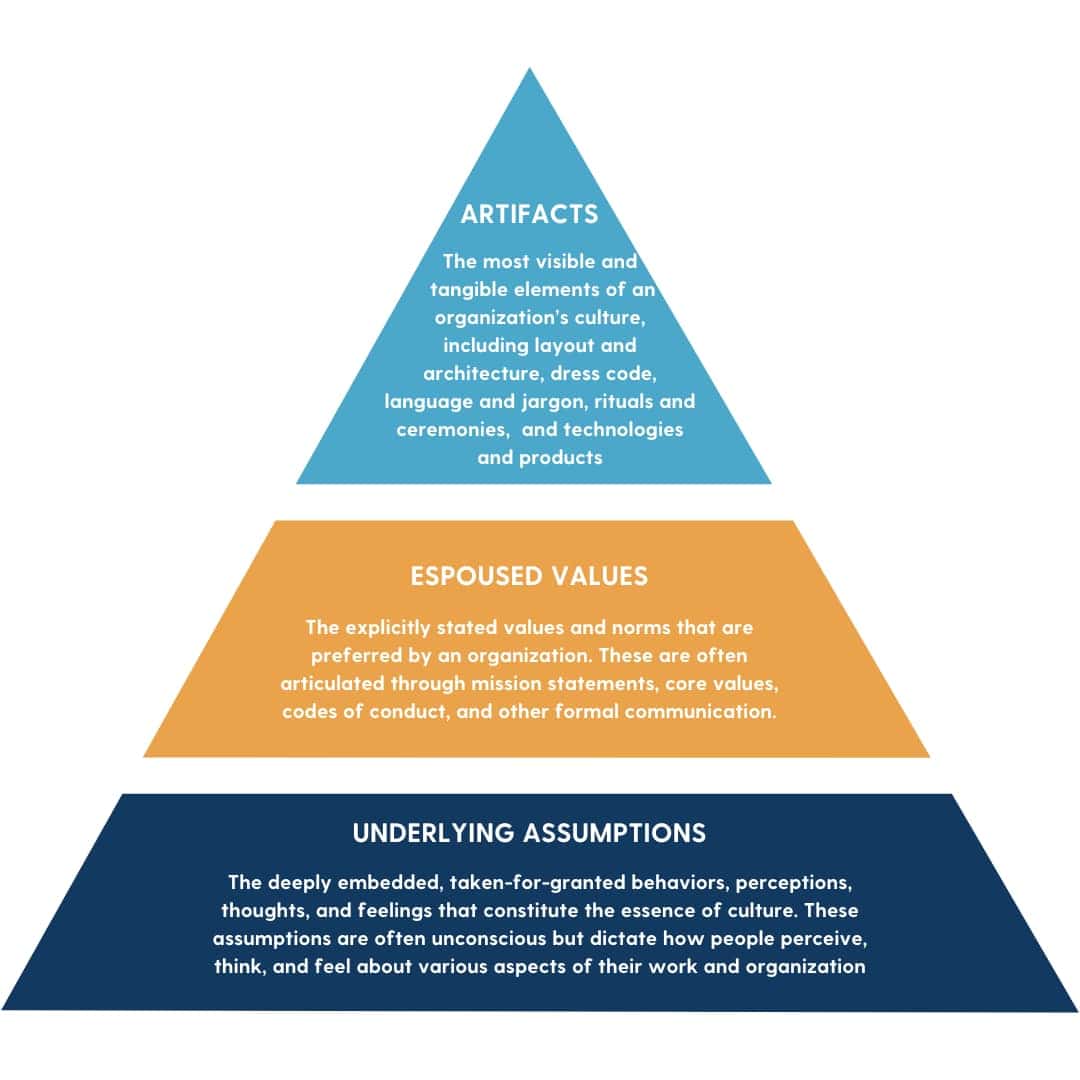
- Edgar Schein: Known as one of the pioneers in organizational culture, Schein has developed foundational work. His model of organizational culture includes three levels: artifacts, espoused values, and underlying assumptions. His book Organizational Culture and Leadership is considered a seminal text.
- Peter Drucker: Often referred to as the father of modern management, Drucker’s insights into organizational behavior and culture have influenced much of our understanding of culture. His famous quote, “Culture eats strategy for breakfast,” highlights the critical importance of culture in organizational success.
- John Kotter: A renowned expert on leadership and change management, Kotter has emphasized the role of culture in successful transformation efforts. His book Leading Change outlines an eight-step process for managing change, which includes building a culture that supports change initiatives.
- Daniel Denison: Known for the Denison Organizational Culture Model, which links culture to business performance, Denison’s work has been influential in demonstrating the measurable impact of culture on organizational outcomes.
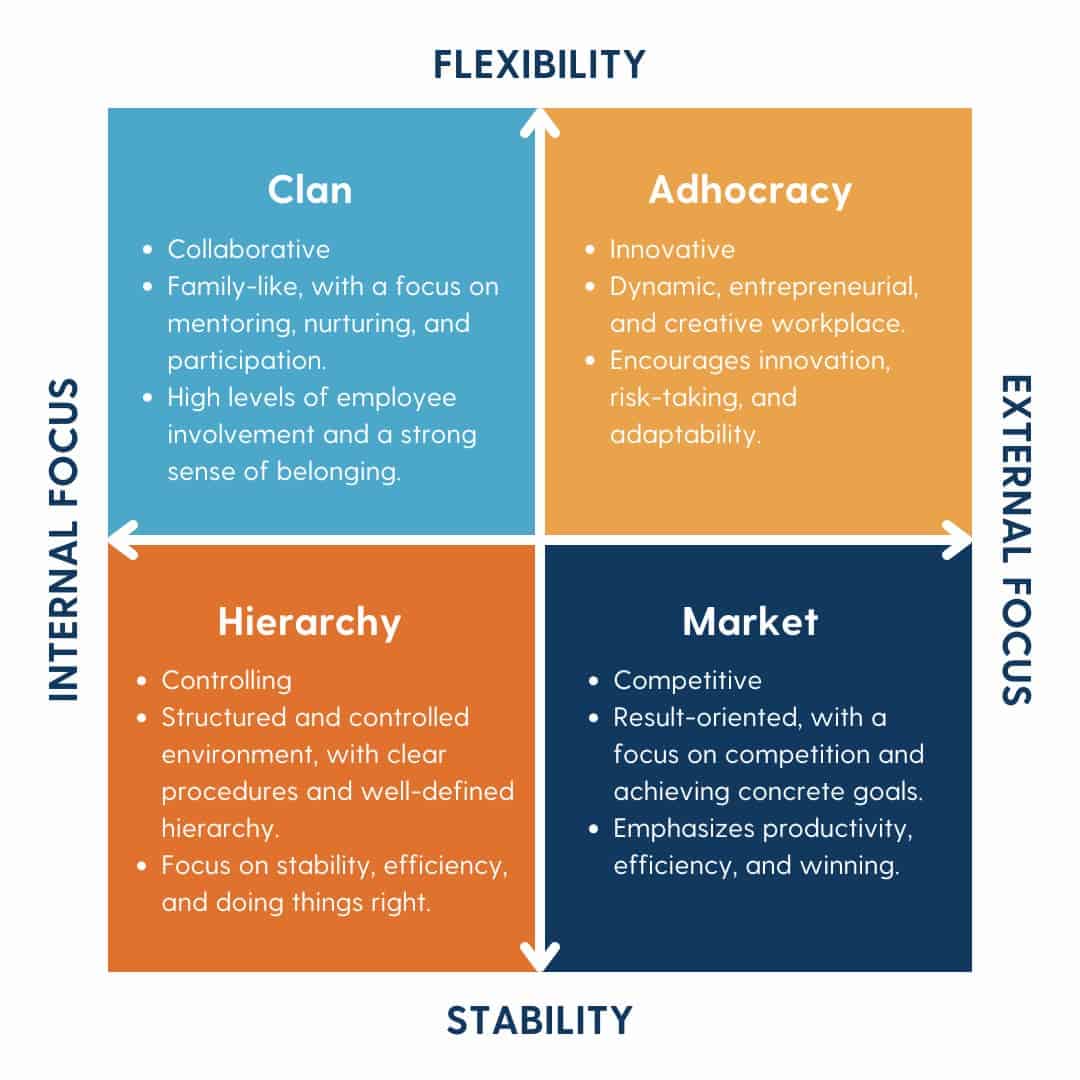
- Kim Cameron and Robert Quinn: Developers of the Competing Values Framework, which categorizes organizational cultures into four types: Clan, Adhocracy, Market, and Hierarchy. Their work helps organizations understand their cultural strengths and areas for development.
- Patrick Lencioni: Known for his work on team dynamics and organizational health, Lencioni’s book, The Five Dysfunctions of a Team, explores how culture impacts teamwork and overall organizational effectiveness.
- Charles Handy: Handy’s models of organizational culture, such as the Power Culture, Role Culture, Task Culture, and Person Culture, offer valuable insights into different cultural typologies and their implications for organizations.
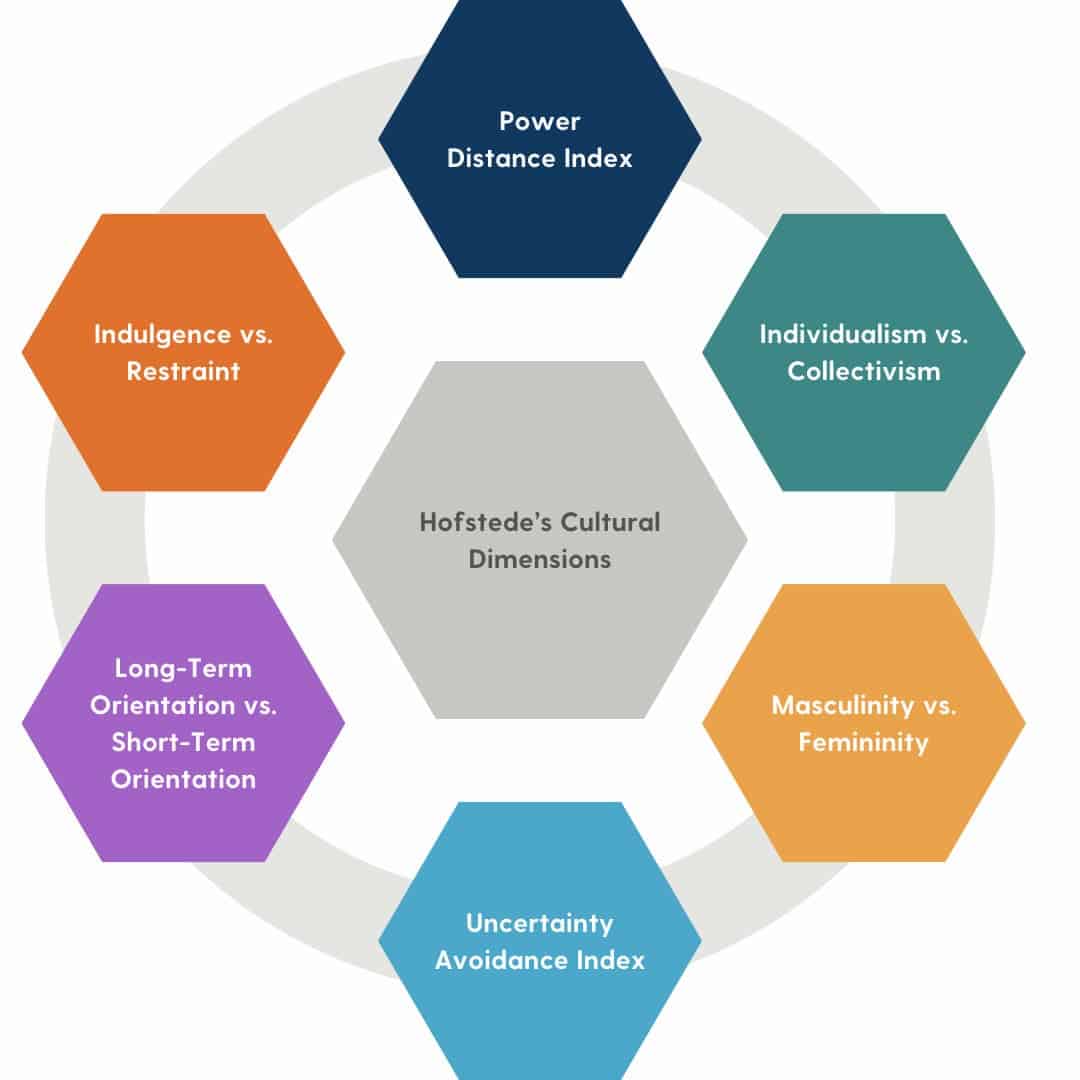
- Geert Hofstede: Hofstede’s research on national and organizational culture differences has been highly influential. His cultural dimensions theory provides a framework for understanding how cultural values influence behavior in a global context.
- Gary Hamel: prominent business strategist, Hamel has written extensively on innovation, management, and culture. His works, including The Future of Management, emphasize the need for adaptable and innovative organizational cultures.
- Brené Brown: A researcher and professor, Brown’s research on vulnerability and courage has profound implications for organizational culture. Her work emphasizes that vulnerability is a strength that leads to more authentic connections, trust, and engagement within teams.
- Amy C. Edmondson: A scholar of leadership, teaming, and organizational learning, Edmondson’s work on psychological safety is highly relevant to organizational culture. Psychological safety is an environment where employees feel safe to take risks, make mistakes, and voice their opinions without fear of retribution.
Key Frameworks
Experts have developed key frameworks to understand, assess, and influence organizational culture. Here are some of the most influential frameworks:
- Edgar Schein’s Model of Organizational Culture: Schein’s model breaks down culture into three levels: artifacts (visible organizational structures and processes), espoused values (strategies, goals, and philosophies), and basic underlying assumptions (unconscious, taken-for-granted beliefs and values).
- Denison Organizational Culture Model: This model identifies four key cultural traits that correlate with organizational performance: mission, adaptability, involvement, and consistency.
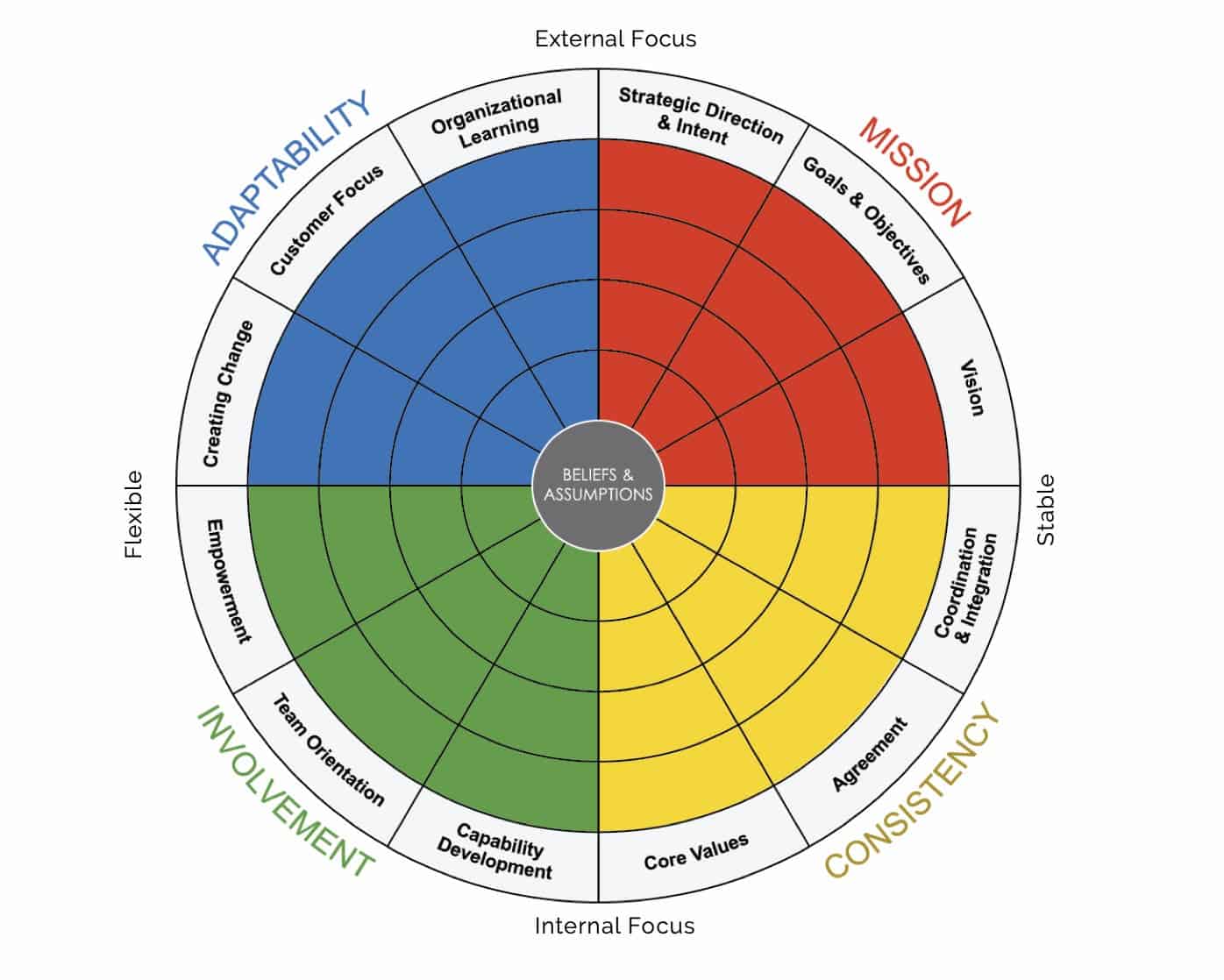
Image Source: http://denisonconsulting.com/wp-content/uploads/2019/08/introduction-to-the-denison-model.pdf
- Competing Values Framework (Cameron and Quinn): The framework categorizes organizational cultures into four types: Clan (collaborative), Adhocracy (innovative), Market (competitive), and Hierarchy (controlled).
- Hofstede’s Cultural Dimensions Theory: This framework assesses organizational and national cultures based on six dimensions: power distance, individualism vs. collectivism, masculinity vs. femininity, uncertainty avoidance, long-term vs. short-term orientation, and indulgence vs. restraint.
- Johnson and Scholes’ Cultural Web: This framework identifies six elements that constitute an organization’s cultural web: stories, rituals and routines, symbols, organizational structures, control systems, and power structures.


Culture in Leadership
Leadership and management play critical roles in establishing and shaping organizational culture. Specifically, leaders and managers:
- Establish the organization’s tone through their actions, decisions, and behaviors.
- Serve as role models for desired behaviors and values. Employees are more likely to follow when leaders embody the organization’s values and demonstrate behaviors aligned with the desired culture.
- Communicate the organization’s mission, vision, and values clearly and consistently.
- Make decisions that impact the organization’s culture, such as hiring and promoting employees who embody the desired values, or implementing policies and practices that reinforce cultural norms.
- Involve employees in decision-making, encourage their input and feedback, and delegate responsibilities, fostering a sense of ownership and commitment to the culture.
- Recognize and reward behaviors that align with the desired culture.
- Identify and celebrate accurate cultural representations or actions, ensuring reward systems align with cultural values.
- Uphold cultural norms and hold employees accountable for their behavior. Consistently addressing deviations from the desired culture and providing feedback helps maintain integrity and reinforces expectations.
- Assess the evolving organizational culture to ensure it remains aligned with its goals, values, and external environment.
To learn more, check out Dr. Hayley Lewis’s Sketchnote, depicting the six ways in which leaders embed and transmit culture, based on Edgar Schein’s book Organizational Culture and Leadership.

In conclusion, organizational culture is a multifaceted aspect of the workplace, encompassing values, beliefs, behaviors, and norms that shape the environment and influence employee attitudes and actions. Effective leadership and management are key in establishing and fostering a positive organizational culture that aligns with the organization’s mission, values, and strategic goals. But, even if you’re not a manager, recognizing the importance of culture and actively shaping it will impact your organization, leading to greater engagement, innovation, and long-term success.
Other Resources
