



Do you find yourself waiting for recognition at work, hoping your efforts will be noticed without your having to say a word? If so, you’re not alone. Many employees believe hard work should speak for itself, but in modern competitive work environments, silence can often lead to your being overlooked. This is where the art of self-advocacy comes in. While it can sometimes feel like tooting your own horn, it is a necessary skill to develop, as it will help ensure your contributions are seen and valued while steering your career in the direction you want. Learning to advocate for yourself effectively is crucial for professional growth, regardless of your position, role, or industry.

Image used under license from Shutterstock.com
What is Self-Advocacy?
Self-advocacy is the ability to represent and assert one’s own interests, needs, and rights in various situations, particularly in personal and professional contexts. It involves understanding one’s values, expressing one’s thoughts and feelings clearly, and taking responsibility for one’s choices and actions.
To advocate for yourself:
- Know your value: Understand your strengths, skills, experience and accomplishments. Be clear about how your work contributes to your team or company. This helps you confidently present your value during conversations about promotions, raises, or new opportunities. It will also help you overcome ‘imposter syndrome’ if that’s a challenge for you.
- Communicate clearly and assertively: Use clear, direct language to express your needs, goals, or ideas. Being assertive, rather than passive or aggressive, helps you stand up for yourself while maintaining professionalism.
- Request feedback regularly: Seek feedback from supervisors and colleagues to gauge how your work is perceived. Use this input to improve, adjust your approach if needed, and reinforce your strengths.
- Document your achievements: Track your successes, both big and small. Maintaining a record of your accomplishments will give you concrete evidence to support your self-advocacy during performance reviews or when asking for new opportunities.
- Build your relationships and network: Cultivate strong relationships with colleagues, mentors, and supervisors. A solid network can provide support and visibility within the organization, helping you advocate for yourself when needed.
- Set clear career goals, and make them known: Know what you want in your career, whether that’s a promotion, new responsibilities, or skill development. A clear vision allows you to advocate for opportunities aligning with your professional aspirations. Once you have that, share your aspirations with your manager, HR, mentors, and others in your network who may be able to help you achieve what you’re seeking.
- Speak up in meetings: Share your ideas and opinions in meetings, even if you’re unsure how they’ll be received. Demonstrating your insights and initiative shows you’re engaged and invested in your team’s success.
- Negotiate for what you need: Don’t avoid negotiating for better compensation, work conditions, or resources. Know what you deserve and present your case confidently, backed by evidence of your value.
- Take on leadership opportunities: Volunteer for projects, committees, or initiatives that showcase your leadership abilities. Proactively taking on responsibilities showcases your ambition and competence, making it easier to advocate for yourself later.
- Manage your personal brand: Ensure that others perceive you as capable and reliable. This includes excelling in your work and maintaining professionalism and a positive attitude, both of which strengthen your self-advocacy efforts. If you need help developing your personal brand, we offer a course designed to help you create, communicate, and manage a personal brand that describes your unique value.
At PathWise, we believe self-advocacy is key for your success. If you’d like to learn more about how to advocate for yourself, check out our core beliefs page. Remember, learning how to ask for what you want will make it more likely that you actually get what you want.

Image used under license from Shutterstock.com
Thought Leaders
Here are some thought leaders known for their work in self-advocacy or related fields, such as personal development, empowerment, and professional growth:
- Sheryl Sandberg: The former COO of Meta and author of Lean In, she encourages women and individuals in the workplace to assert themselves and advocate for their career advancement.
- Adam Grant: An organizational psychologist and author who explores topics like motivation, success, and workplace dynamics, his work encourages individuals to advocate for themselves and others in professional settings.
- Kim Scott: The author of Radical Candor, she emphasizes the importance of open communication and self-advocacy in leadership and teamwork.
- Tina Roth Eisenberg: Also known as Swiss Miss, she is a designer and entrepreneur who advocates for creative professionals to speak up about their needs and ideas in the workplace.
- Michelle Obama: The former First Lady and author of Becoming, she speaks about the importance of self-advocacy, empowerment, and resilience, particularly for women and marginalized groups.
- Marie Forleo: An entrepreneur and author who focuses on personal development and business skills, she encourages individuals to take charge of their careers and advocate for themselves effectively.
- Dorie Clark: A marketing strategist and author of books such as Reinventing You, she provides insights into personal branding and self-advocacy in professional contexts.

Image used under license from Shutterstock.com
Key Frameworks
Several well-known models and frameworks that can promote self-advocacy, especially in the context of career development, leadership, and personal growth, include:
- The Assertiveness Model: This framework proposes that the balance between passive and aggressive communication leads to assertiveness, which is key to self-advocacy. Assertiveness helps individuals express their needs, desires, and boundaries clearly and confidently.
- Radical Candor Framework: This model encourages individuals to Challenge Directly while Caring Personally. Radical Candor is highly relevant to self-advocacy as it helps people speak up for themselves, provide honest feedback, and foster better professional relationships.

- The GROW Model: This coaching framework stands for Goal, Reality, Options, and Will. It is often used for personal and career development and can guide individuals in advocating for themselves by helping clarify their goals and taking actionable steps.
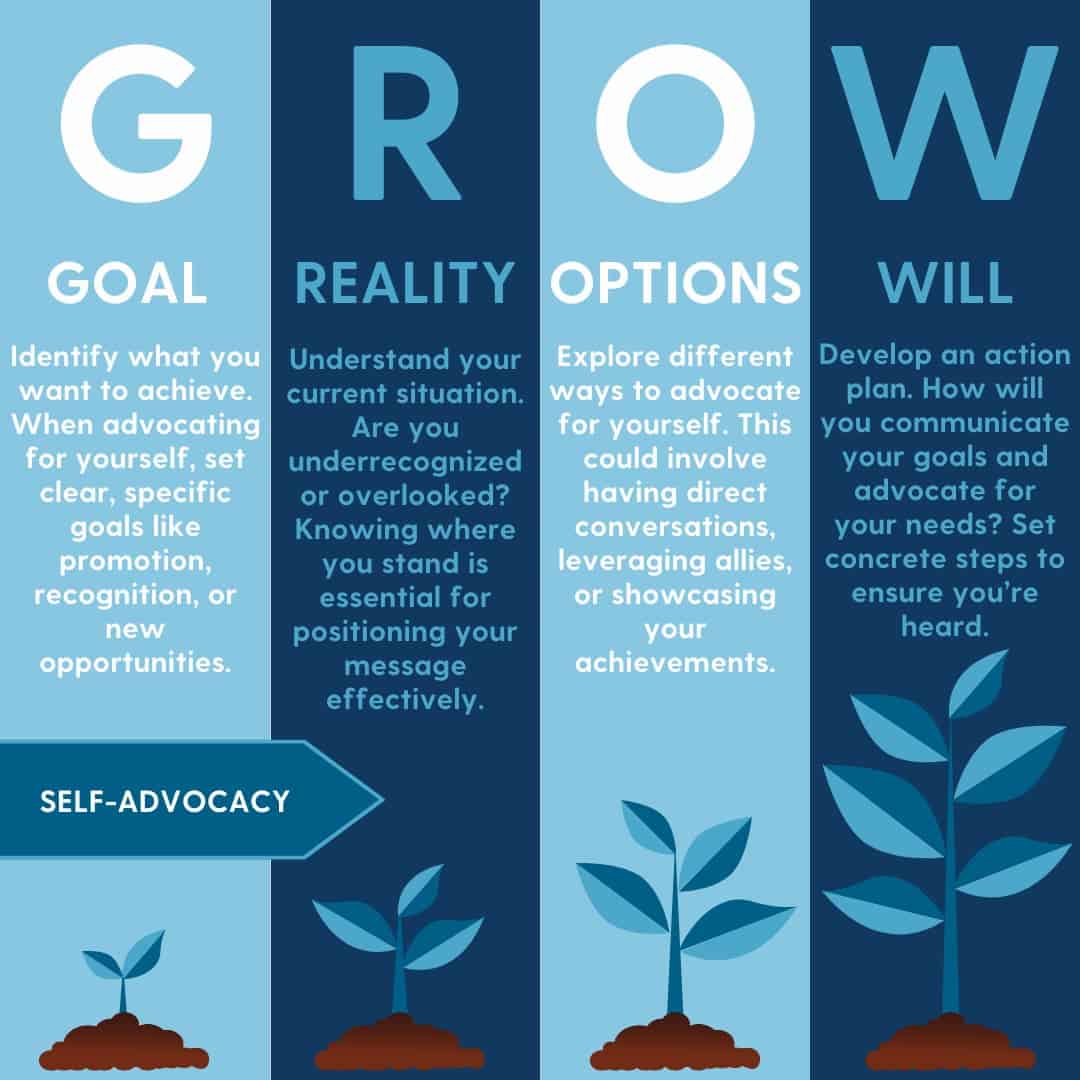
- The 7 Habits of Highly Effective People: Covey’s habit-based framework includes Be Proactive and Seek First to Understand, Then to Be Understood, both essential for self-advocacy. Being proactive empowers individuals to take control of their actions and advocate for their needs
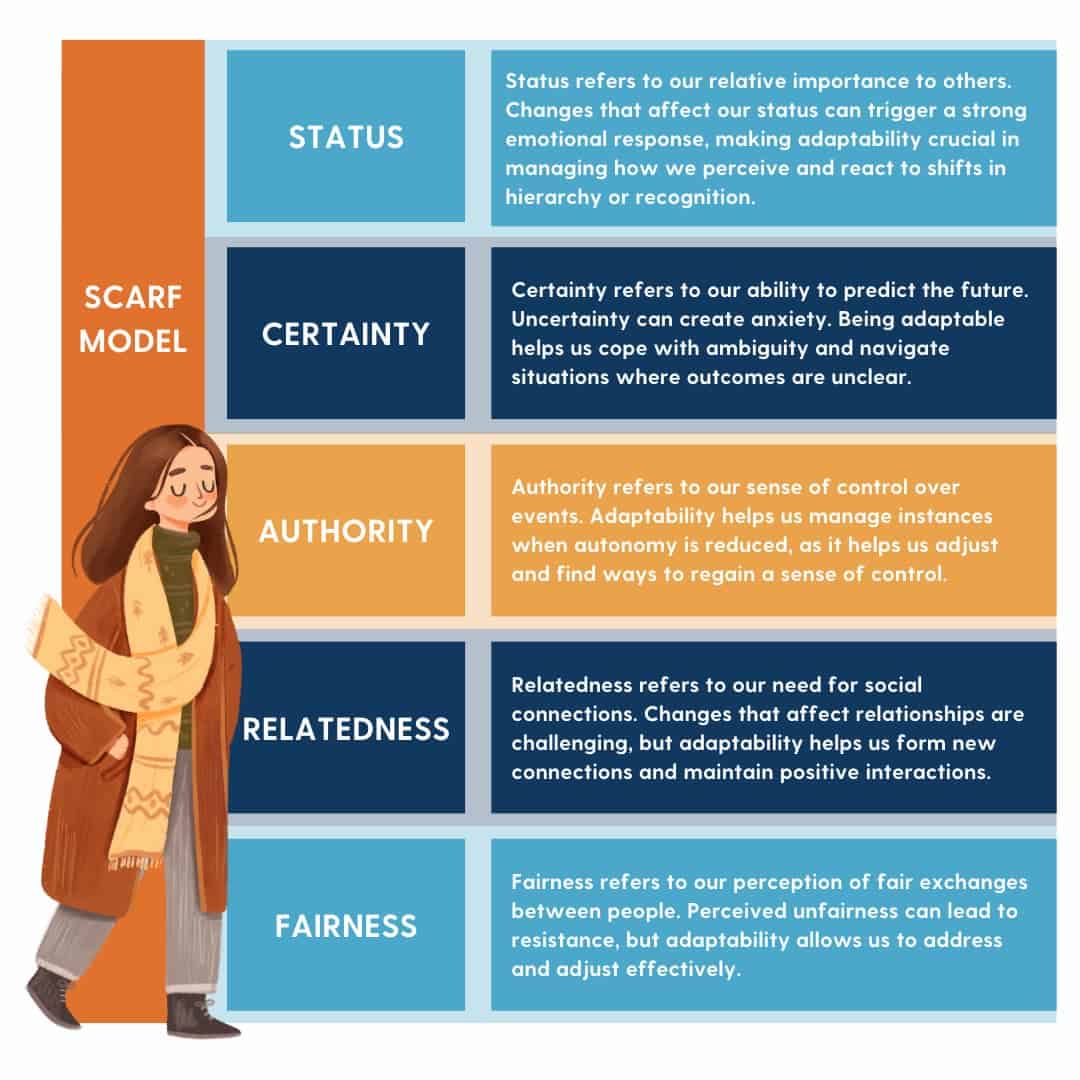
- The SCARF Model: This framework outlines five domains that influence human behavior in social situations: Status, Certainty, Autonomy, Relatedness, and Fairness. In self-advocacy, understanding how these domains impact you can help you structure your advocacy to maximize positive responses from others.


Self-Advocacy in Leadership
Self-advocacy is crucial for managers looking to enhance their leadership capabilities. Here’s how it contributes to their effectiveness as leaders:
- Modeling confidence: When managers advocate for themselves, they model confidence and assertiveness for their teams. This behavior encourages employees to do the same, fostering a culture of openness and self-expression.
- Clear communication: Self-advocacy requires articulating needs, goals, and boundaries clearly. Managers who practice this skill are better communicators and are able to convey expectations and feedback effectively, which enhances team collaboration.
- Building trust: Managers demonstrate integrity and authenticity by advocating for themselves and their teams. This, in turn, builds trust, as employees feel secure knowing their manager stands up for their needs and interests.
- Encouraging employee advocacy: Managers who practice self-advocacy are more likely to encourage their team members to advocate for themselves. This empowerment increases engagement, job satisfaction, and overall team morale.
- Enhanced decision-making: Self-advocacy involves understanding our own values and priorities. Managers who are clear about their goals and assert their needs are better informed to make sound decisions that align with both personal and organizational objectives.
- Conflict resolution: Managers who advocate for themselves better address conflicts and negotiate solutions. This skill is vital in navigating workplace challenges and fostering a harmonious work environment.
- Personal growth and development: Self-advocacy helps managers identify areas for their own growth and development. They can continually improve their leadership skills by actively seeking feedback and pursuing opportunities for advancement.

Image used under license from Shutterstock.com
Self-Advocacy in Personal Development
Self-advocacy is a vital component of personal development that empowers us to take charge of our lives. By understanding our values, communicating our needs, and setting clear goals, we can foster a sense of agency that permeates all areas of our lives. As we cultivate self-advocacy, we enhance our professional trajectories while building confidence and a deeper understanding of our professional selves.
Advocating for oneself is an ongoing journey that involves self-reflection, courage, and a commitment to growth. As such, we must embrace the opportunities to speak up for our needs and aspirations to pave the way for a fulfilling and empowered career journey.
Other Resources
- PathWise Book Summary: Supercommunicators
- PathWise Book Summary: Radical Candor
- TED Talk: How To Speak Up for Yourself by Adam Galinsky
- HBR: Be Your Own Best Advocate
- HBR: Aks an Expert – How Do I Advocate for Myself at Work?
- HBR: How to Self-Promote
- Forbes: Self-Advocacy is Critical to Seeking Workplace Accommodations
