


Imagine a rowing team in perfect harmony, each member’s strokes synchronized with the others, propelling the boat forward with speed and precision. Now imagine a team where one rower pulls too fast, another too slow, and a third barely at all. The difference? One team understands the power of unity and collaboration, while the other struggles to align. In the workplace, the same dynamics can make or break an organization’s success. But what defines a strong team, and why is it so important to get it right?

What Defines Strong Teams?
A strong team in the workplace is characterized by its ability to work cohesively towards shared goals while leveraging individual strengths and maintaining high levels of collaboration, trust, and engagement. Strong teams deliver great results and create a positive, supportive environment where individuals can thrive professionally and personally.
Key defining traits of strong teams include:
- Clear Purpose and Goals: A strong team has a shared understanding of its mission and objectives.
- Trust and Psychological Safety: Team members feel safe to express ideas, take risks, and admit mistakes without fear of judgment or retribution. This trust, in turn, fosters open communication and encourages problem-solving.
- Diverse Skills and Perspectives: A strong team values diversity in backgrounds, skills, and viewpoints. Members complement each other’s strengths and compensate for weaknesses, leading to better decision-making and innovation.
- Effective Communication: Strong teams foster transparent, respectful, and active communication, where members actively listen, provide constructive feedback, and ensure that everyone’s voice is heard.
- Strong Leadership: In great teams, there are usually great leaders who provide a shared vision, guidance, and support without micromanaging. A strong leader empowers team members, fosters collaboration, and navigates conflicts constructively.
- Shared Accountability: Team members hold themselves and each other accountable for performance and deliverables. Responsibility for outcomes is collective, not individual, promoting mutual support and collaboration.
- Conflict Resolution Skills: In strong teams, conflicts are approached constructively and viewed as opportunities for growth and better understanding. The focus is on resolving issues rather than assigning blame.
- Continuous Improvement: Strong teams regularly assess their performance and identify areas for growth. They seek feedback, learn from successes and failures, and strive to optimize processes and relationships.

Image used under license from Shutterstock.com
Thought Leaders
Several thought leaders have significantly contributed to understanding what makes a strong team in the workplace. Here are some notable figures and their key contributions:
- Amy Edmondson: A Harvard Business School professor specializing in psychological safety, she is the author of The Fearless Organization, which highlights how creating safe environments fosters team innovation and learning.
- Patrick Lencioni: A leadership consultant and author of The Five Dysfunctions of a Team, he offers frameworks for overcoming team challenges and building trust and collaboration.
- Daniel Coyle: Author of The Culture Code, he explores how great teams build trust, communicate effectively, and achieve outstanding results.
- Simon Sinek: A leadership expert and author of Leaders Eat Last, he often emphasizes the importance of trust, empathy, and a circle of safety for strong teams.
- Kim Scott: Author of Radical Candor, she offers a framework that explains how the balance of care and directness improves communication and collaboration within teams.
- Edgar Schein: An organizational psychologist known for his work on organizational culture and leadership, he often examines the role of culture in team dynamics and success.
- Richard Hackman: Pioneer in team effectiveness research, he identified conditions like compelling direction, strong structure, and supportive context that drive team success.
- Liz Wiseman: A researcher, executive advisor, and author of Multipliers, she identifies how great leaders multiply their team’s potential and encourage growth rather than dictating solutions.

Image used under license from Shutterstock.com
Key Frameworks
The following are some key frameworks for building and maintaining strong teams in the workplace:
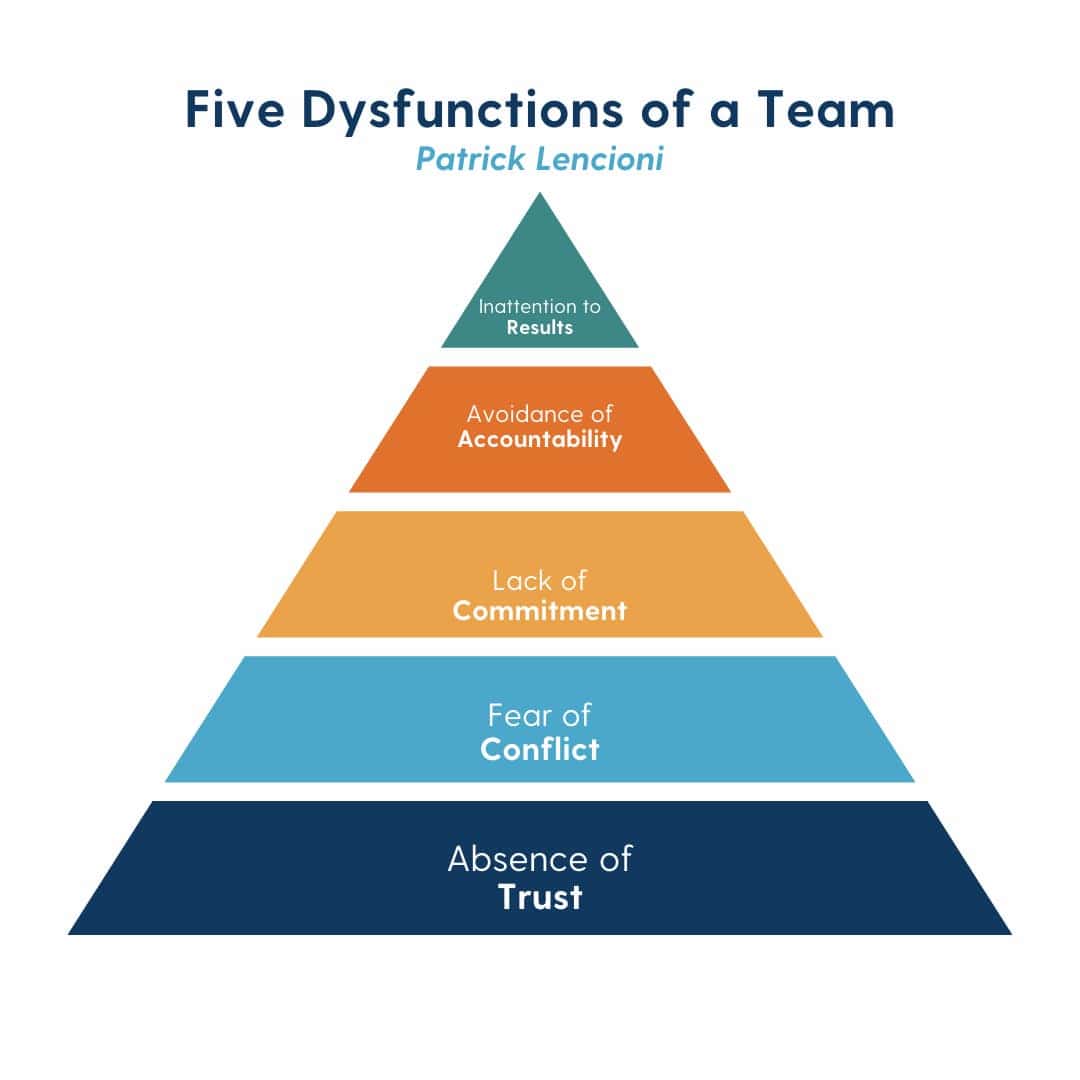
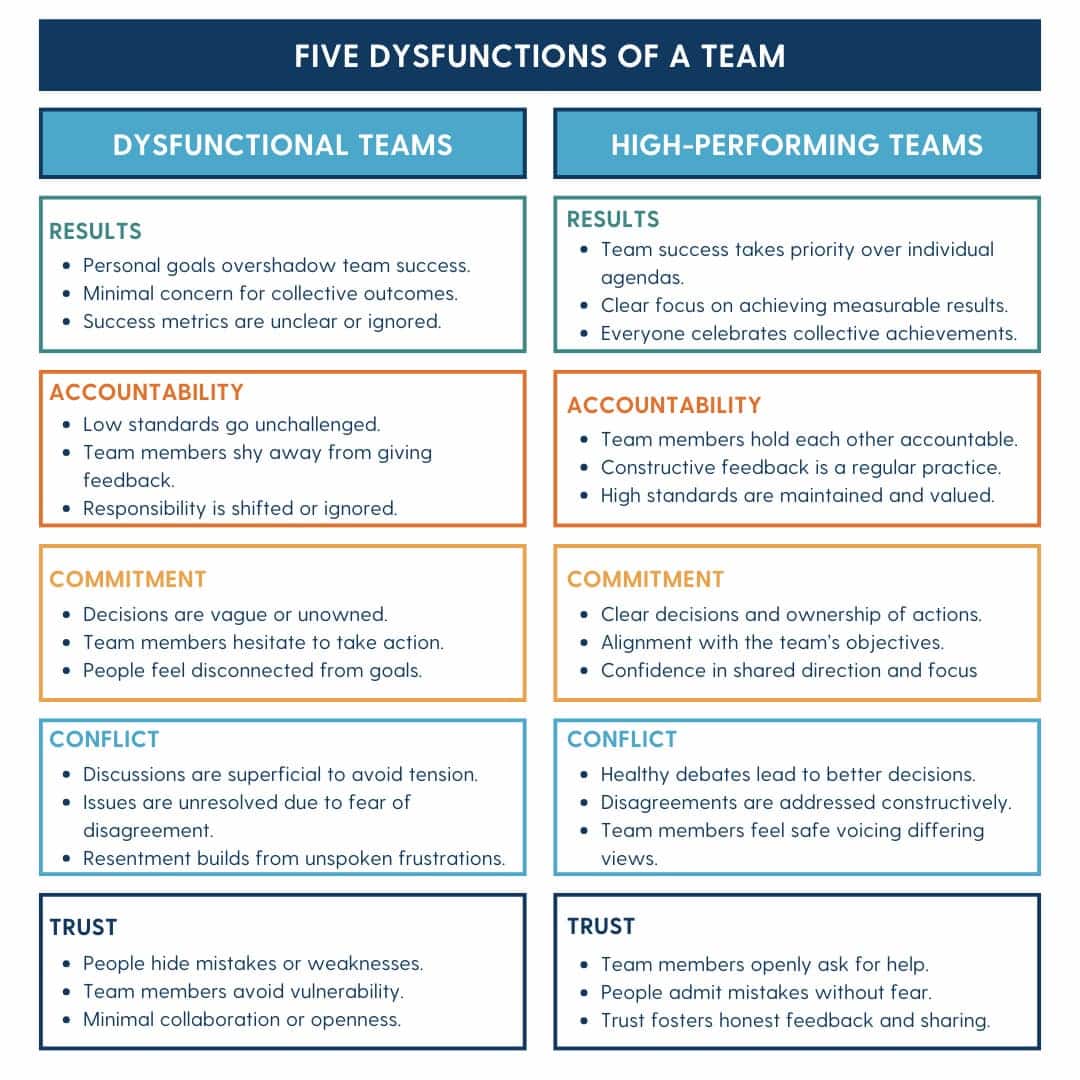
- The Five Dysfunctions of a Team: Developed by Patrick Lencioni, this framework proposes that teams fail due to the following dysfunctions: absence of trust, fear of conflict, lack of commitment, avoidance of accountability, and inattention to results. It also provides actionable steps to address these dysfunctions and create high-performing teams.
- The Team Effectiveness Model: Created by J. Richard Hackman, this model argues that effective teams require three core conditions: a compelling direction, an enabling team structure, and a supportive organizational context, emphasizing the importance of design and environment in team success.
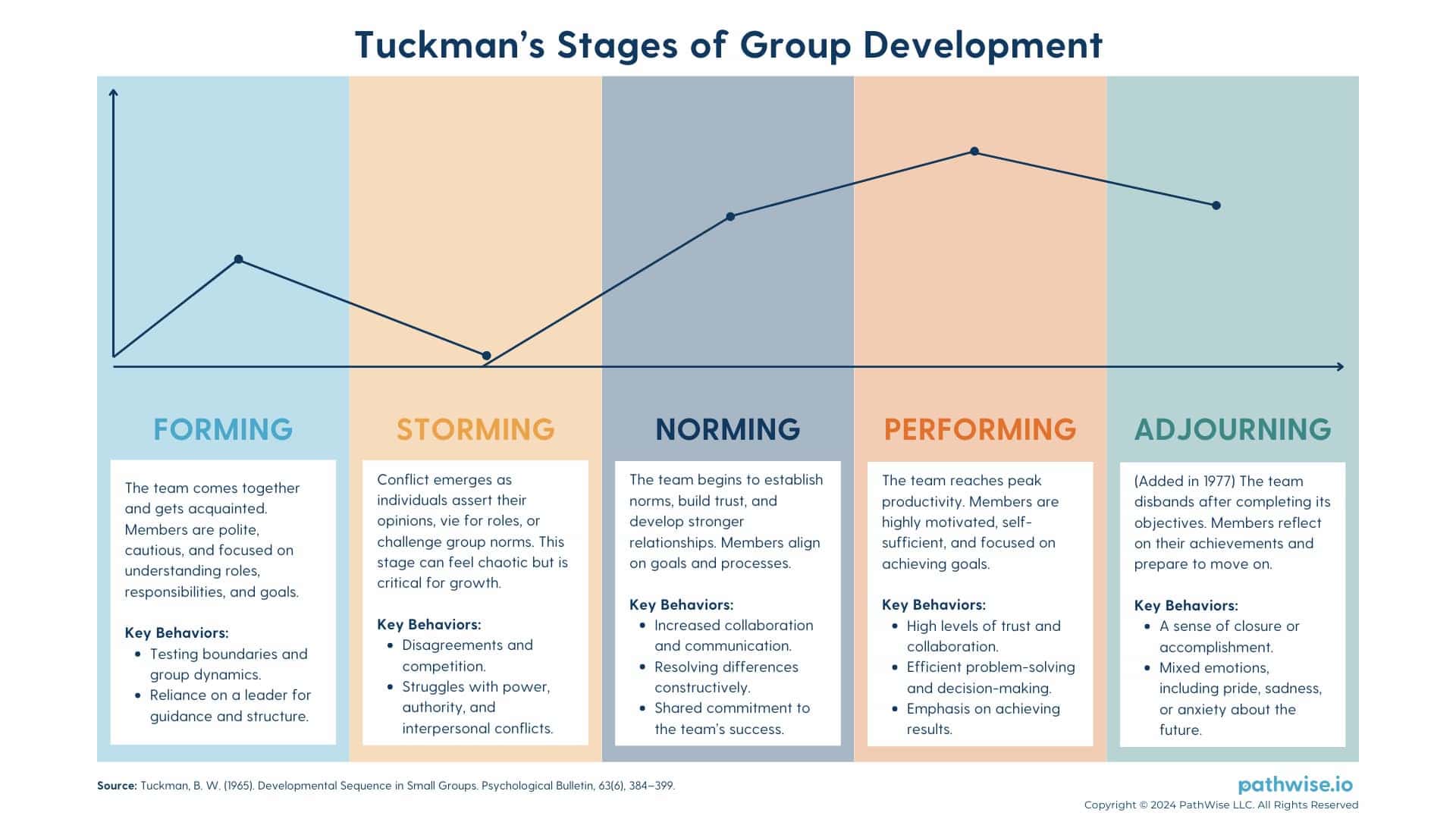
- Tuckman’s Stages of Group Development:This framework proposes that teams go through five stages: forming, storming, norming, performing, and adjourning. It helps teams understand and navigate developmental phases to reach peak performance.
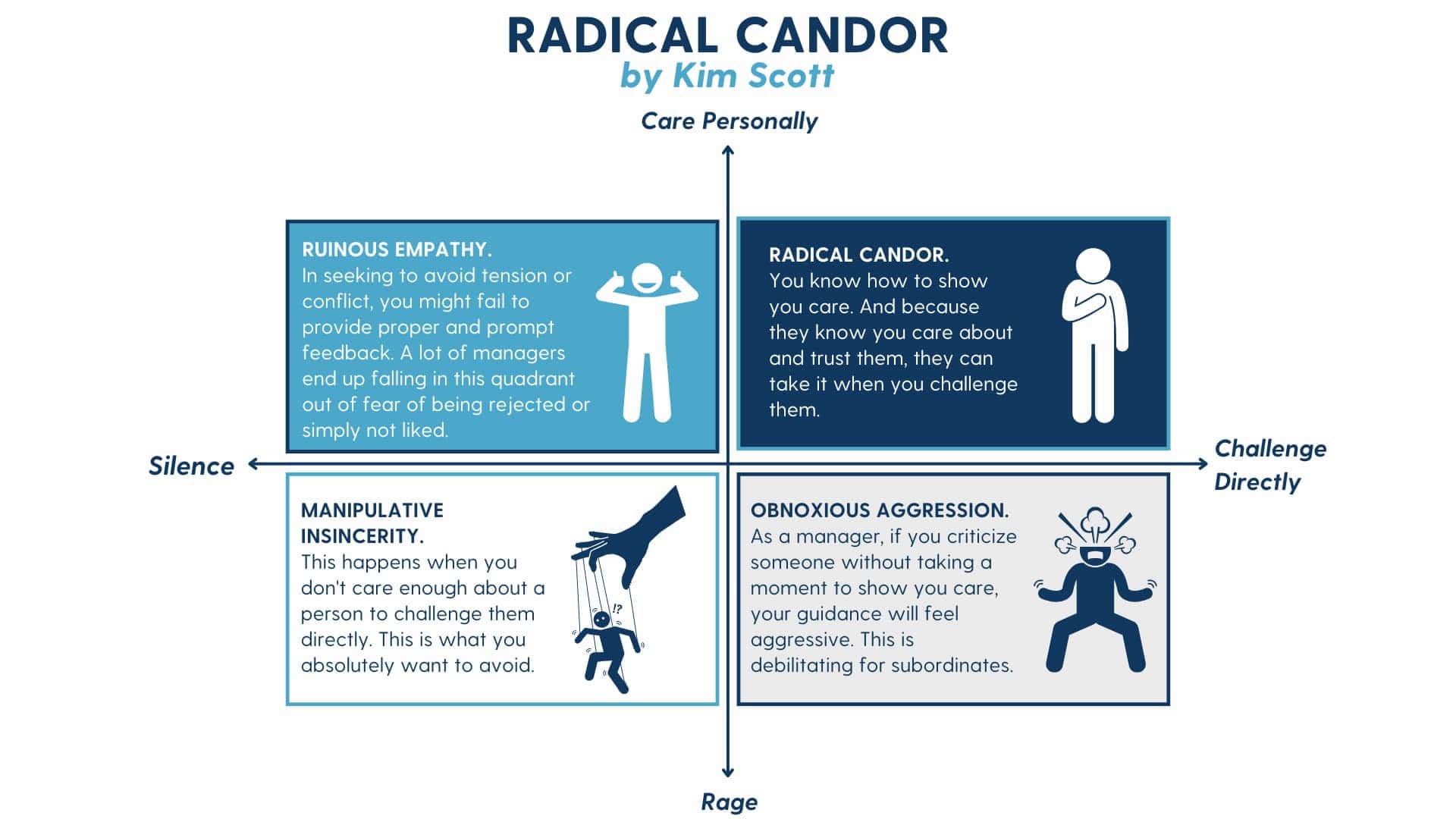
- Radical Candor: Developed by Kim Scott, this framework argues that effective teamwork relies on balancing caring personally with challenging directly to foster honest communication (or radical/compassionate candor). This model encourages fostering a feedback culture that enhances team dynamics and professional growth.
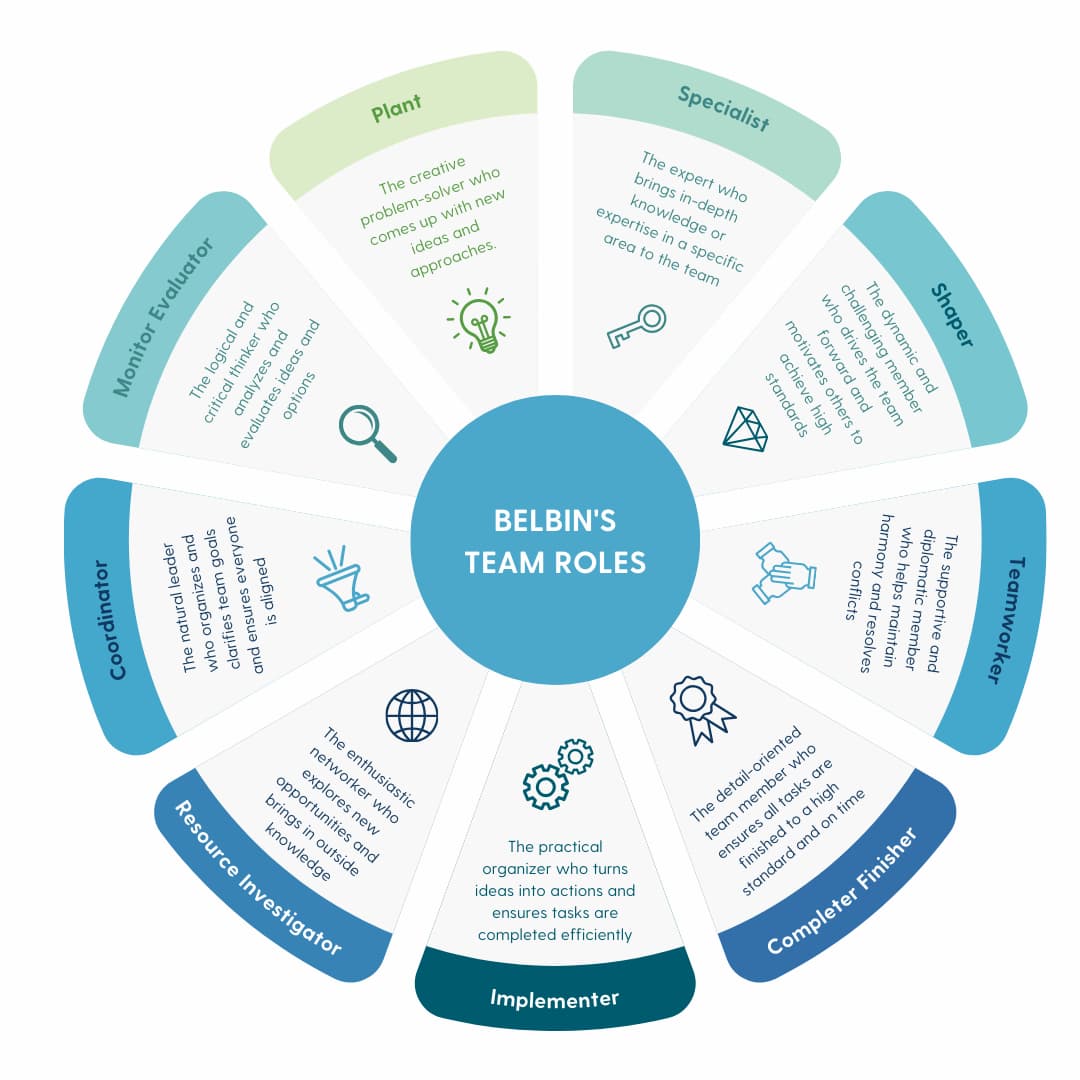
- Belbin Team Roles: This model proposes that teams succeed when members take on complementary roles, such as coordinator, implementer, or innovator, aligning with their strengths. It helps identify and leverage individual contributions to optimize team performance.
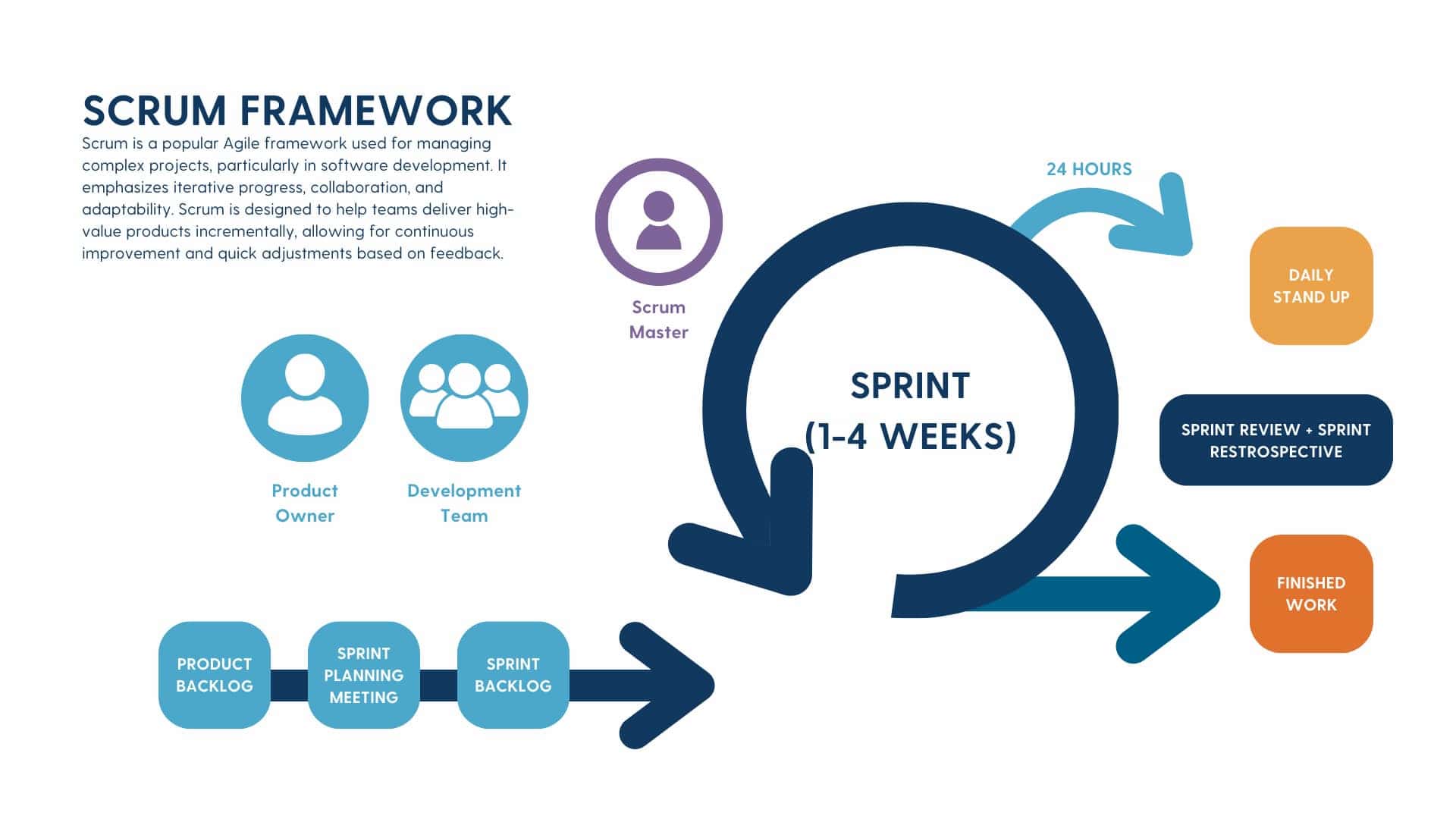
- Scrum Framework: This framework promotes adaptability, communication, and efficiency in team workflows to achieve a given goal. It’s an agile methodology framework comprising the principles of iterative development, empirical process control, self-organization, collaboration, value-based prioritization, and time boxing.
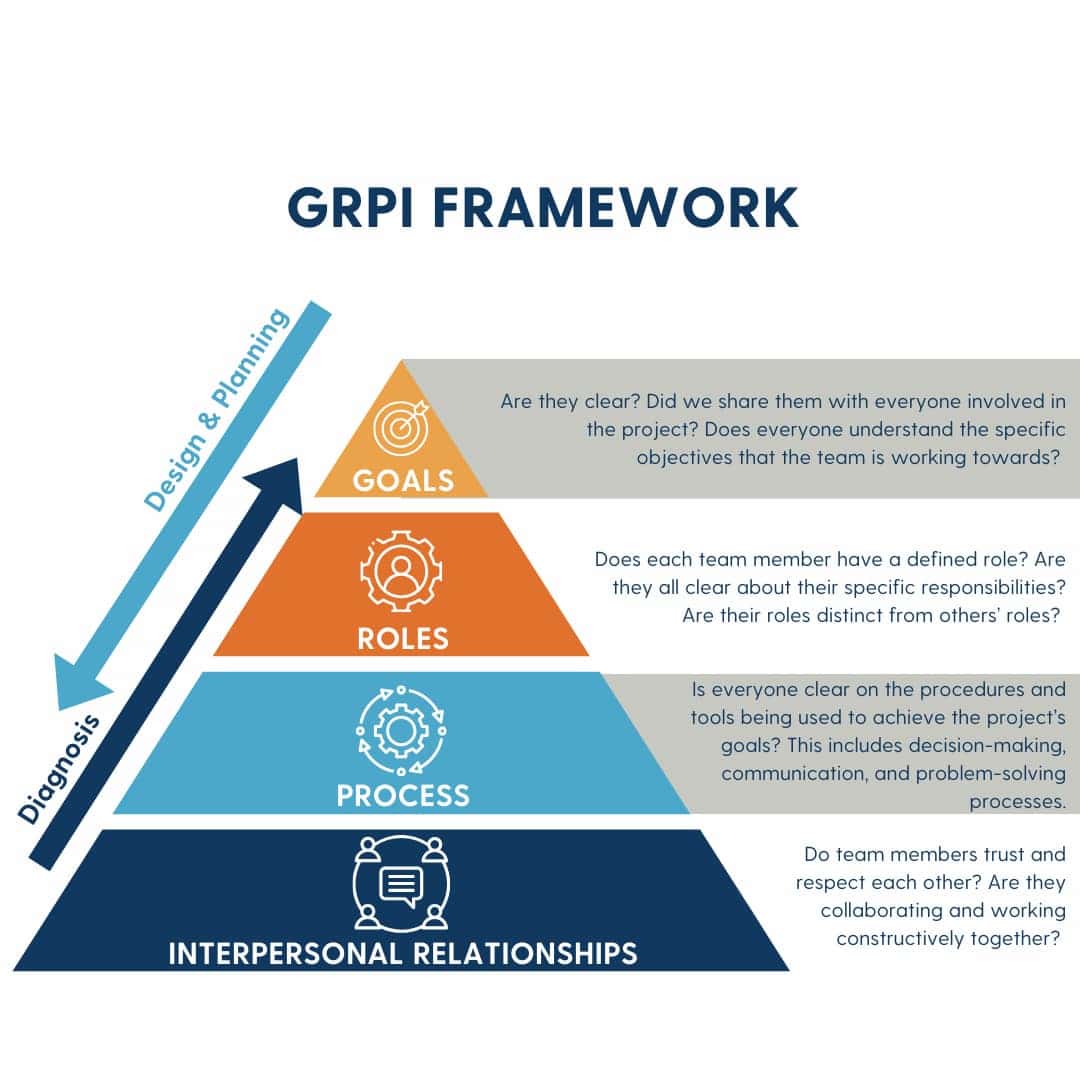
- The GRPI Model (Goals, Roles, Processes, Interpersonal Relationships): This model argues that effective teams align on clear goals, defined roles, efficient processes, and strong relationships. It also provides a diagnostic tool to address team misalignment and dysfunction.


The Relationship Between Leadership and Strong Teams
Leadership and strong teams are closely interconnected, with effective leadership being both a driver and a result of strong teams. That is, leadership and strong teams are symbiotic. Great leaders cultivate strong teams, and strong teams provide the foundation for leaders to succeed, creating a cycle of mutual reinforcement and continuous growth. Specifically,
- Leadership Shapes Team Dynamics: Leaders set a clear purpose and goals for the team, ensuring alignment and focus. They also play a key role in establishing the values and norms that define how team members interact, collaborate, and handle challenges.
- Leadership Fosters Trust and Psychological Safety: Leaders who show caring and understanding create an environment where team members feel valued. Also, leaders who model vulnerability encourage others to express themselves and take risks.
- Leadership Promotes Accountability and Motivation: Strong leaders clearly define roles and responsibilities, holding team members accountable for their contributions. They acknowledge and reward efforts, boosting morale and motivation.
- Leadership Resolves Conflicts: Leaders play a crucial role in addressing disagreements constructively, ensuring conflicts don’t derail the team’s progress. They also create a culture of mutual respect and problem-solving.
- Leadership Builds Capabilities: Strong leaders invest time in coaching, mentoring, and training team members to enhance their skills. By providing resources and freedom, leaders enable teams to experiment and grow.
- Leadership is Reinforced by the Team: Strong teams provide valuable feedback to leaders, helping them improve and adapt their approaches. In strong teams, leadership is often distributed, with different members stepping up in areas of expertise, which enhances collective strength.
- Leadership Aligns Individual and Team Goals: Leaders help individuals see how their work contributes to broader objectives, fostering engagement. They manage the equilibrium between organizational priorities and individual well-being.

Image used under license from Shutterstock.com
The Role of Strong Teams in Professional Development
Teamwork impacts professional development by fostering an environment where individuals can learn, grow, and refine their skills in collaboration with others. Working within a team exposes individuals to diverse perspectives, problem-solving approaches, and communication styles, which broadens their understanding and adaptability. As team members collaborate to achieve shared goals, they often acquire new technical and interpersonal skills, such as negotiation, conflict resolution, and critical thinking, that enhance their professional toolkit.
Additionally, effective teamwork provides opportunities for individuals to receive constructive feedback and mentorship from peers and leaders, enabling them to identify areas for improvement and build on their strengths. Team dynamics also encourage accountability and mutual support, pushing individuals to meet higher standards and strive for excellence. Through collaboration, individuals can take on new challenges, stretch beyond their comfort zones, and develop confidence in their abilities, laying the groundwork for sustained professional growth.

Image used under license from Shutterstock.com
Conclusion
Strong teams are built through trust, purpose, and shared commitment. Whether you’re a leader cultivating collaboration or a team member contributing your unique strengths, you play a part in making your team a strong one.
Other Resources
- PathWise Book Summary: The Fearless Organization by Amy C. Edmondson
- PathWise Book Summary: Multipliers by Liz Wiseman
- PathWise Book Summary: Radical Candor by Kim Scott
- HBR: What Makes Some Teams High-Performing?
- HBR: How High-Performing Teams Build Trust
- Forbes: The Five Traits of Highly Effective Teams
- TED Talk: How to turn a group of strangers into a team
