
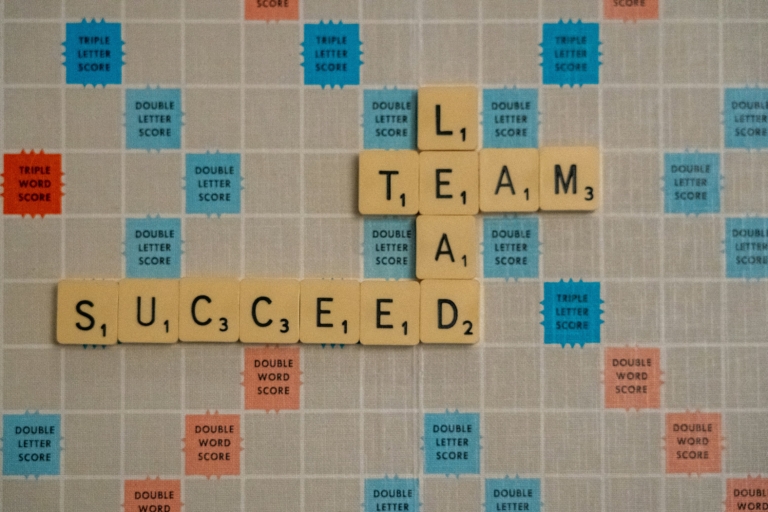
The short leader and leadership definition is this. A leader is a person who guides others and answers for results. Leadership is the process of setting a direction and earning commitment to it.
A leader is a role someone holds. Leadership is something a group does. A title alone does not create it.
Leadership Defined: A Social Process, Not a Title
The Center for Creative Leadership (CCL) defines leadership as “a social process that enables individuals to work together to achieve results that they could never achieve working alone.” The definition says this holds regardless of position. Leadership is not a personality type or a rank.
CCL describes three outcomes, the direction, alignment and commitment (DAC) model:
- Direction: the group agrees on where it is going.
- Alignment: the work is coordinated so that individual efforts fit together.
- Commitment: people treat the group’s success as a personal priority.
When all three are present, leadership is happening. When one is missing, the team feels it. A group with direction but no commitment drifts. A group with commitment but no alignment works hard in different directions.
What Is a Leader? Meaning and Definition
A leader is a person others look to for direction, judgment and accountability. Where that trust comes from matters. Quarterdeck, a UK firm, separates authority that comes from a position from authority earned through competence and character. Good leaders build both.
Leaders come in three common forms:
- Formal leader: holds a role with authority, such as a team lead, director or chief executive.
- Informal leader: has no official authority, but colleagues seek out their advice and follow their example.
- Emergent leader: steps forward when a situation needs someone to take charge, then steps back.
Holding a role does not prove the person leads. A manager who assigns tasks but never clarifies where the team is heading is a leader on the org chart and absent in practice.
Leader vs. Leadership: What Is the Difference?
The difference between a leader and leadership comes down to who owns it. A leader is one person. Leadership belongs to the group and shows up in what people do together.
- Unit: a leader is an individual. Leadership is a pattern across several people.
- Source: a leader’s authority is usually granted by the organization. Leadership is earned each time the group moves in a shared direction.
- Durability: when a leader leaves, a role opens. When leadership is built into habits, it stays.
- Test: ask who the leader is, and you name a person. Ask where leadership is happening, and you describe decisions, handoffs and follow-through.
- Failure mode: a leader without leadership has a title and no direction. Leadership without a leader is a self-organizing group, sometimes called distributed leadership.
Any sound leader and leadership definition keeps the two apart. Searching for a better leader treats a capability problem as a hiring problem.
Leadership vs. Management
Management and leadership overlap, but they answer different needs. CCL describes management as planning and control, and leadership as people working together toward something they share. Most roles need both.
- Management: plans work, assigns resources, tracks progress and fixes problems.
- Leadership: clarifies direction, builds agreement and keeps people committed when the plan changes.
A team can be well managed and still lack leadership. Deadlines are met, yet nobody can say why the work matters. The mix shifts with seniority too. In the C-suite, executives lead an entire company through strategy, finance and culture, not one team’s task list.
Leadership Theories and Styles
Researchers have described leadership from many angles. Three theories show up most often, and a handful of styles round out the picture.
Transformational Leadership
Associated with the political scientist James MacGregor Burns, this approach has leaders lift motivation by tying everyday work to a bigger purpose. They coach people to grow, not only to comply. It fits teams facing major change.
Servant Leadership
Robert K. Greenleaf introduced the idea that a leader’s first job is serving the people they lead. The leader removes obstacles, shares credit and develops the team. Performance follows from growth and trust.
Situational Leadership
Paul Hersey and Ken Blanchard argued that no single style works everywhere. The leader adjusts how much direction and support to give based on the person’s skill and confidence with the task. A new hire needs more direction than a veteran.
Other Leadership Styles
- Authoritative: the leader decides and sets a clear course. It works in a crisis and wears thin over time.
- Democratic: the leader invites input before deciding. It builds buy-in and takes longer.
- Laissez-faire: the leader hands off and trusts skilled people. It fails when people need guidance.
- Authentic: the leader acts consistently with stated values, which builds credibility.
- Emotionally intelligent: the leader reads and manages emotions, their own and others’.
Styles are tools, not identities. The useful skill is choosing the right one for the moment.
Why the Leader vs. Leadership Distinction Matters for Companies
Most companies develop leaders. They promote a strong performer, hand over a team and send them to a course. That treats leadership as a title someone receives. The new manager has authority, but no practice setting direction or earning commitment.
Quarterdeck argues for developing leadership rather than just leaders, and for measuring leadership behaviors. CCL makes a related case: invest in leadership at all levels, grow teams together, and scale development across the organization. Both point the same way. Leadership is a capability a company builds, not a position it fills.
In practice, that changes four decisions:
- Promotion criteria: look for leadership behaviors people already show, such as running a cross-team project or unblocking a peer, not only tenure or technical results.
- Development scope: include senior individual contributors and team leads, not only people managers.
- Succession: if leadership lives in several people, one departure leaves a smaller gap.
- Measurement: track behaviors that show direction, alignment and commitment, not only completion of a program.
HR and L&D teams that want outside support can look at leadership coaching for companies, which covers 1:1 coaching and manager workshops.
How to Build Leadership Across a Team or Company
Use this five-step rollout to move from “we need better leaders” to “we need leadership everywhere.”
- Define it in behaviors. Write five or six observable behaviors, using direction, alignment and commitment as the frame. “Explains how this quarter’s goal connects to the company plan” is observable. “Shows vision” is not.
- Diagnose before you train. Run the team exercise below with three or four teams. The gaps show where to spend budget.
- Give practice, not only content. Assign real stretch work: lead a cross-team project, run a retrospective, own a rollout. Pair it with guidance on leading a team through change.
- Coach new managers early. The first year in a people role sets habits. Structured first-time manager coaching closes the gap between authority and skill.
- Measure behaviors. Add two or three behavior-based items to pulse surveys and 360 feedback. Review them when promotion decisions are made.
A 20-Minute Team Exercise
Ask each team member to answer three questions privately, then compare answers aloud. This is a PathWise adaptation of the DAC model, not a validated assessment.
- Direction: “In one sentence, where is this team going this quarter?”
- Alignment: “Which two handoffs slow us down most?”
- Commitment: “What would I give up to make the team’s goal succeed?”
Mismatched answers to the first question signal weak direction. Repeated handoff complaints signal weak alignment. Vague or defensive answers to the third signal weak commitment. Pick one gap and agree one fix.
Manager Checklist: Is There Leadership on Your Team?
- Can each person on the team state the goal in one sentence?
- Does the team decide anything without you in the room?
- Does a person without a title lead part of the work?
- Do people know whom to ask when priorities clash?
- Would the team keep moving for two weeks if you were away?
Two or more “no” answers mean you have a leader and not yet leadership.
Traits and Behaviors of Effective Leaders
Traits matter when they show up as behaviors. Seven appear most often, and each has a visible form:
- Vision: describes where the team is headed and why it matters.
- Communication: explains decisions and listens before responding. See the communication skills leaders rely on.
- Integrity: does what was promised and owns mistakes.
- Empathy: notices when someone is struggling and adjusts the workload or the support.
- Decisiveness: decides with incomplete information and explains the reasoning.
- Adaptability: changes course when facts change.
- Supportiveness: removes obstacles and gives credit.
For a longer breakdown, read the twenty leadership qualities that define a good leader.
How to Grow as a Leader
Leadership development begins with self-awareness, according to CCL, and it is tailored to the person. These six steps work for individuals at any level:
- Ask for specific feedback. Request one example of when you helped or hindered the team’s direction.
- Practice in small stakes. Lead a meeting, a pilot or a handoff before leading a department.
- Learn from people who lead well. Notice what they do in tense moments, then try one habit.
- Build emotional intelligence. Pause before reacting and name what the other person likely needs.
- Delegate with a purpose. Give others ownership of outcomes, not just tasks.
- Keep learning. Read, take courses and review your own decisions each quarter.
Leadership Is a Capability, Not a Title
A title tells people who is responsible. Leadership tells them where they are going. Companies that treat the two as one buy leaders and hope. Companies that separate them build habits and measures that outlast any single manager. The question to ask of any team is not “who is the leader?” but “is leadership happening here?”
How PathWise Helps Teams Build Leadership
PathWise supports HR and L&D teams that want to build leadership across managers, not only promote leaders. PathWise corporate programs include:
- Manager and leadership workshops: live sessions on manager skills, team communication and decision-making, in person or virtual, tailored to your teams.
- 1:1 leadership and management coaching: support for first-time managers, rising leaders and senior executives.
- Custom leadership development: multi-part learning journeys and manager tracks, plus a Manager Development Program.
If your team has leaders but not yet leadership, start with the exercise above and bring the results to a conversation about where a program should begin.
Works Cited
- McCauley, Cindy, and Lynn Fick-Cooper. “What Is Leadership? A Definition Based on Research,” Center for Creative Leadership, March 15, 2026. https://www.ccl.org/articles/leading-effectively-articles/what-is-leadership-a-definition/
- Bouttell, Laura, Quarterdeck, “Leadership vs Leader: Understanding the Crucial Distinction,” Quarterdeck, December 30, 2025. https://quarterdeck.co.uk/articles/leadership-vs-leader/
