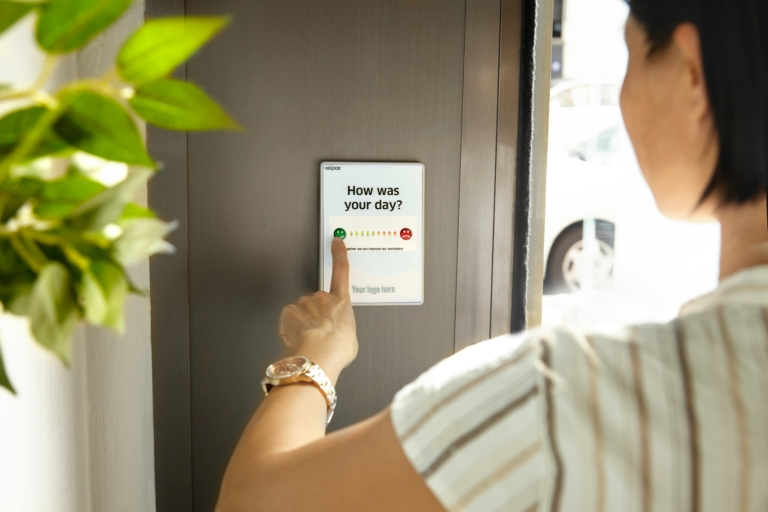
Sixty-five percent of employees say they want more feedback at work, yet most professionals receive it only once a year during a formal performance review. That gap is one of the clearest reasons so many people feel stuck in their careers.
Feedback helps you spot blind spots, close skill gaps, and make smarter decisions about where to invest your energy. The key is knowing how to ask for specific input, receive it without defensiveness, and convert it into a real development plan.
This guide walks you through exactly that.
What Is Feedback for Professional Development?
Feedback for professional development is information you receive about your work, behavior, skills, or impact that helps you improve. It is different from a performance rating or an annual review. Where an annual review summarizes the past, developmental feedback is forward-looking. It focuses on what you can change, practice, and build on.
Feedback can come from a manager, a peer, a mentor, a direct report, a coach, or a client. It can arrive in a structured conversation, an informal exchange after a meeting, or a 360-degree review process. What makes it useful is not the source or the format but whether it is specific, timely, and connected to a concrete next step.
Why Feedback Matters for Career Growth
Research from LinkedIn’s 2025 Workplace Learning Report found that 91% of learning and development professionals agree continuous learning is more important than ever for career success. Feedback is the most direct signal you have about whether that learning is working.
Here is why feedback belongs at the center of any professional development effort.
- It surfaces blind spots. You cannot fix problems you cannot see. Feedback from colleagues and managers reveals patterns in your behavior that are invisible from the inside, whether that is communication style, decision-making, or how you come across under pressure.
- It closes the gap between intention and impact. Most professionals intend to be clear, collaborative, and effective. Feedback tells you how your intentions are actually landing. That signal is essential for anyone who wants to grow.
- It accelerates skill development. Waiting for annual reviews to understand how you are doing slows growth down dramatically. Regular feedback compresses the learning cycle, so you can adjust course faster and build on what is working.
- It increases engagement and retention. Organizations with a strong feedback and learning culture experience 57% higher employee retention, according to LinkedIn research. When people feel seen, heard, and supported in their development, they stay.
- It improves your chances of advancement. Asking for regular feedback signals ambition and self-awareness. Managers notice employees who actively seek input and act on it. That behavior is often a differentiator when promotion decisions are made.
What Good Professional Feedback Looks Like
Not all feedback is equally useful. Vague comments like “you need to be more professional” or “your communication could be better” leave you with no clear place to start. Good feedback shares these qualities.
- It is specific. It names a concrete behavior or situation rather than a general trait.
- It is timely. It arrives close to the event it describes, when details are still fresh and behavior is easier to recall and correct.
- It is behavior-based. It describes what you did or said, not who you are.
- It is future-focused. It points toward what to do differently, not just what went wrong.
- It is actionable. It gives you a next step you can take in the next week, not a vague directive to improve.
When feedback lacks these qualities, ask clarifying questions. “Can you give me a specific example?” and “What would you suggest I do differently next time?” are two of the most effective follow-up questions you can use.
Types of Feedback You Can Use at Work
Understanding the different types helps you seek out the right kind of input at the right time.
- Formal feedback arrives through structured channels: performance reviews, 360 assessments, or scheduled one-on-ones with your manager. It is documented and often tied to goals or ratings. Formal feedback carries weight for promotion and compensation decisions, so it is worth preparing for intentionally.
- Informal feedback is the kind you receive in the flow of daily work. A colleague catches you after a presentation. Your manager reacts to a decision in a team meeting. This type of feedback is frequent, low-stakes, and often the most honest.
- Upward feedback flows from direct reports to managers. If you lead a team, this is one of the most valuable inputs you can receive. Most leaders underestimate how rarely their team members feel safe enough to give honest upward feedback unless they actively create that environment.
- Peer feedback comes from colleagues at your level. Peers observe behaviors and patterns that your manager may not see. Their perspective on collaboration, communication, and team dynamics is often more candid than formal feedback.
- Self-assessment is the practice of evaluating your own performance against a clear standard. While less reliable than external input, structured self-reflection builds self-awareness and helps you frame better questions when you do seek feedback from others.
How to Ask for Feedback at Work
Most professionals wait to receive feedback rather than actively requesting it. That is a missed opportunity. The quality, frequency, and usefulness of the feedback you get is largely determined by how you ask for it.
- Be specific about what you want. A vague “any feedback for me?” puts the burden on the other person and usually produces vague answers. Narrow your request to a specific skill, project, or behavior. For example: “I am working on making my presentations more concise. After today’s meeting, could you share one thing that worked and one thing I could tighten up?” Specific requests produce specific, usable answers.
- Choose the right moment. Timing matters. Asking for feedback immediately after completing a project or a key interaction captures the experience while it is fresh. Avoid requesting feedback when someone is rushing to a deadline or closing out a difficult conversation.
- Ask the right people. Manager feedback is valuable, but so is feedback from peers, mentors, and direct reports. Each source sees a different part of your professional behavior. Build a small circle of trusted advisors you can turn to for honest, constructive input on an ongoing basis.
- Make it a habit, not an event. According to research published by BetterUp, employees who seek feedback regularly develop stronger professional relationships and are more likely to apply what they learn. The most effective professionals treat feedback as a continuous conversation, not a once-a-year event.
Scripts for Asking for Feedback by Situation
These practical templates give you a starting point you can adapt for your context.
- After a presentation or meeting: “I want to keep improving how I communicate in group settings. After today, is there one thing I did well and one thing I could do more clearly?”
- Before a promotion conversation: “As I think about growing into a more senior role, I want to make sure I am building the right skills. What is one area you think I should invest in before I take that next step?”
- From a peer after a project: “We just wrapped up a tough project together. I want to get better at collaboration. Was there anything I could have done differently to make the process smoother for you or the team?”
- From a direct report: “I want to make sure I am supporting you well. Is there one thing I do as a manager that helps you and one thing that makes your work harder?”
- From a mentor: “Based on what you have seen from me, where do you think I have the biggest opportunity to grow over the next six months?”
How to Receive Feedback Without Getting Defensive
Receiving feedback is a skill. Most people develop a reflexive self-protective response when they hear something critical, which is natural, but it shuts down the learning.
- Listen fully before responding. Resist the urge to explain, justify, or correct while the other person is still speaking. Let them finish completely. What comes after the initial comment is often the most important part.
- Ask clarifying questions. If you are not sure what the feedback means, ask. “Can you give me an example?” or “What would success look like if I addressed this?” turns a vague comment into something actionable.
- Separate behavior from identity. Feedback about a presentation, a decision, or an interaction is information about behavior, not a judgment on your worth or capability. Keeping that separation makes it easier to hear difficult input without shutting down.
- Say thank you. Even when the feedback is hard to hear, thanking the person reinforces that you value their perspective and makes it more likely they will be honest with you again.
- Take time to process. You do not need to agree with feedback on the spot. It is completely appropriate to say “Thank you, I want to think about this” and return to the conversation later after you have had time to reflect.
How to Turn Feedback Into a Development Plan
Feedback only creates value if it leads to action. The gap between receiving feedback and actually changing behavior is where most professional development efforts stall. A simple plan closes that gap.
Step 1: Identify the theme. When you receive feedback, look for patterns across multiple sources. One comment might be noise. Three similar comments from different people is a signal worth taking seriously.
Step 2: Define one behavior to change. Resist the temptation to act on everything at once. Choose the single behavior that would have the most impact on your effectiveness right now. Specificity is the difference between “improve my communication” and “send clearer, shorter email summaries after each meeting.”
Step 3: Set a practice opportunity. Identify a concrete situation in the next two weeks where you can practice that behavior. Schedule it or attach it to a recurring event so it does not stay abstract.
Step 4: Track your progress. Check in with yourself and, when appropriate, with the person who gave the feedback. “I tried the approach you suggested. Do you notice a difference?” creates accountability and deepens the feedback relationship.
Step 5: Revisit and adjust. After four to six weeks, reflect on what changed. Was the behavior shift visible to others? Did it move the needle on what you were trying to improve? Use that reflection to set the next focus.
Feedback for Managers and Rising Leaders
If you lead a team or are moving into leadership, feedback takes on an additional dimension. You are not just receiving feedback; you are responsible for creating an environment where honest feedback flows freely.
Research published in Psychology Today in 2025 identifies four types of feedback that matter for professional development: corrective, coaching, reinforcing, and relational. Effective managers give all four regularly, not just corrective feedback when something goes wrong.
High-performing managers make feedback a regular feature of one-on-one conversations, not a quarterly event. They ask questions like “What is one thing I could do differently to support your work?” and they follow through visibly on what they hear. That consistency is what builds a team culture where people feel safe enough to give and receive honest input.
If you are working on your leadership development and seeking structured guidance, exploring how to improve leadership skills gives you a practical framework to develop alongside your feedback practice. Building executive presence is closely tied to how leaders handle feedback, both asking for it and responding to it under pressure.
Common Feedback Mistakes to Avoid
Even well-intentioned feedback efforts fall flat when these patterns get in the way.
Waiting for the annual review is the most common mistake. By the time a formal review arrives, the specific behaviors and moments that needed feedback are months old, and the opportunity to course-correct has already passed.
Asking too many people at once dilutes focus. If you ask ten people for feedback, you will receive ten different opinions and no clear signal. Start with two or three trusted sources and go deeper before going wider.
Asking vague questions produces vague answers. “How am I doing?” is not a feedback request. Name the skill, situation, or behavior you want input on.
Reacting defensively closes the feedback loop. When people see that honest feedback upsets you, they stop giving it. Managing your response is part of creating the conditions for continued honesty.
Ignoring patterns is a missed opportunity. If multiple people independently mention the same thing over time, that is a pattern worth addressing even if no single piece of feedback feels dramatic.
Feedback at Different Career Stages
Feedback serves different purposes depending on where you are in your career.
- For individual contributors, feedback is primarily a tool for accelerating skill development and building professional relationships. Asking for it regularly signals growth orientation and helps you stay aligned with what your team and manager actually value.
- For new managers, feedback from direct reports is especially important. Most first-time managers are surprised by the gap between how they think they are showing up and how their team actually experiences them. Structured feedback from the people you lead is one of the fastest ways to close that gap. Becoming a manager for the first time is one of the most feedback-intensive transitions in any career.
- For rising leaders and mid-career professionals, feedback becomes increasingly tied to strategic questions. What are the capabilities you need to build to step into a more senior role? Where are the gaps between your current performance and what the next level requires? Coaching conversations and structured 360 assessments are valuable tools at this stage.
- For career changers, feedback serves a different function. It helps you understand how your existing skills translate into a new context and where the steepest learning curves are. Getting honest input early in a transition prevents you from spending months developing in the wrong direction.
Explore PathWise’s professional skills training for employees to help your employees communicate with more clarity and confidence.
Your Next Step: Build Feedback Into Your Career System
Feedback is not a single conversation. It is a habit, and the professionals who make it a regular part of how they work consistently outpace those who wait for input to come to them. If you are ready to move from occasional feedback to a structured approach to career development, PathWise can help.
Explore our career coaching options to work one-on-one with a coach who will help you interpret feedback, identify your development priorities, and build a clear plan for your next move. If you are looking for structured learning, our career courses cover key development areas including communication, leadership, and career planning. And if you want to take your professional development further, learn more about what PathWise offers or get in touch directly to talk through where you are and where you want to go.
Supporting your journey are these closely related resources:
- Professional Development Motivation for staying consistent with your growth plan
- Skill Development for turning feedback themes into focused learning
- How to Prepare for a Performance Review to make the most of your next formal feedback conversation
- Get the Most Out of Your 1×1 Meetings to use regular check-ins as a consistent feedback channel
- Effective Communication Skills to strengthen the foundation that feedback is built on
- Working With a Career Coach if you are ready for more personalized, ongoing support
